1. Introduction
If you’re searching for the most expensive yoga mats, you already know a premium mat offers far more than a simple surface to practice on. It delivers stability, comfort, and durability that elevate every pose — turning an ordinary session into a mindful, supported practice.
Whether you’re a beginner or an advanced yogi, investing in a high-quality mat pays off through better performance, long-term value, and a deeper connection to your practice. In this guide, we’ll break down what actually makes these luxury mats worth their price, highlight the top options available today, and help you choose the one that fits your needs and budget.
Table of Contents
2. What Makes a Yoga Mat Expensive?
Not all yoga mats are created equal — and that’s exactly what makes a yoga mat expensive compared to a basic budget option. The premium price tag comes down to quality, craftsmanship, and performance. If you’re just starting out, it also helps to first understand the basics covered in our guide to good yoga mats for beginners before jumping into luxury territory. Below, we break down exactly what drives up the cost of these high-end mats.
1. Premium Materials
High-end mats are typically crafted from superior materials like natural rubber, cork, or eco-friendly polyurethane (PU). These materials deliver exceptional grip, durability, and comfort compared to standard PVC mats. The use of sustainable, non-toxic, and biodegradable resources also adds to the overall cost.
2. Advanced Grip Technology
Expensive mats usually feature advanced surface textures or specialized coatings engineered to enhance grip and stability — even during sweaty, high-intensity sessions. This consistent traction is especially important for hot yoga, and if slipping is a concern for you, check out our dedicated guide on the best yoga mat for sweaty hands for more grip-focused options.
3. Enhanced Comfort and Support
Luxury mats provide superior cushioning and support to protect your joints and maintain balance during practice. The thickness and density are carefully engineered to strike the perfect balance between softness and firmness — a key factor contributing to the higher price point.
4. Sustainable and Ethical Production
Brands that prioritize eco-friendly manufacturing, fair labor practices, and ethical sourcing naturally carry higher production costs. These conscious choices resonate strongly with yogis who value sustainability just as much as performance.
5. Brand Reputation and Design
Established yoga brands with strong market reputations often charge a premium due to their proven quality, innovative design, and aesthetic appeal. Some luxury mats even feature limited-edition prints or personalized options, further boosting their exclusivity.
6. Longevity and Durability
While budget mats tend to wear out quickly, high-quality mats are built to last for years. This upfront investment reflects long-term value, since these mats maintain their grip, texture, and structural integrity even through heavy, consistent use — and once you’ve picked one, a good yoga mat gym bag helps protect that investment while you travel.
3.Top 10 Most Expensive Yoga Mats: Luxury Picks for Serious Yogis
When it comes to luxury yoga gear, some mats stand out for their unmatched quality, design, and craftsmanship. Whether you’re upgrading from a beginner-friendly setup or searching for a mat that combines eco-conscious materials with premium performance, this list highlights the most expensive yoga mats on the market — each chosen for its premium materials, superior comfort, and attention to detail.
If you’re still building your practice, check out our guide on how to start yoga at home for beginners before investing in high-end gear.
1. Liforme Yoga Mat
Known for its excellent grip and eco-friendly design, the Liforme mat features natural rubber and a unique alignment guide system. It’s loved by professional yogis for its superior stability and non-slip surface that performs even in hot yoga sessions.
2. Manduka PRO Yoga Mat
Built to last a lifetime, this mat offers unmatched density and cushioning. Its closed-cell surface prevents moisture and bacteria buildup, making it both durable and hygienic — ideal for serious practitioners who want long-term value. Pair it with our best way to clean a yoga mat guide to keep it fresh for years.
3. Lululemon The Reversible Mat
Stylish and functional, this mat provides two different textures for various types of yoga. The natural rubber base ensures great traction, while the polyurethane top layer absorbs moisture to maintain a steady grip during intense workouts.
4. Bennd Yoga Mat
A true artisan creation, each Bennd mat is hand-loomed with natural cotton and infused with Ayurvedic herbs. These mats are dyed with plant-based colors and come with unique wellness benefits, making them a luxury choice for mindful yogis who also prioritize non-toxic, safe materials.
5. Oko Living Herbal Yoga Rug
Made from organic cotton and natural dyes, this handcrafted mat from India combines traditional weaving techniques with sustainability. It’s biodegradable, soft, and uniquely beautiful — ideal for eco-conscious practitioners.
6. B YOGA Strong Mat
Designed with dense, open-cell technology, this mat offers powerful grip and comfort. It provides extra cushioning for joints without compromising stability, making it a favorite among those who practice daily.
7. Alo Yoga Warrior Mat
Alo’s luxury mat combines style with substance. The oversized design gives more space to move — great for anyone comparing XL and extra-large yoga mats — while the matte finish prevents slipping. It’s also free from PVC and toxins, aligning with a clean, conscious lifestyle.
8. Yogi Bare Paws Extreme Grip Mat
Engineered for hot yoga, this mat features superior grip and moisture absorption. Its natural rubber base ensures stability, while the eco-friendly PU top layer supports seamless transitions between poses.
9. Brentwood Home Organic Yoga Mat
Ethically made in the USA, this mat combines GOTS-certified organic cotton with natural latex for a sustainable, luxury feel. It’s climate-neutral and designed to support a holistic yoga experience — a great option for tall yogis needing extra length.
10. Yoga Design Lab Combo Mat
This innovative hybrid mat doubles as a yoga towel, perfect for travel and hot yoga. Its microfiber top layer provides extra softness, and the artistic prints make it one of the most visually appealing options available. Frequent travelers should also check our folding yoga mats for travel guide and yoga mat carrier buying guide to keep your mat protected on the go.
Final Thoughts
A premium yoga mat is more than a luxury purchase — it’s an investment in comfort, durability, and a better practice. If a high-end mat isn’t in your budget right now, our best affordable yoga mats guide rounds up excellent budget-friendly alternatives that still deliver great grip and comfort.
4. Material Quality and Durability
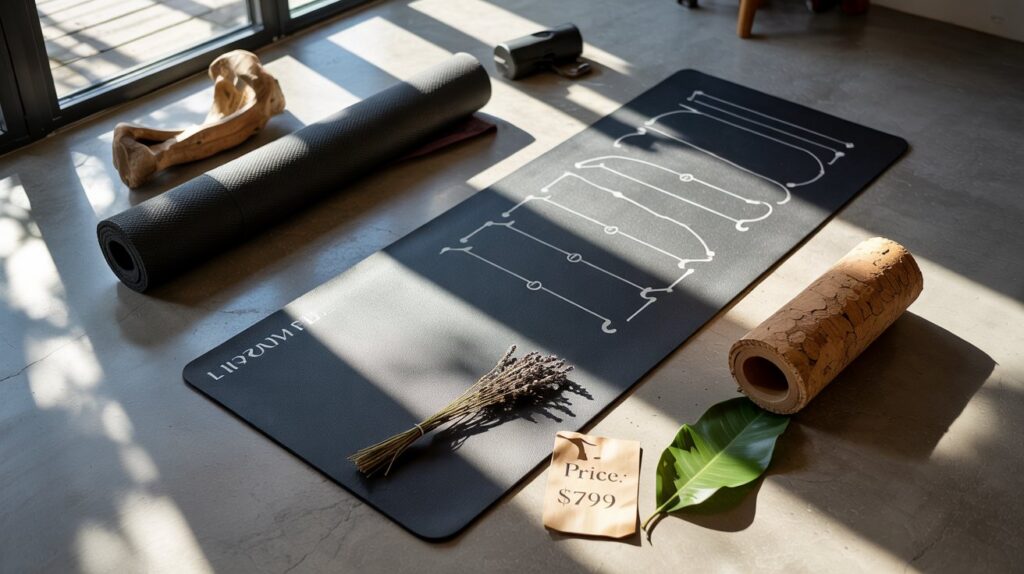
The true value of a premium yoga mat lies in the materials used and how well it stands the test of time. High-quality mats are designed not only for comfort but also for long-lasting performance, making them a smart investment for dedicated yogis.
1. Premium Natural Materials
Luxury yoga mats often feature natural rubber, cork, jute, or eco-friendly polyurethane (PU). These materials offer excellent grip, resilience, and cushioning, ensuring stability during even the most challenging poses. Natural rubber provides a solid, grounded feel, while cork and jute add a layer of breathability and eco-conscious appeal.
2. Superior Craftsmanship
Durability comes from precision manufacturing and multi-layer construction. High-end mats are engineered to resist tearing, flaking, and stretching. Their dense structure supports consistent use without losing shape or performance, even after months of daily practice.
3. Sweat and Moisture Resistance
Advanced closed-cell or hybrid surface designs prevent sweat from seeping in, keeping the mat hygienic and odor-free. This feature is particularly valuable for hot yoga practitioners, as it extends the mat’s lifespan and maintains grip over time.
4. Eco-Friendly and Non-Toxic Composition
Many luxury brands prioritize sustainable production. Mats made from biodegradable or recyclable materials not only last longer but also reduce environmental impact. These mats are free from harmful chemicals like PVC, latex, and phthalates, promoting both personal and planetary well-being.
5. Long-Term Performance
The combination of strong materials and expert design ensures long-term durability. While these mats may cost more upfront, their resistance to wear and ability to maintain comfort over years of use make them a worthwhile purchase for serious practitioners.

5. Grip and Non-Slip Performance
A yoga mat’s grip and non-slip surface are essential for maintaining balance, stability, and safety during practice. Premium mats are designed with advanced technologies and surface textures that ensure reliable traction in all conditions whether you’re holding a long pose or flowing through a sweaty session.
1. Advanced Surface Technology
High-end yoga mats often feature innovative surface coatings or textured finishes that enhance friction between your hands, feet, and the mat. These designs prevent slipping even when moisture builds up, allowing you to stay grounded and focused on your practice.
2. Reliable Performance in Hot and Sweaty Sessions
For those who enjoy hot yoga or high-intensity workouts, grip is non-negotiable. Premium mats made with natural rubber or eco-friendly polyurethane (PU) provide exceptional traction even when wet. The surface absorbs minimal moisture while maintaining a secure hold throughout each session.
3. Textured vs. Smooth Surfaces
The best mats balance comfort with stability. Textured surfaces offer extra control during dynamic poses, while smoother finishes deliver a soft yet steady foundation for slow, mindful movements. The choice depends on your yoga style and personal comfort preference.
4. Stability and Safety
A non-slip mat minimizes the risk of injury by ensuring your body remains steady during complex poses. It also supports proper alignment and posture, helping you build confidence and precision in your flow.
5. Long-Lasting Grip Quality
Durable mats maintain their traction over time, even after repeated use. Unlike cheaper alternatives that lose their stickiness or peel with sweat exposure, premium mats retain consistent performance for years.
6. Comfort and Cushioning
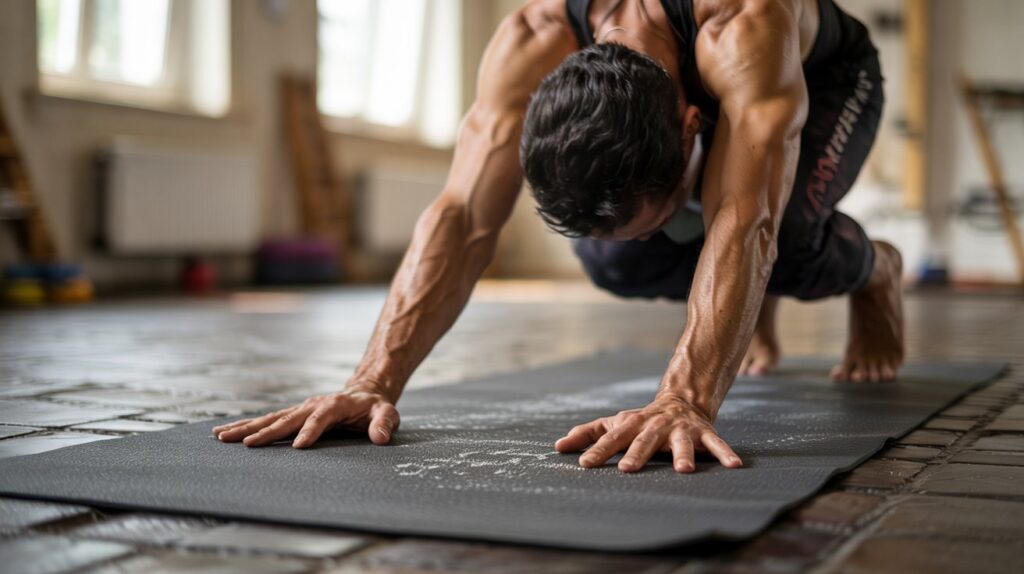
Comfort plays a vital role in enhancing your overall yoga experience. A well-cushioned mat provides the right balance between softness and support, allowing you to maintain focus and stability throughout your session. High-end mats are specifically designed to deliver exceptional comfort without compromising on performance.
1. Optimal Thickness for Joint Support
Premium yoga mats usually range from 4mm to 6mm in thickness — the ideal level to protect your knees, wrists, and elbows from hard surfaces. This added cushioning helps reduce strain during long or intensive poses while still keeping you grounded and stable.
2. Balanced Density for Stability
It’s not just about thickness; density matters too. High-quality mats use dense materials that prevent sinking while providing enough softness to absorb pressure. This ensures better balance and alignment during standing or balancing poses.
3. Ergonomic Design and Feel
Luxury mats often feature layered construction that adapts to your body’s movements. The top layer provides a smooth, soft texture, while the base ensures firmness and support. This ergonomic balance makes transitions between poses effortless and comfortable.
4. Enhanced Comfort for Long Practices
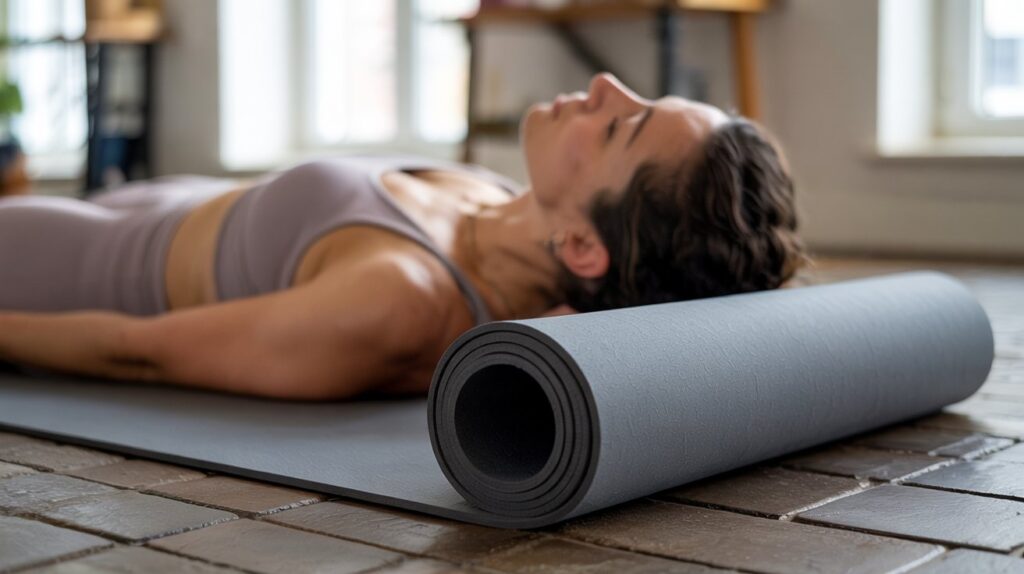
If you spend extended time in meditation, restorative yoga, or yin practices, superior cushioning can make a huge difference. It allows for prolonged comfort, helping you stay focused and relaxed throughout your session.
5. Material Influence on Comfort
Natural rubber, cork, and eco-friendly polyurethane (PU) are common in high-end mats because they combine elasticity with resilience. These materials contour gently under pressure and return to their original shape, offering consistent support over time.
7.Design and Aesthetics
While performance is key, the visual appeal of a yoga mat also plays an important role in creating an inspiring and personalized practice space. High-end mats are designed not only for function but also for style, combining elegance with thoughtful details that elevate the overall experience.
1. Premium Look and Feel
Luxury yoga mats often feature sleek finishes, refined textures, and minimalist branding. Their clean, sophisticated design reflects quality and craftsmanship, giving them a professional and polished appearance that stands out in any studio or home setup.
2. Unique Patterns and Colors
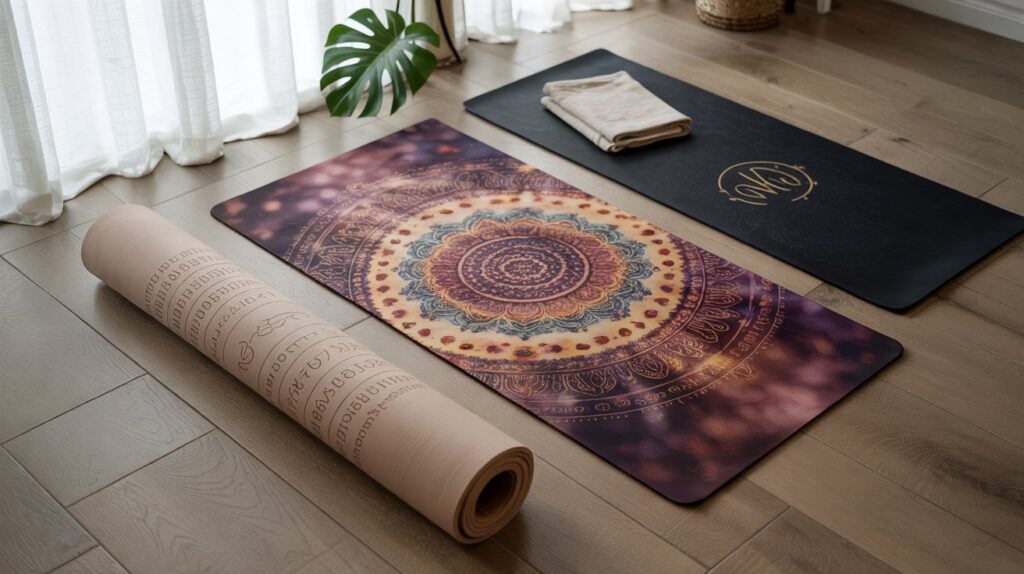
Top-tier mats are available in a wide variety of colors, prints, and patterns. Some brands offer limited-edition designs or artist collaborations, allowing yogis to express their individuality while maintaining a sense of luxury. The combination of form and function makes every mat visually distinctive.
3. Functional Design Elements
Many high-quality mats integrate alignment markers, embossed textures, or dual surfaces that enhance both style and performance. These thoughtful design details are intended to support posture and balance during practice, all while adding an aesthetic edge to the mat’s overall look.
4. Eco-Luxury Appeal
Modern yoga mats often use natural or recycled materials that look as good as they feel. The use of earthy tones, organic textures, and plant-based dyes contributes to a sustainable yet elegant design — a shift supported by growing research into plant-based textile dyes, which highlights their lower environmental impact compared to synthetic alternatives, aligning perfectly with a mindful lifestyle.
5. Personalization and Exclusivity
Some premium brands offer customization options, such as monogramming or personalized prints. This mirrors a broader trend across the luxury goods industry, where market research on personalization in luxury retail shows that customization and individuality are becoming key drivers of consumer loyalty. These features not only make your mat unique but also add a sense of ownership and exclusivity that enhances its value.
8. Eco-Friendliness and Sustainability
In today’s world, more yogis are seeking mats that align with their environmental values. Eco-friendliness and sustainability have become key factors in choosing premium yoga gear, reflecting a commitment to both personal well-being and the planet’s health.
1. Use of Natural and Renewable Materials
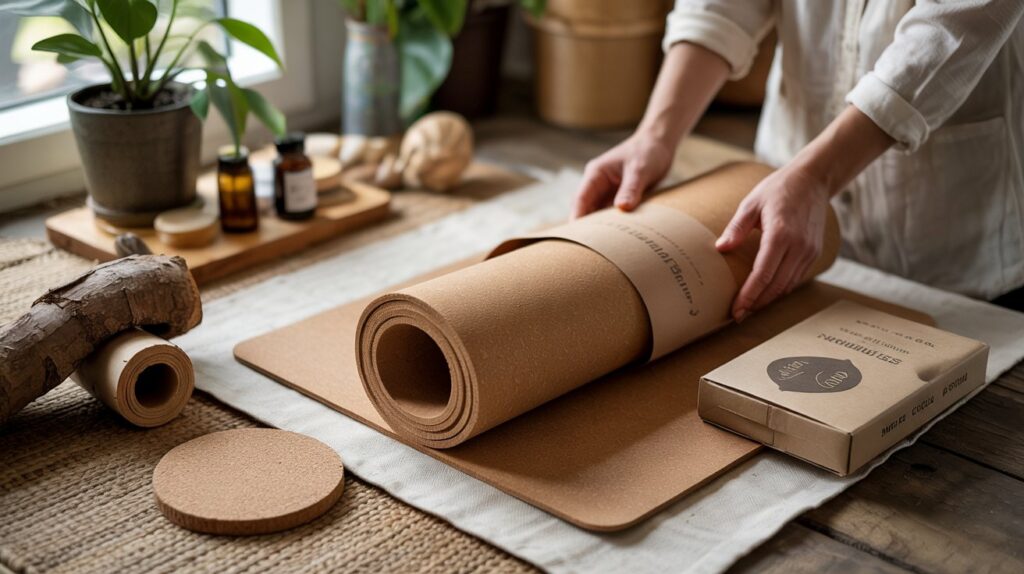
High-quality mats are often made from natural rubber, cork, jute, or organic cotton. These materials are renewable, biodegradable, and free from harmful chemicals. Unlike synthetic PVC mats, they break down naturally over time, minimizing environmental impact.
2. Non-Toxic and Chemical-Free Production
Sustainable mats are crafted without PVC, latex, or phthalates. Many brands ensure their production processes are free from toxic dyes or adhesives, making the mats safer for both the user and the environment. This results in cleaner air quality and healthier skin contact during practice.
3. Ethical Manufacturing Practices
Eco-conscious brands often partner with fair-trade suppliers and small artisan communities. This supports ethical labor practices while ensuring that every mat is produced responsibly, with respect for workers and the environment.
4. Recyclable and Biodegradable Design
Some modern mats are fully recyclable or designed to be composted at the end of their lifespan. This circular approach to product design helps reduce waste and encourages mindful consumption — a key principle of yoga itself.
5. Sustainable Packaging and Shipping
Beyond the mat itself, luxury brands often use recyclable or plastic-free packaging. Many companies also offset carbon emissions from shipping or use eco-certified logistics to reduce their environmental footprint.
9. Brand Reputation and Prestige
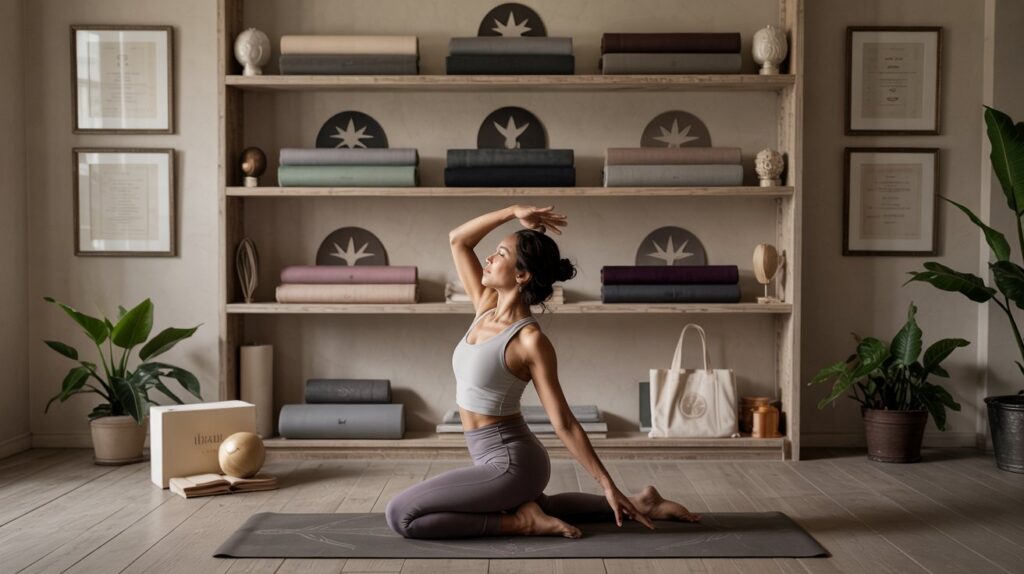
When it comes to premium yoga gear, brand reputation and prestige play a significant role in influencing buying decisions. Established brands often earn their status through consistent quality, innovation, and trust built over years of delivering reliable products to the yoga community.
1. Proven Quality and Performance
Well-known yoga brands like Manduka, Liforme, and Lululemon have built strong reputations by maintaining high production standards. Their mats are tested for grip, durability, and comfort to ensure professional-level performance for both beginners and advanced practitioners.
2. Innovation and Design Excellence
Prestigious brands invest heavily in research and development to improve material technology, grip texture, and eco-friendly production. This constant innovation ensures that each new release offers better performance, sustainability, and visual appeal than before.
3. Endorsements and Professional Recognition
Many luxury mats are endorsed by yoga instructors, studios, and professional athletes. These endorsements strengthen the brand’s credibility, as users trust recommendations from respected figures within the wellness community.
4. Global Presence and Customer Trust
A strong brand presence across global markets reflects customer satisfaction and loyalty. High-end brands often provide exceptional customer service, product warranties, and consistent quality, which contribute to their long-term prestige.
5. Association with Lifestyle and Wellness Values
Premium yoga brands often go beyond selling mats—they represent a lifestyle. Their messaging focuses on mindfulness, sustainability, and self-improvement, which resonates with consumers who view yoga as more than just a workout.
10. Portability and Weight
Portability and weight are important considerations when choosing a high-end yoga mat, especially for those who travel frequently or attend classes outside their homes. A well-designed mat should balance comfort and functionality without being too bulky or heavy to carry.
1. Lightweight Construction for Easy Transport
Many premium mats are designed with travel in mind. They use lightweight yet durable materials such as natural rubber blends or eco-friendly foams that reduce overall weight without compromising performance. This makes them easy to roll up, pack, and carry wherever your practice takes you.
2. Foldable and Compact Options
Some luxury mats are engineered to fold flat instead of rolling, saving space in your gym bag or suitcase. Foldable mats are especially convenient for yogis who want to maintain their practice routine while traveling or attending outdoor sessions.
3. Balanced Weight and Thickness
Heavier mats often provide better cushioning and stability, while lighter mats offer greater convenience. High-end brands aim to strike the perfect balance — providing enough thickness for joint protection while keeping the mat portable for daily use.
4. Added Features for Mobility
Many premium mats come with built-in straps, carrying handles, or matching yoga bags for easier transportation. These small details enhance portability and make moving between home, studio, or outdoor spaces effortless.
5. Durability Despite Lightweight Design
Even though lighter mats are easier to carry, quality is never compromised. Advanced materials ensure that portable mats remain resistant to stretching, tearing, and surface wear, maintaining performance over time.

11. Maintenance and Cleaning
Proper maintenance and cleaning are essential to preserve the quality and longevity of a yoga mat. Regular care not only keeps it hygienic but also ensures that the surface maintains its grip, comfort, and overall performance over time.
1. Importance of Regular Cleaning
Sweat, dust, and oils from the skin can build up on the mat’s surface after frequent use. Cleaning it regularly helps prevent bacteria, odors, and surface wear, keeping your mat fresh and safe for daily practice.
2. Suitable Cleaning Methods
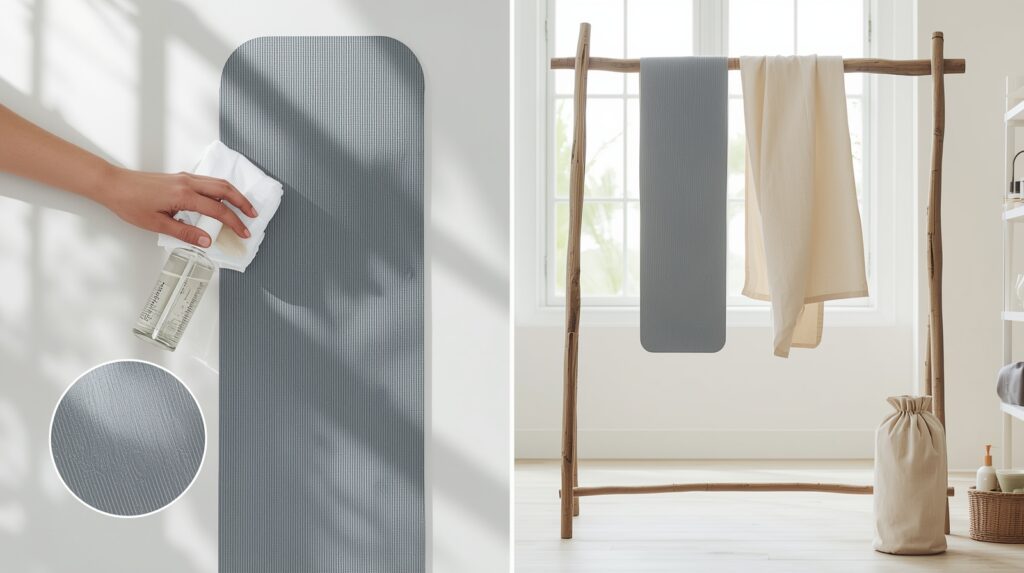
Most premium mats can be wiped clean using a soft cloth and a gentle cleaning solution. A mix of mild soap and water, or a natural cleaner made from vinegar and essential oils, works well for removing dirt without damaging the material. Always avoid harsh chemicals, as they can degrade the mat’s surface.
3. Deep Cleaning for Long-Term Care
Occasionally, a deeper clean may be needed. For non-absorbent mats, you can lightly rinse them with water and let them air dry completely. For mats made of natural materials like rubber or cork, it’s best to follow brand-specific cleaning instructions to maintain their texture and durability.
4. Drying and Storage Tips
After cleaning, always allow the mat to air dry completely before rolling it up. Store it in a cool, dry place away from direct sunlight, which can cause fading or warping. Using a carrying bag can also protect it from dust and moisture.
5. Extending the Mat’s Lifespan
Regular maintenance not only keeps the mat clean but also extends its life. By wiping it down after each use, handling it gently, and storing it properly, you can preserve its look and feel for years to come.
12. Price Comparison and Value for Money
When investing in a premium yoga mat, understanding the relationship between price and value is essential. While luxury mats can be expensive, their cost often reflects superior materials, craftsmanship, and long-term benefits that justify the investment.
1. Factors Influencing Price
The cost of a yoga mat typically depends on the quality of materials, manufacturing process, and brand reputation. Natural materials like rubber, cork, and eco-certified foams often raise the price due to sustainability and durability. Handcrafted mats or those featuring limited-edition designs also tend to cost more.
2. Comparing Price Ranges
High-end mats can range anywhere from $100 to over $500, depending on the features they offer. Mid-range mats provide good comfort and grip but may lack the premium finish or advanced materials found in the top-tier options. Budget-friendly versions are suitable for beginners but may wear out more quickly.
3. Evaluating Long-Term Value
While the upfront cost of a luxury mat may seem high, it often pays off in the long run. Premium mats last significantly longer, maintain their grip and cushioning, and resist damage from regular use — saving you money on replacements over time.
4. Balancing Quality with Budget
Choosing the right mat isn’t just about picking the most expensive option. It’s about finding one that meets your needs and offers the best balance of comfort, performance, and durability for its price. Assessing how often you practice and what features matter most can help you determine true value for money.
5. When the Price Is Worth It
For dedicated yogis or instructors, a top-quality mat is more than just equipment — it’s an investment in safety, comfort, and performance. Paying more for a mat that provides exceptional stability, eco-friendly materials, and lasting quality often results in a better overall experience.

FAQs
1. What makes a yoga mat expensive?
High-end yoga mats are priced for their premium materials — natural rubber, organic cotton, or cork — combined with superior grip, durability, and craftsmanship. Many luxury mats also use eco-friendly, non-toxic dyes and are handmade or ethically produced, which adds to their overall value.
2. Are expensive yoga mats worth the investment?
For serious or daily practitioners, yes. Premium mats typically offer better cushioning, longer lifespan, and superior traction — even during sweaty or hot yoga sessions. If you’re just starting out, our beginner’s buying guide can help you decide what level of investment makes sense for your practice.
3. What is the difference between a regular yoga mat and a luxury yoga mat?
Regular mats focus on basic function — grip and cushioning — while luxury mats add design details like alignment markers, dual-texture surfaces, natural dyes, and refined aesthetics. Luxury mats are often made from sustainable or artisan materials rather than standard PVC or foam.
4. How do I choose the best luxury yoga mat for my practice?
Consider your practice style (hot yoga, restorative, power yoga), preferred material (natural rubber, cork, organic cotton), and mat size. If you’re taller than average or need extra room to move, check out our guide to extra-long yoga mats for tall yogis.
5. How do I maintain a high-end yoga mat to make it last longer?
Regular cleaning, proper drying, and storing your mat rolled (not folded) helps preserve its grip and material integrity over time. Our complete yoga mat cleaning guide walks through the safest methods for natural rubber, cork, and cotton mats.
Conclusion
Investing in a premium yoga mat means choosing quality, comfort, and durability that elevate your practice. While the price is higher, the long-term benefits — better grip, sustainability, and craftsmanship — make it worthwhile. The best mat is the one that fits your needs; if budget matters more, check our affordable yoga mats guide.