Introduction
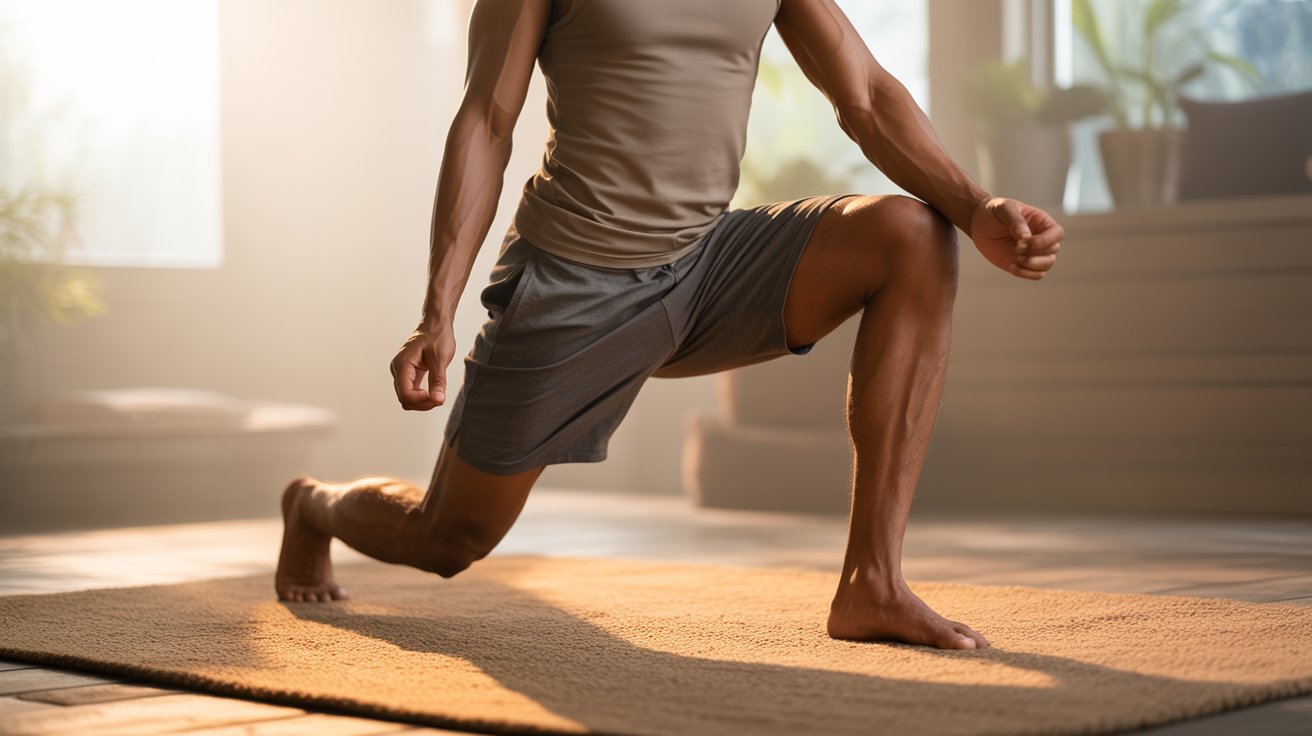
Finding the right yoga mat can make a real difference in how consistent and confident your practice feels. Whether you’re just starting out or upgrading your setup, a mat built for your body type gives you the stability, grip, and support that generic options often miss. Men typically carry more body weight and sweat more during intense sessions, and they often need extra length and width to accommodate a larger frame — factors that most standard mats simply weren’t designed around.
In this guide, we’ll break down the top-rated yoga mats for men in 2026, comparing grip, cushioning, materials, and durability to help you find the one that matches your practice.
Table of Contents
Non-Slip Performance
Grip is non-negotiable when it comes to a men’s practice mat. A surface that slides or shifts mid-pose doesn’t just break your focus — it’s how wrist strains and slipped balances happen, especially in poses like Warrior III or Chaturanga where your full body weight shifts onto a small contact point. Since men generally sweat more during intense sessions, traction becomes the foundation everything else builds on.
Look for a textured surface that grips both your palms and the soles of your feet. Mats made from natural rubber or TPE consistently outperform cheaper PVC when things get sweaty — the difference is most obvious about 20 minutes into a flow, when a weaker mat starts to feel slick under your hands.
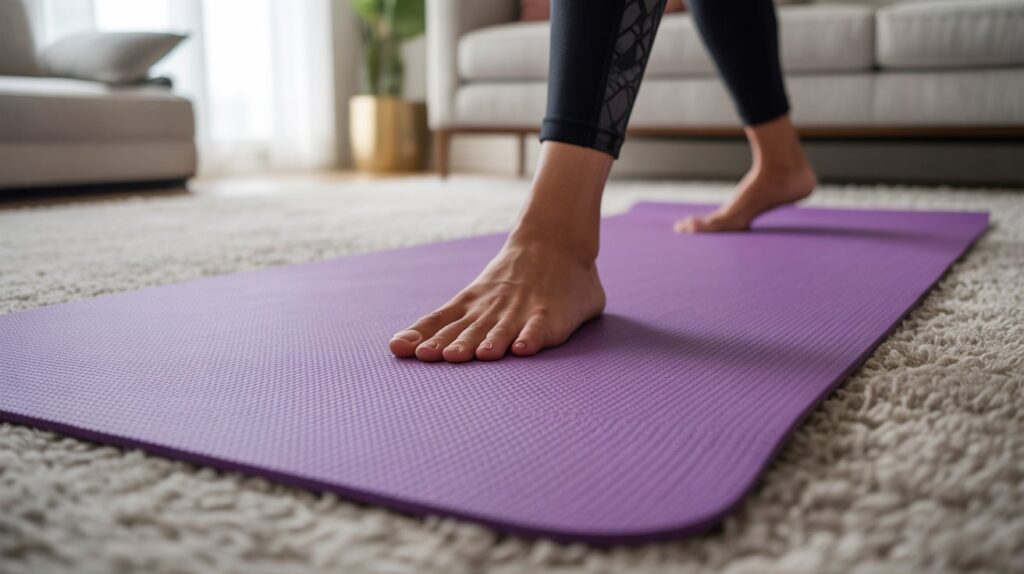
If your practice leans toward power yoga, hot yoga, or high-intensity flows, prioritize a dual-layer construction — one side sticky enough to anchor to the floor, the other lightly textured to keep hands and feet from sliding. Some premium mats add moisture-wicking technology on top of this, which genuinely matters once sweat starts pooling. If you’re practicing on a soft surface like carpet, grip becomes even more critical — our carpet yoga mat guide covers non-slip options built specifically for that challenge.
Thickness & Cushioning
Thickness plays a bigger role in comfort than most people expect — especially for larger frames that put more pressure on the knees, wrists, and elbows during floor poses. Get it wrong in either direction, and you’ll feel it.
A standard mat runs 4mm to 6mm thick, which offers a solid balance of stability and cushioning for most practices. If you’re practicing on hard flooring or dealing with sensitive joints, sizing up to 8mm–10mm adds meaningful shock absorption for longer sessions or joint-heavy sequences.
The trade-off to watch for: go too thick and standing poses start to feel unstable, since your feet sink slightly into the mat instead of pressing firmly against the floor. Go too thin, and you’ll likely feel soreness in the knees or wrists afterward. The right thickness comes down to finding that balance — enough cushioning to protect your joints without sacrificing the firm footing your practice depends on.
Material Quality: Rubber, TPE, PVC, and Cork
The material a mat is made from affects everything — grip, durability, comfort, and how it holds up over months of regular use. Here’s how the main options compare for a men’s practice.
Natural Rubber
Rubber mats are a go-to for anyone who wants strong, consistent grip, especially during intense or sweaty sessions. Rubber is harvested from the sap of rubber trees, which makes it naturally biodegradable and renewable compared to petroleum-based alternatives — a genuine eco-friendly credential, not just marketing language. The trade-off is weight: rubber mats run heavier than foam options and often carry a mild natural scent when new.
TPE (Thermoplastic Elastomer)
TPE mats are lightweight, flexible, and easy to wipe clean. They deliver solid cushioning and slip resistance while being more environmentally friendly to produce than PVC. If you want a mat that balances comfort with portability, TPE is a dependable middle ground.
PVC (Polyvinyl Chloride)
PVC mats are durable and budget-friendly, though less eco-conscious than the alternatives above. They offer decent grip and cushioning for beginners, but tend to lose traction faster than rubber or TPE once a session gets sweaty.
Cork
Cork has grown in popularity for its natural texture and antimicrobial surface. Unlike most materials, its grip actually improves as you sweat, since moisture increases surface tackiness. For anyone prioritizing sustainable, low-odor materials, cork is one of the strongest options available.
Size & Dimensions
When choosing the right yoga mat for men, size and dimensions matter more than you might think. Many standard yoga mats are designed with smaller frames in mind, which can feel restrictive for taller or broader men. A mat that’s too short or narrow can cause discomfort during stretches or transitions, making it harder to stay focused during your practice.
The average yoga mat measures around 68 inches long and 24 inches wide. However, for men over 6 feet tall or those who prefer more space to move, it’s better to go for an extra long yoga mat typically 72 to 84 inches in length. Wider mats, around 26 to 30 inches, also offer better coverage for shoulders and legs during floor poses.
An ideal yoga mat for men should allow you to lie down fully without your head or feet hanging off the edges. This extra space not only enhances comfort but also promotes better alignment and posture in every pose.
Pros
- Full-body coverage
- Better stability and alignment
- More comfortable for expansive poses and broader frames
Cons
- Bulkier and less portable
- May not fit standard studio spaces well
Durability & Tear Resistance
A mat that breaks down after a few months isn’t saving you money, no matter how cheap it was upfront. Durability matters even more for men who lean into intense, high-impact workouts or strength-based styles like Power Yoga — the extra stress on the mat adds up fast. A genuinely durable mat holds its shape, grip, and support well past the first few months of regular use.
Mats made from natural rubber, TPE, or premium PVC consistently outperform cheaper alternatives when it comes to resisting stretching, tearing, and compression marks. Reinforced layers or textured surfaces add another layer of protection, helping the mat hold up to repeated wear without losing grip.
If you’re someone who rolls, unrolls, and transports your mat often — between the gym, a studio, or home — look for a build specifically designed to resist cracking or peeling under that kind of daily handling. Our portable yoga mat guide breaks down options built for exactly this kind of on-the-go durability. Some brands back their mats with lifetime durability guarantees, which is usually a reliable signal of long-term build quality.
Grip & Texture
When selecting the perfect Best Yoga Mat for Men, grip and texture are two key elements that directly affect your performance and safety. A mat with a strong grip prevents slipping during challenging poses, while the right texture provides a balanced feel for both comfort and stability.
Men often have higher body weight and may sweat more during practice, making grip quality especially important. Mats made from natural rubber or textured TPE typically offer excellent traction, even when wet. If you practice hot yoga or high intensity workouts, a non-slip yoga mat with moisture-absorbing or anti-slip coating is ideal for maintaining stability.
Texture also plays a big role in overall comfort. Smooth mats are easy to clean and great for gentle yoga or stretching, while textured surfaces give extra traction for balance focused poses. The texture can be embossed, patterned, or wave like, depending on the brand and material all designed to enhance your hold during practice.
Portability & Weight
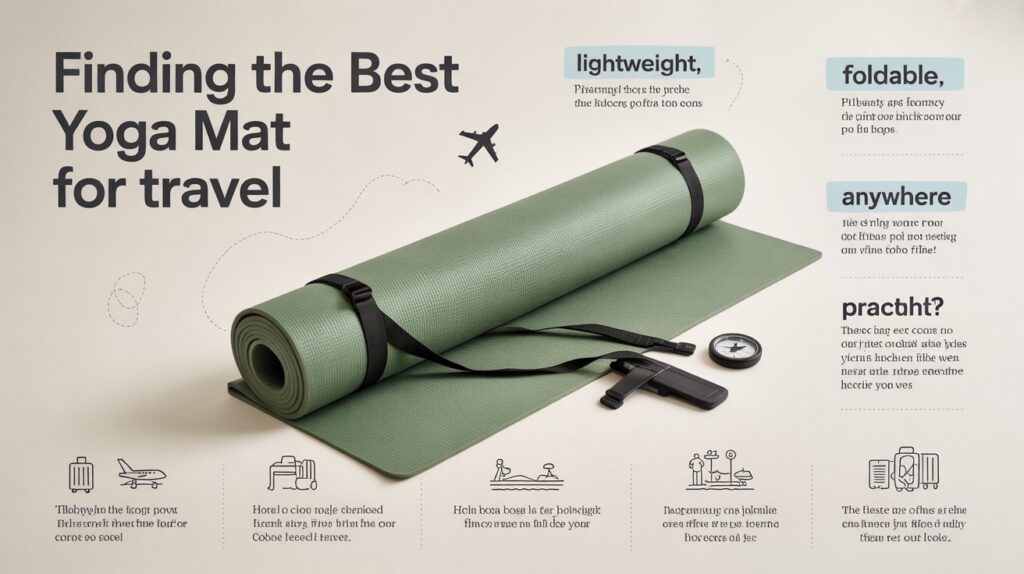
For men who often travel, go to the gym, or attend yoga classes, portability and weight are important factors when choosing a yoga mat for men. A mat that’s too heavy can be inconvenient to carry, while one that’s too light may lack stability or cushioning during practice. Finding the right balance is key.
Lightweight mats, especially those made from TPE or PVC, are easy to roll up and transport. They usually weigh between 2 to 4 pounds, making them ideal for men who practice on the go. Some mats even come with carry straps or travel bags, making transportation hassle free.
However, if you prefer a thicker or larger yoga mat for men, it might naturally weigh a bit more typically 5 to 7 pounds. These heavier mats are better suited for home use since they provide extra stability and cushioning but aren’t as easy to carry around.
Maintenance & Cleaning
A clean mat isn’t just about hygiene — it directly affects grip. Sweat, oils, and dust build up on the surface over time and quietly reduce traction long before the mat shows any visible wear. For anyone practicing intense or sweaty sessions regularly, a simple care routine keeps both odor and bacteria buildup in check.
Most modern mats — whether TPE, rubber, or PVC — clean easily with just mild soap and warm water. Wiping the surface down with a damp cloth or a natural cleaning spray after each session removes sweat and dirt before it has a chance to settle in. Skip harsh chemicals; they can break down the material and dull the grip faster than normal wear would.
Once a week, go a step further with a deeper clean: a brief soak in a tub with gentle detergent, a thorough rinse, and a full air-dry before rolling the mat back up. One thing worth avoiding entirely — direct sunlight for extended periods, which fades color and makes the surface more prone to cracking over time.
None of this takes much effort, but it adds up. A mat that’s properly cared for holds its grip and structure far longer, and your practice space stays fresher session after session.
Price & Value for Money
When choosing the best yoga mat for men, finding the right balance between price and value for money is essential. While it may be tempting to go for the cheapest option, investing in a quality mat often pays off in the long run especially if you practice regularly.
Budget-friendly mats (around $20–$40) are suitable for beginners or casual users. They usually provide basic comfort and grip but may wear out faster with daily use. Mid range mats ($50–$80) tend to offer better durability, improved grip, and higher quality materials such as TPE or natural rubber.
For advanced practitioners or those who value premium performance, high end mats ($90 and above) often include features like dual layer construction, moisture resistance, and eco friendly materials. These mats are designed to last for years while maintaining comfort and stability.
Ultimately, the best yoga mat for men offers great value for money combining comfort, durability, and functionality at a fair price. It’s not just about cost; it’s about how well the mat supports your practice over time.
Design & Style
When choosing the best yoga mat for men, design and style might seem secondary, but they actually play an important role in enhancing motivation and personal expression. A well designed mat not only looks great but also reflects your personality and makes your practice more enjoyable.
The design and style of a yoga mat for men typically lean toward simple, masculine aesthetics think solid colors like black, navy, or gray, and minimal patterns that exude strength and focus. Some brands also offer bold, sporty designs or geometric textures for those who prefer a more dynamic look.
Beyond appearance, the design can also influence performance. Mats with textured or patterned surfaces often provide better grip and stability, especially during challenging poses. Additionally, sleek and durable finishes make cleaning easier and extend the mat’s lifespan.
Whether you prefer a modern, minimalist look or a rugged, athletic style, the right yoga mat for men should align with both your practical needs and personal taste. A thoughtfully designed mat not only complements your workout space but also inspires consistency and confidence in every session.
FAQs About Yoga Mat for Men
What thickness is best for a yoga mat for men?
A mat between 6mm and 8mm offers the ideal balance of support and stability. Thicker mats give better joint protection for kneeling or seated poses, while thinner mats improve balance and grounding during standing sequences.
Are yoga mats for men different from regular yoga mats?
Yes — they’re typically longer, wider, and firmer to accommodate larger frames and more intense training. The designs also tend to lean toward minimalist, masculine color palettes and patterns.
What is the best material for a yoga mat for men?
The top-performing materials each bring something different to the table:
- Natural Rubber – excellent grip, biodegradable and eco-friendly
- TPE – lightweight, flexible, and easy to maintain
- Cork – naturally antimicrobial, with grip that improves as you sweat
The right choice depends on how intense your sessions get and how much you prioritize sustainability.
How often should I clean my yoga mat?
Wipe it down after every session with a gentle cleaner or natural spray to remove sweat and dirt. Once a week, give it a deeper clean by soaking briefly in mild soap and water, then air-drying fully before rolling it up.
Can I use a men’s yoga mat for other workouts?
Yes — a durable, non-slip mat works just as well for Pilates, stretching, HIIT, and bodyweight training. The same grip and cushioning that supports yoga poses holds up for most floor-based training styles.
How long does a men’s yoga mat last?
With regular use and proper care, expect 1 to 3 years from a quality mat. Premium options made from natural rubber or cork often outlast synthetic materials without losing grip.
Conclusion
Choosing the right yoga mat comes down to balancing comfort, grip, and durability for your practice. A good mat keeps you stable, protects your joints, and keeps you focused each session.
Whether you prefer rubber’s natural grip, TPE’s lightweight flexibility, or cork’s sustainable edge, the right pick depends on your intensity and comfort needs. Practicing on softer flooring? Check our carpet yoga mat guide for grip-specific picks.
The best mat is simply the one that fits your body, your routine, and your practice.