Introduction
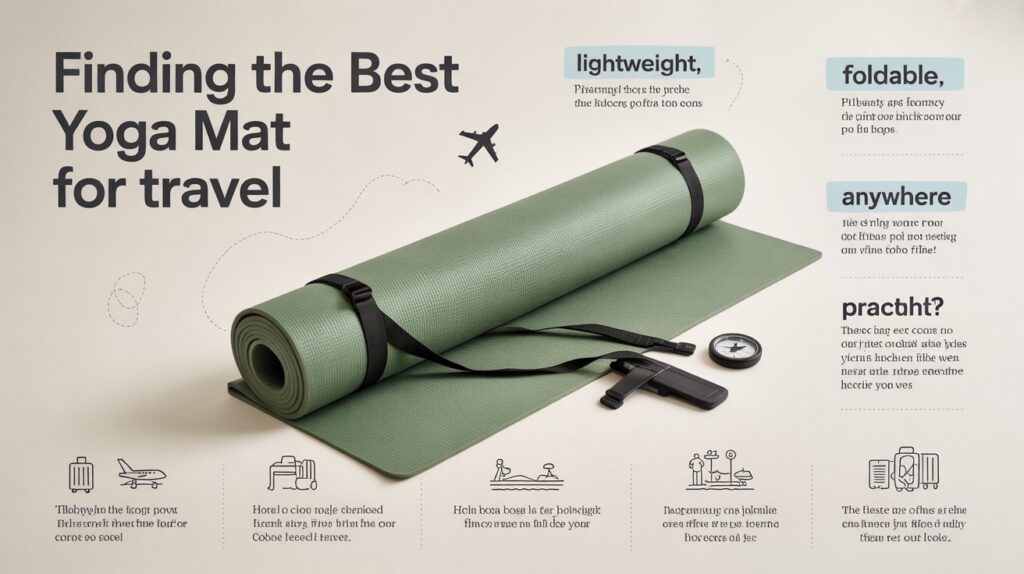
Traveling shouldn’t mean pausing your yoga practice. The right yoga mat for travel lets you stay consistent no matter where you are — whether it’s a quick weekend trip or a month-long adventure overseas. A lightweight, foldable mat fits easily into any bag and unrolls anywhere: a hotel room, a quiet beach, or even an airport lounge between flights.
In this guide, you’ll discover exactly what makes a travel yoga mat worth buying — from key features like weight and grip to the best foldable and rollable options on the market. By the end, you’ll know exactly which mat fits your travel style, budget, and practice needs.
Table of Contents
Key Features to Look for in a Yoga Mat for Travel
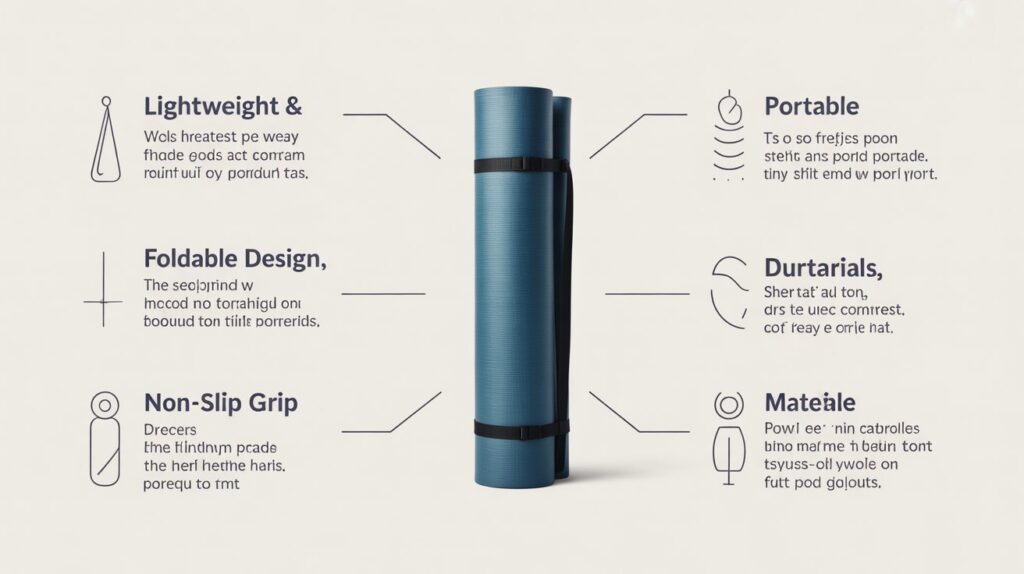
Choosing the perfect yoga mat for travel comes down to a few key factors: portability, durability, and ease of use — no matter where your journey takes you. A good travel mat should strike the right balance between comfort and convenience without weighing down your luggage. Here’s what to look for:
1. Lightweight and Compact Design
A travel-friendly mat should be light enough to carry effortlessly and compact enough to slide into a suitcase or backpack. Most travel mats are thinner than standard ones, so they fold or roll up without eating into your packing space.
2. Foldable or Rollable
Travel yoga mats typically come in two styles — foldable and rollable. Foldable mats tuck neatly into luggage, while rollable mats often offer a bit more cushioning. Your choice depends on how you like to pack and practice.
3. Non-Slip Surface
Grip matters, especially when you’re practicing on unfamiliar surfaces — hotel floors, parks, or sandy beaches. Look for a textured or non-slip finish that keeps you stable through every pose.
4. Durable Material
Frequent folding and unpacking take a toll, so durability is key. Materials like natural rubber, TPE, or microfiber hold up well against wear and tear while keeping their performance intact trip after trip.
5. Easy to Clean
Since travel mats pick up dirt and sweat from different environments, an easy-to-clean surface is a must. A quick wipe-down or machine-washable design keeps your mat fresh and hygienic on the go. For more mat care tips, check out our full guide to choosing and maintaining the right yoga mat.
6. Comfort and Support
Even though travel mats are thinner by design, they should still cushion your joints adequately. The best pick balances portability with enough support for safe practice on any surface.
7. Eco-Friendly Options
If sustainability matters to you, look for mats made from natural or recycled materials. They’re better for the planet and often bring a soft, natural texture to your practice.
Material & Durability
The material of your yoga mat for travel determines how well it holds up — and how comfortable it feels — mile after mile. Since travel mats go through constant folding, packing, and exposure to different environments, you need something strong yet lightweight that won’t wear out after just a few trips.
1. Common Materials Used in Travel Yoga Mats
TPE (Thermoplastic Elastomer)
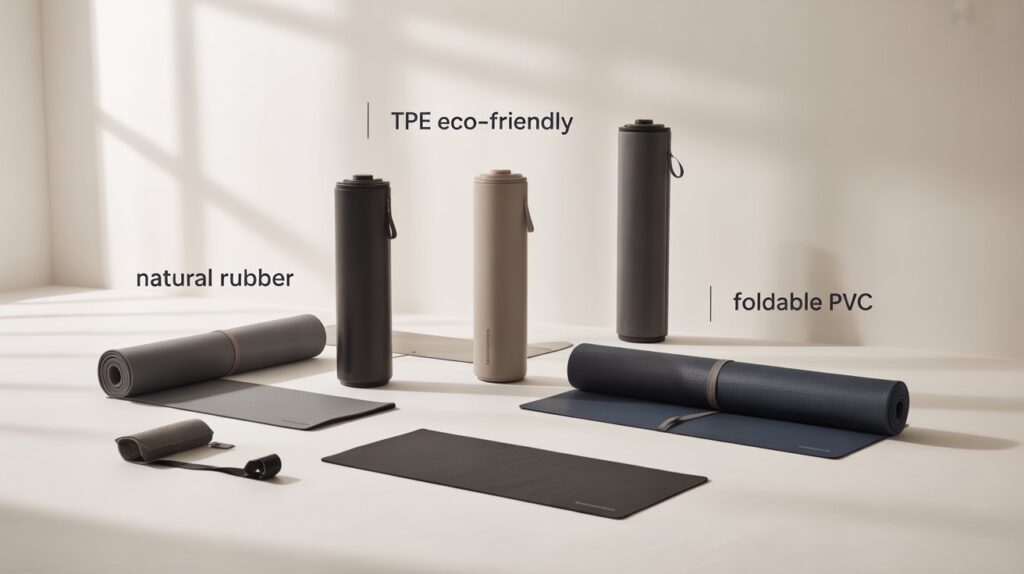
TPE is one of the most popular choices for a yoga mat for travel — it’s lightweight, flexible, and eco-friendly. It delivers solid cushioning and grip, doesn’t absorb moisture, and wipes clean in seconds after practice.
Natural Rubber
Natural rubber mats stand out for their superior grip and long-term durability. They’re slightly heavier than TPE but offer unmatched stability during practice. They’re also fully biodegradable, since natural rubber comes from tree sap and breaks down naturally in the environment, making them a strong eco-conscious pick. (Source: TRVST) TRVST
PVC (Polyvinyl Chloride)
PVC mats are tough and offer excellent cushioning, but they fall short on sustainability and tend to be heavier — a drawback if you’re packing light for frequent trips.
Microfiber or Suede Surface
Some travel mats feature a microfiber or suede top layer that feels soft to the touch and grips better as you sweat. These are especially well-suited for hot yoga or outdoor sessions on the road.
2. Why Durability Matters
Durability ensures that your yoga mat for travel can withstand folding, packing, and regular use without tearing or losing shape. A high-quality material resists stretching, fading, and cracking even after multiple trips. Investing in a durable mat means you won’t have to replace it often, saving money and reducing waste in the long run.
3. Tips for Long-Lasting Use
- Avoid leaving your mat in direct sunlight for long periods.
- Clean it regularly with mild soap and water.
- Store it flat or loosely rolled to prevent creases and cracks.
Weight & Thickness
When selecting the ideal yoga mat for travel, weight and thickness are two of the most important factors to consider. Since travel mats are designed for portability, finding the right balance between comfort and convenience is key.
1. Lightweight Design for Easy Travel
A yoga mat for travel should be light enough to carry anywhere without adding bulk to your luggage or backpack. Most travel mats weigh between 1 to 2 pounds, making them easy to pack for flights, road trips, or hikes. Lightweight mats are also ideal for travelers who want to practice yoga on the go without feeling weighed down.
2. Ideal Thickness for Comfort and Portability
Thickness directly affects how your yoga mat feels during practice. Travel yoga mats are usually 1mm to 3mm thick, which allows them to be folded or rolled up easily.
- Ultra-thin mats (1–1.5mm): Best for maximum portability; ideal for placing over hotel carpets or existing mats.
- Medium-thickness mats (2–3mm): Offer a better balance of comfort and cushioning for your joints while still being easy to pack.
If you often practice on hard surfaces, choose a slightly thicker yoga mat for travel to protect your knees and wrists.
3. Balancing Cushioning and Convenience
Thicker mats provide more comfort but take up more space, while thinner ones are easier to carry but may offer less support. The best choice depends on your travel style and how much comfort you’re willing to trade for compactness.
4. Practical Packing Tips
- Fold or roll your mat depending on your luggage space.
- Use a travel strap or bag to make carrying easier.
- Consider layering a thin travel mat over a standard mat in studios or hotels for added cushioning.
Portability & Foldability
When selecting the perfect yoga mat for travel, portability and foldability are two of the most important features to consider. A good travel yoga mat should be easy to pack, lightweight, and convenient to carry wherever your journey takes you.
1. Designed for Easy Packing
A yoga mat for travel is made to fit effortlessly into your suitcase, backpack, or carry-on bag. Unlike regular mats that are bulky and hard to roll up, travel mats are designed to save space. Many can be folded flat or rolled into a compact size without losing their shape, making them ideal for travelers who need to pack light.
2. Foldable vs. Rollable Options
Travel yoga mats generally come in two forms:
- Foldable Mats: These mats can be folded like a towel, making them easy to place in a suitcase or under clothes. They are great for people who travel frequently and want maximum space efficiency.
- Rollable Mats: Rollable mats take up a bit more room but may provide slightly better cushioning. They’re ideal for those who don’t mind carrying them separately with a strap or yoga bag.
3. Lightweight for Convenience
A portable yoga mat for travel should be light enough to carry without hassle. Most travel mats weigh between 1–2 pounds, so you can easily take them along for flights, road trips, or outdoor yoga sessions. This lightweight design ensures that your practice is never limited by location.
4. Easy Storage & Transport
Look for mats that come with a carrying strap, travel pouch, or elastic bands for secure storage. These accessories make it even easier to take your mat along and keep it tidy in your luggage. Foldable mats can also be tucked into backpacks or under airplane seats with ease.
5. Quick Setup Anywhere
Portability also means convenience. Whether you’re at the beach, in a hotel room, or at the park, a portable yoga mat for travel can be unfolded or rolled out in seconds, letting you start your practice right away without any hassle.
Comfort & Cushioning
When choosing the best yoga mat for travel, comfort and cushioning are essential factors to ensure a pleasant and safe practice no matter where you are. While travel mats are designed to be lightweight and compact, they should still provide enough support for your joints and stability during poses.
1. Importance of Cushioning
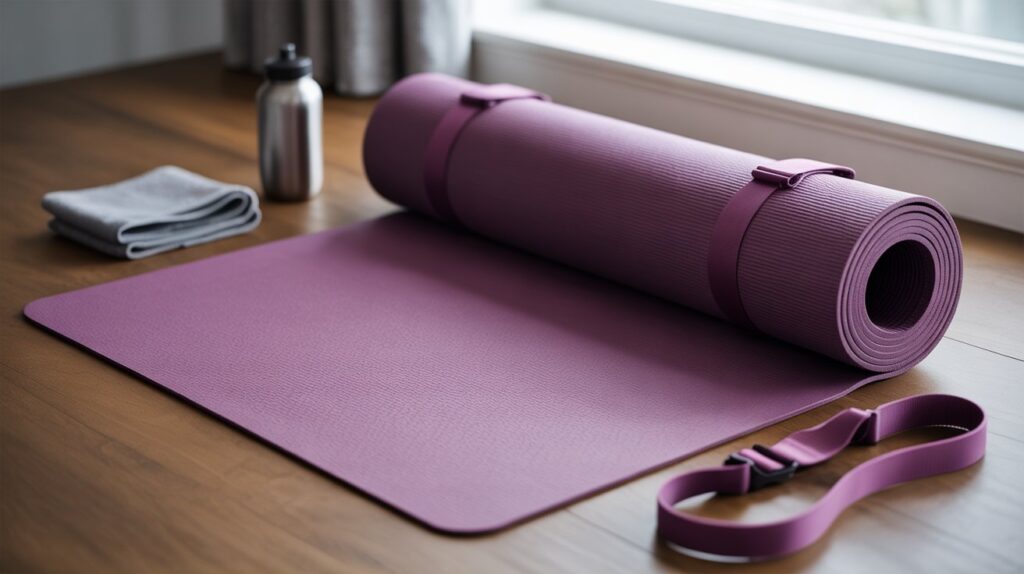
Cushioning helps protect your knees, wrists, and elbows during yoga practice. Since travel mats are usually thinner than standard ones, it’s important to find a mat that offers the right balance between comfort and portability. A well-cushioned yoga mat for travel can make all the difference when practicing on hard hotel floors or uneven outdoor surfaces.
2. Ideal Thickness for Comfort
Travel yoga mats typically range from 1mm to 3mm thick.
- Thinner mats (1–1.5mm): Best for portability and easy folding, but they provide minimal padding.
- Medium mats (2–3mm): Offer better comfort and joint protection while still being lightweight enough to pack easily.
If you often experience joint discomfort, a slightly thicker yoga mat for travel is a better option.
3. Material Matters for Comfort
The material of your mat greatly affects how comfortable it feels.
- Natural rubber and TPE provide soft yet firm support.
- Microfiber or suede-coated mats feel smooth and absorb moisture, ideal for hot yoga or sweaty sessions.
Choose a mat that feels comfortable under your body and doesn’t slip, even when you sweat.
4. Surface Texture and Grip
A comfortable yoga mat for travel should also offer a stable surface. Textured or non-slip finishes prevent sliding and help you maintain balance in every pose, adding to overall comfort and safety during your practice.
5. Layering for Extra Support
If your travel mat is thin, you can place it over a towel, carpet, or another mat for added cushioning. This simple trick enhances comfort without sacrificing portability.
Grip & Non-Slip Performance
Grip and non-slip performance are among the most important qualities to look for in a yoga mat for travel. Whether you’re practicing in a hotel room, a studio, or outdoors while camping, you need a mat that stays stable and delivers a firm grip under any condition.
A good travel mat should feature a textured or patterned surface that keeps your hands and feet from slipping mid-pose. Materials like natural rubber, polyurethane, or microfiber are well-known for their strong traction — even when the surface gets slightly damp from sweat.
The bottom surface matters just as much as the top. It should hold firmly on any floor type — wood, tile, or carpet — so your mat doesn’t shift while you move. Some travel mats even use dual-layer designs, with different textures on each side, to boost overall stability.
If you practice hot yoga or tend to sweat heavily, look for a yoga mat for travel with moisture-absorbing or quick-dry properties. These mats maintain consistent grip and prevent slipping, so your practice stays safe and steady no matter where you are.
Ease of Cleaning & Maintenance
When you’re constantly on the move, an easy-to-clean yoga mat for travel is essential. Travel exposes your mat to various surfaces like hotel floors, gyms, or outdoor areas, which means it can easily pick up dirt, sweat, and bacteria. Choosing a mat that’s simple to maintain helps keep your practice hygienic and your mat in good condition for longer.
Look for closed-cell materials such as TPE or PVC, as they don’t absorb moisture or dust. These mats can be quickly wiped down with a damp cloth or mild soap after each session. If you prefer eco-friendly materials like natural rubber, make sure to use gentle cleaners and allow the mat to air-dry completely before packing it away.
For frequent travelers, quick-drying and odor-resistant mats are especially convenient. They’re easy to refresh even when you don’t have access to washing facilities. Always avoid using harsh chemicals or machine washing, as these can damage the mat’s surface and reduce its lifespan.
Design & Aesthetics
The design and aesthetics of a yoga mat for travel may seem like a minor detail, but they can greatly enhance your motivation and overall yoga experience. A visually appealing mat that reflects your personality makes it more enjoyable to practice whether you’re in a hotel room, on the beach, or at an airport lounge.
Many travel yoga mats come in a wide range of colors, patterns, and textures, allowing you to choose one that suits your style. Minimalist designs in neutral tones create a calming vibe, while bright and patterned mats add energy and inspiration to your sessions.
Beyond looks, design also includes functional elements. Some mats feature alignment guides to help you maintain proper posture, while others have textured surfaces for improved grip and balance. Compact, sleek designs with built-in straps or carrying cases also make travel easier and more stylish.
Price & Value for Money
Price matters, but it shouldn’t be the only factor when choosing the best yoga mat for travel. It’s tempting to grab the cheapest option, but investing in a mat that delivers long-term durability, comfort, and portability pays off — especially if you travel often.
Travel yoga mats generally fall into two categories: budget-friendly and premium. Affordable mats made from TPE or PVC are lightweight and easy to carry, making them a solid choice for beginners or occasional travelers. The trade-off? They tend to wear out faster with regular use. Premium mats made from natural rubber or high-quality microfiber, on the other hand, offer better grip, durability, and eco-friendly credentials — ideal for yogis who practice on the go year-round.
When weighing value for money, consider how often you’ll actually use the mat and in what conditions. A slightly higher upfront cost often saves you from frequent replacements, delivering better comfort and performance in the long run. Not sure which style suits your budget and travel habits? Check out our full yoga mat buying guides for more in-depth comparisons.
Best Brands & Top Recommendations
When you’re searching for the ideal yoga mat for travel, the brand and model you choose matter a lot especially for portability, durability, grip and comfort. Below are some of the best-regarded models in the “travel yoga mat” space, with what makes them stand out.
Top Brand Picks
Here are some of the standout models to consider:
- Manduka eKO Superlite Travel Mat A very popular choice for a travel-specific yoga mat. It’s ultra-light, made of natural rubber, and praised for its grip and eco-credentials.
- JadeYoga Voyager / Travel Mat Known for excellent traction, natural rubber construction and sustainability (they plant a tree per mat sold). Ideal if grip and eco-friendly are top priorities.
- Liforme Travel Yoga Mat A premium option, with alignment guides built in, high-end materials and excellent performance for yogis who travel and practise seriously.
- Gaiam Foldable Travel Yoga Mat A more budget-friendly, compact and travel-friendly choice. Good when you need portability first and cost second.
- YOGO Ultralight Travel Yoga Mat Designed especially for travel: ultra-thin, very compact, and very easy to carry. A smart option if minimalism is key.
12. Pros & Cons of Using a Travel Yoga Mat
Before investing in a yoga mat for travel, it’s important to understand its advantages and potential drawbacks. Travel yoga mats are designed for portability and convenience, but they may differ in comfort and support compared to regular mats. Here’s a quick overview to help you make an informed decision.
Pros
- Lightweight and Portable – Easy to carry anywhere, perfect for travel.
- Foldable and Compact – Fits neatly into luggage or backpacks.
- Easy to Clean – Quick to wipe down and maintain hygiene on the go.
Cons
- Less Cushioning – Thinner design offers less support for joints.
- Not Ideal for Daily Use – Better suited for travel than regular home practice.
Travel Tips for Yogis
Staying consistent with your yoga practice while traveling can be tricky — but with the right approach and a reliable yoga mat for travel, it’s completely doable. Here are five simple tips to help you maintain your routine wherever your journey takes you.
1. Pack Smart
Choose a foldable or lightweight travel mat that fits easily into your suitcase or backpack. Rolling it around your clothes or placing it flat at the bottom of your bag saves space and keeps it protected from damage.
2. Keep It Clean
Carry a small spray bottle with a mild cleaning solution or a pack of wipes to clean your mat after each session. This simple habit prevents odor buildup and keeps your mat fresh throughout the trip.
3. Practice Anywhere
Make the most of your surroundings — hotel rooms, parks, beaches, or even airport lounges can double as your yoga space. A good yoga mat for travel gives you the stability and grip you need on almost any surface.
4. Stay Consistent
Even short 10–15 minute sessions help you stay centered and flexible while on the road. Set a fixed time each day — early morning or before bed — to keep your yoga habit alive, no matter your schedule.
5. Bring the Essentials
Pack a few lightweight accessories, like a yoga strap or a small towel, for extra comfort and support during practice. These small additions can make a noticeable difference in your overall experience.
FAQs About Yoga Mats for Travel
Here are answers to the most common questions yogis ask when choosing the best yoga mat for travel:
1. Can I use a regular yoga mat for travel?
Technically yes, but regular mats tend to be bulkier and heavier, making them harder to pack. A travel-specific mat is purpose-built to be lightweight, foldable, and compact — ideal for practice on the go.
2. How do I pack a yoga mat for travel?
Most travel mats fold flat to fit inside a suitcase or roll up and strap to a backpack. Foldable mats save more space, while rolled mats help avoid creases if you prefer a smoother surface.
3. Are travel yoga mats comfortable enough?
Yes, though they’re thinner than standard mats by design. If you need extra cushioning, simply layer your mat over a towel, carpet, or another mat for added support.
4. How do I clean my travel yoga mat on the go?
Wipe it down with a damp cloth or a gentle cleaning spray. Quick-drying materials like TPE or natural rubber make cleanup easy, even during long trips with limited access to laundry facilities.
5. What thickness is best for a travel yoga mat?
Most travel mats range from 1mm to 3mm. Thinner mats (1–1.5mm) prioritize portability, while slightly thicker ones (2–3mm) offer more comfort on hard surfaces like hotel floors.
6. Are travel yoga mats eco-friendly?
Many brands offer sustainable options made from natural rubber, cork, or recycled materials — combining eco-conscious construction with solid grip and comfort.
7. How long do travel yoga mats last?
With proper care — regular cleaning and dry storage — a good-quality travel mat can last 1 to 3 years, even with frequent folding and packing. Premium natural rubber mats often outlast budget TPE or PVC options.
Conclusion
The right yoga mat for travel keeps your practice consistent no matter where life takes you. A good travel mat should be lightweight, foldable, easy to clean, and still offer a stable, non-slip surface for every pose — whether you’re exploring new destinations, hitting a retreat, or practicing outdoors.
Focus on grip, comfort, material quality, and portability when making your choice. And if you’re heading somewhere adventurous, don’t forget to check out our guide to the best yoga mat for camping for even more rugged, travel-ready options.
With the right mat by your side, every place becomes your yoga studio. Stay mindful, travel light, and keep your practice flowing.