Introduction
Wondering about the best way to clean your yoga mat? You’re not alone — most yogis unroll the same mat session after session without giving it a second thought, even though sweat, body oils, and bacteria build up far faster than most people realize. A dirty mat isn’t just unpleasant; it can affect your grip, your skin, and even the lifespan of the material itself.
In this guide, you’ll learn exactly how to clean a yoga mat the right way — from quick daily wipe-downs to deep cleaning methods tailored to your mat’s material (PVC, TPE, rubber, or cork). By the end, you’ll know how to keep your mat fresh, hygienic, and long-lasting for years of practice.
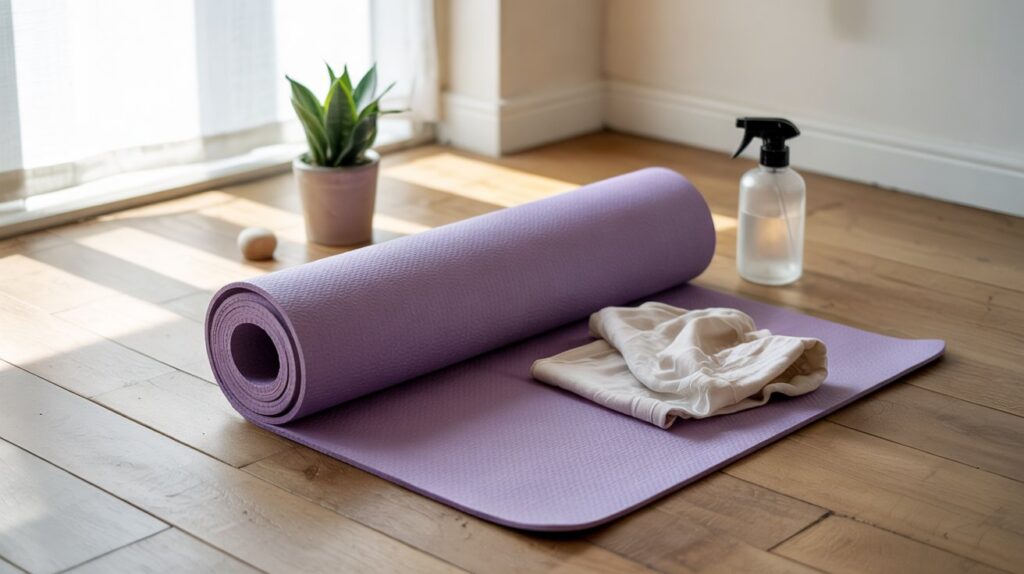
Table of Contents
1. Why Cleaning Your Yoga Mat Matters
Keeping your yoga mat clean is more important than most people realize. Every time you practice, your mat absorbs sweat, body oils, and dirt — turning it into a breeding ground for bacteria and odor-causing microbes faster than you’d expect. Understanding how to clean a yoga mat properly helps protect both your health and the surface you practice on every day.
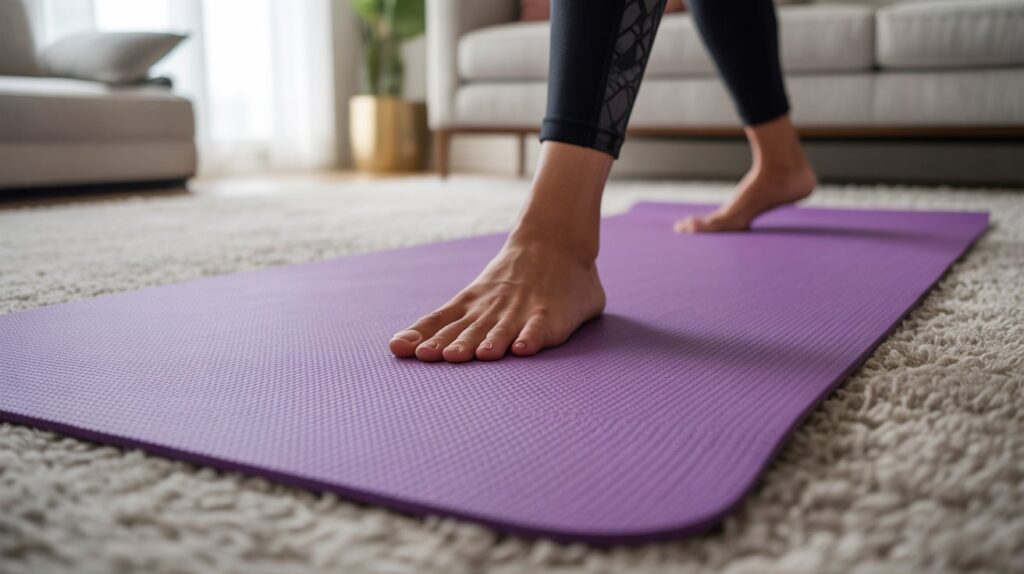
A dirty mat doesn’t just look bad — it can lead to skin irritation, reduced grip, and a shorter lifespan for the material. Over time, built-up sweat and oil residue weaken the surface, causing it to break down faster and lose its traction. A well-maintained mat, on the other hand, offers better grip, more comfort, and greater confidence during every pose — whether you’re practicing on a hard studio floor or a yoga mat suited for carpet. This matters even more if you’ve invested in a mat made from natural materials like cork or rubber, since choosing the right thickness and material in the first place only pays off if you also maintain it properly afterward.
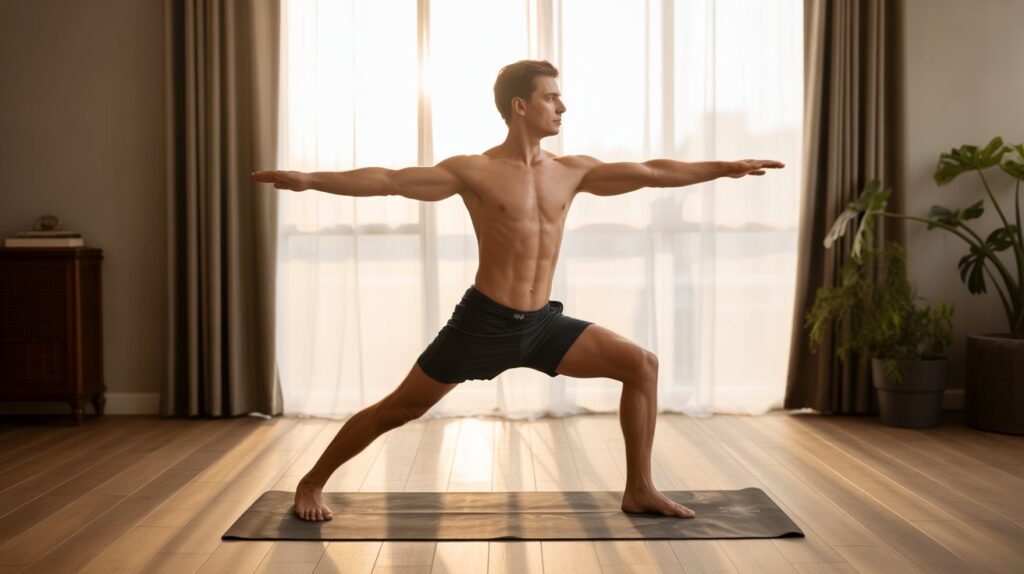
Regular cleaning also plays a bigger role in hygiene than most people think. Since your hands, feet, and sometimes even your face are in direct contact with the mat, a clean surface helps prevent breakouts, skin irritation, and lingering odors. Whether you practice daily or a few times a week, keeping your mat clean is one of the simplest ways to support a safer, more effective yoga practice.
2. Understanding Different Yoga Mat Materials
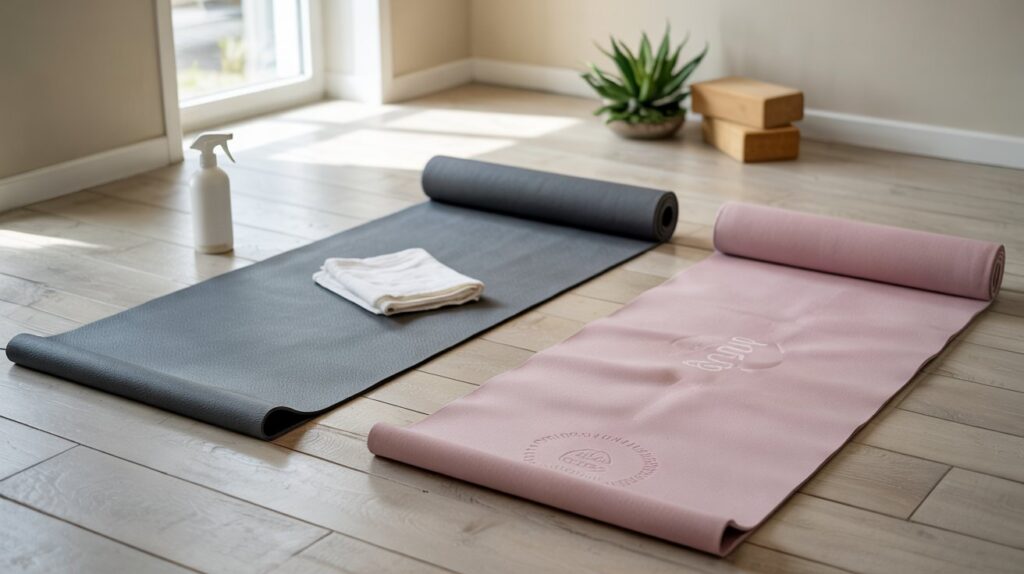
Before you can find the best way to clean your yoga mat, it helps to know exactly what it’s made of. Every yoga mat material reacts differently to water, cleaning solutions, and everyday wear — and using the wrong method can damage the surface, reduce grip, or shorten the mat’s overall lifespan. If you haven’t picked your mat yet, understanding how mat thickness and material affect performance can help you choose one that’s both comfortable and easy to maintain long-term.
PVC Mats
PVC mats are common, durable, and budget-friendly, making them a popular choice for beginners. They can handle mild cleaning solutions without issue, but harsh chemicals or aggressive scrubbing will cause the material to break down and lose its grip over time.
TPE Mats
TPE mats are lightweight and more eco-friendly than PVC, offering a soft, flexible feel underfoot. However, they’re sensitive to acidic or alcohol-based cleaners, so sticking with gentle, water-based solutions is essential to avoid weakening the material.
Rubber & Natural Rubber Mats
Rubber mats are known for excellent grip and cushioning, which is part of why they hold up so well on tricky surfaces like carpet or uneven flooring. That said, rubber absorbs oils easily and is sensitive to sunlight and strong detergents, so mild, natural cleaning methods are a must to protect its texture and longevity.
Cork Yoga Mats
Cork is naturally antimicrobial, meaning it actively fights bacteria without any help from cleaning products. These mats need simple, gentle care and very little product — too much moisture or heavy scrubbing can damage the cork surface and shorten its lifespan.
Microfiber or Suede-Top Mats
These mats are popular for hot yoga because the top layer actually becomes grippier as you sweat. They tend to need more frequent cleaning, especially after intense sessions, but they respond well to mild soap and water without any special products.
3. Best Way to Clean Yoga Mat
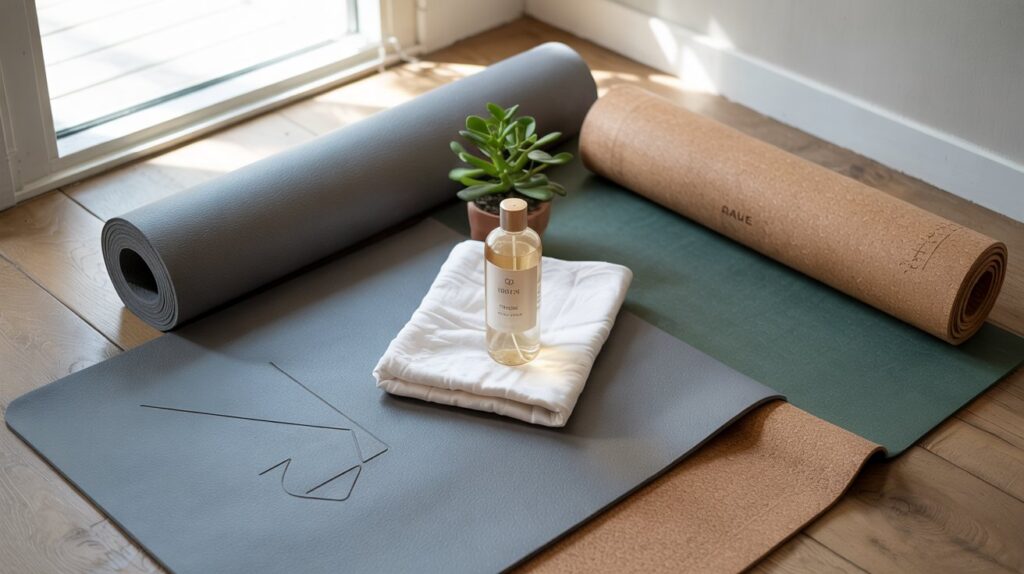
Finding the best way to clean your yoga mat starts with choosing a routine that removes sweat, dirt, and bacteria without damaging the material. A proper cleaning method not only keeps your mat fresh but also helps maintain grip and extend its lifespan. The goal is to clean it deeply enough to stay hygienic while still being gentle on the surface. According to REI’s expert advice, a quick wipe-down after every practice combined with a deeper monthly clean is generally enough to keep buildup under control.
Daily Cleaning Method
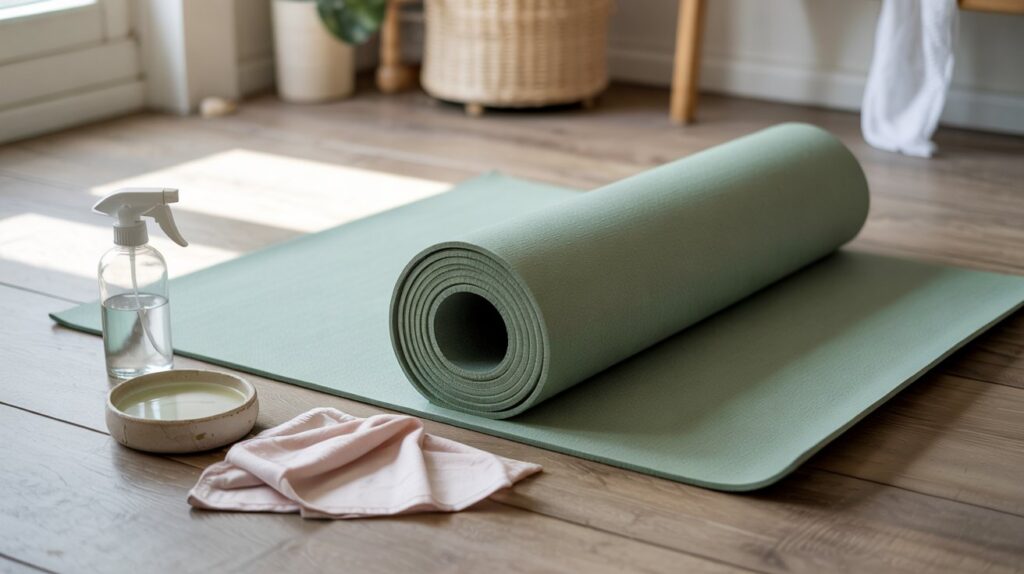
A quick daily wipe is enough to remove surface sweat and prevent odor buildup.
- Lightly spray a gentle cleaner or water-based solution.
- Wipe the surface using a soft cloth or microfiber towel.
- Let the mat air-dry completely before rolling it.
This simple habit keeps bacteria from settling into the layers.
Weekly Deep-Clean Routine
A deeper clean is important for anyone who practices frequently or sweats a lot.
- Mix warm water with a small amount of mild soap.
- Use a soft cloth to gently clean the entire mat, avoiding heavy scrubbing.
- Wipe again with clean water to remove any residue.
- Allow the mat to dry fully in a ventilated area.
Deep cleaning helps restore grip and remove hidden dirt.
Odor and Bacteria Removal
If your mat starts to smell or feels sticky, you may need a stronger, but still safe, approach.
- Use a natural spray with antibacterial properties.
- Let it sit for a few minutes before wiping.
- Make sure the mat dries completely to prevent moisture buildup.
By following these simple steps, you can keep your mat clean, fresh, and ready for every practice without causing damage or reducing its durability.
4. DIY Yoga Mat Cleaning Solutions
If you prefer natural products or want a budget-friendly option, making your own yoga mat cleaner is a smart choice. Creating simple solutions at home allows you to control the ingredients and avoid harsh chemicals that may damage your mat. These DIY options support the best way to clean yoga mat while staying gentle and safe for most materials.
DIY Yoga Mat Cleaning Solutions
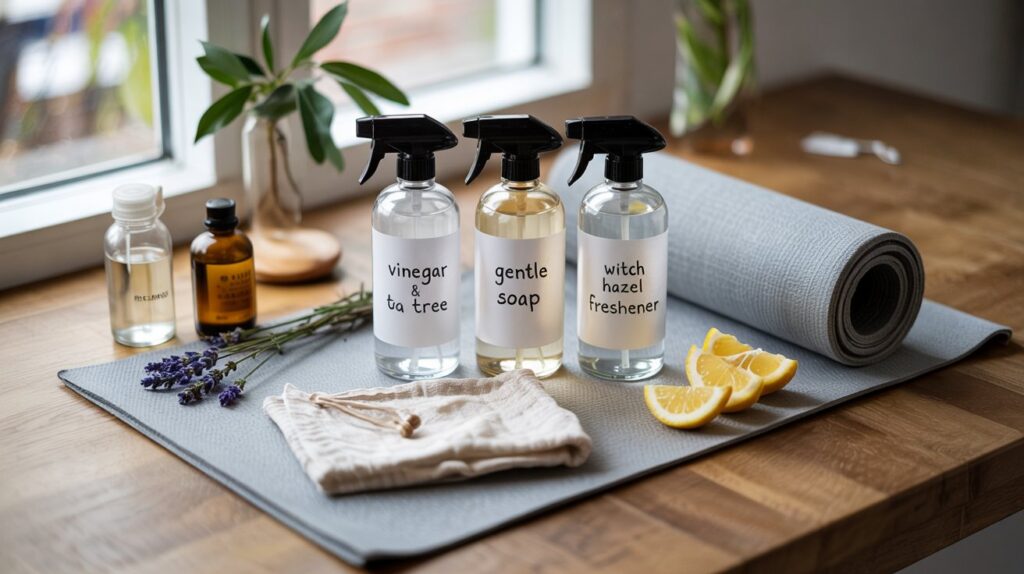
Vinegar and Water Spray (Not for TPE Mats)
This classic cleaner works well for PVC, rubber, and cork mats, cutting through sweat and light grime without leaving residue.
Mix:
- 1 cup water
- ½ cup white vinegar
- A few drops of lavender or tea tree oil (optional)
Spray lightly and wipe with a soft cloth. Skip this mixture for TPE mats — the acidity in vinegar can break down the material over time.
Mild Soap Solution
This is one of the safest and simplest cleaners you can make at home, gentle enough for daily use across almost every mat type.
Mix:
- 2 cups warm water
- 2–3 drops gentle dish soap
This solution lifts sweat, oils, and dirt effectively without stripping the surface or affecting grip.
Witch Hazel Freshening Spray
Witch hazel is alcohol-free and a popular natural choice for odor control. It’s widely known for its antibacterial and anti-inflammatory properties, which is part of why it helps keep bacteria — and the odors they cause — in check. Witch hazel is a plant with medicinal properties, most often applied to ease inflammation and soothe surfaces, and it’s widely studied for these effects. You can read more about witch hazel’s properties on Healthline. Healthline
Mix:
- 1 cup water
- 1 tablespoon witch hazel
- A few drops of essential oil for scent
Use this spray after each session to refresh your mat without needing a full deep clean.
5. What NOT to Use When Cleaning a Yoga Mat
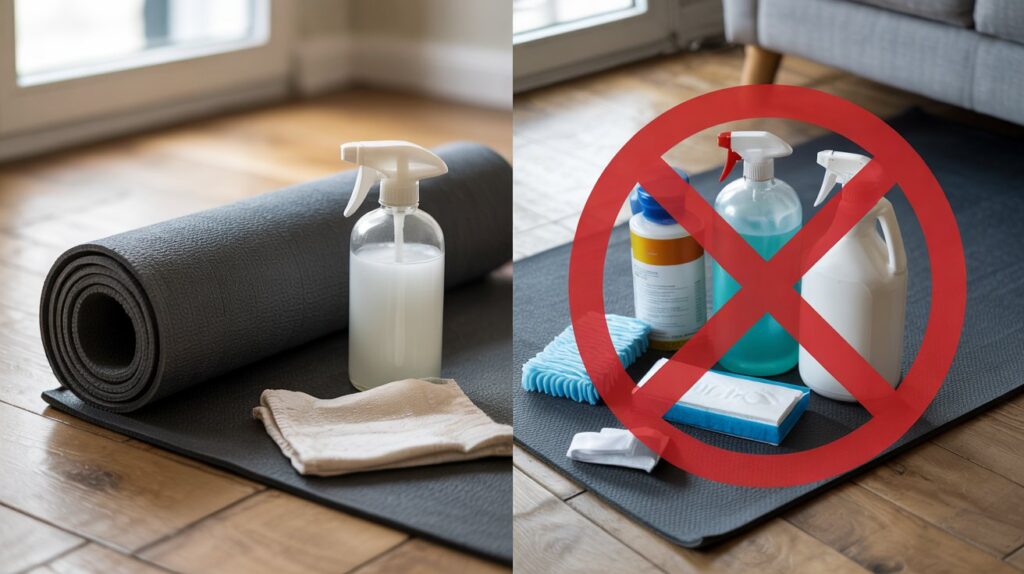
Knowing what to avoid is just as important as knowing the best way to clean yoga mat, because using the wrong products can damage the surface, weaken the material, and shorten its lifespan. Some cleaners may seem effective at first, but they can break down the texture, remove the grip, or cause fading over time.
Avoid Harsh Chemicals
Bleach, ammonia, and strong disinfectants are far too aggressive for yoga mats. These products can strip the top layer, make the mat slippery, and even cause skin irritation during practice.
No Alcohol-Based Cleaners
Alcohol dries out yoga mats and can lead to cracking, peeling, or loss of cushioning. Many disinfectant wipes contain alcohol, making them unsafe for most materials.
Skip Vinegar on Sensitive Mats
While vinegar works for some mats, it can damage TPE and certain rubber mats. Its acidic nature weakens the structure and reduces durability.
Don’t Use Heavy Detergents
Laundry detergent, dish soap with strong chemicals, and all-purpose cleaners leave residue that attracts more dirt and makes the mat sticky.
Avoid Direct Sunlight or Heat
Sun exposure may seem like a quick drying method, but it can cause fading and weaken the mat fibers. Heat from dryers or heaters also affects shape and texture.
No Scrubbing with Harsh Brushes
Rough scrubbers can scratch the surface of PVC, TPE, cork, and rubber mats. Always use a soft cloth or sponge instead.
6. How to Clean Yoga Mat by Material Type
Not all mats clean the same way — the right method depends entirely on what your mat is made of. Using a technique meant for one material on another can damage the surface or shorten its lifespan, so here’s how to clean a yoga mat safely across every common material type.
PVC Yoga Mats
PVC holds up well overall but reacts poorly to harsh chemicals.
- Mix warm water with a few drops of mild soap.
- Wipe the mat with a damp, soft cloth.
- Go over it again with clean water to lift soap residue.
- Hang or lay flat until fully dry.
TPE Yoga Mats
TPE needs a gentler touch — skip alcohol- and vinegar-based cleaners entirely, since they can weaken the material over time.
- Spray a light water-and-soap mix across the surface.
- Wipe with a microfiber cloth using soft strokes.
- Skip soaking and abrasive scrubbing tools.
- Dry in a shaded, cool spot.
Natural Rubber Mats
Rubber soaks up moisture fast, so less is more here. This is especially true for larger, extra-thick rubber mats, which take longer to dry and need extra care to avoid trapped moisture.
- Use a small amount of soap in water.
- Wipe gently with a soft cloth.
- Keep the mat out of direct sunlight — heat breaks down rubber over time.
- Lay flat to air-dry fully.
Cork Yoga Mats
Cork resists bacteria naturally, so cleaning stays minimal.
- Water alone, or water with a touch of soap, is enough.
- Wipe lightly — scrubbing isn’t necessary.
- Avoid soaking the surface.
- Let it air-dry before rolling.
Microfiber or Suede-Top Mats
Built for sweat-heavy sessions like hot yoga, these mats need slightly different care depending on their design.
Air-dry completely before rolling or using again.
Removable tops can go in the wash on a gentle cycle.
Fixed tops need a mild soap solution and soft cloth instead.
Wipe down with a damp towel to clear leftover soap.

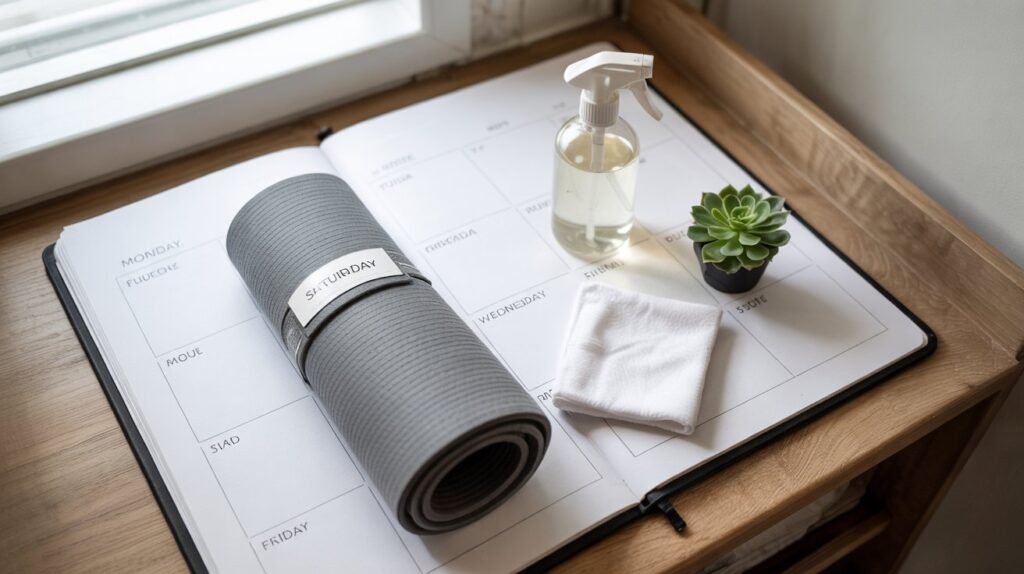
7. How Often Should You Clean Your Yoga Mat?
Knowing how often to clean your mat is just as important as learning the best way to clean yoga mat. The right cleaning frequency keeps your mat hygienic, extends its lifespan, and ensures you always practice on a safe, fresh surface.
Daily Wipe-Down (After Every Session)
If you practice regularly—especially hot yoga or intense flows—a quick wipe-down after each session is essential. Sweat, oils, and dust build up fast, and cleaning them off daily prevents odor and bacteria growth.
Weekly Deep Clean
A deeper clean once a week helps remove buildup that a daily wipe can’t handle. This keeps the mat fresh, maintains grip, and reduces long-term wear. For heavy sweaters or those practicing on studio floors, weekly deep cleaning is even more important.
Monthly Intensive Clean
Even with regular maintenance, giving your mat a more thorough clean once a month helps it stay in peak condition. This is especially helpful for mats made from materials like PVC or rubber that tend to absorb sweat and oils over time.
When to Clean More Frequently
You should clean your mat more often if:
- You practice outdoors
- You sweat heavily
- You share your mat with someone
- You notice visible dirt, odor, or slippery patches
When Less Cleaning Is Fine
If you practice occasionally or use a non-porous mat that repels moisture, cleaning after every few sessions may be enough.
8. Removing Tough Stains from Yoga Mats
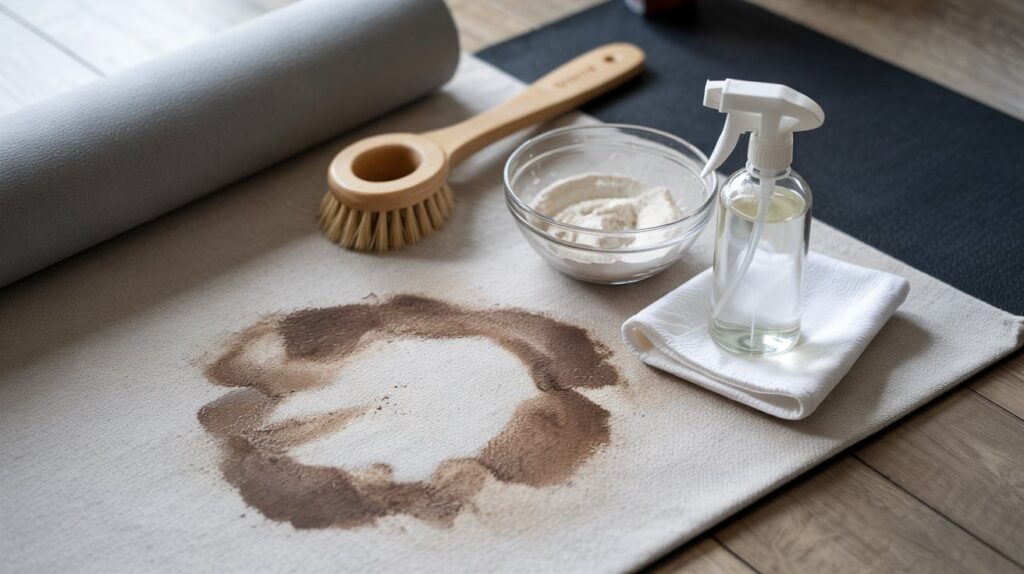
Stubborn stains can make your mat look worn out, but knowing the best way to clean yoga mat when dealing with tough marks ensures it stays fresh and long-lasting. Sweat patches, dirt spots, and makeup smudges often require more targeted cleaning techniques.
Identify the Type of Stain
Before treating any spot, check whether it’s caused by sweat, oils, makeup, or dirt. Each type responds differently, and choosing the right method prevents unnecessary damage.
Use a Targeted Spot Cleaning Method
Create a slightly stronger cleaning mix than your daily spray. Apply it directly to the stain and let it sit for a few minutes. This gives the solution time to break down oils and grime without harming the mat’s surface.
Gently Scrub Only When Necessary
Use a soft microfiber cloth to lightly rub the stain in circular motions. Avoid stiff brushes or rough sponges, as they can tear delicate materials or reduce grip.
Rinse and Air Dry Thoroughly
After treating the stain, wipe off any leftover product with clean water. Let the mat dry fully to prevent moisture from settling inside, which could lead to odor or mold.
Repeat for Stubborn Marks
Deep stains may take more than one treatment. Consistency is key—repeat the process gently instead of using harsh chemicals or aggressive scrubbing.
9. Best Store-Bought Yoga Mat Cleaners
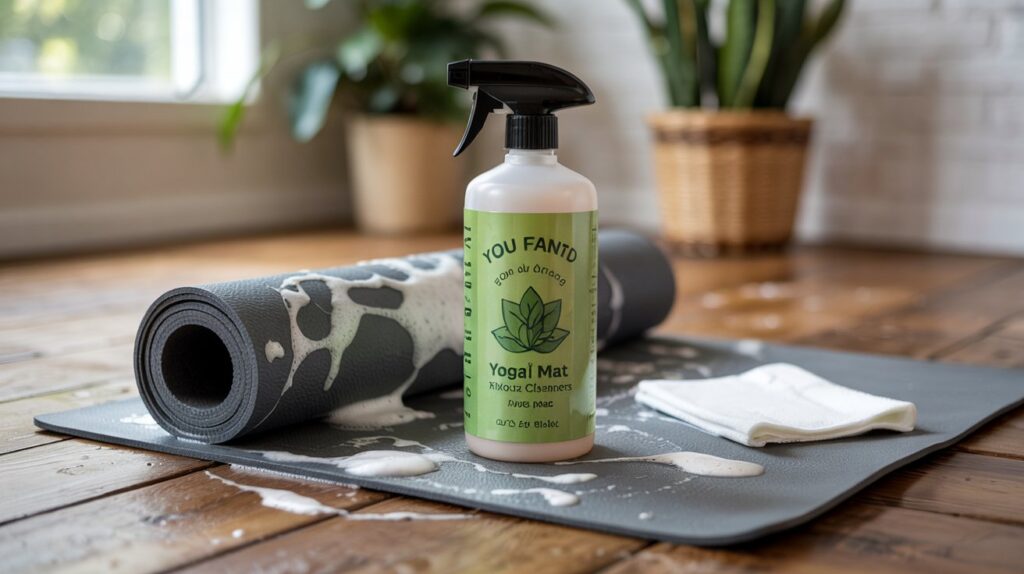
If you prefer something quick and ready-made, using store-bought cleaners can be one of the easiest ways to maintain your mat while still following the best way to clean yoga mat. These products are designed to be safe for most materials and offer reliable cleaning without mixing your own solutions.
Plant-Based Spray Cleaners
Many popular mat cleaners use natural ingredients like essential oils, vinegar blends, or botanical extracts. They’re gentle on sensitive materials, smell great, and help freshen up your mat after every session.
Alcohol-Free Professional Cleaners
Some brands offer specially formulated cleaners that avoid alcohol and harsh chemicals. These are ideal for rubber or eco-friendly mats because they remove dirt and sweat without drying the surface or damaging the grip.
Foam and Lather Cleaners
Foam cleaners are great for deep cleaning without soaking the mat. They lift grime effectively and are easy to wipe off, making them a solid choice for thicker mats or ones that absorb moisture.
Wipes for On-the-Go Cleaning
Pre-moistened wipes are super handy when you’re practicing at a studio or traveling. They’re convenient, quick, and safe for most mat types. Perfect for fast touch-ups after sweaty sessions.
What Makes a Good Store-Bought Cleaner?
- Safe for your specific mat material
- Free from harsh chemicals
- Easy to apply and fast-drying
- Leaves no sticky or slippery residue
10. How to Disinfect a Yoga Mat Safely
Learning how to clean a yoga mat properly is important, but disinfecting it safely is equally essential — especially if you practice in studios, share your mat, or sweat heavily. Disinfection removes harmful germs without damaging the mat’s material or compromising its grip.
Use a Gentle, Mat-Safe Disinfectant
Not all disinfectants work well on yoga mats. Avoid harsh products designed for hard surfaces like countertops or floors. Instead, choose a gentle formula that kills bacteria while staying safe for materials like rubber, TPE, or PVC — the same durability concerns that matter when choosing a mat built to last also apply to how you care for it afterward.
Apply Lightly — Don’t Soak the Mat
Yoga mats aren’t meant to absorb large amounts of liquid. Spray a light mist and let the solution sit for a few moments. This gives it time to work without causing the mat to weaken, stretch, or delaminate.
Wipe with a Soft Cloth
Use a clean microfiber cloth to remove the disinfectant evenly. This keeps the surface smooth and non-slippery, and free of residue that could affect your grip during practice.
Avoid Bleach and Strong Alcohol Solutions
These may seem powerful, but they can break down the mat’s texture, fade its color, and cause cracking over time. Sticking with mat-safe options is the best way to protect your mat’s quality and extend its lifespan.
Let the Mat Fully Air Dry
Disinfection is only effective if the mat dries properly afterward. Hang it over a clean railing or lay it flat in a well-ventilated area. Moisture can trap germs, so make sure both sides are completely dry before rolling it up.
11. How to Keep Your Yoga Mat Smelling Fresh
A clean mat isn’t much good if it still smells. Odor control matters just as much as hygiene — a fresh mat makes you want to roll it out again, while a musty one sits in the corner. Pairing these habits with your regular routine to clean yoga mat surfaces keeps smells from building up in the first place.
Why Yoga Mats Start to Smell
Sweat, skin oils, and dust settle into the mat’s surface with every session. Left unchecked, bacteria feed on that buildup — and it gets worse fast if you practice hot yoga or roll the mat up while it’s still damp. A few consistent habits stop this before it starts.
1. Air It Out After Every Session
Don’t roll your mat up right after class. Leave it open in a ventilated spot for at least 30 minutes first. Moving air dries out sweat and moisture, which is exactly what bacteria need to grow — cut that off and odor has nowhere to start.
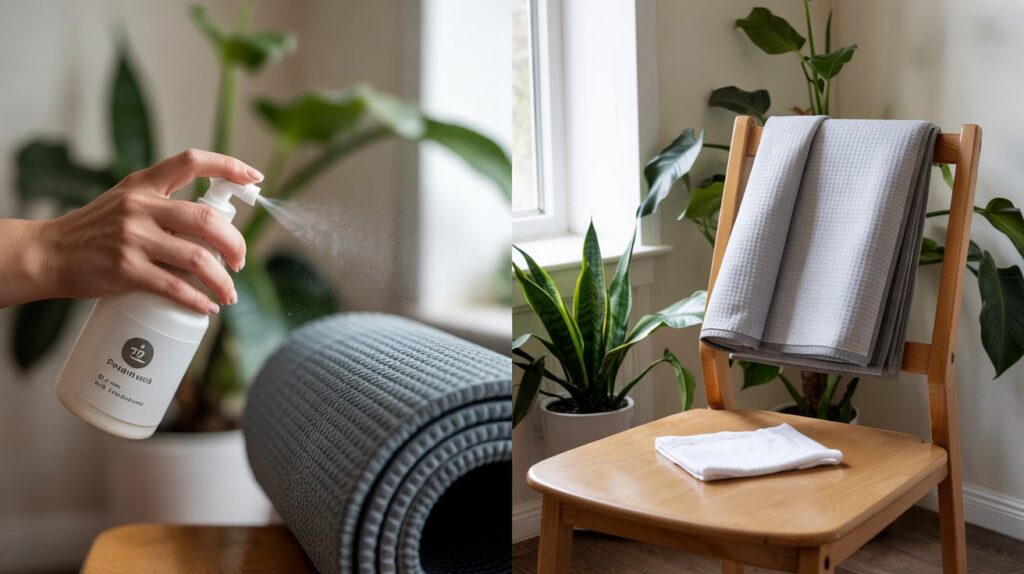
2. Mist It with a Light Natural Spray
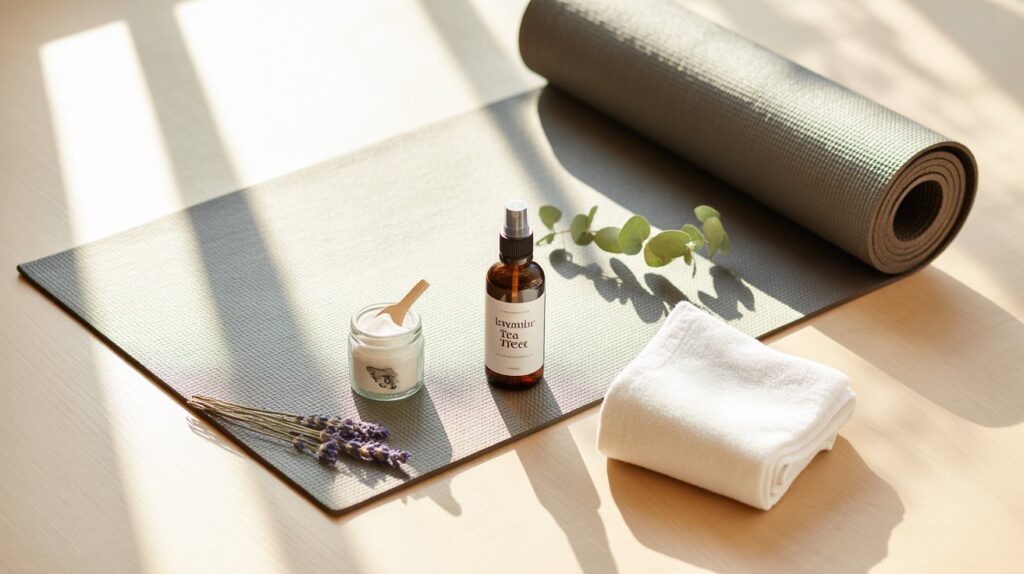
A water-and-essential-oil mix keeps things smelling clean between washes. Lavender, eucalyptus, and tea tree oil all work well and carry mild antibacterial properties on top of the scent.
Simple spray recipe:
- 1 cup water + 3–5 drops essential oil
- Shake before each use
- Mist lightly after practice, then wipe with a clean cloth
3. Wash It Once a Week
Sweat works its way below the surface even when the mat looks clean. A weekly wash — using whichever method fits your mat’s material — keeps it hygienic without wearing down the surface from overcleaning.
4. Store It the Right Way
A closed gym bag traps moisture and turns your mat into a breeding ground for smell. Instead:
- Leave it unrolled when you can
- Hang it over a rack or chair
- Keep it out of damp, closed-off spaces
Airflow does more for odor control than any spray.
5. Pull Out Odors with Baking Soda
For lingering smells, sprinkle baking soda across the mat, let it sit for 20 minutes, then wipe clean with a damp cloth. It draws out odor naturally and won’t harm the material.
6. Skip Heavy Perfumed Sprays
Strong fragrances don’t cover odor — they blend with sweat and often make it worse. Light, natural scents hold up better over repeated use.
7. Start with Clean Skin
Sometimes the mat isn’t the source at all — you are. A quick rinse or wipe-down before practice cuts down on how much sweat transfers to the surface.
8. Add a Towel for Heavy-Sweat Sessions
For hot yoga or high-intensity classes, lay a microfiber towel over your mat. It soaks up moisture, keeps odor down, and extends the life of the mat underneath.
12. Drying and Storing Your Yoga Mat Properly
Drying and storing your yoga mat correctly is just as important as knowing the best way to clean yoga mat. Even the most effective cleaning routine won’t help if your mat stays damp or is stored the wrong way. Moisture, odor, and bacteria can build up quickly, which is why proper care is essential for long-term durability and hygiene.
Why Proper Drying Matters
Yoga mats trap sweat, water, and cleaning solutions easily because of their textured surfaces. If you roll them up while they’re still damp, the moisture gets trapped inside. This can lead to:
- Unpleasant smells
- Mold growth
- Slippery surfaces
- Faster material breakdown
That’s why giving your mat enough time and airflow to dry is the smart way to maintain its quality.
How to Dry Your Yoga Mat the Right Way
1. Air Dry Only
Never use a dryer or place your mat under direct heat. High temperatures can warp or damage the material.
Instead:
- Hang the mat over a shower rod
- Drape it across a balcony railing
- Lay it flat in a well-ventilated room
2. Avoid Direct Sunlight
A little sunlight is fine for quick drying, but long exposure breaks down materials like TPE, natural rubber, and PVC. UV rays weaken the mat’s grip and cause cracking.
Use indirect natural light or shade for best results.
3. Pat Dry Excess Moisture
After cleaning, use a towel to press out extra water. This speeds up drying and prevents pooling on the surface.
4. Allow Full Drying Time
Depending on thickness and material, drying may take:
- TPE mats: 20–60 minutes
- PVC mats: 1–2 hours
- Rubber mats: 2–4 hours
- Cork mats: 15–30 minutes
Never store your mat before it’s completely dry.
How to Store Your Yoga Mat to Make It Last Longer
Proper storage protects your yoga mat between sessions and keeps it ready for your next workout.
1. Roll It Loosely, Not Tightly
A tight roll puts unnecessary stress on the material and may cause cracking or curling edges.
2. Store in a Cool, Dry Place
The ideal storage space should:
- Be away from direct sunlight
- Have minimal humidity
- Stay at room temperature
Avoid basements, cars, and outdoor sheds.
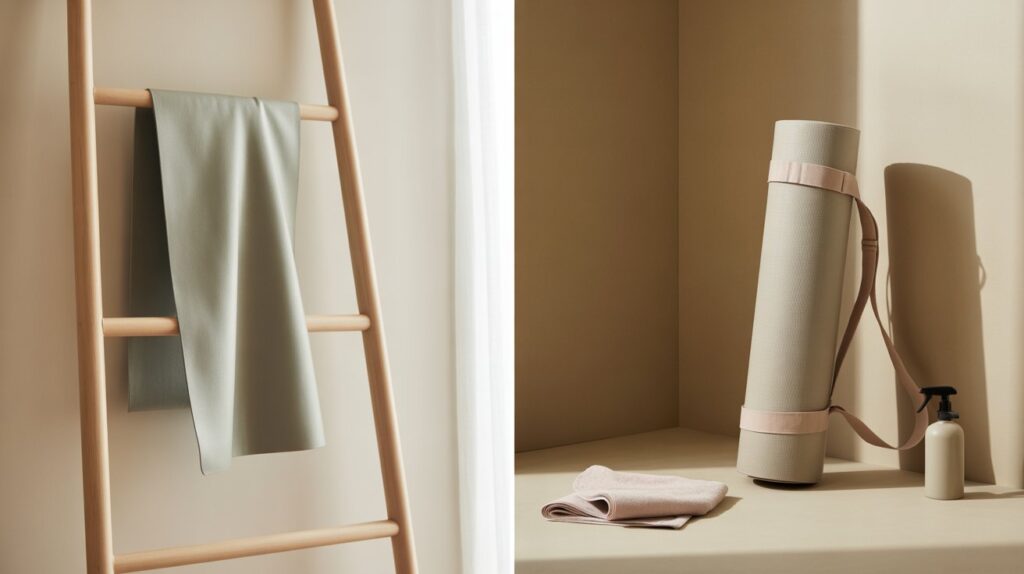
3. Use a Mat Strap or Bag
A yoga mat bag helps keep your mat clean and dust-free while allowing airflow. Just make sure the mat is dry before placing it inside.
4. Keep Away from Sharp or Rough Surfaces
These can scratch or tear the material when placing or storing the mat.
5. Lay Flat for Long-Term Storage
If you don’t use your mat often, laying it flat under a bed or on a shelf helps prevent permanent curling from long-term rolling.
Bonus Tip: Freshness Maintenance
When your mat is fully dry, lightly mist it with a natural yoga mat spray or place a dryer sheet between its layers. This helps maintain freshness between workouts.
13. Common Mistakes Yogis Make When Cleaning Mats
Avoiding these costly errors is key to protecting your investment and ensuring your mat lasts for years. Many well-intentioned yogis inadvertently shorten their mat’s lifespan with a few common missteps.
One of the most damaging mistakes is using harsh cleaning agents like bleach, ammonia, or standard household cleaners. These chemicals break down the mat’s materials, causing them to become brittle and lose their grip. Similarly, using abrasive scrubbing tools can scratch and permanently damage the surface.
Another frequent error is oversaturating the mat. Submerging it in water or soaking it can destroy the inner foam layer and delaminate the mat, causing it to peel apart. Proper care involves using a lightly dampened cloth, not a soaking wet one.
Finally, storing a damp mat is a recipe for mildew. Rolling up a wet mat traps moisture, creating a perfect environment for mold and a permanent, foul odor. Always allow your mat to air dry completely before storing it.

FAQs
Is it OK to clean my yoga mat with soap?
Yes, mild soap is one of the safest ways to clean most yoga mats. Use just a few drops of gentle dish soap mixed with warm water, and avoid heavy detergents or scented soaps that can leave residue and make the surface slippery.
Can I use disinfectant wipes on a yoga mat?
Most store-bought disinfectant wipes contain alcohol, which can dry out and crack your mat over time — so it’s best to avoid them. Instead, opt for an alcohol-free, mat-safe disinfectant spray and wipe it off gently with a soft cloth.
What’s the fastest way to dry a yoga mat?
Hang your mat over a railing, shower rod, or drying rack in a well-ventilated room. Avoid direct sunlight or heat from a dryer, as both can warp the material — air-drying is slower but far safer for the mat’s longevity.
How do you deep clean a smelly yoga mat?
Sprinkle baking soda over the surface, let it sit for about 20 minutes to absorb odor, then wipe clean with a damp cloth. For PVC or rubber mats only, a light hydrogen peroxide solution can also help eliminate stubborn smells — avoid it on TPE or cork.
How often should I wash my yoga mat?
A quick wipe-down after every session plus a deeper clean once a week is generally enough for most practitioners. If you sweat heavily, share your mat, or practice hot yoga, cleaning more frequently helps prevent bacteria and odor buildup.
Conclusion
Your yoga mat isn’t just gear — it’s the space where your practice actually happens. Taking care of it is a small habit with a real payoff: better hygiene, a longer-lasting mat, and a cleaner surface to move on session after session.
Once you know your mat’s material and stick to the right cleaning method for it, keeping it fresh stops being a chore. A simple, consistent routine protects your investment and keeps every practice feeling as good as it should — and if you’re also thinking about upgrading your setup, our guide on choosing the right yoga mat length is a great next read to make sure your next mat fits your practice just as well as it performs.