Table of Contents
Introduction
Struggling with sweaty palms during yoga can turn even your favorite pose into a frustrating balancing act. If your hands keep sliding mid-practice, you’re not alone — it’s one of the most common challenges yogis face, especially during hot yoga or high-intensity flows. The right non-slip yoga mat can completely change that experience, giving you the traction, stability, and confidence you need to move through every pose without worry.
In this guide, we’ll break down exactly what to look for in the best yoga mat for sweaty hands — from grip technology and material quality to cushioning and easy maintenance. We’ll also share our top-tested picks for 2026, so you can find a mat that keeps you grounded, comfortable, and slip-free no matter how hard you sweat.
1. Grip and Non-Slip Performance
When searching for the best yoga mat for sweaty hands, grip and non-slip performance should top your checklist. A mat that loses traction mid-session can throw off your balance and turn a simple pose into a slipping hazard — especially during hot yoga, power yoga, or any sweat-heavy practice.
Prioritize mats built with high-traction surfaces engineered to hold their grip even when wet. Materials such as natural rubber, polyurethane (PU), and cork consistently rank among the top performers for non-slip reliability, offering the friction needed to keep your hands and feet firmly planted, no matter how intense the session gets.
It also helps to check the mat’s surface technology: an open-cell structure actively absorbs moisture to boost grip, while a textured finish adds extra traction without feeling rough or sticky. If you want a mat that performs well across different practice styles, our guide to the best yoga mat for men breaks down grip-focused options that work equally well for sweaty-hand sessions.

2. Material and Durability
The material of your yoga mat directly affects its grip, comfort, and how long it lasts — a critical factor when choosing the best yoga mat for sweaty hands. The right material doesn’t just improve traction; it also determines whether your mat can withstand daily use without breaking down.
Natural rubber and polyurethane (PU) remain the top-performing materials for grip and longevity. Natural rubber delivers strong traction and excellent resilience over time, while PU surfaces are prized for staying non-slip even when soaked in sweat. Cork mats are another standout choice — they naturally repel moisture and actually become grippier the more you sweat.
For yogis who want something lighter and more sustainable, TPE (Thermoplastic Elastomer) mats strike a good balance between comfort, flexibility, and moderate durability. That said, they typically don’t hold up as long as natural rubber under frequent hot yoga or high-sweat use.
A truly durable mat should keep its texture, shape, and grip intact for months — no flaking, peeling, or surface breakdown. If you’re ready to invest in a mat that lasts, take a look at our breakdown of premium yoga mats worth the investment, which covers high-end materials built for long-term performance.
3. Sweat and Moisture Absorption
When it comes to choosing the best yoga mat for sweaty hands, moisture and sweat absorption are just as important as grip itself — they directly shape how comfortable and stable your practice feels. A mat that manages sweat effectively helps you maintain firm traction and stay slip-free, even during the most intense hot yoga or power yoga sessions.
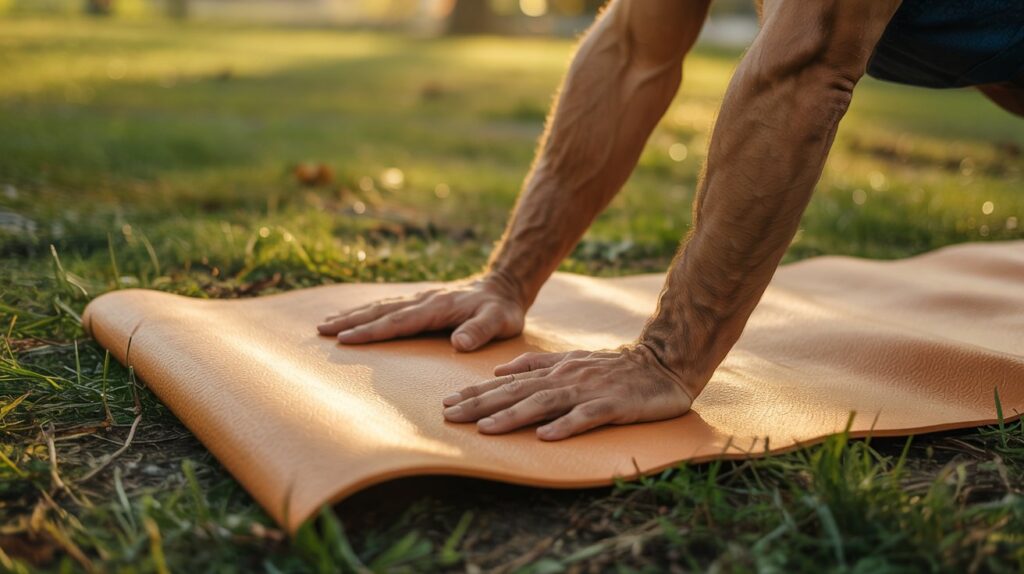
Mats with an open-cell structure are ideal for absorbing sweat. They trap moisture within the surface layer, keeping your hands steady and the mat dry on top. Polyurethane (PU) and natural rubber mats often feature this design, offering excellent moisture management for sweaty palms.
On the other hand, closed-cell mats resist water absorption, which makes them easier to clean but less effective for grip when wet. These mats are better suited for light or restorative yoga rather than high-sweat workouts.
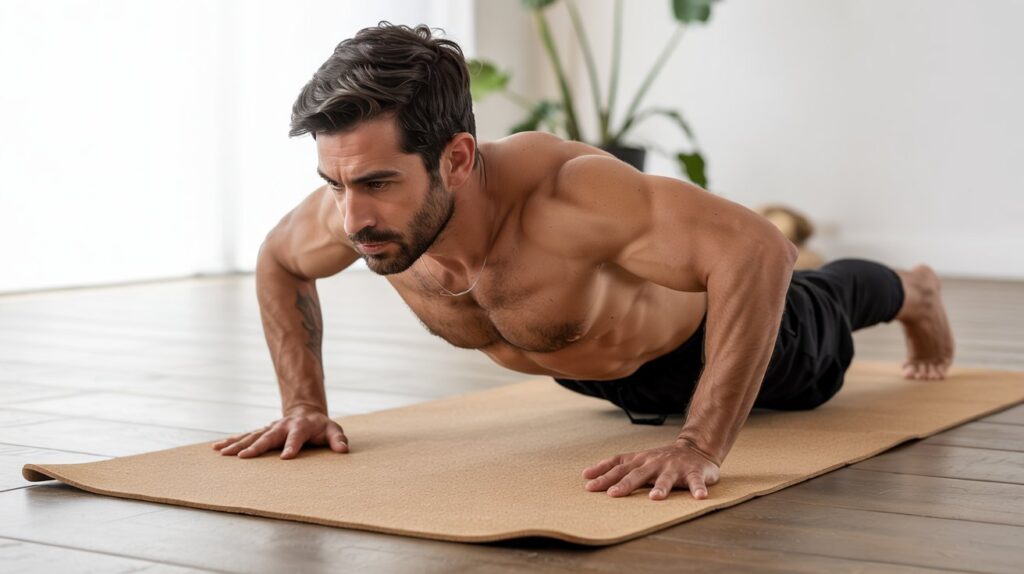
For those who sweat heavily, materials like cork or microfiber-coated mats are great options. Cork naturally repels bacteria and actually becomes grippier with moisture, while microfiber provides a towel-like texture that absorbs sweat efficiently.
4. Comfort and Cushioning
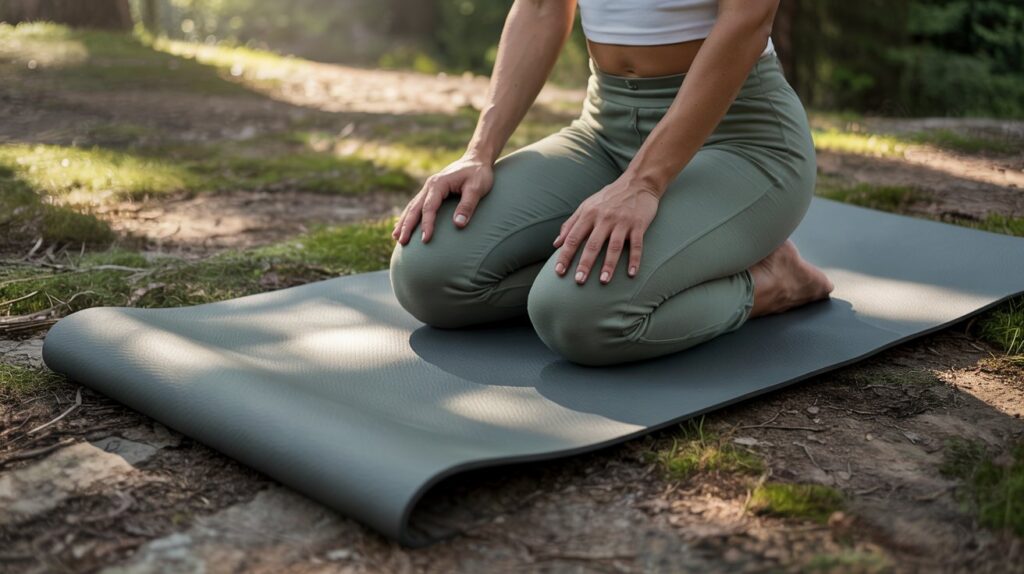
Comfort and cushioning are just as essential as grip when choosing a mat, since they directly influence your stability, posture, and overall practice quality. A well-cushioned surface protects your joints through demanding poses while still offering the firm contact needed to stay secure during sweaty sessions.
Most mats fall between 4mm and 6mm in thickness, which strikes a good balance for the average practitioner. A thicker mat cushions sensitive knees, wrists, and elbows nicely, making it a better fit for restorative or longer-held poses. Go too thick, however, and you risk losing the ground connection needed for balance, especially in standing sequences. Joint comfort matters beyond just equipment too — according to the Arthritis Foundation, regular yoga practice can ease joint pain and improve flexibility and mobility over time, which makes choosing supportive gear part of a bigger picture for joint health.
Materials also play a role in how a mat feels underfoot. Natural rubber and TPE tend to offer soft, responsive support without feeling spongy, while high-quality PU (polyurethane) mats combine balanced cushioning with a dependable non-slip surface — a solid pick if sweat is a factor.
Beyond thickness, a mat’s density matters just as much. A denser mat holds its shape and support longer, so it won’t compress or “bottom out” the way lower-density foam does over time.
Ultimately, the right mat blends comfort with grip, so you can move through your practice feeling stable, supported, and confident in every pose.
5. Portability and Weight
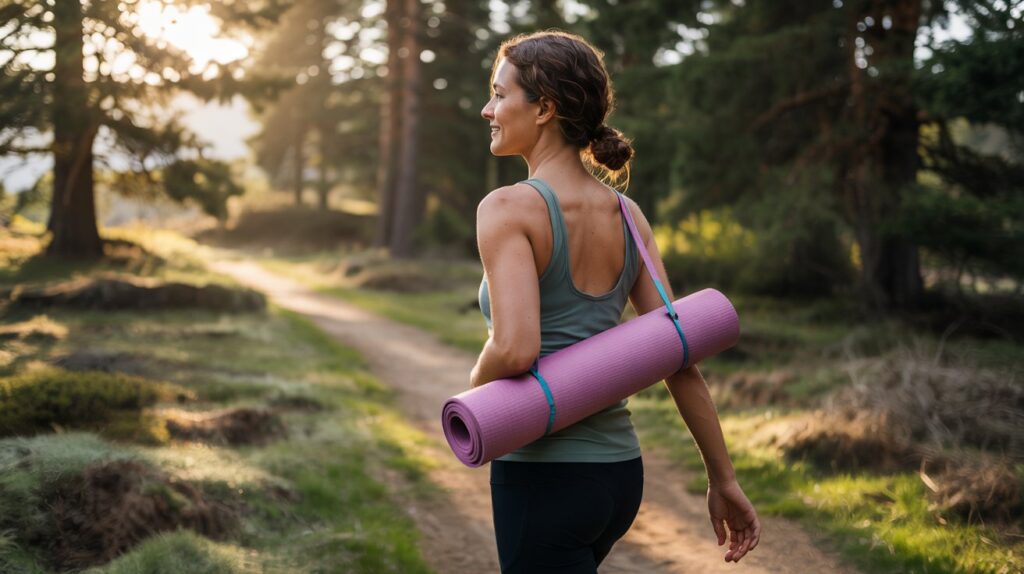
If you carry your mat to classes, the gym, or on trips, portability and weight deserve just as much attention as grip and material. A lightweight, easy-to-transport mat makes it far more likely you’ll stick to your routine, no matter where you practice.
TPE and PVC mats are the go-to choice for portability, typically weighing between 2 to 4 pounds. They roll up easily and suit yogis who move around often, while still offering decent grip and stability for sweaty sessions. The trade-off is durability — these lighter mats generally don’t hold up or cushion as well as heavier options over time.
On the other end, mats made from natural rubber or PU deliver stronger traction and support but can weigh 6 pounds or more. These are better suited to home or studio use, where you’re not lugging the mat around daily.
Frequent travelers should look for thinner, foldable mats that come with a carrying strap or bag — built specifically to balance convenience with enough grip to keep you steady on the go.
6. Easy Maintenance and Cleaning
Keeping your mat clean isn’t just about hygiene — it directly affects grip, performance, and how long your mat lasts. Sweat, body oils, and bacteria build up quickly with regular use, and if left unchecked, they can make the surface slippery and speed up wear and tear.
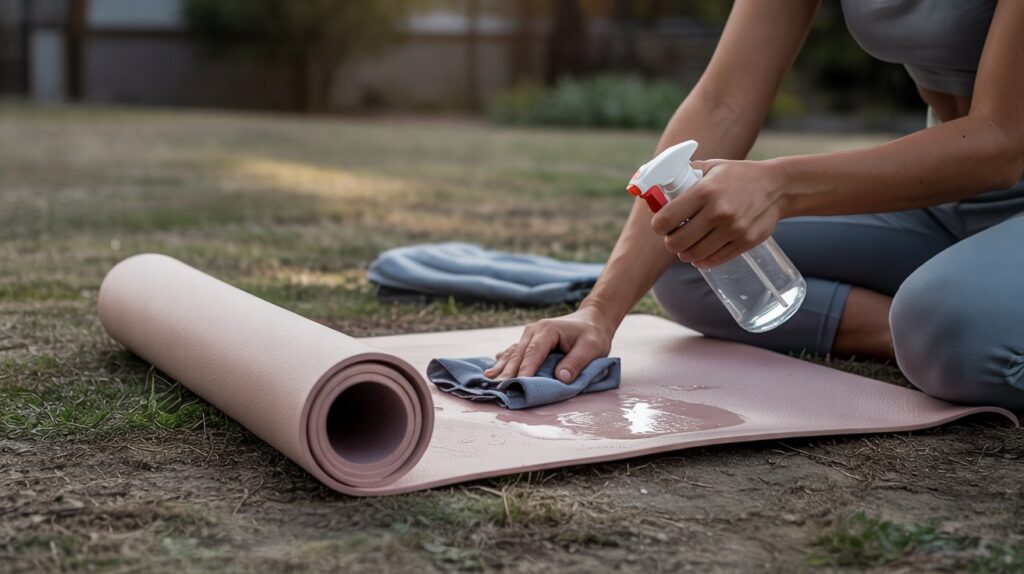
For hassle-free maintenance, look for a moisture-resistant mat that wipes down easily after each session. Materials like PU (polyurethane), TPE, and closed-cell rubber are especially low-maintenance since they don’t absorb liquids deeply. A simple mild soap-and-water solution or a natural mat cleaner is usually enough to clear away sweat and odor.
If your mat has an open-cell surface — common in high-grip designs — expect to clean it a bit more often, since this structure absorbs moisture to boost traction. A weekly deep clean, followed by air-drying in a shaded spot, keeps these mats fresh and grippy.
One thing to avoid: harsh chemicals or machine washing. Both can break down the mat’s texture over time and shorten its lifespan. Pairing the right cleaning routine with a well-chosen thickness also helps — our guide on how thick your yoga mat should be covers how the right density and thickness can reduce wear and keep your mat performing longer between cleans.
7. Eco-Friendliness and Sustainability
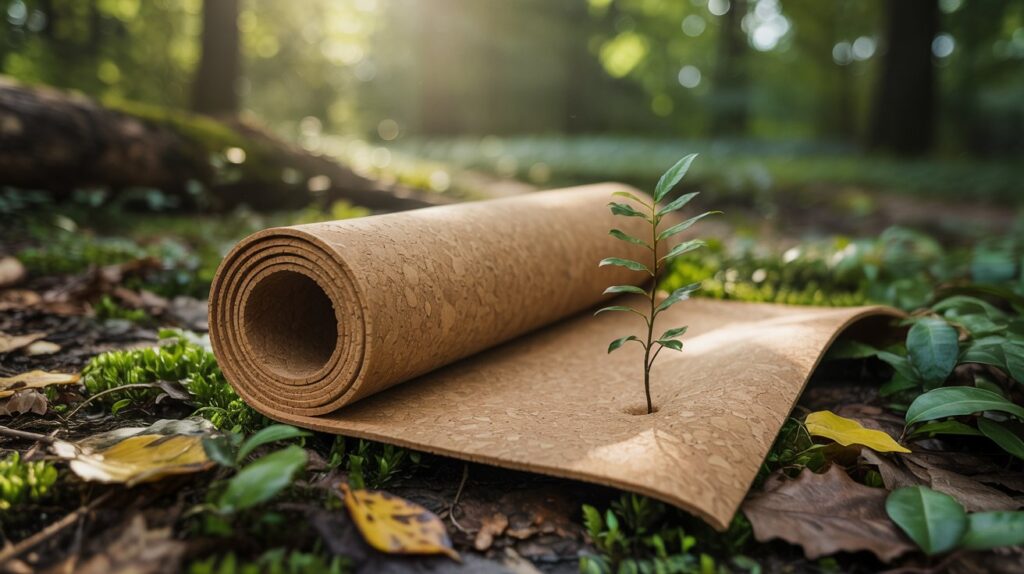
Sustainability has become a real priority for yogis, not just an afterthought — and it matters just as much when you’re picking a mat that handles sweat well. An environmentally responsible choice benefits your practice while reducing your footprint on the planet.
Look for mats crafted from natural, biodegradable materials like natural rubber, organic cork, or jute. These not only deliver strong grip and stability during sweaty sessions but also skip harmful chemicals such as PVC, latex, or phthalates. As a bonus, they’re typically recyclable or compostable once their lifespan ends.
More brands are shifting toward genuinely sustainable practices — think non-toxic dyes, minimal packaging, and manufacturing processes designed to cut waste. Some go further by supporting reforestation efforts or donating a share of profits to environmental causes.
Durability is part of the sustainability equation too. A mat built to last reduces overall waste and cuts down on how often you need to replace it — making eco-friendly materials a smart long-term investment, not just an ethical one.
8. Thickness and Size Options
Getting the thickness and size right is just as important as material or grip when choosing a mat — these two factors shape your comfort, balance, and overall fit for your body type and practice style.
Thickness
- Most mats fall between 4mm and 6mm, offering a solid balance of cushioning and stability for everyday practice.
- Thinner mats (2–3mm) pack down well for travel but offer less joint support and can feel less stable underfoot.
- Thicker mats (above 6mm) add extra padding for sensitive knees and elbows, though they reduce “ground feel” and can make balancing poses trickier.
- For sweaty-hand practice specifically, mid-thickness (4–5mm) tends to hit the sweet spot — enough cushioning without sacrificing the firm contact needed for grip. For a deeper breakdown by practice style, check our full guide on choosing the right yoga mat thickness.
Size (Length & Width)
- Standard mats run roughly 68 to 72 inches long and 24 inches wide.
- Taller practitioners (over 6 ft) or anyone wanting extra room should look at extra-long or extra-wide options, some reaching 80–85 inches long or 27–30 inches wide.
- The right size keeps your hands and feet fully supported on the mat surface as you move between poses — a small detail that matters a lot when your palms are sweaty and you need dependable footing.
Why It Matters for Sweaty-Hands Sessions
- When your hands sweat, you’re relying heavily on the mat’s surface for stability. A mat that’s too thick and lets you sink in can actually work against you, increasing the odds of slipping.
- A mat that’s too small leaves your limbs hanging off the edge, cutting your support right when you need it most during transitions.
- The goal is a size and thickness combo that fits your body and practice style, so you can stay focused on your flow instead of worrying about your footing.

9. Aesthetic and Design Features
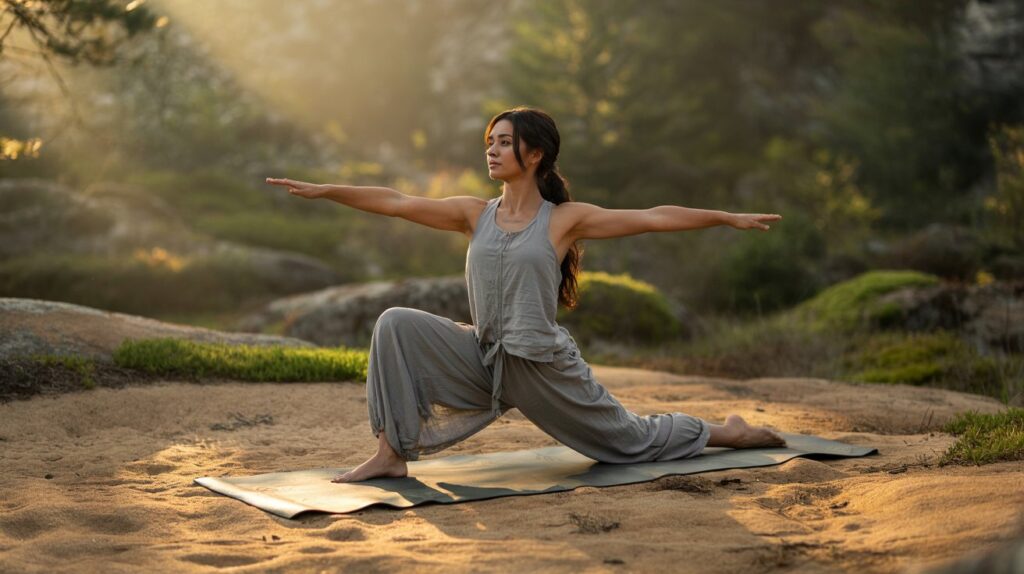
When choosing a mat for sweaty-hand practice, aesthetic and design features might feel like an afterthought — but they actually play a bigger role in your daily consistency than most people realize. A mat you genuinely like using can boost motivation, reflect your personal style, and even support better alignment and focus during practice.
Design elements to look for:
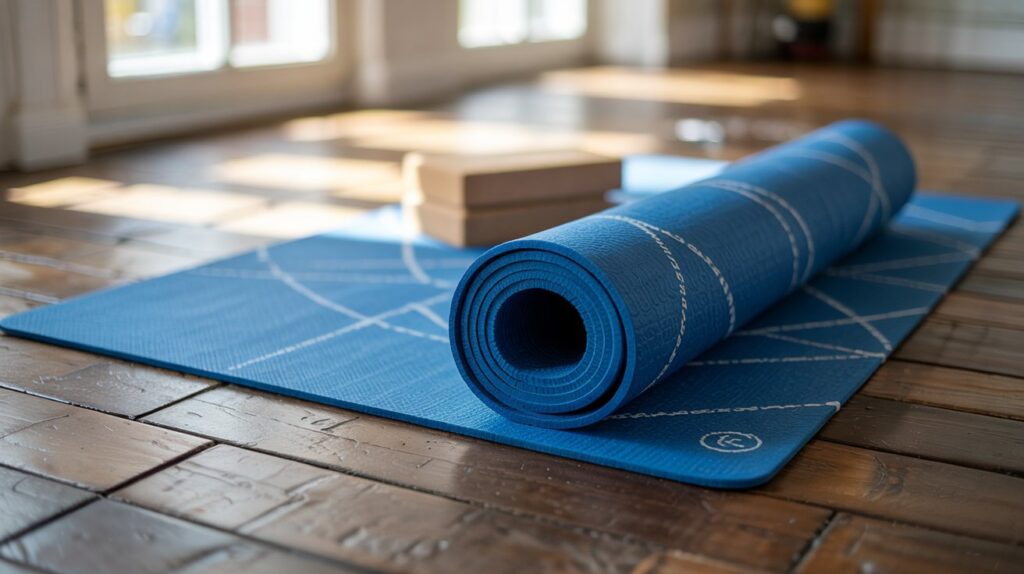
- Alignment guides and markers: Some mats feature printed or subtly textured lines to help you centre your hands and feet or maintain posture. These cues can be particularly helpful when focusing on grip under sweaty-hand conditions. For example, one eco-rubber mat incorporates horizontal and diagonal lines for various body sizes.
- Texture and surface finish: The visual design often correlates with performance. Mats with a clean, minimalist surface may use premium materials and textured finishes that enhance grip. Even if the pattern is subtle, the texture can help your hands stay planted. Sources note that moisture-absorbing top layers are important for sweaty-hand practices.
- Color, pattern, and branding: The look of the mat matters for personal preference. Whether you like bold colours, muted tones, or graphic prints, the aesthetic should make you feel confident unrolling it. But don’t sacrifice performance: the design should support—not hinder—your grip and stability.
- Edge finish and durability of design: A mat with crisp edges, consistent patterning, and high-quality printing or texture will generally hold up better over time—important when you practice frequently and your hands sweat.
- Branding and reversibility: Some premium mats use reversible designs or dual-textures (smooth side vs. textured side), giving you design flexibility and added life span. One example mentions mats rated highly for both grip and eco-materials that also emphasise alignment systems.
Why this matters for sweaty-hand practice:
- When your hands are sweaty, you’ll want a surface that visually and tactilely invites your grip. Clear texture and well-executed design increase your confidence to engage without slipping.
- A mat you love the look of is more likely to be used consistently, rolled out regularly, and cared for—meaning its non-slip performance will remain strong.
- If the design supports alignment (markers, visuals), you’ll spend less mental energy fixing your pose and more on the flow—helping you stay present even when gripping hard.
10. Price and Value for Money
Price is always part of the decision when picking a yoga mat, but it shouldn’t be the only factor — especially when grip and durability are on the line for sweaty-hand practice. Rather than defaulting to the cheapest option, it pays to look closely at what you’re actually getting for your money.
Premium mats made from natural rubber, cork, or polyurethane typically cost more, and for good reason — these materials hold up better under intense, sweat-heavy sessions and simply last longer than basic foam or PVC alternatives.
That said, spending a lot isn’t the only path to good performance. Plenty of mid-range mats strike a solid balance between affordability, comfort, and non-slip reliability, making them a smart pick for everyday practice.
When weighing value, keep these factors in mind:
- Grip quality — Does it hold traction once your hands start sweating?
- Durability — Will it still perform well after months of consistent use?
- Ease of cleaning — Can you wipe it down quickly after each session?
- Brand reputation and warranty — Does the company stand behind what it sells?
At the end of the day, the right mat is the one that delivers dependable grip, lasting durability, and comfort — all within a budget you’re comfortable with. A well-chosen mat pays off over time, both in performance and in how long it lasts.
11. Top Recommendations: Best Yoga Mats for Sweaty Hands in 2025
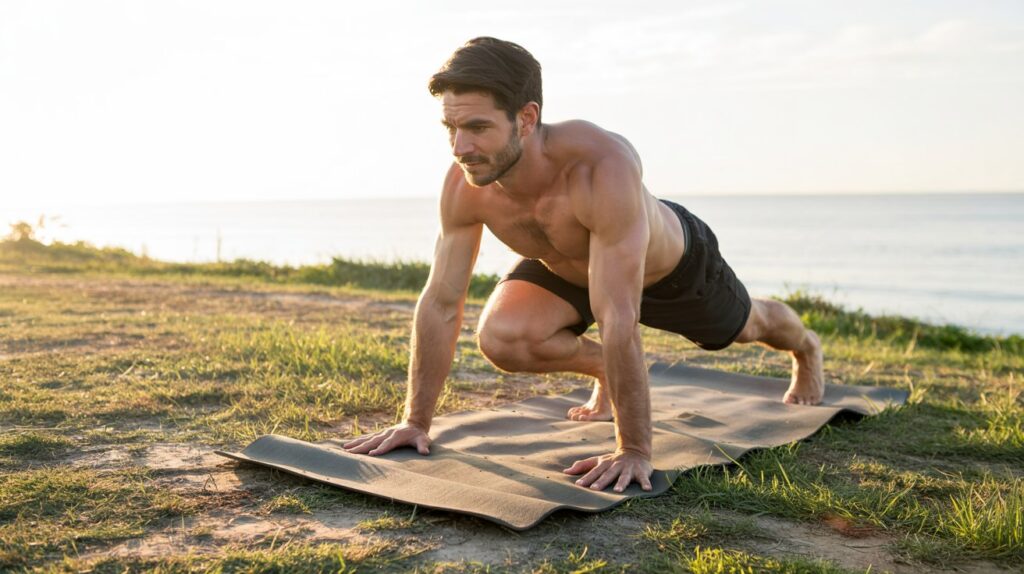
Finding the right yoga mat that supports your grip, absorbs sweat, and provides stability can completely transform your practice. Below are some of the best yoga mats for sweaty hands in 2025, chosen for their reliable traction, durability, and comfort. Each option is designed to help you stay confident and slip-free, even during the most intense sessions.
1. Liforme Yoga Mat
Key Features:
- Made from eco-friendly natural rubber.
- Unique alignment guide helps improve posture.
- Excellent wet and dry grip for sweaty hands.
Why It’s Great: Liforme mats are known for their superior traction and cushioning, making them a reliable choice for hot yoga and high-intensity sessions.
2. Manduka GRP Adapt Mat
Key Features:
- Open-cell PU top layer absorbs moisture effectively.
- Cushioning provides support for joints.
- Odor-resistant and easy to clean.
Why It’s Great: This mat stays grippy even when completely drenched, perfect for yogis who sweat heavily.
3. Jade Harmony Yoga Mat
Key Features:
- Natural rubber material for excellent grip.
- Great balance of firmness and cushioning.
- Sustainable brand—plants a tree for every mat sold.
Why It’s Great: The surface texture provides outstanding traction while maintaining eco-friendly values.
4. Gaiam Dry-Grip Yoga Mat
Key Features:
- Designed specifically for hot yoga.
- Moisture-wicking topcoat keeps surface dry.
- Lightweight and portable.
Why It’s Great: Affordable, durable, and ideal for anyone looking for strong grip without a heavy mat.
5. Yoloha Cork Yoga Mat
Key Features:
- Natural cork top layer with rubber base.
- Anti-microbial and naturally non-slip when wet.
- Eco-friendly and odor-resistant.
Why It’s Great: The cork surface improves grip as you sweat, offering a natural and sustainable solution for sweaty-hand practitioners.
6. Lululemon The Mat 5mm
Key Features:
- Dual-sided design for grip and cushioning.
- Polyurethane top layer absorbs moisture quickly.
- Simple to clean and long-lasting.
Why It’s Great: Offers premium stability and balance, ideal for both slow flows and dynamic sequences.
7. IUGA Pro Non-Slip Yoga Mat
Key Features:
- Made from eco-friendly PU and rubber.
- Excellent sweat absorption and cushioning.
- Comes with a carrying strap for convenience.
Why It’s Great: A perfect mix of performance and portability for everyday yogis.
Final Thoughts
Each mat on this list brings its own blend of traction, comfort, and durability — the core qualities that define a great choice for sweaty-hand practice in 2026. The best fit for you comes down to a few personal factors: your yoga style, how heavily you sweat, and how often you practice. Get that match right, and your mat becomes something you barely think about — just grounded, secure, and fully present in every pose.
12. Buying Guide: How to Choose the Best Yoga Mat for Sweaty Hands
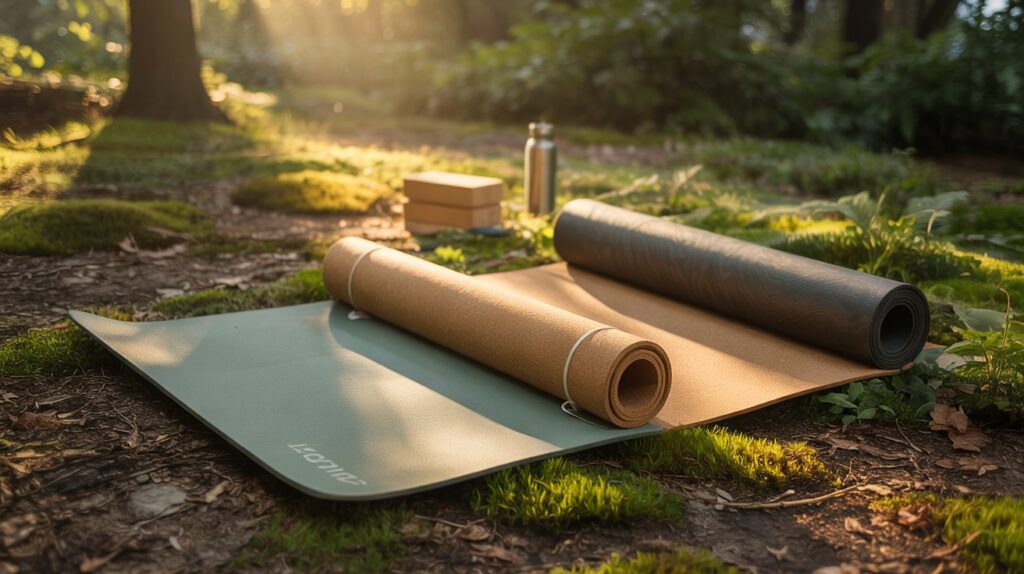
Choosing the right mat when your hands sweat a lot takes a bit more thought than a standard pick. Here’s a clear guide to help you select the ideal option for your slippery-hand practice by focusing on key features that matter most.
1. Prioritise Strong Traction
Since your palms get sweaty, you’ll want a surface that maintains grip under moisture. Look for mats with textured tops, open-cell materials, or natural rubber surfaces. Studies highlight that mats designed for sweaty practices include moisture-absorbing structures that prevent slipping.
Test this by running your hand over the surface when dry and lightly damp—if it still feels stable, that’s a good sign.
2. Choose the Right Material
The material influences both grip and durability. Natural rubber, cork-top, or PU coated mats often perform well for sweaty-hand conditions. On the other hand, simple foam or standard PVC may struggle under heavy moisture.
Also check for any allergies (e.g., latex) and whether the material will hold up to frequent cleaning and use.
3. Balance Thickness with Stability
You need enough cushioning to support joints, but too much padding can reduce your connection to the floor—making holds less stable.
For sweaty-hand sessions, a mid-thickness (around 4-6 mm) often works best: enough comfort, but stable enough to hold strong grip.
4. Consider Size and Layout
Ensure the mat is long and wide enough so that when you spread out your arms or legs, your limbs stay on the mat surface. This matters more when your hands are sliding or you’re adjusting during poses.
Also consider portability if you go to studio or travel: the easier the mat is to carry, the more likely you’ll use it consistently.
5. Maintenance & Cleaning
Sweat demands more cleaning. Choose a mat that’s easy to wipe down, dries quickly, and doesn’t get damaged by moisture. Some materials soak up moisture (which helps grip) but need deeper cleaning; others repel moisture but may feel a bit slick when dry.
Check manufacturer cleaning instructions, so you keep the mat in top condition and maintain its non-slip surface.
6. Eco-Friendly and Sustainability Considerations
If environmental impact matters to you, pick mats made from biodegradable or recyclable materials—natural rubber, cork, or TPE (thermoplastic elastomer) are good choices. These options often provide excellent grip for sweaty hands too, so you don’t have to compromise.
Being sustainable doesn’t mean giving up performance—just make sure you check the specs.
7. Budget vs. Value
There’s a wide price range in mats. The key is to match how much you practice, how much you sweat, and how much portability or durability you need.
If you’re doing a lot of hot yoga, sweating heavily, and want long-term performance, spending a bit more can pay off. If you practice casually or rarely sweat, mid-range might suffice.
The goal is not just a low price—it’s value: strong grip, good material, and durability.
8. Final Checklist Before You Buy
- Try or feel the surface—does your hand feel grippy when slightly damp?
- Check the material specs and whether it’s designed for sweaty-hand conditions.
- Look for confirmation of durability: how thick/dense is the mat, how the surface holds up.
- Consider portability and usage environment (studio, home, travel).
- Review cleaning/maintenance instructions from the manufacturer.
- Compare budget vs. long-term use—if the mat lasts you years and prevents slipping, it likely gives great value.

FAQs About Best Yoga Mats for Sweaty Hands
Which yoga mat provides the best grip for sweaty hands?
Mats made from natural rubber or polyurethane (PU) offer the strongest grip for sweaty hands. These materials maintain traction even when damp, ensuring stability and safety during intense sessions.
Are cork yoga mats good for people who sweat a lot?
Yes, cork yoga mats are excellent for heavy sweaters. The surface becomes even grippier with moisture, and it’s naturally antimicrobial keeping your mat fresh and odor-free.
How do I keep my yoga mat from becoming slippery?
Regular cleaning is key. Wipe your mat after each session with a mild cleaner to remove sweat and oils. Choosing a textured, non-slip surface also helps prevent slipping during practice.
What thickness is best for a yoga mat if my hands sweat?
A 4–6 mm thick mat is ideal. It offers a balance between cushioning and stability, helping you maintain a firm grip and proper alignment during poses.
Can I use a yoga towel instead of buying a special mat?
You can use a yoga towel for extra grip, especially in hot yoga, but a mat designed for sweaty hands provides better traction and comfort. Combining both can give you the most secure, slip-free experience.
Conclusion
Practicing yoga with sweaty hands doesn’t have to hold you back — the right mat changes everything. A quality non-slip surface keeps you balanced, focused, and confident through every pose, no matter how intense the session gets. When making your choice, weigh grip strength, material durability, comfort, and ease of cleaning together, since these are what determine long-term performance and satisfaction.
At the end of the day, choosing a mat built for sweat-prone hands is about more than just avoiding slips — it’s about elevating your entire practice. Get the choice right, and you’ll notice better stability, added safety, and a smoother flow every time you step onto your mat. For more tips on finding the perfect setup for your practice, explore our full collection of yoga mat guides.