Introduction
Finding good yoga mats for beginners can make a huge difference in how enjoyable and effective your practice feels. The right mat provides comfort, stability, and support, helping you focus on your poses instead of slipping or feeling discomfort.
With so many options available, choosing the best one can feel overwhelming — but it doesn’t have to be. In this guide, we’ll explore the key factors that make a yoga mat suitable for beginners, from material and grip to durability and value for money. Once you’ve found the right mat, pairing it with a well-designed yoga mat gym bag makes it even easier to carry your practice with you. Whether you’re just starting out or building a home practice, this guide will help you find a mat that supports your journey from the very first pose.
Table of Contents
1. Material and Texture
When looking for a beginner-friendly yoga mat, the material and texture are two of the most important factors to consider. These elements determine how the mat feels under your hands and feet, how much grip it provides, and how long it lasts.
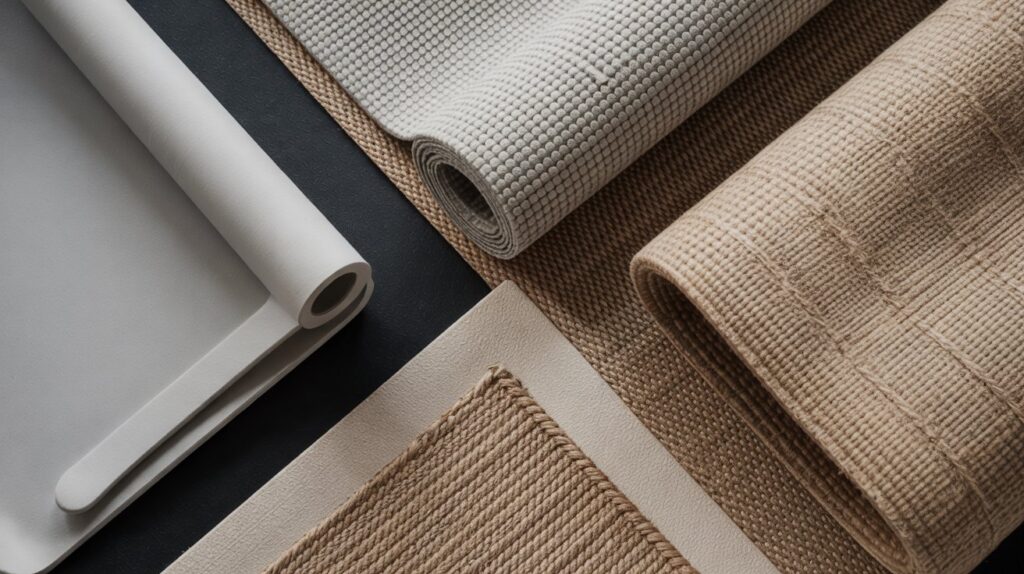
Yoga mats are made from various materials, each offering unique benefits:
- PVC (Polyvinyl Chloride): A common choice for beginners because it’s affordable, durable, and offers excellent grip. However, it’s not the most eco-friendly option.
- TPE (Thermoplastic Elastomer): Lightweight, non-toxic, and more environmentally friendly than PVC. TPE mats provide a soft texture and good traction, making them ideal for new practitioners.
- Natural Rubber: Offers superior grip and cushioning, perfect for stability during poses. It’s biodegradable and suitable for those seeking an eco-conscious choice.
- Cork or Jute: These natural materials provide a firm surface with good grip, especially when slightly moist, and are great for people who prefer an organic feel.
The texture of a mat affects your comfort and traction during practice. A smooth texture allows easy transitions between poses, while a textured surface helps prevent slipping — especially useful once you’re ready to carry your mat to the studio in a proper yoga mat bag and start building a consistent routine.
2. Thickness and Cushioning
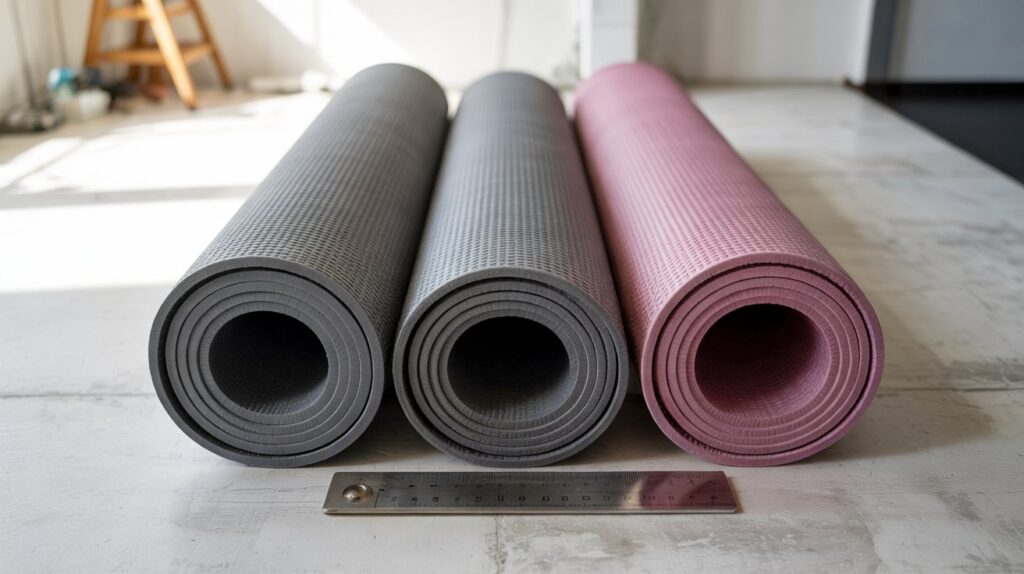
When selecting good yoga mats for beginners, thickness and cushioning play a vital role in ensuring comfort and stability during practice. A mat that’s too thin may cause discomfort on hard floors, while one that’s too thick can make balancing poses more difficult. Finding the right balance is key for beginners.
Most yoga mats range between 3mm to 6mm in thickness:
- 3mm mats are lightweight and great for stability. However, they may not provide enough cushioning for sensitive joints.
- 4mm to 5mm mats offer a good balance of comfort and firmness, making them one of the best options for beginners.
- 6mm or thicker mats provide extra cushioning, ideal for those with knee or wrist sensitivity or those who prefer gentler yoga styles.
The cushioning of a mat depends not only on its thickness but also on the material. For example, TPE and natural rubber mats often feel softer and more supportive than PVC mats of the same thickness.
3. Grip and Non-Slip Performance
When choosing good yoga mats for beginners, grip and non-slip performance are essential for maintaining stability and safety during practice. A mat with strong grip prevents slipping, allowing beginners to focus on proper posture and balance rather than worrying about sliding hands or feet.
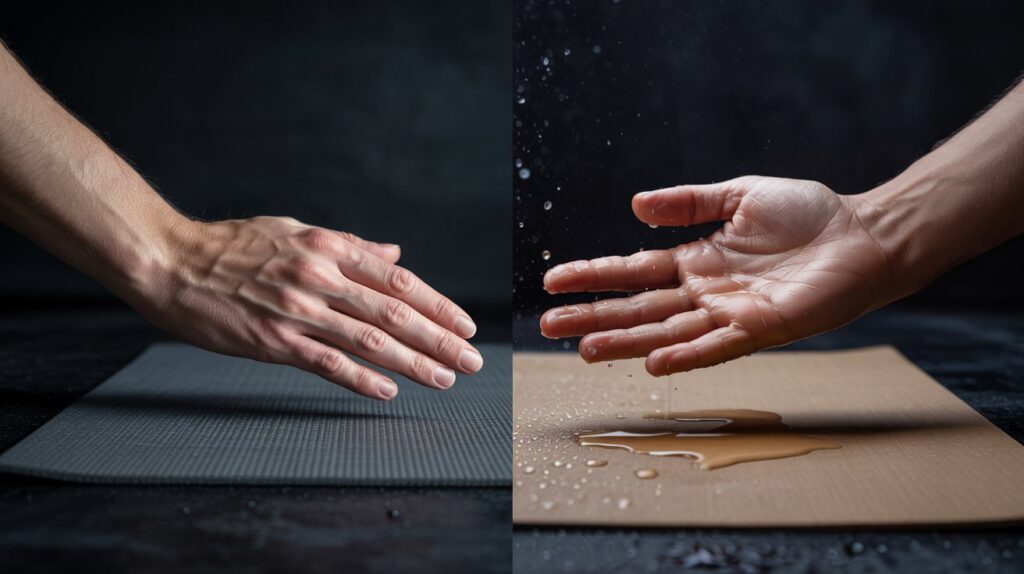
The grip of a yoga mat depends largely on its material and surface texture. Mats made from natural rubber or TPE generally offer excellent traction on both dry and slightly sweaty surfaces. PVC mats, while durable, may become slippery when wet, so they’re best for those who practice in cooler or less intense sessions.
There are two types of grip to consider:
- Dry grip: Important for slow-paced yoga styles like Hatha or Yin yoga. Look for mats with a slightly textured or sticky surface for better hold.
- Wet grip: Essential for hot yoga or high-intensity sessions. Mats with open-cell surfaces or natural rubber tend to absorb moisture and provide secure footing.
4. Comfort and Support
When it comes to choosing an entry-level yoga mat, comfort and support are two key features that can make a big difference in your yoga experience. A comfortable mat allows you to stay focused on your breathing and posture instead of feeling discomfort in your knees, wrists, or back.
Comfort is mainly determined by the mat’s thickness, material, and texture. A mat with soft cushioning provides a pleasant surface for seated and lying poses, while still offering enough firmness for balance poses. Materials like TPE and natural rubber are great options because they deliver both softness and stability.
Support refers to how well the mat absorbs pressure and maintains balance. For beginners, proper support helps prevent joint strain and encourages correct alignment during poses. Mats with medium thickness (around 4mm to 6mm) are often ideal because they offer the right amount of padding without feeling too spongy.

5. Size and Dimensions
When selecting a yoga mat as a new practitioner, size and dimensions are important factors that influence both comfort and convenience during practice. The right size ensures your entire body fits on the mat, allowing you to move freely without feeling restricted.
The standard yoga mat size is around 68 inches (173 cm) long and 24 inches (61 cm) wide, which works well for most people. However, if you’re taller than average or prefer extra space, consider mats that are 72–74 inches (183–188 cm) long or 26–28 inches (66–71 cm) wide. These larger mats provide more room for stretching and ensure better coverage during poses like Savasana or lunges.
Thickness also plays a role in overall size perception—thicker mats may feel bulkier to carry, while thinner ones are easier to roll and store. Beginners who practice at home can opt for a slightly wider or longer mat for added comfort, while those who travel or attend classes might prefer standard-sized mats for portability.
6. Portability and Weight
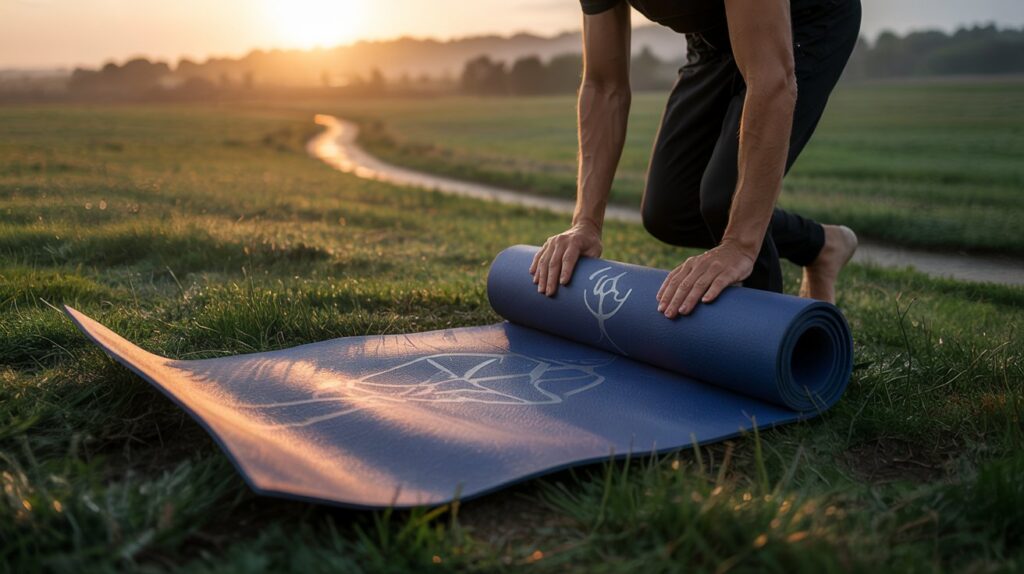
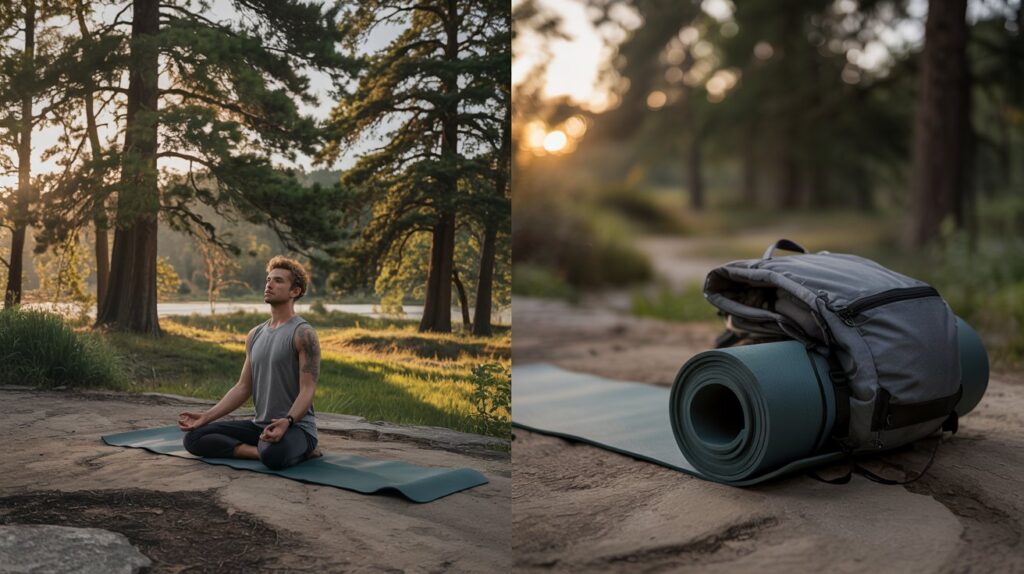
When looking for a yoga mat suited to beginners, portability and weight are essential considerations, especially if you plan to carry your mat to classes or outdoor sessions. A portable mat makes it easier to stay consistent with your practice wherever you go — and consistency is what actually delivers yoga’s long-term benefits, from better flexibility to improved stress management.
Lightweight yoga mats are ideal for beginners who prefer convenience and mobility. Mats made from TPE or thin PVC materials are easy to roll up, carry, and store without adding much bulk. Many brands also include carrying straps or yoga mat bags, which make transportation even more convenient.
However, while lightweight mats are easy to handle, they may offer slightly less cushioning than heavier ones. If you need extra joint support, choose a mat that balances weight and comfort — for example, a 4mm to 5mm TPE mat provides good padding while remaining light enough to carry.
For home practice, weight is less of a concern, but for travel or studio use, a beginner’s mat should be light, compact, and quick to pack. The right combination of portability and performance ensures your mat is always easy to take with you — helping you maintain your yoga routine anywhere, anytime.

7. Durability and Longevity
When choosing a long-lasting yoga mat for your practice, durability is a key factor that determines how well your mat holds up over time. A durable mat not only saves you money in the long run but also ensures a consistent and safe practice experience.
The material of a yoga mat greatly affects its lifespan. PVC mats are known for their long-lasting nature and resistance to wear, making them a practical choice for regular use. TPE and natural rubber mats, while eco-friendly and comfortable, may show signs of wear sooner if not cared for properly.
Durability also depends on how often and where you practice. Frequent outdoor sessions or high-intensity yoga styles can wear down mats faster. To maintain longevity, always roll your mat properly, avoid prolonged exposure to sunlight, and clean it regularly to prevent material breakdown.
8. Ease of Cleaning and Maintenance
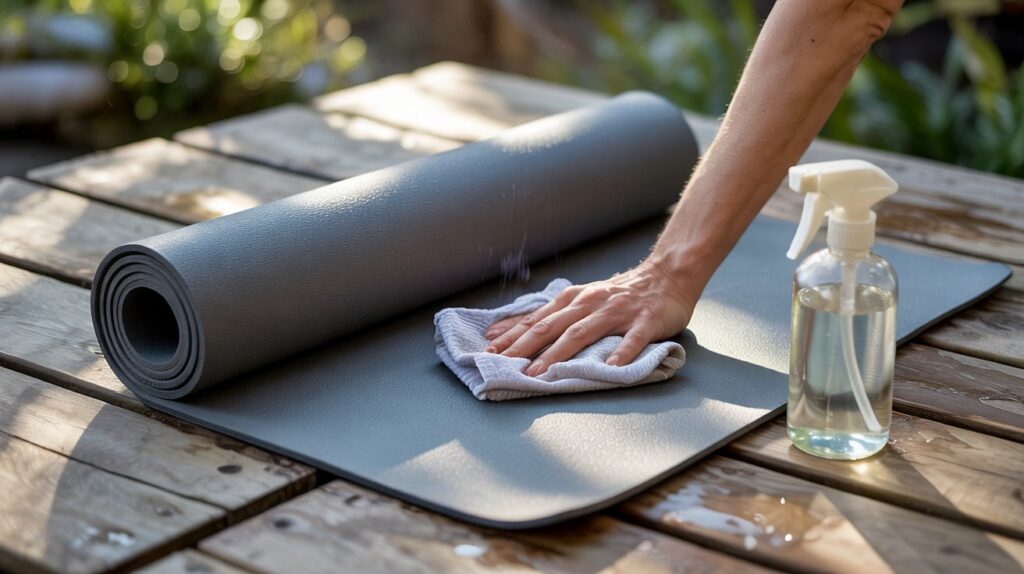
When selecting a mat as a first-time yogi, ease of cleaning and maintenance is an important factor that often gets overlooked. A clean yoga mat not only looks better but also promotes hygiene, prevents odor, and extends the life of the mat.
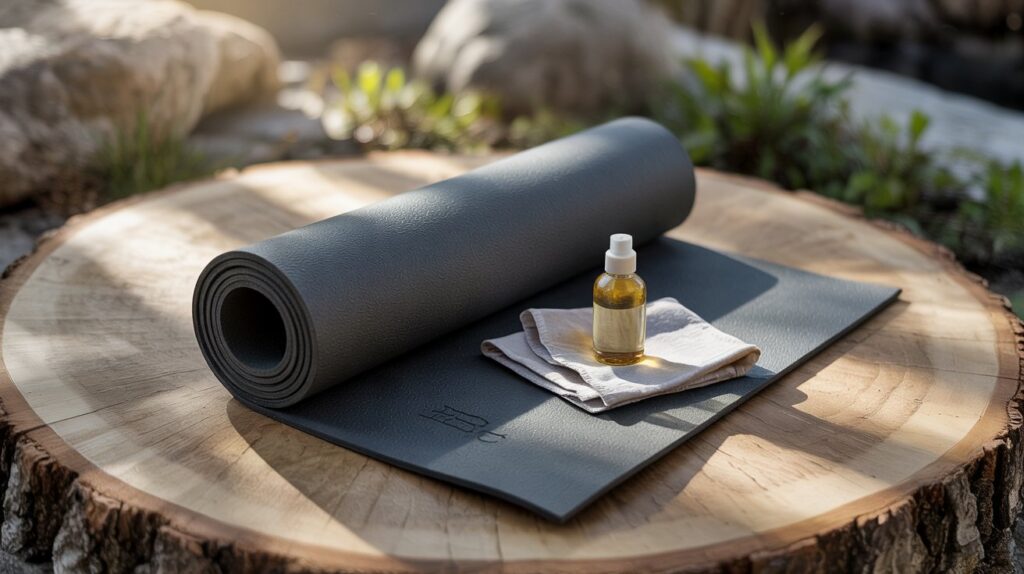
Yoga mats absorb sweat, dust, and oils from your skin, especially during regular use. To maintain freshness, choose a mat made from materials that are easy to wipe and quick-drying, such as TPE or PVC. These materials resist moisture and can be cleaned with a simple mixture of mild soap and water.
For natural rubber or cork mats, it’s best to use gentle, natural cleaners, as harsh chemicals can damage the surface. Always let your mat air dry completely before rolling it up to prevent mold or mildew.
Some brands even offer machine-washable mats or mats with removable covers, which can be a great convenience for beginners.
9. Eco-Friendliness and Sustainability
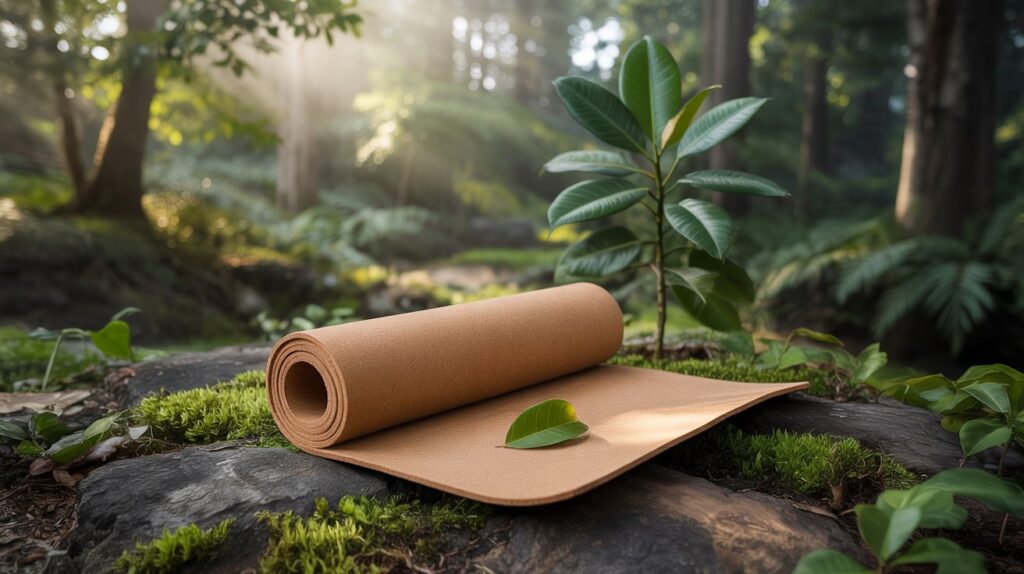
In today’s world, many new practitioners look for a beginner yoga mat that’s also eco-friendly and sustainable. Choosing an environmentally conscious mat not only supports your health but also contributes to the well-being of the planet.
Eco-friendly yoga mats are typically made from natural, biodegradable, or recyclable materials such as natural rubber, cork, jute, or organic cotton. These options are free from toxic chemicals, PVC, and latex, making them safe for both your skin and the environment.
Sustainable mats also tend to have a non-toxic manufacturing process, reducing harmful emissions and waste. Some brands even use recycled materials to produce durable mats that maintain high performance while being environmentally responsible.
While eco-friendly mats may cost slightly more, they offer long-term value in terms of quality and ethical impact. For beginners, investing in such a mat means starting your yoga journey with mindfulness not just toward your body, but toward nature as well.
10. Price and Value for Money
When choosing among budget-friendly options for new yogis, understanding how price relates to value is crucial. You don’t always need the most expensive mat — but you do want one that gives the features you’ll actually use.
Price ranges and what to expect
- Entry-level mats (around $10–$30) tend to use more basic materials like PVC, have simpler features, and may have less durability.
- Mid-range mats (approximately $30–$60) often offer better materials (TPE, natural rubber blends), improved grip, and longer life.
- Premium mats ($60, $100+, or more) may bring top-tier materials, eco-friendly manufacturing, special textures, and brand guarantees.
What “value for money” really means
For a beginner, a good value mat means the price you pay is justified by:
- Enough comfort & support so you’ll actually enjoy your practice
- Adequate grip and safety so you won’t slide and get frustrated
- Reasonable durability, so you don’t have to replace it shortly
- Materials you’re comfortable with (including eco- or non-toxic options if you prefer)
How to pick the right budget for you
- If you practice only occasionally, a lower-cost mat may suffice—get one of the “good yoga mats for beginners” that covers basic needs.
- If you plan to practice regularly, invest a bit more so you won’t outgrow the mat quickly.
- Consider hidden costs: a very cheap mat may lack durability, meaning you’ll spend more over time replacing it.
- Check for shipping, return policy, warranty—these also add to the real value.
Tips to maximize value
- Look for discount periods or sales—higher quality mats sometimes go at good deals.
- Read reviews from other beginners: do they feel the mat is worth the price?
- Prioritize the features you care most about (comfort, grip, eco-material) and be willing to skimp on less important ones.
- Remember: a “good yoga mat for beginners” isn’t necessarily the cheapest—but one that meets your needs without too many compromises.
FAQs
Can I use the same yoga mat for hot yoga and regular yoga as a beginner?
It’s possible, but not ideal. Hot yoga generates a lot of sweat, so you’ll want a mat with strong wet grip — natural rubber or an open-cell TPE surface works best. A standard mat that’s great for regular practice may become slippery once it’s damp, so beginners who plan to try both styles should look for a mat rated for both dry and wet performance.
How do I know when it’s time to replace my yoga mat?
Look for visible signs like flaking material, a smooth spot where grip used to be, permanent odor that won’t wash out, or thinning that reduces cushioning. Most beginner mats last 1–3 years with regular use, depending on material and care. If you’re constantly slipping or feeling more joint discomfort than before, it’s a good sign the mat has worn out.
Do I need a yoga towel in addition to a mat?
Not necessarily, but it can help. A yoga towel adds extra grip and absorbs sweat during intense or hot sessions, especially useful if your mat’s wet grip isn’t strong. For beginners doing gentle or low-intensity practice, a good mat alone is usually enough.
Are PVC yoga mats safe to use?
Yes, PVC mats are safe for regular use and remain one of the most durable, affordable options for beginners. The main concern for some users is environmental impact rather than personal safety, since PVC isn’t biodegradable. If sustainability matters to you, TPE or natural rubber are better alternatives.
Can beginners use a thin travel yoga mat as their main mat?
It’s possible, but travel mats (usually 1.5mm–2mm) are designed for portability, not daily cushioning. Beginners who practice at home regularly are better off with a 4mm to 6mm mat for proper joint support, and keeping a thinner travel mat as a secondary option for trips or classes.
Conclusion
Choosing a good yoga mat for beginners is the first step toward practicing with confidence and comfort. The right mat gives you the grip, support, and stability to learn poses safely.
Weigh factors like material, thickness, grip, size, and durability — look for something soft yet stable, easy to carry, and simple to clean. A good beginner mat doesn’t need to be expensive; it just needs to fit your needs. Pair it with a well-designed yoga mat gym bag to carry your practice anywhere.