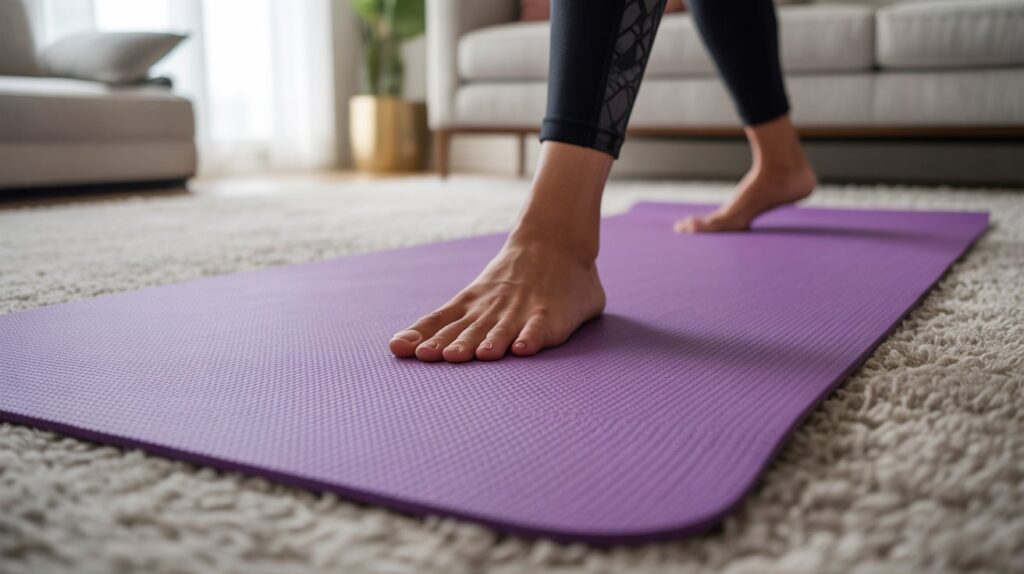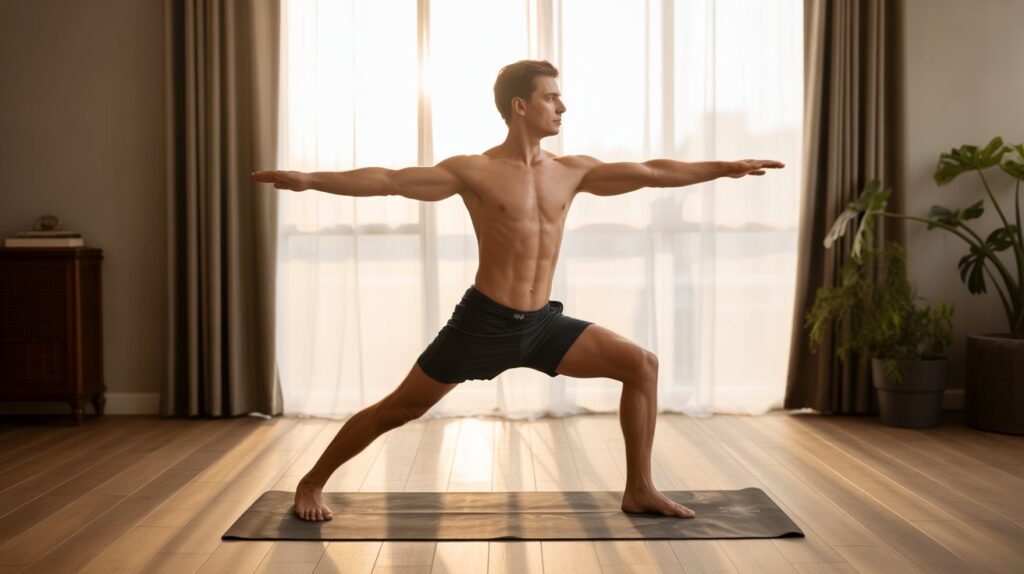
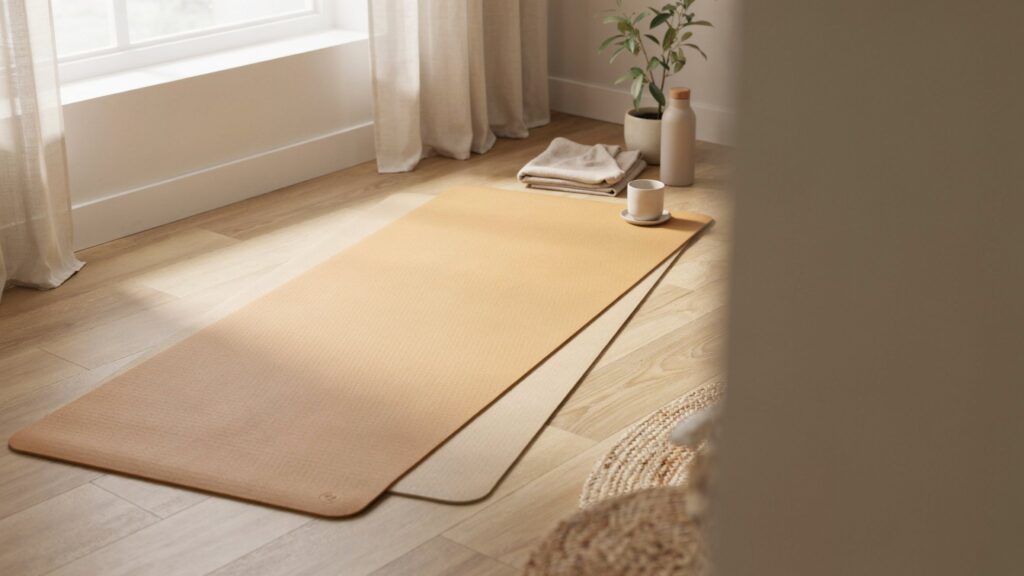
Choosing a yoga mat involves more than finding a comfortable surface. You need enough cushioning for floor poses, reliable traction for movement, and a design that suits your regular practice. The Hugger Mugger Tapas Ultra Yoga Mat is designed for people who want extra padding without moving to an unusually thick exercise mat.
With its 1/4-inch thickness, traditional sticky surface, and lightweight construction, this mat offers a practical option for home workouts and studio sessions. However, its cushioning and grip may not suit every yoga style or personal preference.
This guide explores the Hugger Mugger Tapas Ultra yoga mat’s size, construction, cushioning, grip, and care requirements. You’ll also learn about its key benefits, potential drawbacks, and suitability for different yoga styles so you can decide whether it matches your practice needs.
Table of Contents
What Is the Hugger Mugger Tapas Ultra Yoga Mat?
The Hugger Mugger Tapas Ultra is a cushioned yoga mat designed for practitioners who prefer a softer surface than a traditional thin mat provides. Its added thickness offers extra padding for floor-based movements, seated poses, and exercises that put pressure on the knees or hips.
Unlike mats made specifically for hot yoga or travel, the Tapas Ultra focuses on everyday comfort and versatility. Its traditional sticky surface makes it suitable for several common yoga styles, depending on your grip and cushioning preferences.
The mat may appeal to beginners who want additional padding, experienced yogis who spend more time in floor poses, and home users who practice on hardwood or tile. If you’re unsure how much padding your routine requires, our guide to choosing the right yoga mat thickness explains how thickness affects cushioning, balance, and comfort.
However, a thicker mat is not automatically the right choice for everyone. Grip, stability, body proportions, and personal comfort all play a role in finding a suitable yoga mat.
What Are the Main Features of the Tapas Ultra Yoga Mat?
The Tapas Ultra combines a few practical features rather than relying on complicated design elements. Its main selling points are extra cushioning, a sticky practice surface, manageable weight, and a familiar rectangular shape.
Here are the key specifications to consider.
| Feature | Details |
| Brand | Hugger Mugger |
| Mat thickness | 1/4 inch (approximately 6 mm) |
| Listed dimensions | 68 x 24 inches |
| Weight | Approximately 2.7 pounds |
| Material | PVC |
| Surface | Traditional sticky texture |
| Main benefit | Extra cushioning for floor poses |
| Typical use | Home practice and yoga studios |
| Origin | Listed by the manufacturer as made in the USA |
Product details may differ between models or listings, so review the manufacturer’s current specifications to verify the mat’s size and materials before placing your order.
Extra Thickness for Everyday Comfort
The mat’s 1/4-inch thickness provides more padding than a standard 1/8-inch yoga mat. That additional material can make kneeling, sitting, and lying down more comfortable, particularly when practicing on a hard floor.
The cushioning may also help reduce the discomfort associated with direct contact between bony areas and the floor. However, it does not guarantee pain relief or replace appropriate modifications when a pose causes discomfort.
Traditional Sticky Surface
The Tapas Ultra uses a sticky-style surface intended to help hands and feet remain in position during yoga movements. This can be useful during controlled transitions and poses that require steady foot placement.
Grip depends on several factors, including perspiration, skin moisture, cleaning residue, and the condition of the mat. People who sweat heavily may need a yoga towel or a surface designed specifically for wet-grip performance.
Lightweight Construction
At approximately 2.7 pounds, the mat is relatively manageable to carry compared with many heavier, dense rubber mats. Its weight makes it practical for taking to a local studio or moving between rooms at home.
Although it is portable enough for routine transport, it is not as thin or compact as a dedicated travel yoga mat.
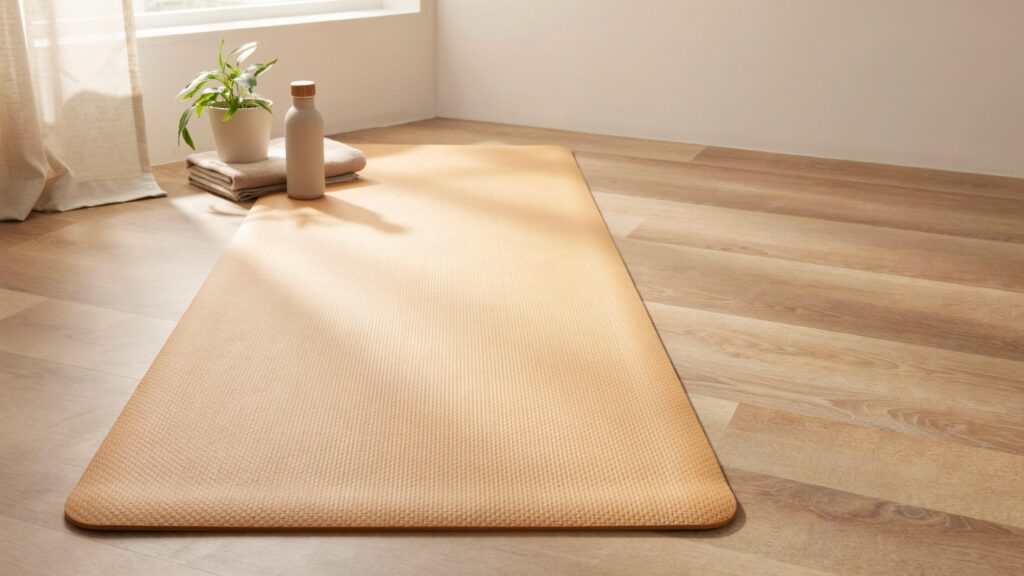
How Comfortable Is the Tapas Ultra During Yoga?
Comfort is one of the main reasons to consider the Hugger Mugger Tapas Ultra Yoga Mat. Its additional padding creates a softer barrier between your body and the floor, which can be helpful during poses that involve direct pressure on the knees, hips, elbows, or spine.
For example, someone practicing Child’s Pose, seated stretches, or gentle supine movements may appreciate having more cushioning beneath the body. The mat can also make floor-based warm-ups and cool-downs feel more comfortable.
However, comfort is subjective. A person who prefers a firm connection with the floor may find a thinner mat more suitable, while someone who values additional padding may appreciate the Ultra’s construction.
Is It Suitable for Sensitive Knees?
The extra thickness may improve comfort for people who find kneeling positions unpleasant on hard flooring. It can provide a useful layer between the knees and the ground during poses such as Low Lunge or tabletop variations.
Still, cushioning alone does not resolve every cause of knee discomfort. You may need to adjust your alignment, reduce the range of motion, or use a separate folded blanket for additional support.
If a pose causes persistent or sharp pain, stop the movement and seek appropriate professional guidance rather than relying on a thicker mat.
Does the Cushioning Affect Balance?
Yes, extra cushioning can affect how stable a yoga mat feels during standing poses. A softer surface may compress beneath your feet, making it harder to maintain a firm connection with the floor.
You may notice this during Tree Pose, Warrior III, and other movements that require balance on one leg.
The Tapas Ultra is not automatically unstable, but its cushioned feel may take some getting used to if you normally practice on a thinner mat. Beginners should start balance poses slowly and choose a surface that feels secure underfoot.
For a clearer understanding of how padding affects stability, read our guide to 6mm yoga mats vs. other thicknesses.
How Well Does the Tapas Ultra Grip the Floor?
A yoga mat needs to stay reasonably secure under both the hands and feet. The Tapas Ultra’s sticky surface is intended to provide traction during regular practice, while its weight and construction help create a practical foundation for movement.
On a clean, dry floor, it can be suitable for controlled yoga sequences and everyday stretching. Before starting, spread the mat completely and check that it does not slide across the underlying surface.
The floor itself matters. Dust, moisture, loose rugs, and uneven flooring can affect stability even when the mat has a grippy surface.
Is It Good for Sweaty Hands?
The answer depends on how much you sweat and which poses you perform.
A traditional sticky surface may work well for people whose hands remain relatively dry. However, heavy perspiration can change the amount of traction available, particularly during Downward-Facing Dog, Plank, and flowing sequences.
If your hands become slippery during practice, consider using a compatible yoga towel or choosing a mat designed for stronger traction under sweaty conditions.
For heated yoga sessions, it is worth comparing the Tapas Ultra with mats that specifically emphasize moisture management and wet grip. Extra thickness and dry traction are useful features, but they do not automatically provide reliable grip during intense sweating.
Which Types of Yoga Are Best Suited to This Mat?
The Tapas Ultra is most appealing when comfort is an important part of your practice. Its thicker construction can work well for slower sessions and floor-based exercises, although it can also be used for other styles when its grip and cushioning meet your needs.
Restorative and Gentle Yoga
Restorative yoga often involves holding supported positions for extended periods. Extra padding can make sitting, kneeling, and lying down more comfortable during these sessions.
The Tapas Ultra can also suit gentle stretching routines in which practitioners move slowly between poses rather than performing rapid transitions.
For long restorative holds, however, a yoga bolster, blanket, or block may provide more targeted support than the mat alone.
Hatha Yoga
Hatha yoga includes standing poses, seated postures, balance work, and controlled transitions. The Tapas Ultra can be a practical option for this style because it combines cushioning with a traditional practice surface.
If your sessions include many balance-focused movements, take time to assess how the additional thickness feels beneath your feet. Some practitioners prefer a thinner mat for improved floor feedback.
Vinyasa and Dynamic Sequences
Vinyasa involves linking poses through repeated movements. The Tapas Ultra may work for moderate flows if its surface provides enough traction for your hands and feet.
However, people who prioritize a firm, close-to-the-floor feel may prefer a thinner mat. Those who sweat heavily should also consider whether the surface remains dependable throughout the session.
Pilates and General Floor Exercises
The mat may also be useful for certain Pilates movements, stretching routines, and bodyweight exercises performed on the floor.
Its cushioning can make seated or lying positions more comfortable, but it is not a replacement for every specialized exercise mat. Activities involving substantial rolling, high-impact movements, or equipment may require a different surface.
The right mat depends on your preferred pace, comfort needs, and the movements included in your routine. Harvard Health Publishing explains the differences between several common approaches in its guide to choosing a yoga style.
What Are the Advantages and Disadvantages?
Understanding the trade-offs can help you decide whether this mat matches your needs.
Advantages
- Extra cushioning: The 1/4-inch thickness offers more padding than a traditional 1/8-inch mat.
- Practical weight: At approximately 2.7 pounds, it is manageable for many studio users.
- Familiar surface: The sticky-style texture is suitable for a range of everyday yoga movements.
- Versatile use: It can accommodate gentle yoga, Hatha sessions, stretching, and selected floor exercises.
- Straightforward design: Its conventional rectangular shape fits standard yoga practice spaces.
Disadvantages
- Less floor feedback: The thicker construction may feel less direct during balance-focused poses.
- Sweat-related limitations: Heavy perspiration can affect traction on a traditional sticky surface.
- Not designed primarily for travel: Thinner mats are generally easier to fold and pack.
- Material preference: PVC may not appeal to people who specifically want natural rubber, cork, or other materials.
- Personal comfort varies: The added cushioning may feel unnecessary to practitioners who prefer a firm surface.
These points highlight why the mat should be evaluated according to your routine rather than thickness alone.
How Does the Tapas Ultra Compare With a Standard Yoga Mat?
A standard yoga mat is often around 1/8 inch thick, while the Tapas Ultra measures approximately 1/4 inch. That difference may look small on paper, but it can noticeably change the feel of a practice surface.
A thinner mat generally provides a closer connection to the floor. This can be helpful when practicing standing balances or movements that require precise foot placement.
The Tapas Ultra offers additional padding, which may be more appealing during kneeling, seated, and lying positions. It can be especially useful when your regular practice area has hard flooring.
Neither thickness is automatically better. A thinner mat may suit someone who prioritizes stability and portability, while a thicker mat may be preferable for someone who values cushioning during floor work.
When comparing options, consider surface grip, material, durability, dimensions, and the type of yoga you practice most often.
How Should You Clean and Maintain the Tapas Ultra?
Regular maintenance helps keep your mat clean and preserves its surface. Sweat, skin oils, dust, and cleaning residue can build up over time, so a simple routine is worthwhile.
Follow these general care practices:
- Wipe it after practice. Use a soft cloth with a suitable, gentle yoga-mat cleaner.
- Avoid harsh chemicals. Strong solvents and abrasive products may damage the surface.
- Use minimal moisture. Do not soak the mat or expose it to excessive water unless the manufacturer specifically permits it.
- Let it dry completely. Allow the mat to air-dry before rolling it up to help prevent trapped moisture and unpleasant odors.
- Store it properly. Keep it in a cool, dry location away from prolonged direct sunlight and excessive heat.
Before using a new cleaning product, check the manufacturer’s care instructions. Testing it on a small, inconspicuous area can help you spot any unwanted changes before cleaning the entire mat.
If persistent odors, visible damage, or reduced traction develop, reassess whether the mat is still suitable for your practice. For more maintenance advice, read our guide on how to clean a yoga mat and maintain its surface.
Is the Hugger Mugger Tapas Ultra Yoga Mat Worth Considering?
The Tapas Ultra is worth considering if you want a traditional yoga mat with extra cushioning for regular home or studio practice. Its 1/4-inch thickness, sticky-style surface, and relatively manageable weight make it a practical option for people who prefer comfort without an unusually bulky mat.
It may be particularly appealing for gentle yoga, Hatha, stretching, and floor-based movements. On the other hand, practitioners who prioritize maximum floor feedback, compact travel gear, or dependable grip during heavy sweating may want to compare alternatives before making a decision.
Your choice should reflect the movements you perform most often, the flooring beneath your mat, your preferred level of cushioning, and the materials you feel comfortable using.
Rather than choosing a mat based on thickness alone, consider how its overall design supports your practice. The right option is one that feels comfortable, provides suitable traction, and allows you to move with control.
Frequently Asked Questions
Is the Hugger Mugger Tapas Ultra Yoga Mat good for beginners?
It can be a good option for beginners who prefer extra cushioning during kneeling, seated, and floor-based poses. However, people who prioritize a firm surface for balance work may prefer a thinner mat.
How thick is the Tapas Ultra Yoga Mat?
The Tapas Ultra is approximately 1/4 inch, or 6 mm, thick. This provides more padding than a traditional 1/8-inch yoga mat.
Can you use the Tapas Ultra for hot yoga?
You can use it for some heated sessions, but its traditional sticky surface may not provide enough traction for everyone when sweat builds up. A suitable yoga towel or a mat designed for wet-grip performance may be a better choice for heavy sweating.
Is the Tapas Ultra suitable for sensitive knees?
Its additional cushioning may make kneeling poses more comfortable on hard floors. However, it cannot guarantee relief from knee pain, and persistent discomfort may require adjustments or professional guidance.
Is the Tapas Ultra easy to carry?
At approximately 2.7 pounds, it is reasonably portable for many people traveling to a local studio. However, it is thicker than a dedicated travel mat and may take up more space when packed.
How long can a Tapas Ultra Yoga Mat last?
Its lifespan depends on how frequently you practice, the type of movements you perform, and how well you maintain it. Regular cleaning, proper drying, and suitable storage can help preserve its condition.
Is PVC a good material for a yoga mat?
PVC can provide a durable, sticky surface and is commonly used in traditional yoga mats. However, people who prefer natural rubber, cork, or other materials should compare those options according to their grip, feel, maintenance requirements, and material preferences.
About the Author
Muhammad Bilal is an informational content writer with an interest in yoga, yoga equipment, and wellness-related topics. He focuses on researching product features, practical benefits, limitations, and care instructions to help readers make informed decisions. His goal is to provide clear, reader-focused content based on available information and reliable sources.