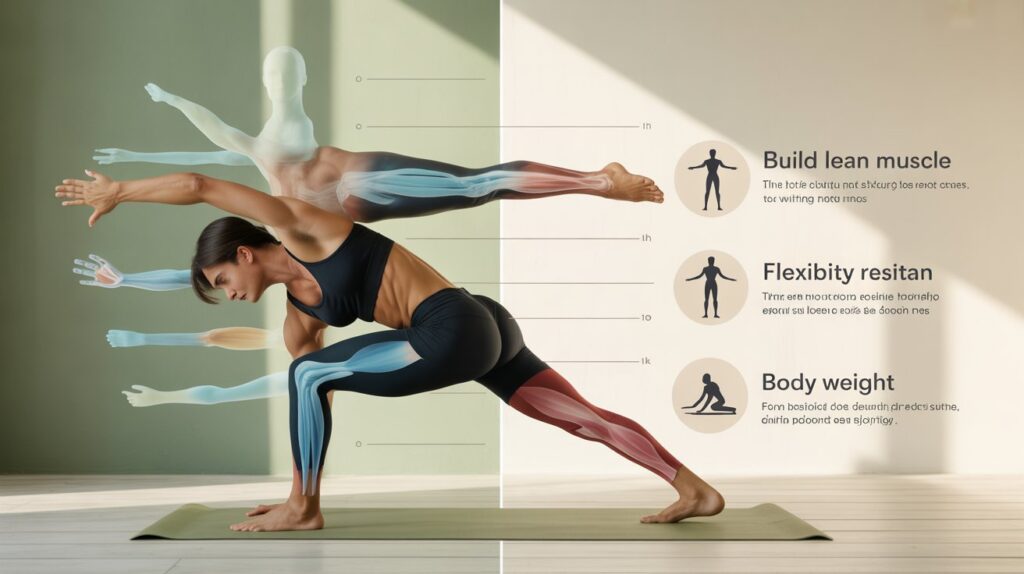
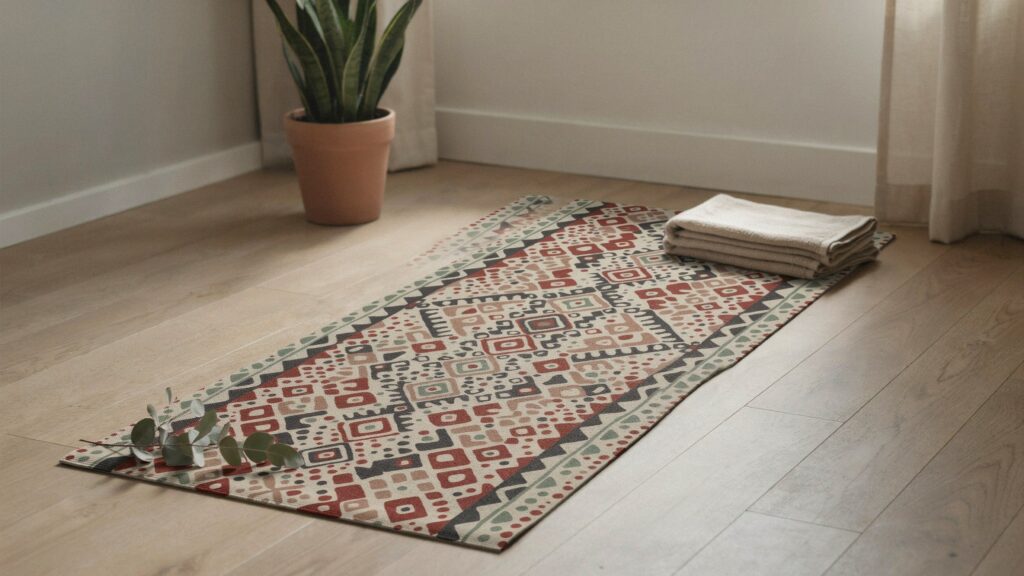
A Pendleton stylish yoga mat may appeal to people who want a distinctive design without overlooking the practical needs of their yoga routine. Its patterned appearance can add character to a home workout space, but the mat’s dimensions, cushioning, surface grip, and care requirements matter just as much.
Pendleton yoga mats feature recognizable designs, including patterns inspired by the brand’s textile heritage. However, a good-looking mat is not automatically the right choice for every practitioner. Your ideal mat will depend on your usual yoga routine, the surface you practice on, and how much cushioning feels comfortable to you.
This guide covers Pendleton yoga mat designs and patterns, comfort, thickness, traction, material, suitable yoga styles, cleaning, and potential drawbacks. It also explains what to check before choosing a patterned yoga mat for regular use.
Table of Contents
What Makes a Pendleton Stylish Yoga Mat Stand Out?
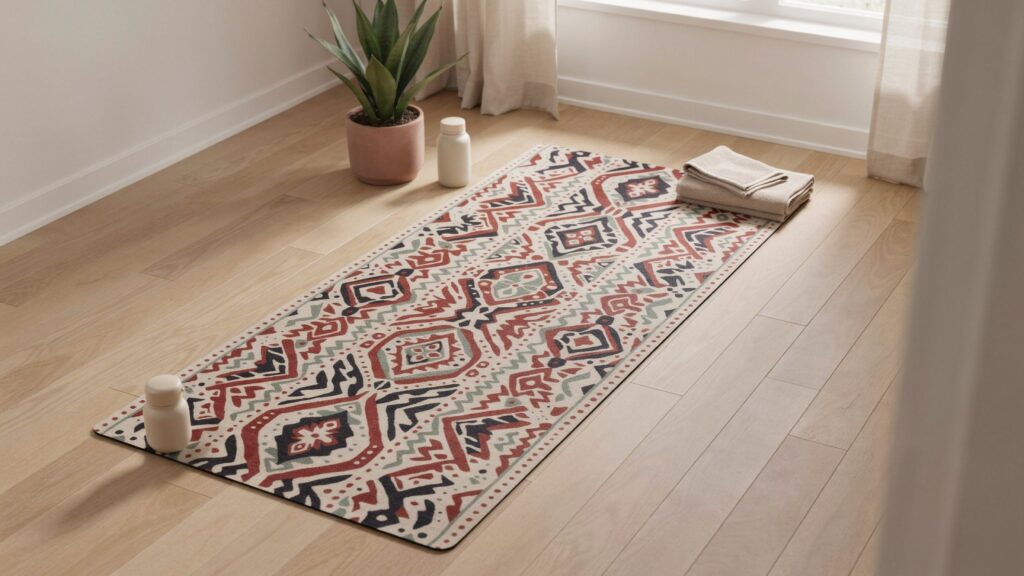
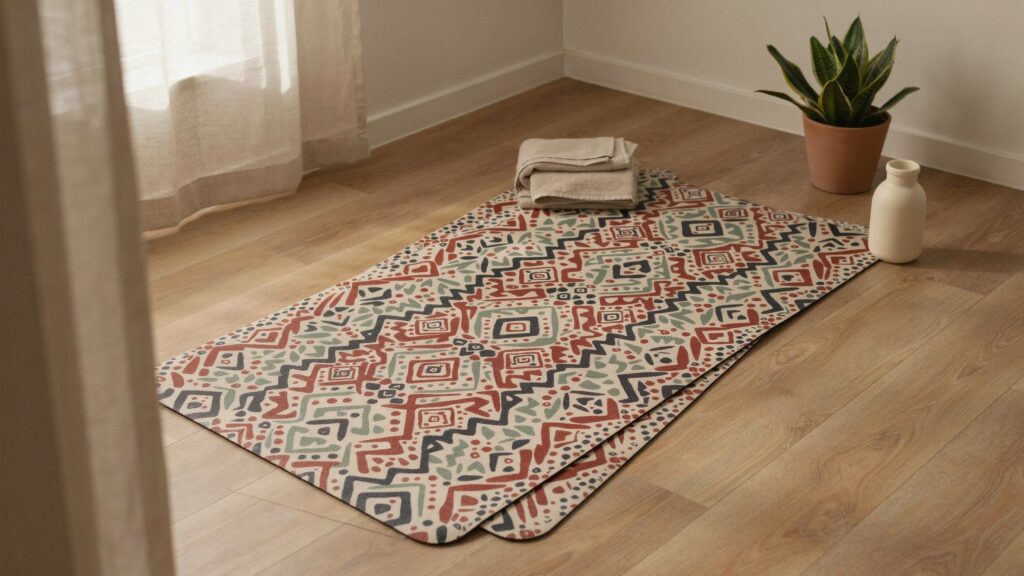
The main attraction is its distinctive design. A patterned yoga mat can look different from a plain black, gray, or solid-color mat, making it an appealing option for people who want their yoga equipment to match their personal style.
Pendleton is known for designs influenced by its textile patterns. On a yoga mat, the visual pattern can make the practice area feel more individual, whether you exercise in a bedroom, living room, or dedicated home studio.
A mat’s design may catch your eye, but its comfort, grip, and durability deserve equal attention before you make a choice.
Consider these features when comparing designs:
- Pattern and color: Choose a design that suits your taste and practice space.
- Surface texture: Check whether the top feels smooth, ridged, or otherwise textured.
- Material and thickness: Check the yoga mat’s listed materials and thickness to understand its cushioning, surface feel, and suitability for your practice.
- Practical use: Make sure the mat suits your preferred movements and floor surface.
A stylish mat can combine decorative appeal with everyday use, but its actual performance depends on its construction—not simply the pattern printed on it.
What Should You Check About Size and Thickness?
Yoga mat dimensions and thickness affect how much room you have to move, how comfortable the surface feels, and how stable you feel during standing poses. Before choosing a Pendleton model, check its current product specifications instead of assuming every design has identical measurements.
Length is important if you are tall or frequently stretch out on the floor. Width matters when you move your arms and legs beyond the space needed for a basic standing pose.
Thickness influences cushioning. A thicker mat may feel more comfortable during kneeling or seated postures, while a thinner, firmer surface can provide a closer connection to the floor during balance work.
Before making a decision, check:
- Mat dimensions: Choose a yoga mat with enough length and width to support your height and allow comfortable movement through different poses.
- Thickness: Consider how much padding you need for floor-based poses.
- Weight: Think about whether you will carry the mat to classes or leave it at home.
- Storage: Make sure you have enough room to roll and store it properly.
For a more detailed comparison, read our guide on how thick a yoga mat should be. It explains how thickness affects comfort, stability, and different types of yoga practice.
Does the Cushioning Make It Comfortable?
Cushioning can make yoga more comfortable when your knees, hands, or hips rest against a hard floor. The right amount of padding may help during seated stretches, kneeling postures, and gentle floor exercises.
Extra padding may feel comfortable during floor exercises, but it isn’t ideal for everyone. If the mat sinks under your feet, holding steady in standing and balance poses may become more challenging.
A yoga mat’s comfort depends on its material, density, and firmness, not just its thickness. Even mats with the same measurements may offer different levels of cushioning, stability, and support under your hands and feet.
Think about the way you normally practice:
- For floor-based yoga: Look for enough cushioning to make seated and kneeling positions comfortable.
- For standing poses: Check whether the mat feels firm enough for controlled movement.
- For sensitive pressure points: Consider whether the padding feels suitable beneath your knees and wrists.
- For mixed routines: Look for a practical balance between cushioning and stability.
Our article on 6 mm yoga mats versus other thicknesses offers more detail about the relationship between padding and stability.
The aim is to find a mat that feels comfortable for your routine without making balance work unnecessarily difficult.
How Important Are Grip and Surface Texture?
A yoga mat’s grip and traction affect how securely your hands and feet stay in place during different poses. When comparing patterned yoga mats, look beyond appearance and choose a surface that feels stable underfoot and helps reduce unwanted slipping during practice.
Surface texture is one feature to examine. Some mats have ridges or a textured finish, while others use different surface materials to create their feel. Texture alone, however, does not guarantee dependable traction.
Grip can also change with sweat, dust, cleaning residue, and wear. A mat that feels secure during a short session may feel different during a longer or more demanding practice.
To assess a mat’s surface:
- Place it on a clean, dry floor and check whether it stays in place.
- Try simple poses before moving into challenging balance positions.
- Notice whether your hands and feet remain secure during controlled transitions.
- Keep the surface clean and follow the manufacturer’s care instructions.
If your hands tend to sweat during practice, our guide to choosing a yoga mat for carpet explains how surface conditions, mat construction, and stability affect your setup. Although carpet and sweaty-hand concerns are different, the broader lesson is to assess how the mat interacts with the surface beneath it.
Do not assume that a patterned design or textured finish will prevent every slip. Choose a mat that feels secure during the movements you actually perform.
Which Yoga Styles Suit a Patterned Mat?
A Pendleton patterned yoga mat may work for several yoga styles if its size, cushioning, and grip meet your needs. The design itself does not determine whether a mat suits restorative yoga, Hatha yoga, or Vinyasa.
Restorative and Gentle Yoga
Restorative yoga often involves holding supported positions for longer periods. Cushioning can make sitting, kneeling, and lying down more comfortable, particularly when practicing on a hard floor.
A mat is only one part of the setup, though. A yoga bolster, blanket, or block may provide more targeted support when a pose requires the body to rest in a particular position.
Hatha Yoga
Hatha yoga commonly includes standing poses, seated postures, balance exercises, and controlled transitions. A mat that provides enough room and feels stable beneath your feet can be useful for this style.
If the surface feels too soft during standing poses, you may prefer a firmer option. Take time to assess the mat with simple movements before using it for more demanding postures.
Vinyasa and Dynamic Yoga
Vinyasa links poses through repeated transitions. For this type of practice, a dependable surface and sufficient space can matter more than decorative details.
A patterned mat may work for moderate flows if its traction meets your needs. If you sweat heavily or move quickly between poses, assess grip carefully before relying on it for an entire session.
Stretching and General Floor Exercises
A yoga mat can also provide a defined space for stretching and selected floor exercises. Its usefulness depends on the activity and the amount of padding and stability required.
For exercises involving high impact, extensive rolling, or specialized equipment, a mat designed specifically for that activity may be more suitable.
For broader guidance, the National Center for Complementary and Integrative Health’s information on yoga safety explains that yoga can cause injuries, even though it is generally considered safe for healthy people when practiced appropriately. Beginners should learn unfamiliar poses carefully and seek qualified instruction when needed.
What Material and Construction Details Matter?
Yoga mat material affects how the surface feels, how much it weighs, and how it should be maintained. Do not assume that every Pendleton design uses the same construction. Check the details for the specific model you are considering.
Look for information about the main material, surface finish, and cleaning method. If you have a known material sensitivity, verify the manufacturer’s information before using the mat.
A yoga mat’s build quality affects its everyday usability. Look for one that stays flat on the floor, gives you sufficient space to move through poses, and holds up well when cleaned and stored according to the manufacturer’s instructions.
Before choosing, ask yourself:
- Does the listed material meet my needs?
- Does the surface feel comfortable against my hands and feet?
- Can I clean the mat using a method that is convenient for me?
- Is the weight manageable for my routine?
- Does the mat feel stable on my usual practice floor?
These checks provide a more useful basis for comparison than appearance alone.
How Do You Clean and Maintain a Pendleton Yoga Mat?
Regular cleaning helps remove sweat, body oils, dust, and other residue that collects during practice. The correct method depends on the mat’s material, so follow the manufacturer’s instructions rather than applying a cleaning method intended for a different surface.
For routine care, keep these steps in mind:
- Wipe the surface: Use a soft cloth and a cleaning method approved for the mat.
- Avoid unapproved chemicals: Strong cleaners may affect the material, finish, or grip.
- Dry it completely: Allow the mat to dry before rolling it up.
- Check for wear: Look for peeling, cracks, persistent odors, or a noticeable change in traction.
- Store it appropriately: Keep it in a clean, dry place and follow any specific storage recommendations.
If the mat develops a slippery residue, check whether cleaning products have been left on the surface. Rinse or wipe it only as permitted by the manufacturer’s instructions.
For more detailed advice, read our guide on how to clean a yoga mat. It covers routine cleaning, deeper maintenance, and common mistakes to avoid.
A consistent care routine can help keep a mat in usable condition, but it cannot prevent all wear. If the surface becomes damaged or no longer feels secure, reassess whether it is suitable for continued practice.
What Are the Potential Drawbacks?
A patterned yoga mat may be visually appealing, but it is worth considering its limitations before choosing one.
The design is a matter of taste. Distinctive patterns may suit some practice spaces but not others. A plain mat may be preferable if you like a simple appearance.
Comfort varies from person to person. A mat that feels well cushioned to one practitioner may feel too soft or too firm to another. Thickness alone does not tell you everything about its feel.
Grip must be assessed in practice. A textured surface does not guarantee traction under every condition, particularly when sweat or residue is present.
Product details can differ. Do not assume every pattern has the same dimensions, material, or thickness. Check the current listing for the model you want.
Care requirements still apply. Decorative designs do not remove the need for regular cleaning and suitable storage.
These points do not mean a Pendleton mat is unsuitable. They simply show why the choice should be based on practical needs as well as appearance.
How Should You Choose the Right Pendleton Yoga Mat?
Start by identifying what matters most in your regular routine. If you practice mostly at home, the mat’s weight may be less important than comfort and surface stability. If you carry it to classes, portability and ease of storage deserve more attention.
Next, consider the poses you perform most often. Floor-based routines may call for more cushioning, while balance-focused practice may feel better on a firmer surface.
Finally, review the exact product information. Confirm the dimensions, material, thickness, and care instructions rather than relying on a general description of the brand.
Use this checklist before choosing:
- Design: Do you like the pattern and color?
- Dimensions: Is the mat long and wide enough for your movements?
- Cushioning: Does it feel comfortable without compromising stability?
- Traction: Does the surface feel secure for your preferred yoga style?
- Material: Have you checked the manufacturer’s material information?
- Maintenance: Can you follow the recommended cleaning routine?
This approach helps you select a mat for everyday use instead of choosing one based on looks alone.
FAQs
Is a Pendleton Stylish Yoga Mat a Good Choice for Beginners?
It can be a good option for new yoga practitioners if the mat feels comfortable, stays in place, and provides enough room to move. Beginners should prioritize steady footing and suitable cushioning before moving on to more demanding poses.
Are Patterned Yoga Mats Practical for Regular Yoga Practice?
Yes, a patterned mat can work well for everyday sessions. Its appearance does not determine its performance; the surface texture, material quality, grip, and padding are more important when choosing a mat for regular use.
Will a Thicker Yoga Mat Feel More Comfortable?
A thicker mat can offer extra padding for the knees, hips, and other pressure points. However, the material’s firmness also affects comfort, and a very soft surface may make standing poses and balance exercises harder to control.
Is a Pendleton Yoga Mat Suitable for Vinyasa Yoga?
It may work for Vinyasa sessions if it provides reliable traction and enough space for flowing movements. For faster sequences or sweaty workouts, check whether your hands and feet remain secure on the surface during transitions.
What Is the Best Way to Keep a Yoga Mat Clean?
Remove sweat and surface residue after practice using a cleaning method approved for the mat’s material. Follow the manufacturer’s care instructions for deeper cleaning and drying, as unsuitable cleaners or excess moisture may damage some surfaces.
Final Thoughts
A Pendleton stylish yoga mat can be a good option for someone who wants a distinctive pattern and a dedicated space for yoga. Its suitability, however, depends on practical features such as dimensions, cushioning, traction, material, and maintenance.
Before choosing a design, check the current specifications and think about the way you practice. A mat that fits your movements, feels comfortable, and remains stable on your usual floor will serve you better than one chosen for appearance alone.
About the Author
Muhammad Bilal is a content writer at PureYogaMats.com who focuses on yoga mats, yoga accessories, and practical yoga equipment guides. He researches product features, materials, dimensions, grip, cushioning, and care requirements to help readers understand their options. His goal is to provide clear, balanced information so readers can make informed decisions based on their practice, comfort, and personal preferences.