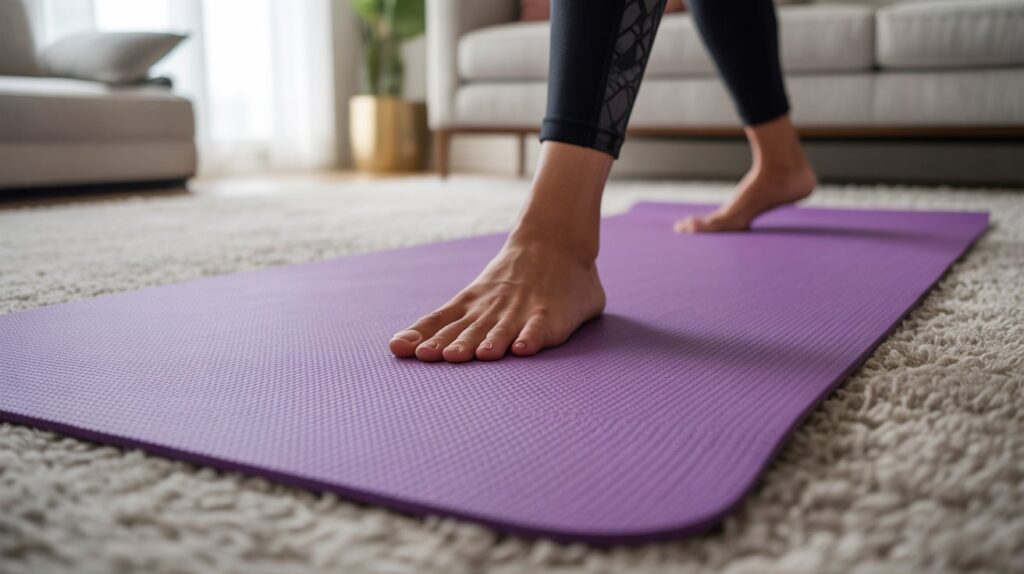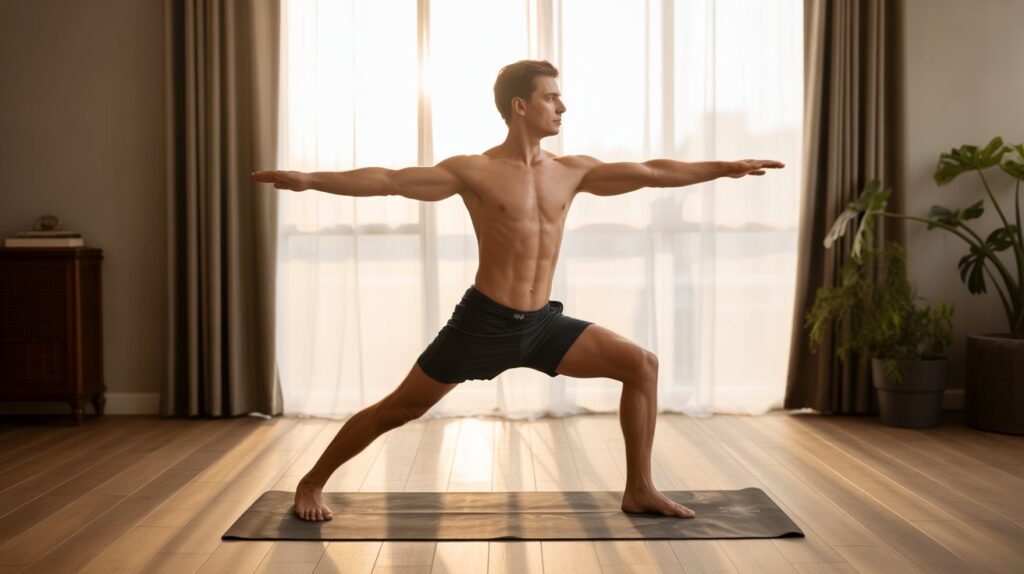
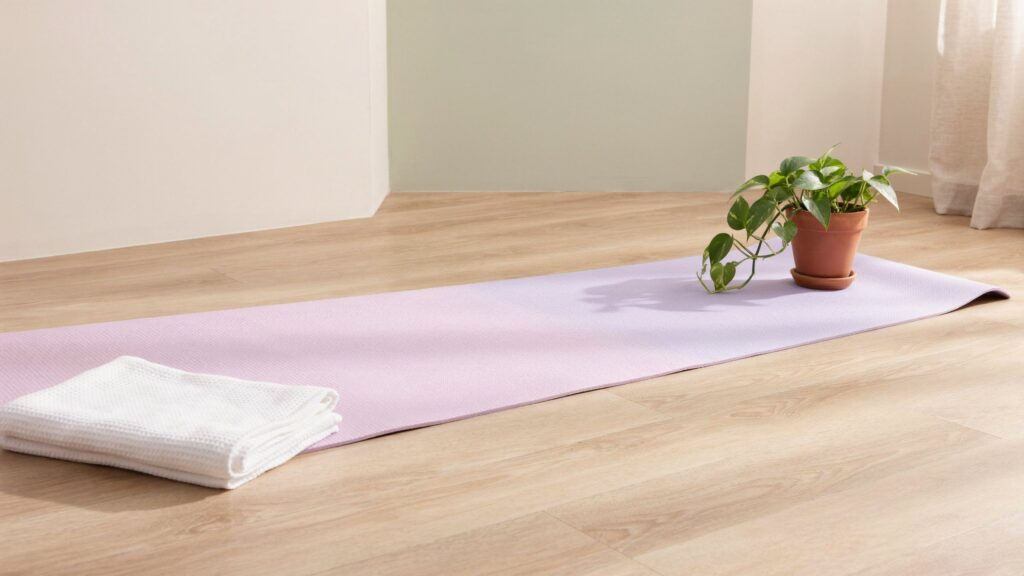
Is a yoga rose quartz & serenity pro mat worth choosing for its looks alone? Probably not. The pastel pink and blue catch your eye in a product photo, but density, grip, and material decide how the mat feels after the fifth week. Here is where the palette came from, whether soft shades can really calm a session, and what a “pro” label should actually deliver.
Table of Contents
What Is a Yoga Rose Quartz & Serenity Pro Mat?
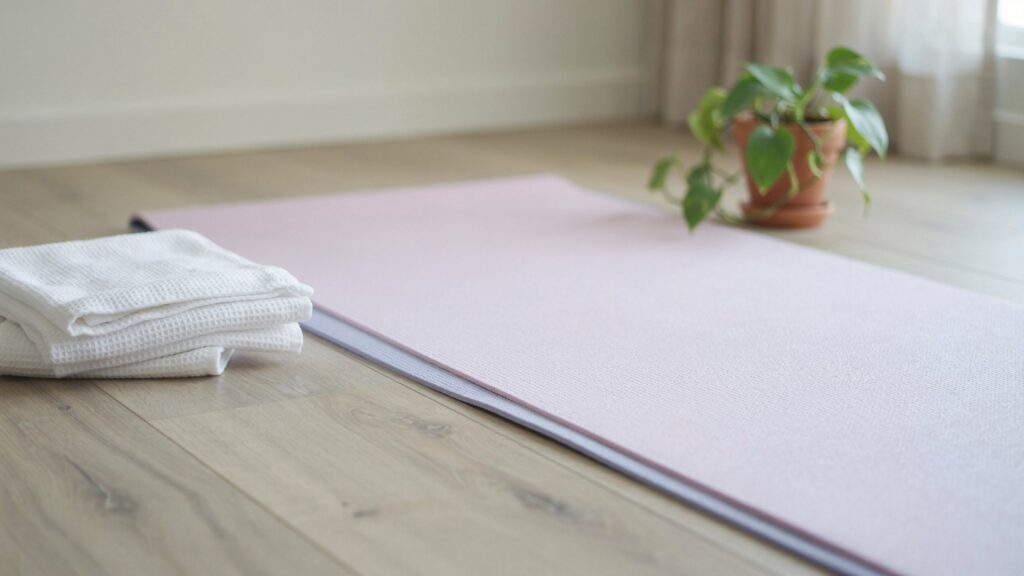
It is a pro-grade yoga mat finished in a pastel palette of soft pink (Rose Quartz) and light blue (Serenity). The colors describe the look. The word “pro” describes the build, and it has no official definition, so each brand uses it in its own way.
In practice, a pro mat usually means a denser, longer-lasting mat than a basic starter one. It is made for people who practice several times a week and notice when a mat slips, compresses, or curls at the edges.
That split matters when you shop. Color tells you how the mat looks on your floor. Material, density, and surface texture tell you how it behaves under your hands.
Where the Rose Quartz and Serenity Colors Come From
The pairing traces back to Pantone’s 2016 Color of the Year, the first time the company picked a combination of two shades instead of a single color. Rose Quartz is a soft pink, and Serenity is a light, airy blue. You can read the original announcement coverage on Creative Bloq. creativebloq
Pantone tied Rose Quartz to gentleness and composure, and Serenity to a feeling of rest and relaxation. Those descriptions came from a color company, not from a yoga study, so treat them as design language rather than science.
Still, the idea stuck for a decade. Pastel pink and blue now appear on candles, bedding, and mats sold for calm practice. A mat in this palette borrows that trend to signal softness before you ever step on it.
Do Soft Colors Actually Help You Relax on the Mat?
Soft shades can help, but only for some people. Color psychology points in different directions: a pale pink may feel gentle to one person and dull to another, depending on culture, personal memories, and how bright the room is. Treat a calming pastel yoga mat as a pleasant extra, not a guaranteed effect.
Here is a more useful way to look at it. A mat you enjoy seeing is a mat you roll out more often. If a pale pink and blue surface makes one corner of your living room feel quieter, that small cue can make a ten-minute evening session easier to start.
What color cannot do is replace function. A pretty mat that slides under your hands in downward dog pulls your attention away from your breath faster than any shade can calm it. Pick the build first and the color second.
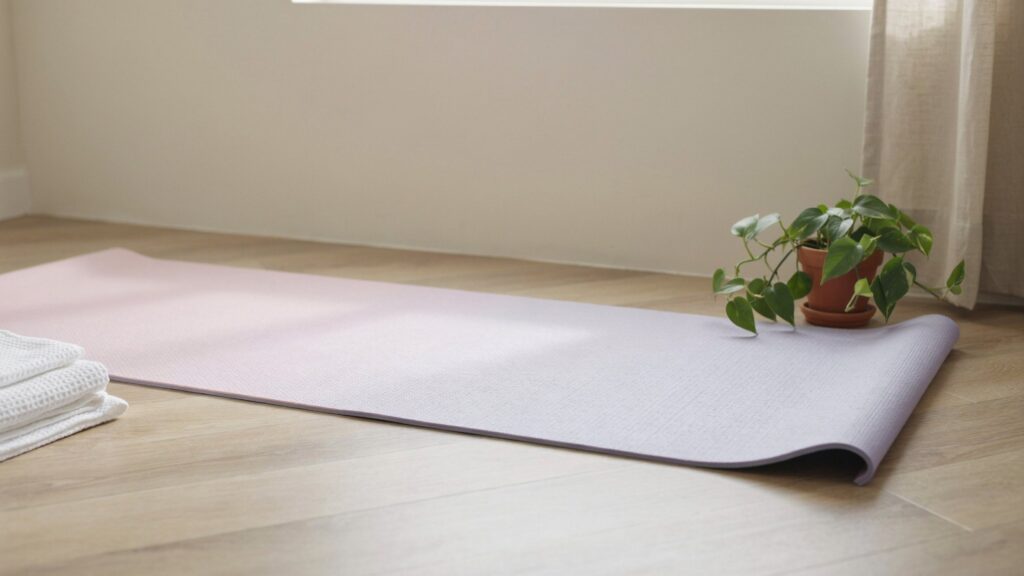
What “Pro” Should Mean in a Pro Yoga Mat
A real pro mat earns the label through four things you can check yourself: density, grip, material, and size. Ask the seller about each one.
Density and Thickness
Most standard mats sit between 4 and 6 mm thick. A dense mat in that range cushions wrists and knees while keeping you stable in standing balances like tree pose. Very soft, thick foam feels comfortable at first, but your foot sinks into it, and balance poses start to wobble.
Density matters more than thickness alone. A dense 5 mm mat often feels firmer and lasts longer than a spongy 6 mm one. Press your thumb into the surface if you can, and read how the brand describes the core. Our Yoga Turmeric Latte Pro mat guide shows how thickness and care work together in a pro-style mat.
Grip and Surface
Look for a textured or microfiber top that holds when your hands are dry and when they sweat. Some surfaces grip better with a little moisture, while others stay consistent either way. Match the surface to how you practice, and if you sweat heavily, test traction with damp hands, not clean ones.
Material
PVC, natural rubber, TPE, and cork each behave differently. PVC is durable and easy to wipe. Natural rubber grips well but is heavy and can trigger latex allergies. TPE is lighter but tends to wear faster, and cork gets grippier when damp.
If a brand does not name the material, treat that gap as a warning sign. For a closer look at one common option, read is PVC safe for yoga mats. If you prefer a natural surface, our Pond of Harmony Aura cork mat guide covers that route.
Size and Weight
The standard size is about 72 inches long and 24 inches wide. Taller practitioners may want extra length so hands and feet stay on the mat in a full downward dog. Heavier mats stay put on slick floors, but they are harder to carry to a class.
Pastel Mats in Real Life: Stains, Fading, and Dirt
Pale mats photograph beautifully, but daily use exposes them fast. Expect these three problems:
- Dye transfer. New dark leggings, towels, or jeans can leave color on a pale surface, especially with sweat. Wash new dark gear before it touches a light mat.
- Sun fading. Long hours in a sunny window or a hot car can dull pastel shades and age the material. Store the mat rolled up in a shaded spot.
- Visible dirt. Foot marks and skin oils show up faster on pink and pale blue than on charcoal or navy.
Clean the mat with a damp cloth and mild soap, then let it dry flat. Skip bleach and strong solvents, since they can strip color and break down the surface. Wipe it after sweaty sessions instead of waiting for the weekend, because sweat that sits on a light surface is what leaves the stain.
Which Practice Styles Suit a Pastel Pro Mat
A dense mat in soft colors fits slower, floor-heavy styles especially well: restorative, yin, gentle vinyasa, and home meditation. Your hands, knees, and back spend long stretches on the surface, so cushioning and a calm look both count.
For hot yoga and fast power classes, grip and sweat handling deserve more attention. A light mat will show sweat marks and may pick up dye from dark clothing, so a darker mat or a mat towel is often the more practical choice.
Think about a real situation: twenty minutes of stretching at home before bed. In that case, a dense mat that lies flat and stays put on your floor matters far more than any color name on the label.
How to Check Any Pro Mat Before You Buy
Run through this short list before you trust a label:
- The material is named clearly, not hidden behind words like “eco” or “premium.”
- Thickness and dimensions are stated in millimeters or inches.
- A third-party standard such as OEKO-TEX is listed with the specific certification.
- Care instructions are specific, especially for light colors.
- The brand can explain what the top layer is made of and how it grips.
If you cannot find these details, “pro” in the name is a marketing word, not a build spec.
FAQs
What colors are Rose Quartz and Serenity?
Rose Quartz is a soft pink, and Serenity is a light periwinkle blue. Pantone named them together as its 2016 Color of the Year.
Does “pro” mean a mat is better?
Not by itself. The word has no standard meaning in yoga gear. Check density, grip, material, and size instead of relying on the name.
Are pastel yoga mats harder to keep clean?
Slightly. Light colors show dirt and can pick up dye from dark clothing. Wipe the mat after use, keep it out of direct sun, and use mild soap.
What thickness is best for a pro mat?
Between 4 and 6 mm suits most people. Lean toward the thinner end if balance matters most, and the thicker end if you need extra wrist and knee cushioning.
Conclusion
A yoga rose quartz & serenity pro mat is worth choosing when the build matches the palette. Let the soft pink and blue set the mood, but let density, grip, and a clearly named material make the decision. Check those three first, and the color becomes a bonus instead of the reason you bought it. Which would you notice first on your own floor, the shade or the grip?
Author Box:
Muhammad Bilal
Muhammad Bilal is the writer behind Pure Yoga Mats, where he breaks down mat materials, grip, density, and care in plain language. Each guide starts with the manufacturer’s stated details and recognized standards like OEKO-TEX, then adds practical buying checks for everyday home practice. His aim is simple: help you spot what a mat label really says before you buy.