What Is the Yoga Ivory White Pro Mat?
Have you ever picked a yoga mat because it looked great, only to wonder later if it actually fits your practice? The Yoga Ivory White Pro Mat can stand out for its clean, understated look, but appearance is only one part of the decision. In this guide, we’ll look at its surface, grip, comfort, maintenance, and practical use so you can decide whether its features match your everyday yoga routine.
Table of Contents
What Makes an Ivory White Pro Mat Different?
The Yoga Ivory White Pro Mat stands out mainly because of its light-colored appearance, surface feel, construction, and the way these features affect everyday practice. Its ivory-white finish can give a yoga space a clean, minimal look, while the mat’s actual performance depends more on its material, grip, cushioning, and overall build.
A Clean Look That Shows More
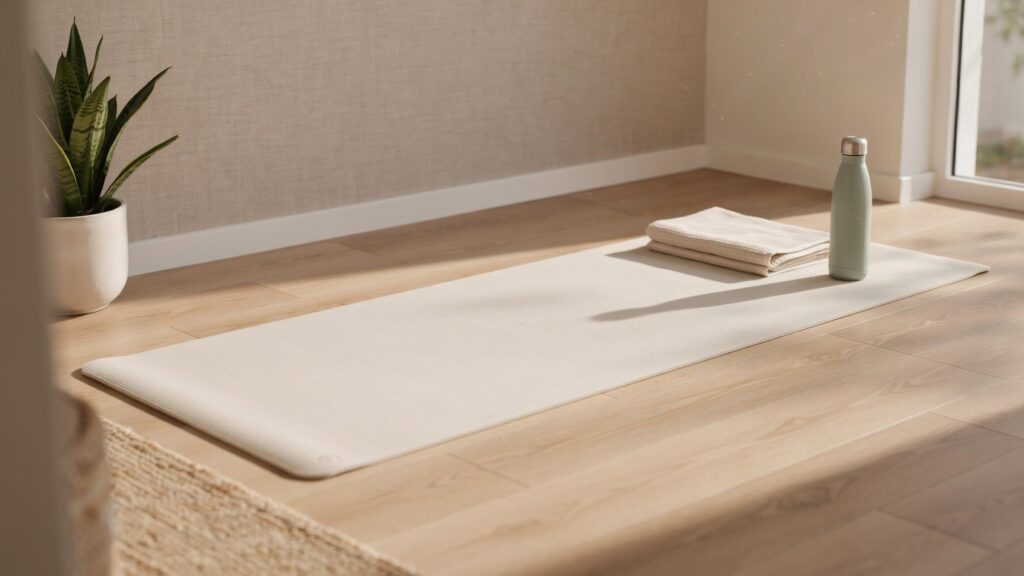
An ivory-white yoga mat can make a home practice area feel brighter and less visually busy. But the lighter surface also makes sweat, dust, fingerprints, and marks easier to notice than they would be on a darker mat.
For example, after a 45-minute hot yoga session, you may notice moisture or small marks on the surface that would be less visible on a black or dark-gray mat. That does not necessarily mean the mat is getting dirty faster; the lighter color simply makes everyday use more noticeable.
Surface and Construction Matter More Than Color
The ivory white finish is mainly an appearance choice. What you feel during practice comes from the mat’s surface texture, material, grip, thickness, and cushioning.
When comparing a pro yoga mat, pay attention to:
- Surface texture: A textured surface may provide a more secure feel during movement.
- Grip: Traction can affect stability during standing poses and transitions.
- Cushioning: More padding may feel more comfortable under knees and wrists.
- Material: The material influences flexibility, durability, weight, and maintenance.
- Construction: A well-made mat should feel consistent across the surface rather than noticeably uneven.
These details are more important to daily practice than the ivory color itself. If you’re unsure how thickness changes cushioning and stability, our guide to 6mm yoga mats vs. other thicknesses explains the differences in more detail.
How It Can Feel in Real-World Use
The right mat should feel stable enough for your normal routine without distracting you from your practice. Someone doing gentle stretching may care more about comfort, while a person practicing balance poses may pay closer attention to surface grip and floor stability.
This is where the Yoga Ivory White Pro Mat should be evaluated as a complete yoga surface rather than simply as an attractive white or ivory mat. Your practice style, flooring, sweat level, and preference for cushioning can all change how the mat feels.
If you’re also comparing mats based on thickness and cushioning, that connects naturally with a guide about how to choose the right yoga mat thickness, since thickness can affect both comfort and stability.
Overall, the main difference is not simply the ivory-white color. The appearance gives the mat its visual character, while the mat material, grip, surface texture, cushioning, and construction determine how useful it feels during everyday yoga practice.
How Does the Mat Feel During Different Yoga Practices?
The way a yoga mat feels depends on your practice style, surface grip, cushioning, and floor stability. A good practice surface should feel secure during movement while remaining comfortable during longer sessions.
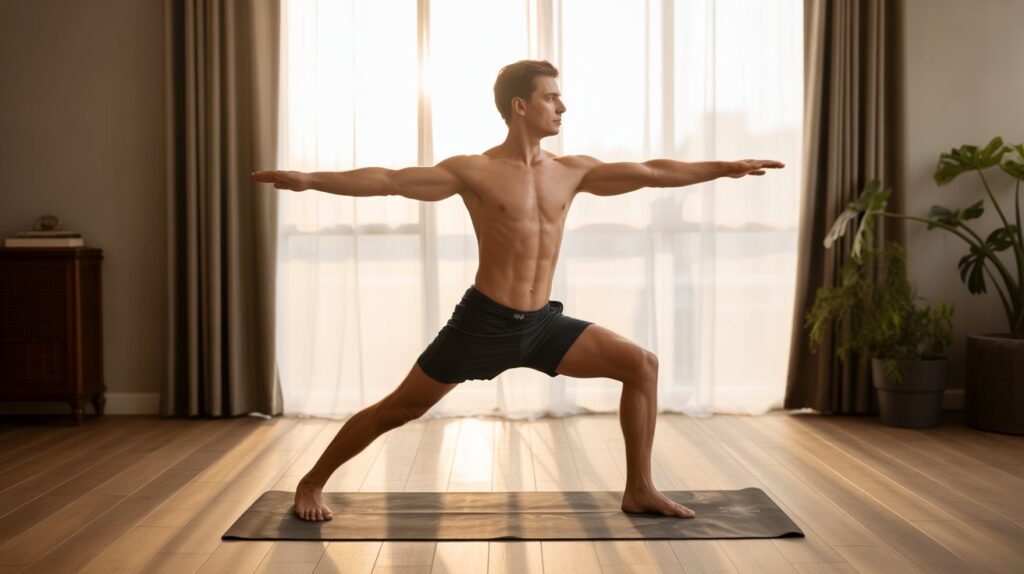
- Standing poses: A stable surface helps your feet stay planted during poses such as Warrior II and Triangle.
- Balance work: Reliable traction can make single-leg poses feel more controlled.
- Stretching: Moderate cushioning can provide added comfort for hands, knees, hips, and ankles.
- Floor movements: A supportive surface is useful for kneeling, seated stretches, core work, and transitions.
- Longer sessions: During a 45–60 minute practice, consistent grip and comfort become more noticeable.
The ivory white yoga mat also works well visually in a clean home workout space, but appearance should not be the main factor when choosing a mat. Pay more attention to surface texture, traction, cushioning, material, and overall stability.
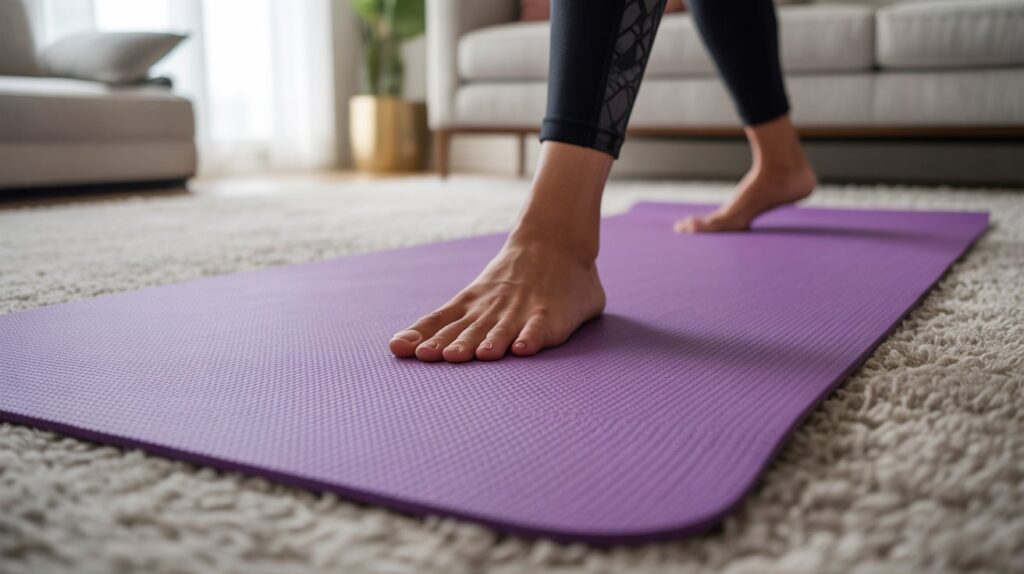
Your flooring can also affect the experience. For example, a mat used on smooth hardwood may feel different from one placed on carpet or another softer surface. If you want a broader explanation of how these factors affect mat selection, REI’s yoga mat guide provides useful information on thickness, materials, grip, cushioning, and different practice needs.
Does the Yoga Ivory White Pro Mat Provide Enough Grip?
Grip depends on the mat’s surface material, texture, and your practice conditions. The yoga ivory white pro mat may feel secure for many routines, but traction can vary with sweat, hand pressure, movement, and the type of yoga you practice.
Grip With Dry vs. Sweaty Hands
With dry hands and feet, a textured or well-designed yoga mat surface can provide a steady connection during standing poses and controlled movements. As your practice becomes more intense, moisture can change how your hands interact with the surface.
For example, during a 45-minute flow session, sweaty palms may make downward-facing dog or plank feel different from the first few minutes.
What Affects Traction?
Several factors can change how much grip you actually feel:
- Surface texture: A textured finish can improve traction during movement.
- Sweat level: More moisture may affect hand and foot stability.
- Practice style: Slow stretching has different grip needs than fast-flow yoga.
- Floor type: A stable, flat floor can help prevent unwanted movement.
- Hand and foot pressure: Proper weight distribution can improve contact with the mat.
The ivory white yoga mat should therefore be judged by its actual surface performance rather than its appearance. If you regularly practice hot yoga or sweat heavily, pay particular attention to how the material handles moisture and whether the grip remains comfortable throughout the session.
For readers who want to compare grip and traction more closely, our guide to best non-slip yoga mats offers more practical information on choosing a surface that feels secure during balance poses, transitions, and active flows.
How Should You Clean and Maintain an Ivory White Yoga Mat?
An ivory white yoga mat needs simple, regular care to keep its light surface looking clean and fresh. Wiping it after practice, allowing it to dry fully, and storing it properly can help prevent sweat, dust, and marks from building up.
Wipe the Surface After Practice
After each session, give the mat a quick wipe with a soft, damp microfiber cloth. This is especially useful after sweaty workouts when moisture and body oils can remain on the surface.
For a typical 45-minute yoga session, a quick wipe at the end takes only a minute or two but can make regular cleaning much easier.
Use Gentle Cleaning Methods
Avoid assuming that stronger cleaners will keep a light-colored mat cleaner. Harsh chemicals, abrasive products, or excessive moisture may affect certain yoga mat materials.
A practical routine is:
- For routine cleaning, reach for a gentle microfiber towel.
- Follow the manufacturer’s cleaning instructions whenever available.
- Use a mild, suitable mat cleaner when deeper cleaning is needed.
- Don’t submerge the mat in water unless the manufacturer’s instructions clearly say it’s safe.
- Before using a new cleaner, try it on a small hidden patch to make sure it doesn’t harm the surface.
Let the Mat Dry Completely
After cleaning, allow the mat to air-dry fully before rolling it up. Storing a damp yoga mat can leave behind unwanted odors and may make the surface less pleasant to use.
Keep it away from prolonged direct sunlight or excessive heat unless the manufacturer’s instructions say otherwise.
Store It Carefully
Once completely dry, roll the mat according to its recommended storage method and keep it in a clean, dry place. Avoid placing heavy objects on top of it for long periods, as this can affect its shape.
For a light-colored surface, regular maintenance is more practical than waiting until visible marks become difficult to remove. If you’re also comparing yoga mat materials, that topic can help explain why different mats have different cleaning and care requirements.
What Should You Check Before Buying This Type of Yoga Mat?
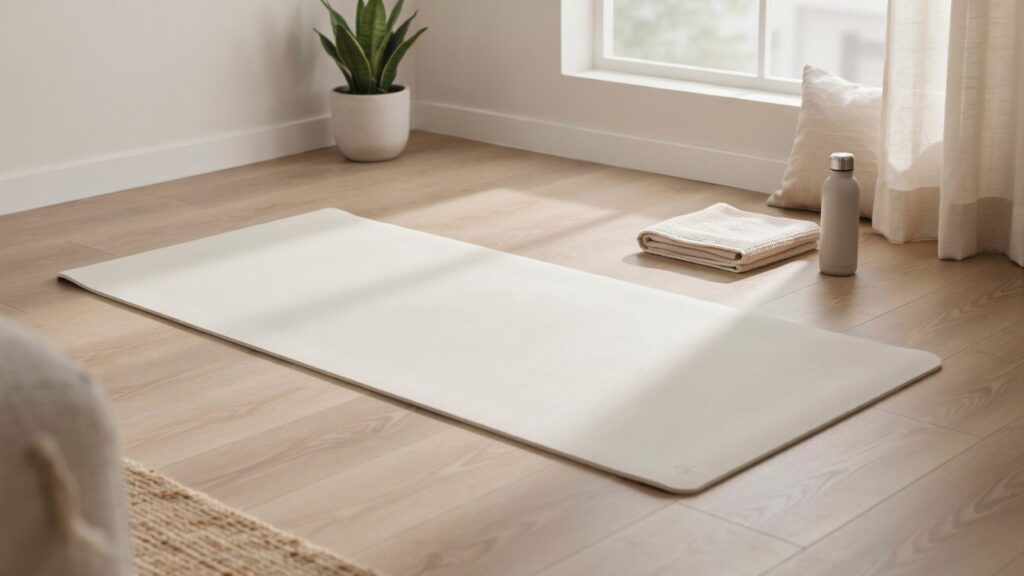
Before buying an ivory white pro yoga mat, focus on the features that affect daily comfort and performance rather than choosing based on appearance alone. Thickness, size, material, grip, weight, and cleaning requirements should match the way you actually practice.
Check the Thickness
Mat thickness directly affects both cushioning and stability. A thicker mat offers extra comfort and joint support for kneeling and floor exercises, while a thinner mat gives you a firmer, more grounded feel for better balance and control.
If you usually practice for 30–60 minutes, think about which areas of your body need the most support.
Look at the Dimensions
Make sure the length and width fit your height and available practice space. A mat that feels cramped during stretching can become frustrating even if its surface feels comfortable.
Consider:
- Length for full-body stretches
- Width for changing positions
- Free space available for your mat, whether at home or in a studio
Consider the Material
The material affects grip, flexibility, cushioning, durability, and cleaning. Check the manufacturer’s specifications rather than assuming two mats with similar appearances will perform the same way.
Evaluate Grip and Surface Texture
Consider how the surface feels with both dry and sweaty hands. If you practice flowing sequences or balance poses, consistent traction can be more important than a soft feel.
Check the Weight
A weightier mat tends to feel steady underfoot, but it’s harder to haul around. If you head to a yoga studio, carry your gear while commuting, or take classes away from home, an easy-to-carry mat matters more.
Think About Cleaning and Maintenance
Light-colored surfaces can make dust, sweat marks, and stains easier to notice. Check whether the mat requires a specific cleaner, air-drying method, or storage routine before purchasing.
Match It to Your Practice
Your own routine should guide the final choice. Think about whether you mainly do:
- Gentle stretching and restorative yoga
- Vinyasa or flow sessions
- Balance-focused poses
- Pilates or floor workouts
- Longer home practice sessions
This same checklist can also help when comparing different yoga mat thicknesses and materials, especially if comfort, grip, and portability are your main priorities.
Who May Find the Yoga Ivory White Pro Mat Suitable?
The Yoga Ivory White Pro Mat may suit people who want a clean-looking practice surface while also paying attention to grip, comfort, and everyday usability. Its suitability ultimately depends on your practice style, preferred cushioning, and how you plan to use the mat.
Beginners
Beginners may appreciate a straightforward mat that works for basic poses, stretching, and floor exercises. Rather than choosing based only on appearance, new practitioners should look at surface grip, thickness, dimensions, and comfort.
For someone practicing at home for around 20–30 minutes a few times a week, these basic features can matter more than advanced performance characteristics.
Regular Yoga Practitioners
People who practice several times a week may want a surface that remains comfortable and consistent throughout repeated sessions. Traction, cushioning, durability, and easy maintenance become more important when the mat is used regularly.
A practitioner doing frequent vinyasa, mobility work, or balance exercises should pay particular attention to how the surface feels during transitions and longer sessions.
Home Yoga Users
An ivory-colored mat can fit naturally into a bright, minimalist home workout area. It may appeal to users who care about both yoga equipment and home aesthetics, particularly when the mat remains visible between sessions.
However, because lighter surfaces can show marks more easily, regular wiping becomes part of normal care.
People With Specific Practice Preferences
Different routines have different requirements. This type of mat may be worth considering if you prioritize:
- A clean, neutral appearance
- Comfortable floor-based exercises
- Reliable surface traction
- A dedicated home practice area
- Easy integration with stretching or mobility routines
The key is to match the mat’s material, grip, cushioning, and size with your actual routine rather than assuming one design will suit every practitioner.
If you’re still deciding between different options, a related guide on choosing a yoga mat for your practice style would be useful because beginners, balance-focused users, and active-flow practitioners can have very different needs.
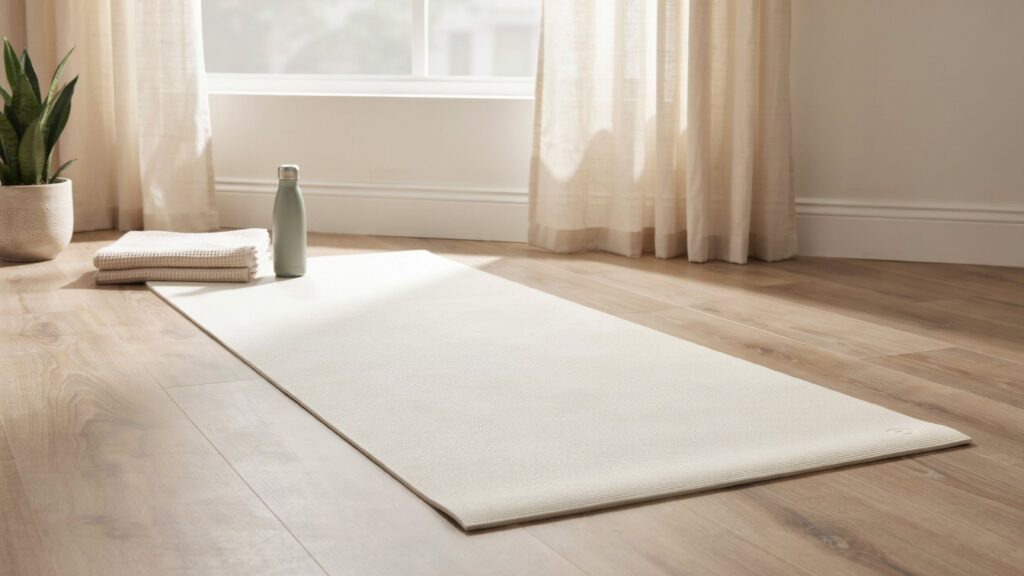
Is the Yoga Ivory White Pro Mat Right for Your Practice?
The Yoga Ivory White Pro Mat can be a suitable option if its grip, cushioning, size, material, and maintenance needs match the way you practice. The right choice depends more on your personal requirements than on the mat’s color or appearance.
Consider Your Practice Style
Start by thinking about how you normally use a yoga mat. A person doing gentle stretching may need different features from someone doing active flow sessions.
Ask yourself:
- Do you practice yoga, Pilates, stretching, or floor workouts?
- Do you usually practice for 20 minutes or closer to an hour?
- Do you need strong traction for balance poses?
- Do you prefer more cushioning or a firmer floor connection?
- Will you use the mat mainly at home or carry it to a studio?
Think About Your Practice Space
Your flooring can affect the overall experience. A stable, flat surface can help reduce unwanted movement, while limited space may make the mat’s dimensions more important.
For example, if your home practice area is a small bedroom corner, checking the mat’s length and width before buying can prevent an awkward fit.
Consider Maintenance
A light-colored surface can show dust, sweat marks, and everyday dirt more easily than a darker mat. If you prefer an ivory finish, be prepared for simple regular cleaning.
A practical routine includes:
- Wiping the surface after sweaty sessions
- Allowing the mat to dry completely
- Following the manufacturer’s cleaning instructions
- Storing it in a clean, dry place
Check the Features That Matter Most
Before making a decision, compare the product specifications for material, thickness, dimensions, weight, surface texture, grip, and cleaning requirements.
No single combination works for every practitioner. Your own comfort, routine, flooring, and maintenance preferences should guide the final choice.
If you’re comparing several mats, this section can also connect naturally to a guide on how to choose the right yoga mat thickness, since cushioning and stability can significantly affect everyday practice.
Final Thoughts on the Yoga Ivory White Pro Mat
The Yoga Ivory White Pro Mat is ultimately about finding a practice surface that fits your routine, comfort needs, and space. Its appearance may catch your attention, but grip, material, cushioning, size, and maintenance deserve closer consideration. If you’re still deciding how much cushioning you need, our guide to different yoga mat thicknesses can help you compare thickness options before making a choice.
Take a moment to think about how you actually practice—not how you want your mat to look—and choose based on what supports that routine.
FAQs
What is the best color for yoga mats?
There is no single best color. Choose a shade you enjoy and can keep clean; lighter colors show marks more easily, while darker shades tend to hide them.
What is the highest quality yoga mat?
Quality depends on material, grip, cushioning, durability, and construction. A good mat should match your practice rather than simply having a premium price.
What material should you avoid in yoga mats?
Avoid materials that feel unstable, have poor grip, or contain ingredients you personally need to avoid. Always check the manufacturer’s material and care information.
What thickness is best for a yoga mat?
Around 4–5 mm is a practical middle ground for many users, offering a balance between cushioning and stability. Your joints, practice style, and floor type also matter.
What is the lifespan of a yoga mat?
A quality yoga mat can last several years, depending on how often you use it, how you clean it, and how quickly the surface or grip begins to deteriorate.
Which yoga mat is better, Manduka or Lululemon?
Both brands offer different mat designs and materials. Manduka is known for dense, durable mats, while Lululemon offers options focused on grip and cushioning. Compare the specific models rather than the brands alone.
About the Author
Bilal Khan
Bilal Khan is a content writer interested in yoga, yoga mats, and practical wellness topics. He focuses on creating clear, useful guides that help readers understand mat materials, grip, comfort, maintenance, and everyday use before making a choice.