Introduction
Choosing the best yoga mat for restorative yoga requires looking beyond standard fitness padding. Because restorative practice centers on deep relaxation, somatic release, and extended floor-based holds, your mat must provide exceptional joint insulation, pressure-point relief, and stability.
Unlike fast-paced Vinyasa styles, restorative sessions involve long, static postures where comfort directly dictates your ability to quiet the nervous system. In this expert guide, we break down critical performance metrics—including high-density cushioning, tactile texture, and thermal insulation—to help you select a mat that transforms your floor practice into a deeply supportive, recovery-focused experience.
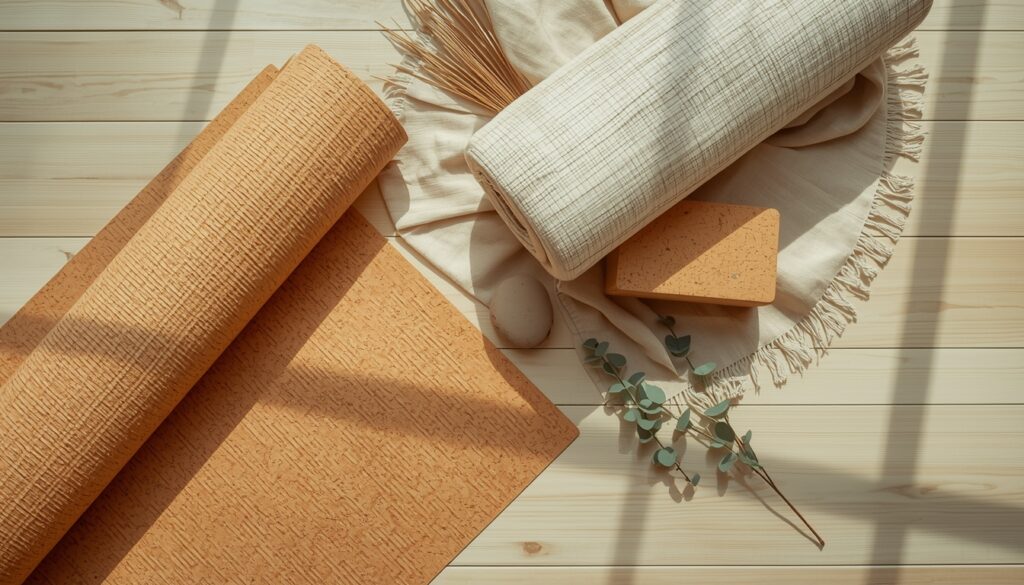
Table of Contents
Core Features That Define the Best Yoga Mat for Restorative Yoga
Restorative practice centers entirely on deep relaxation, nervous system regulation, and extended, motionless holds. Because you spend prolonged periods in floor-based postures, standard athletic padding is rarely sufficient. Evaluating the right structural specifications ensures your mat provides maximum comfort and therapeutic support.
Generous Dimensions (Length and Width): Extra space ensures your arms and legs remain fully supported during wide, reclining postures. If you are comparing standard sizes against oversized options, review the benchmarks in our yoga mat thickness guide to find your ideal fit.
High-Density Cushioning (Superior Joint Protection): A dense profile ranging from 6mm to 10mm thickness is ideal for restorative routines. This substantial cushioning relieves pressure on sensitive joints like the knees, hips, and lower spine without sacrificing surface stability.
Soft, Tactile Surface Texture: A gentle, skin-friendly surface texture enhances relaxation during long supine or seated holds. It provides a comfortable tactile feel while maintaining enough structural integrity to keep you properly aligned.
Slip-Resistant Stability: Even though restorative yoga involves minimal dynamic movement, a secure, non-slip base is vital. A stable mat prevents props like bolsters, blocks, and straps from sliding, anchoring your practice space securely.
Non-Toxic, Eco-Friendly Materials: Because your face and body remain close to the surface for long stretches, look for low-odor natural rubber, organic cork, or TPE. To ensure your selection is completely free of harsh synthetics, cross-reference our non-toxic exercise mat guide for safe material standards.
Long-Term Compression Resistance: Restorative props and body weight exert constant, gentle pressure on the mat. High-density materials maintain their loft and structural shape over time, preventing permanent flattening.
Thickness and Cushioning: Ensuring Maximum Comfort in Restorative Practice
Thickness is the single most critical performance variable in a restorative yoga mat. Because this practice style prioritizes prolonged stillness and floor-based postures, specialized cushioning directly dictates your physical comfort and ability to relax completely.
Ideal Thickness Range and Density
- The 6mm to 10mm Standard: Restorative mats require significantly more padding than standard 4mm general-purpose mats. A profile between 6mm and 10mm strikes the optimal balance between deep joint protection and structural stability.
- High-Density Support: While plush cushioning is necessary, high-density construction prevents your body from sinking too deeply, preserving proper physical alignment during long holds.
Therapeutic Benefits of Enhanced Cushioning
Prop Stability: A dense, thick foundation anchors restorative props—such as blocks, bolsters, and folded blankets—keeping them secure and stable without shifting or sinking into the floor.
Pressure-Point Relief: Even weight distribution reduces strain across sensitive joints, including the knees, hips, elbows, and lower spine, preventing numbness during extended static postures.
Thermal Floor Insulation: Extended stillness causes the body to cool down. Thicker, high-density mats provide crucial thermal insulation against cold studio or home flooring, enhancing overall relaxation.
Material Quality: Foam, Rubber, Cork, and Eco-Friendly Options
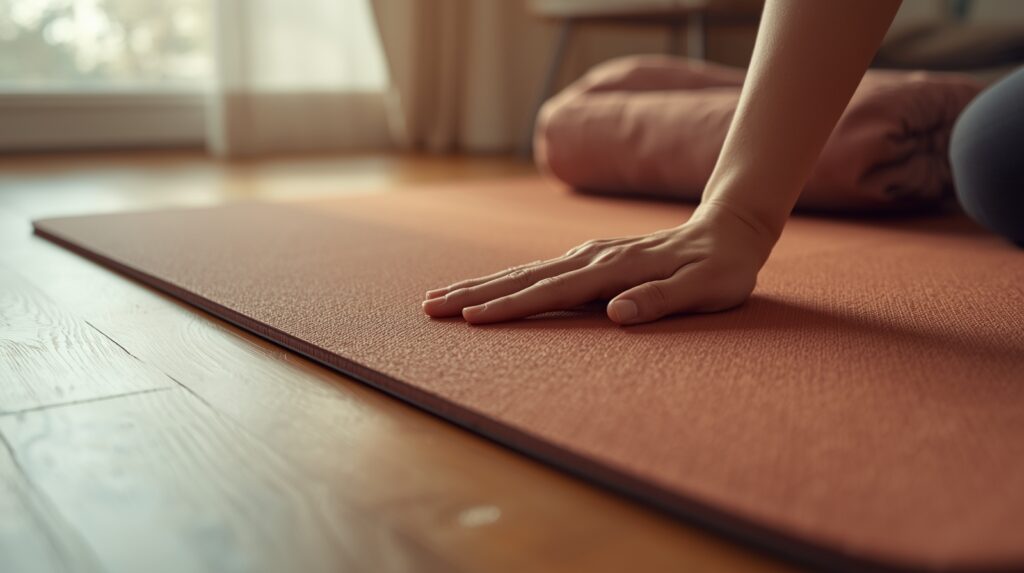
The material of your yoga mat directly dictates tactile comfort, thermal insulation, and long-term durability, making it especially vital for slow, supported restorative sessions. Each compound offers distinct advantages for extended floor contact.
Performance Breakdown of Restorative Mat Materials
- High-Density Foam Mats: Renowned for plush cushioning, foam delivers immediate pressure relief for long holds. However, opting for a high-density variant is crucial to prevent premature compression and flattening over time.
- Natural Rubber Mats: Rubber provides an exceptionally grounded, sturdy foundation. Its dense composition stabilizes body weight during supine poses, though it adds overall carrying weight to your setup.
- Cork Surfaces: Featuring a naturally warm, skin-friendly texture, cork becomes more secure as body heat activates its natural properties. Its inherent antimicrobial qualities keep the mat fresh during long periods of direct skin contact.
- Thermoplastic Elastomer (TPE): TPE offers a lightweight, flexible, and low-odor cushioning alternative to traditional PVC, making it ideal for close-contact relaxation routines. For a complete analysis of alternative compounds beyond restorative routines, review our detailed insights on yoga mat materials and grip.
5. Softness and Texture: Gentle Support for Long Holds
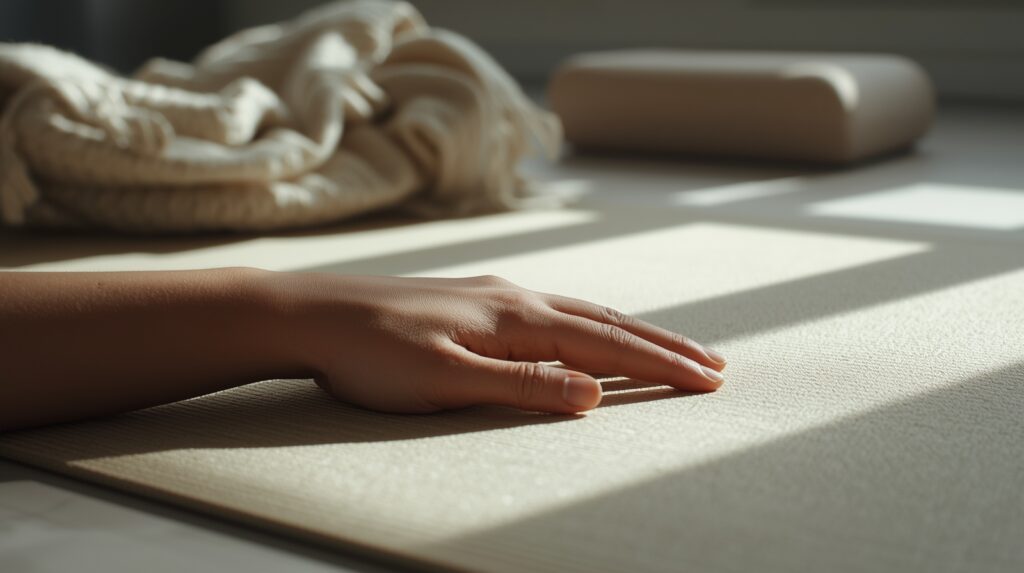
Surface texture and tactile feel heavily influence nervous system regulation, helping you settle into deep, distraction-free stillness during restorative holds.
Achieving the Ideal Tactile Balance
Low-Friction Grip: Unlike high-traction Vinyasa mats, restorative surfaces require a subtle, non-abrasive texture that anchors your body comfortably without feeling sticky. If you are comparing material safety standards and chemical makeups, explore our benchmarks in the non-toxic exercise mat guide.
Skin-Friendly Softness: A smooth, gentle finish prevents physical irritation on sensitive areas like the elbows, forearms, and lower spine during prolonged floor-based postures.
Structured Stability: While comfort is paramount, the surface must resist excessive squishing to maintain proper skeletal alignment and postural support.
Grip and Stability: Non-Slip Performance for Slow Movements
Even though restorative yoga features minimal dynamic motion and gentle transitions, maintaining a completely anchored practice space is vital. Surface stability directly impacts your ability to release physical tension without constantly readjusting your position.
Surface Traction and Floor Anchoring
- Reliable Low-Traction Surfaces: Unlike high-adhesion Vinyasa mats designed for sweat, restorative mats require a subtle, balanced traction profile. This allows you to settle into supported reclined poses smoothly without feeling restricted or sticky.
- Dual-Layer Anti-Slip Base: The underside of the mat must feature high-friction texturing or micro-grooves to grip studio hardwood, tile, or home carpeting securely, eliminating frustrating mat curl and lateral sliding.
Prop Integration and Structural Security
Deepening Nervous System Relaxation: When your mat remains immovably grounded, your body lets go of subconscious micro-tensions. This complete structural security enables deeper somatic release and sustained mental focus throughout your practice.
Anchoring Restorative Props: Restorative routines rely heavily on bolsters, yoga blocks, and folded blankets. A stable top surface prevents these props from shifting out of alignment during long, passive holds.
Durability and Longevity: Preserving Structural Integrity Over Time
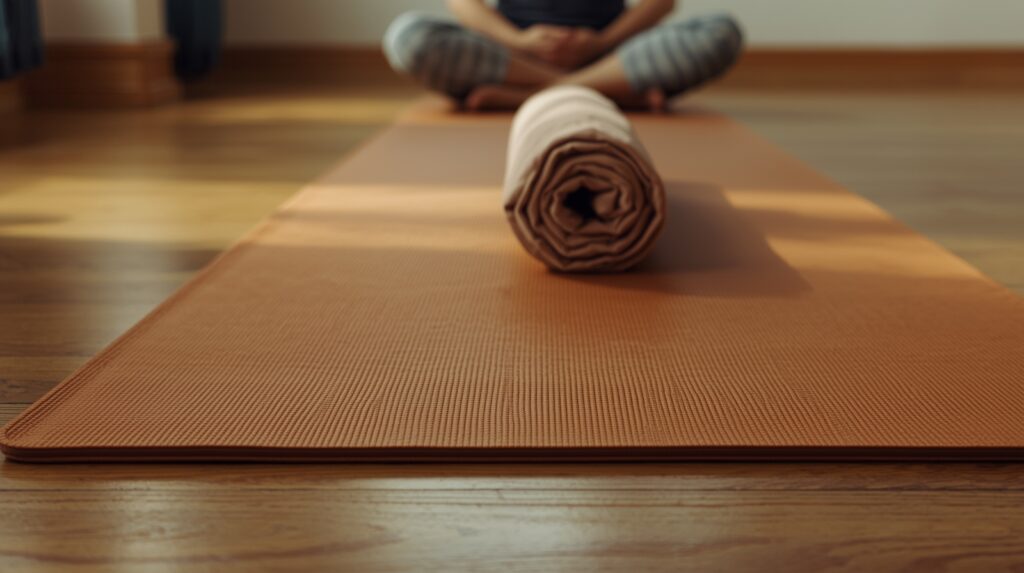
A mat dedicated to restorative practice must endure steady, localized pressure without degrading. Because poses involve prolonged stillness, the internal structure needs to retain its cushioning and support session after session.
Compression Resistance and Material Resilience
- Compression Set Stability: High-density materials resist flattening out, preventing permanent dents or soft spots from forming under body weight and props. Understanding how materials manage ongoing deformation is essential; you can explore technical breakdown principles via Wikipedia’s compression set reference.
- Layer Bonding and Fusing: Multi-layer designs require robust manufacturing to prevent peeling or splitting at the seams, ensuring the mat remains safe and supportive over years of use.
Long-Term Value and Construction Quality
- Tear and Stretch Prevention: Premium raw compounds—such as natural rubber, cork, and high-density formulations—resist fraying or warping when heavy bolsters and blocks are placed on top.
- Cost-Effectiveness: Investing in a structurally durable mat minimizes the need for frequent replacements, offering better long-term economy for your home or studio practice.
Size and Dimensions: Finding the Right Fit for Relaxation Poses
Restorative yoga relies heavily on spaciousness. Having enough room to stretch and settle without your limbs resting on cold flooring is vital for deep nervous system relaxation.
Standard Versus Extended Length Benchmarks
- Height-Appropriate Coverage: While a standard 68-inch mat suits many practitioners, taller individuals benefit from 72 to 84-inch configurations to ensure full-body support during supine extensions.
- Wider Profiles for Rest: Extra-wide mats spanning 26 to 30 inches give your arms, shoulders, and legs ample breathing room during expansive, reclined poses.
Accommodating Props and Floor Poses
Unrestricted Movement: Minimizing physical adjustments allows you to maintain deep meditative states without slipping off the edges during transitions.
Prop Placement Freedom: Restorative sessions involve positioning bolsters, blankets, and blocks directly around or on your mat. Generous dimensions keep all accessories securely anchored.
Weight & Portability: Easy to Carry for Studio and Home Use
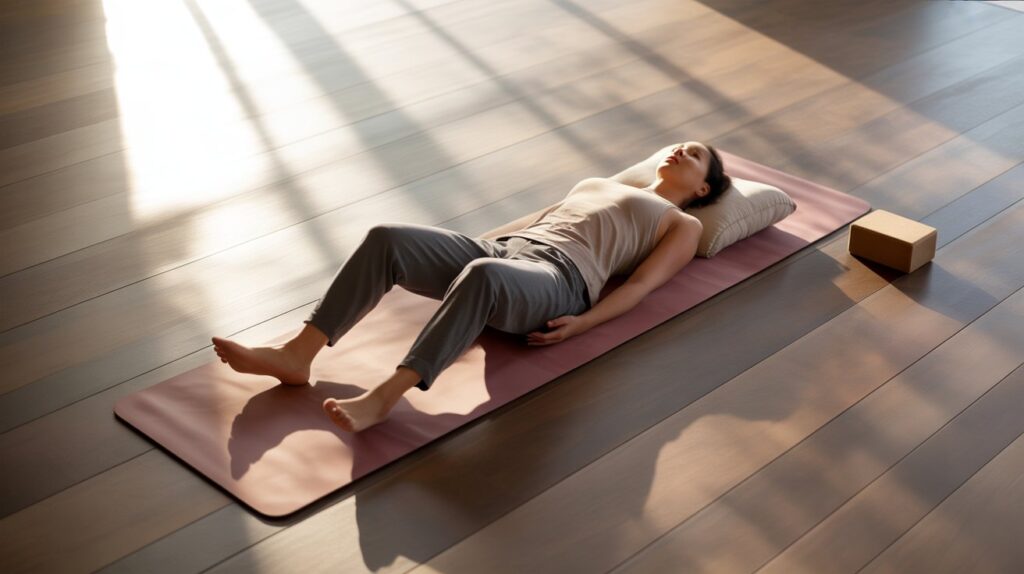
A mat that’s comfortable to carry makes your practice more flexible and convenient, whether you’re heading to a studio or setting up a calming space at home. The right mat weight ensures you can transport it easily without compromising on comfort and support. For a broader look at how thickness and size affect portability across all mat types, see our guide to portability and storage based on mat size.
• Lightweight Options for Daily Travel
If you frequently visit a studio, a lighter mat — typically between 2 to 3 pounds — can make commuting much more manageable. These mats are easy to fold or roll and fit comfortably in most yoga bags.
• Balanced Weight for Better Support
Heavier mats often provide more density and cushioning. Weighing between 4 to 6 pounds, they offer increased stability and durability, making them ideal for at-home restorative practice where portability is less of a concern.
• Convenience of Carrying Straps and Bags
Many mats come with built-in straps or carrying sleeves. These accessories make transport easier and help protect the mat from dust and wear during travel.
• Compact Storage
A mat that rolls up neatly or folds without creasing is convenient for small apartments or shared spaces. Portability isn’t just about carrying — it’s also about storing it efficiently between sessions.
• Matching Weight to Your Lifestyle
Your daily routine determines the ideal mat weight. If you’re always moving between studio and home, a lightweight option is practical. If you prioritize stability and comfort during long restorative holds at home, a slightly heavier mat may be the better choice.
Temperature and Insulation: Maintaining Body Warmth During Extended Relaxation
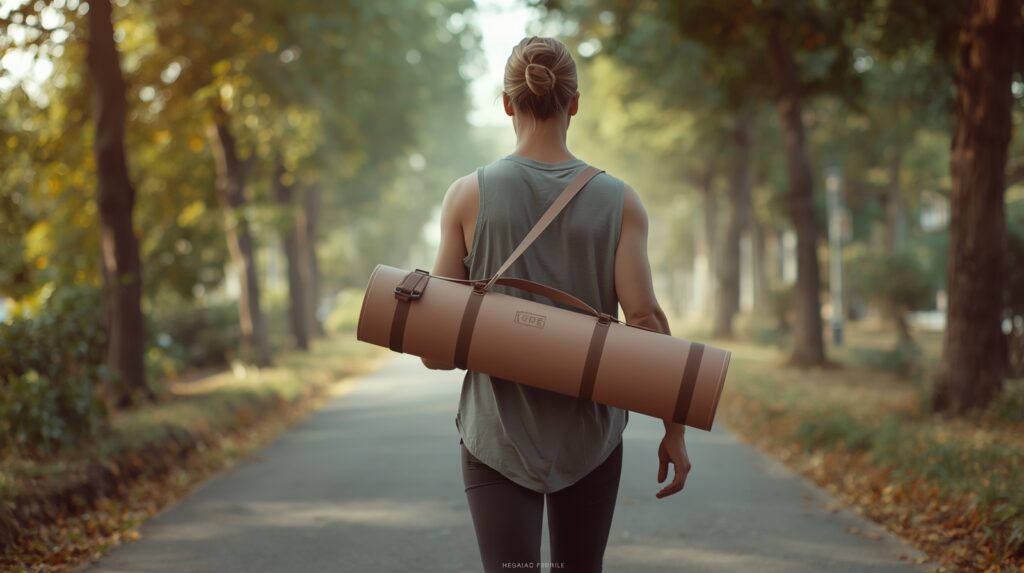
During restorative yoga, prolonged stillness causes the body’s metabolic rate and internal temperature to drop. Selecting a mat with proper thermal insulation is crucial for preventing heat loss and keeping muscles relaxed throughout long holds.
The Role of Thermal Barriers in Restorative Practice
- Preventing Chill Transfer: Hard studio or home flooring—such as tile, concrete, or hardwood—conducts cold rapidly. A well-insulated mat acts as a thermal barrier, stopping cold transfer from seeping into the body.
- Sustaining Muscular Relaxation: When ambient or floor temperatures drop, muscles tend to tighten subconsciously. Maintaining a warm, stable surface helps your nervous system stay relaxed during extended reclined poses.
Material Properties That Enhance Warmth
Naturally Insulating Compounds: Organic cork and dense natural rubber offer superior thermal regulation compared to thin, low-cost synthetic alternatives, ensuring a comfortable surface regardless of seasonal changes or drafty rooms.
High-Density Thermal Retention: Thicker, high-density profiles (6mm to 10mm) provide a substantial air barrier that naturally traps body heat, creating a cozy environment for restorative recovery.
Maintenance, Cleaning & Odor Resistance
A yoga mat that is easy to maintain not only stays hygienic but also lasts longer, providing consistent comfort and support for your practice. Restorative sessions often involve prolonged contact with the mat, so keeping it clean and odor-free is essential.
• Simple Cleaning Methods
Regular wiping with a damp cloth and mild soap or a gentle mat spray helps remove sweat, dust, and dirt. For deeper cleaning, some mats are machine-washable or can be soaked briefly in water without damaging their structure.
• Odor Resistance
High-quality materials like natural rubber, cork, or TPE are naturally low-odor or develop a minimal scent over time. Proper cleaning and air-drying prevent lingering smells, keeping the mat fresh for every session.
• Quick Drying
Mats that dry quickly reduce the risk of mold or mildew growth. After cleaning, rolling or hanging the mat in a well-ventilated area helps maintain hygiene and ensures it’s ready for your next practice.
• Durability and Care
Avoid using harsh chemicals, abrasive brushes, or excessive heat, as these can weaken the mat’s material. Gentle maintenance prolongs cushioning, grip, and overall performance.
• Consistency for a Comfortable Practice
A well-maintained mat stays smooth, supportive, and odor-free, allowing you to focus entirely on relaxation. This consistency is especially important for restorative poses, where comfort is key to full-body relaxation.
Price, Value & Warranty: Choosing a Mat Within Your Budget
When it comes to selecting a yoga mat for restorative practice, the price tag doesn’t tell the whole story. What truly matters is whether the mat delivers long-term value for your practice. A budget-friendly option might work fine for beginners, but if you practice regularly — especially restorative yoga, which often involves longer holds — you’ll want a mat that balances cost with comfort, durability, and support.
Start by looking at the materials. High-quality natural rubber and eco-friendly blends usually cost more upfront, but they tend to last longer and provide better cushioning than cheaper PVC mats. If you prefer plush padding for gentle, slow-paced sessions, investing a little extra in a premium material often pays off over time.
Next, consider overall value rather than just the sticker price. A mat with excellent grip, reliable density, and long-lasting construction reduces the need for frequent replacements. Over time, this saves money while also enhancing the overall quality of your practice. To see how these factors come together in specific mats, check out our top recommended yoga mats for restorative practice below.
Finally, check the warranty or satisfaction guarantee. Many reputable brands offer coverage against defects or premature wear. A solid warranty is a strong indicator that the company stands behind its product — and that you’re likely getting something genuinely built to last.
Top Recommended Yoga Mats for Restorative Yoga
Selecting the right equipment transforms a restorative practice from basic stretching into a deeply therapeutic, recovery-focused experience. Because restorative yoga relies heavily on prolonged holds, joint protection, and floor insulation, standard thin mats fall short. Below are the top-rated yoga mats specifically vetted for superior cushioning, stability, and long-term durability.
Jade Fusion Mat
- The Standout Feature: Extra-thick natural rubber construction.
- Why It Excels for Restorative: At 8mm thick, the Fusion mat delivers exceptional joint cushioning without sacrificing grounding stability. Its dense rubber compound relieves pressure on sensitive knees and hips during extended supine postures.
Manduka PRO Series (PRO / PROlite)
- The Standout Feature: High-density closed-cell engineering.
- Why It Excels for Restorative: Built for a lifetime of use, the Manduka PRO provides a firm yet supportive surface that resists bottoming out. Its high-density build offers reliable structural insulation against cold studio flooring.
Lululemon The Mat 5mm
- The Standout Feature: Balanced tactile cushioning and dual-layer stability.
- Why It Excels for Restorative: While traditionally favored for dynamic flows, the 5mm iteration provides a smooth, inviting surface texture that feels exceptionally comfortable during long, static floor holds.
Yoloha Cork Mats
- The Standout Feature: Natural antimicrobial cork surface paired with a dense rubber base.
- Why It Excels for Restorative: Cork naturally warms with body heat and offers a skin-friendly, chemical-free texture. It provides a soft, organic feel that enhances relaxation during face-down restorative poses.
Gaiam Premium Extra Thick Mat
- The Standout Feature: High-value, accessible plush padding.
- Why It Excels for Restorative: Measuring around 6mm to 8mm thick, this budget-friendly option provides ample cushion for beginners who want immediate joint relief on hard hardwood or tile floors without a major upfront investment.
BalanceFrom GoFit All-Purpose High-Density Mat
- The Standout Feature: Lightweight, ultra-soft foam composition.
- Why It Excels for Restorative: Offering generous cushioning at an entry-level price point, this mat is easy to roll out and provides maximum softness for gentle, seated recovery work.
Manduka eKO Series
Why It Excels for Restorative: The eKO series offers a spongy, cushioned feel with a seagrass-textured grip that prevents sliding. It delivers eco-conscious comfort and reliable thermal insulation for mindful practitioners.
The Standout Feature: Sustainable, biodegradable natural rubber tree harvest.
How to Choose the Right Mat Based on Your Needs
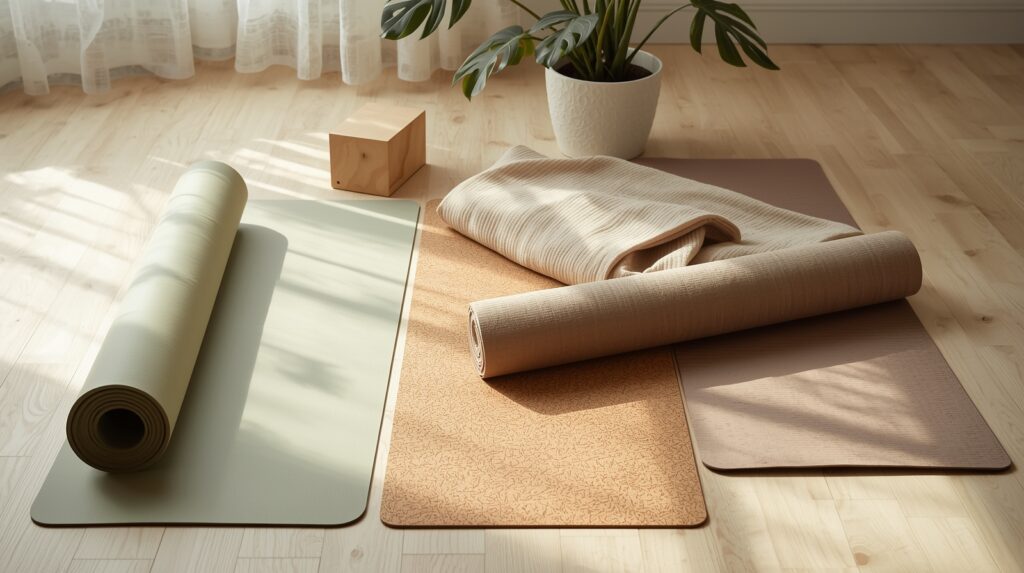
Selecting the ideal restorative yoga mat comes down to aligning technical specifications with your personal practice habits. Because this style prioritizes deep relaxation, somatic release, and joint protection, your decision-making framework should focus on specific performance factors rather than generic features.
Key Decision Factors for Your Restorative Practice
Balance Investment with Longevity: Premium materials like rubber and high-end closed-cell compounds carry a higher upfront cost but resist compression set, delivering long-term value and consistent performance.dget options can still provide great comfort for occasional practice. Choose one that fits your budget while meeting your core needs.
Prioritize Joint Cushioning and Density: If you experience lower back, hip, or knee sensitivity during floor work, look strictly for a profile between 6mm and 10mm. Substantial padding prevents bottoming out during extended static holds.
Match Material to Tactile Sensitivities: Choose compounds that fit your sensory and ecological preferences:
Natural Rubber: Delivers exceptional structural stability and a grounded feel.
Organic Cork: Provides a warm, skin-friendly surface with natural antimicrobial properties.
High-Density Foam / TPE: Offers budget-friendly plushness and lightweight utility.
Assess Your Environment and Mobility: If you practice primarily at home, a heavier, ultra-dense mat provides superior thermal insulation. For frequent studio commutes, balance thickness with carrying weight.
Verify Dimension and Sizing Requirements: Taller practitioners or those who incorporate sprawling, expansive reclined postures should opt for extended lengths (72 inches or more) and extra-wide profiles (26 to 30 inches) to keep limbs off cold flooring.
Evaluate Maintenance and Upkeep: Look for low-odor, easy-to-wipe surfaces that require minimal cleaning, ensuring your relaxation space stays fresh session after session.
Final Verdict: Which Mat Truly Stands Out for Restorative Yoga?
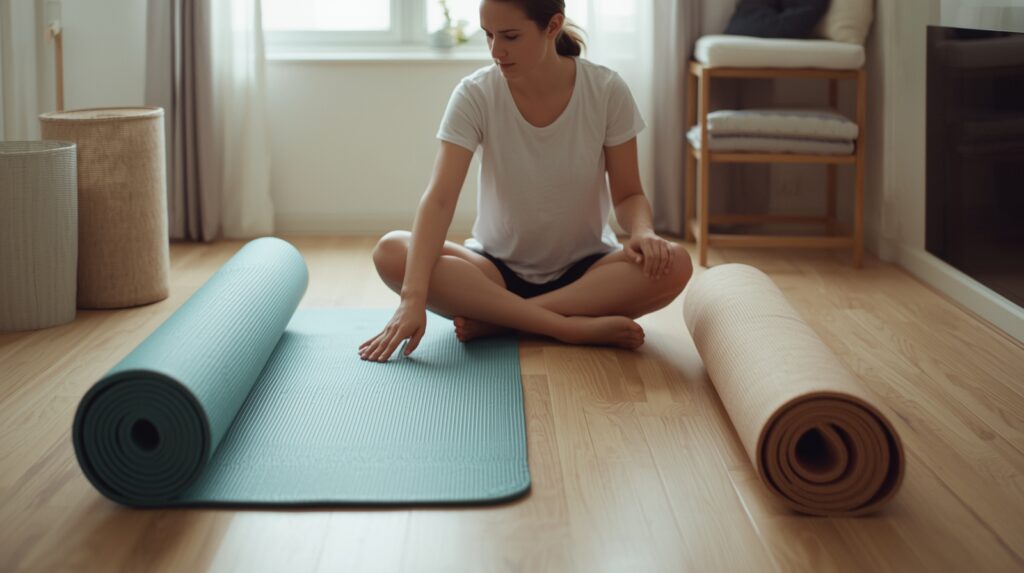
Choosing the right restorative mat depends entirely on how you prioritize cushioning, material sustainability, and durability. Because slow practices demand uninterrupted joint protection and thermal insulation, your final choice should align directly with your physical needs and practice environment.
Summary Recommendations by Practitioner Need
- For Maximum Joint Protection: Choose an extra-thick (6mm–10mm) profile to completely insulate sensitive knees, hips, and the lower spine during prolonged floor holds.
- For Long-Term Durability and Balance: Opt for natural rubber or cork variants that resist compression set and provide a stable, eco-friendly anchor. If you are dealing with specific physical discomfort during floor work, you can explore targeted configurations in our best yoga mats for knee pain guide.
- For Budget-Conscious Home Practice: A high-density foam or TPE mat offers accessible, gentle cushioning without heavy upfront costs.
FAQs
What thickness is best for restorative yoga mats?
A thickness of 6mm to 10mm is ideal. Thicker mats offer better cushioning, which is important when holding poses for longer periods.
Are natural rubber mats good for restorative yoga?
Yes. Natural rubber provides excellent grip and balanced cushioning. It’s durable and comfortable, making it suitable for slow, gentle practices.
Can I use a standard yoga mat for restorative yoga?
You can, but a standard mat may feel too firm. Restorative yoga involves long, supported poses, so extra padding often makes the experience more comfortable.
What features should I prioritize when choosing a mat?
Look for cushioning, material quality, grip, size, and easy-care surfaces. These features support comfort and stability during long holds.
Do I need a larger mat for restorative yoga?
A wider or longer mat isn’t mandatory, but many people find larger mats more comfortable because they offer more space for stretching and full-body poses.
Conclusion
Choosing the right yoga mat for restorative practice makes a real difference in how supported, grounded, and relaxed you feel during long, slow-held poses. Whether you prefer the softness of foam, the stability of natural rubber, or the eco-friendly appeal of cork, the best mat is the one that matches your comfort needs and practice goals.
By prioritizing the right thickness, material, and durability, you can confidently choose a mat that supports your body and encourages consistency in your practice. If you’re also comparing mats for other styles, our guide to standard yoga mat dimensions can help you find the right fit beyond restorative sessions too.
With the right foundation beneath you, every session becomes an opportunity to rest, restore, and reconnect with yourself.
About the Author
Muhammad Bilal
Muhammad Bilal is a certified yoga instructor and equipment specialist with a focus on restorative movement gear and joint protection. He tests and evaluates practice surfaces to help yogis build safe, comfortable, and sustainable home and studio routines.