Introduction
If you’re searching for the best Manduka yoga mat, you’re likely looking for a blend of durability, comfort, and reliable performance. With several Manduka models available — each designed for different needs — it can be challenging to know which one is the right fit for your practice. This guide breaks down the essential features to compare, from material and thickness to grip and durability, helping you understand what truly sets each Manduka mat apart so you can choose the option that supports your body, style, and long-term goals.
Table of Contents
1. Material Quality & Construction
Manduka is known for its high standards in build quality, and each mat is crafted with a specific type of practitioner in mind. Most of their premium models use high-density PVC or sustainably sourced natural rubber, both chosen for durability and long-term performance. The PVC versions go through an emissions-free manufacturing process, creating a firm, supportive base that maintains its shape even after years of regular practice.
Their natural rubber options offer a more eco-conscious feel with excellent elasticity and cushioning. These mats are made from renewable resources and avoid harmful chemicals, making them a solid choice for those who want strong performance with minimal environmental impact. If you’re still deciding between materials in general, our guide on material quality and durability in yoga mats breaks down how PVC, TPE, natural rubber, and cork compare across the board.
Across the board, Manduka mats are engineered to be dense, resilient, and resistant to early wear. Whether you prefer a sturdy, studio-quality surface or a more flexible, eco-friendly foundation, the construction consistently reflects Manduka’s attention to quality and longevity.
2. Thickness & Cushioning Levels
Thickness plays a major role in how a Manduka yoga mat feels under your hands and feet. Different levels of cushioning can directly affect comfort, joint support, and stability throughout your practice.
Most Manduka mats come in a range of thicknesses — from thinner, firmer options that are ideal for balance and standing poses, to thicker ones that offer extra padding for sensitive joints like knees and wrists. A standard thickness provides a balanced mix of support and stability, making it versatile enough for most types of practice.
Thicker models offer enhanced comfort, especially beneficial for restorative practices, beginners, or anyone with joint concerns. The added cushioning helps absorb impact and reduces pressure on bones during seated or kneeling postures. However, thicker mats can feel slightly less stable during advanced balance poses.
In contrast, thinner options are lighter and often preferred by those who prioritize portability or practices that demand strong grounding and connection to the floor. These provide excellent feedback and control, particularly useful in dynamic or flowing styles.
3. Grip & Traction (Dry + Sweaty Conditions)
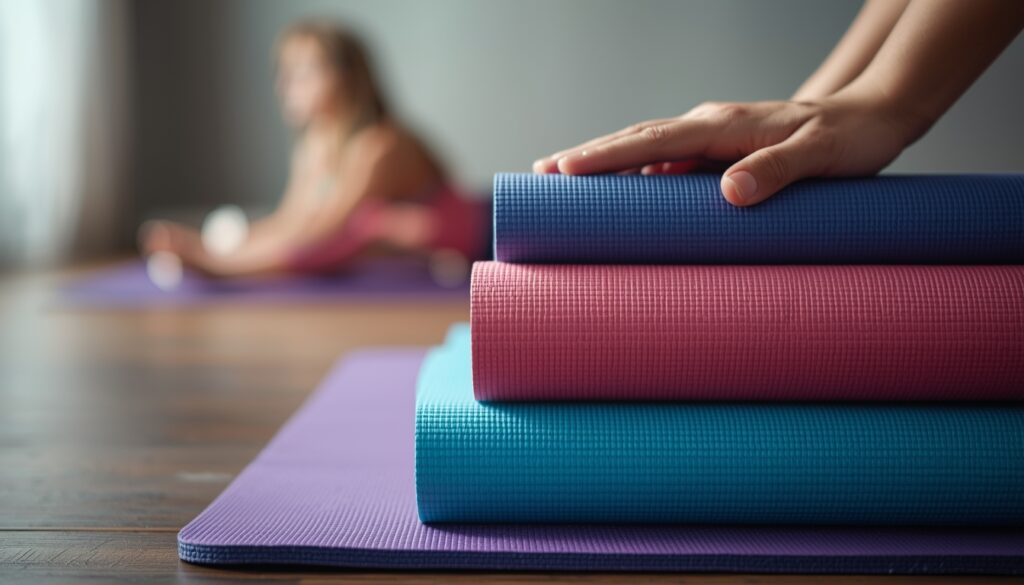
Grip and traction determine how secure your hands and feet feel during practice, especially in challenging poses. A good surface should provide reliable grip in both dry and sweaty conditions.
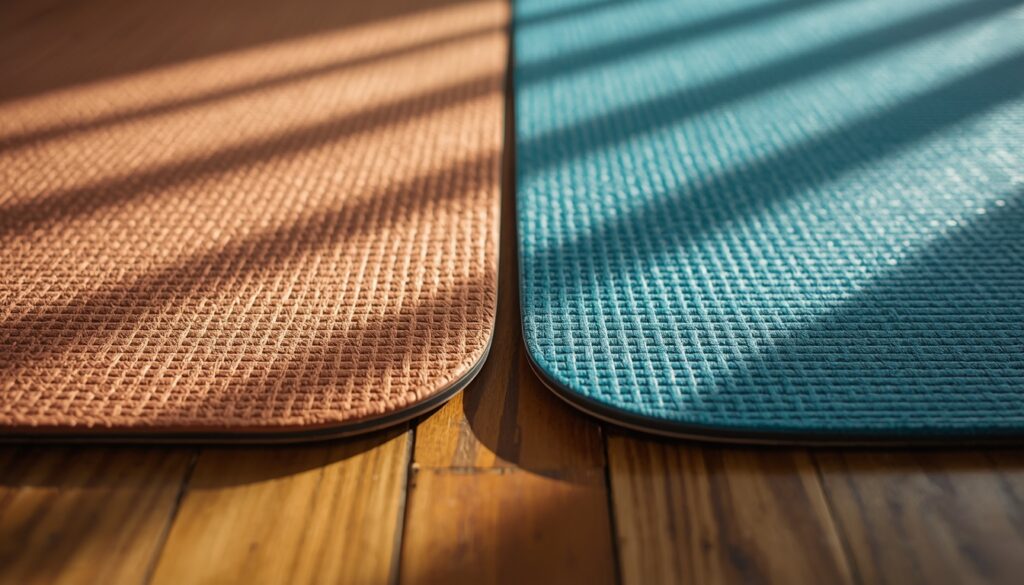
Most mats from this brand feature a textured surface designed to enhance traction. In dry conditions, the material naturally grips skin well, allowing you to confidently transition between poses without slipping. This is particularly helpful during standing balances or dynamic flows where stability matters most.
In sweaty or heated environments, grip can change slightly. Some models perform better as moisture increases, maintaining traction and reducing slippage. Others may benefit from a light mist of water to activate the surface and improve grip. Regardless of the specific surface technology, the key is consistent performance that keeps you grounded even when your practice gets intense.
4. Weight & Portability
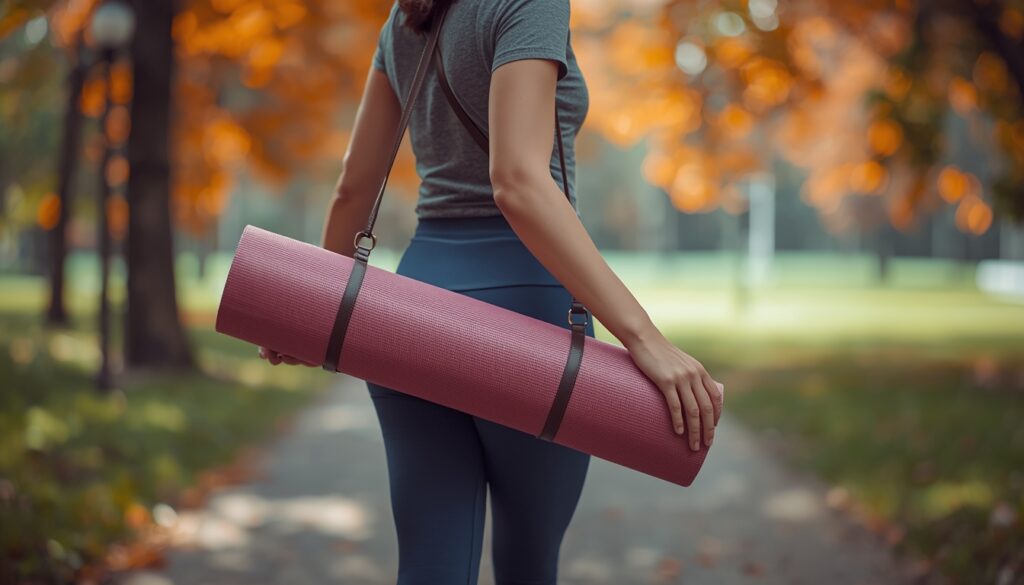
When selecting a mat, weight and portability are important considerations—especially if you travel frequently or attend classes outside your home.
Heavier mats tend to be denser and more durable, offering excellent stability and a solid feel underfoot. These are ideal for studio use or home practice where you don’t need to carry them far. The trade-off is that they can be bulky to transport, especially if you walk, bike, or take public transit to class.
Lighter options are easier to carry and more travel-friendly. They fold or roll up more compactly, making them a good choice for trips, gym bags, or frequent commutes. While lighter mats may sacrifice some cushioning or firmness, they still provide sufficient support for most practices and are especially appealing for those who value convenience.
5. Size & Dimension Variations
Yoga mats come in a range of sizes to suit different body types and practice needs, and understanding these options helps you find the best fit.
Standard sizes are typically long and wide enough for most practitioners, providing ample space for a full range of poses. If you’re of average height, a standard mat usually offers comfortable room without feeling cramped.
For taller individuals or those with a larger wingspan, longer models are available. These extended dimensions ensure your hands and feet never extend beyond the edge during stretches or transitions, which can improve comfort and alignment.
There are also wider options that give extra space side-to-side. These are great if you prefer more room for sprawling poses or if you simply want a more generous surface.
Travel-friendly sizes are typically shorter and more compact. While they reduce overall surface area, they’re easier to carry and fit into luggage or small bags.
6. Durability & Longevity
Durability and longevity are key factors when choosing a yoga mat, especially if you practice regularly. A high-quality mat should withstand frequent use, resist wear and tear, and maintain its structure over time.
Mats with dense construction tend to last longer because the fibers hold up better against repeated compression and friction. This means fewer signs of flattening, tearing, or surface breakdown, even after months or years of consistent practice. Durable surfaces also resist stretching or warping, keeping the mat’s original shape intact.
Longevity isn’t just about the material itself—it also depends on how well the mat handles sweat, cleaning, and everyday handling. Mats that resist moisture absorption and are easy to wipe down typically stay fresh and functional longer. Some designs are engineered for extended performance, so you won’t need to replace them as soon as lighter, less robust options.
7. Eco-Friendliness & Sustainability
Environmental impact is increasingly important when choosing yoga gear, and many practitioners look beyond performance to consider how a mat affects the planet.
Some models are made from biodegradable natural rubber that is responsibly harvested and free from PVC, harmful plasticizers, and toxic dyes. These natural materials come from renewable sources, and their production processes aim to minimize waste and avoid harmful emissions.
Other versions use sustainably manufactured PVC certified to strict safety standards, produced with zero emissions into the atmosphere. These mats are built to last, which also supports sustainability by reducing the frequency of replacement.
Beyond the materials, the brand has taken steps to extend product life cycles. A recycling program allows practitioners to send back old mats so they can be responsibly processed and turned into new materials, helping prevent used mats from ending up in landfills.
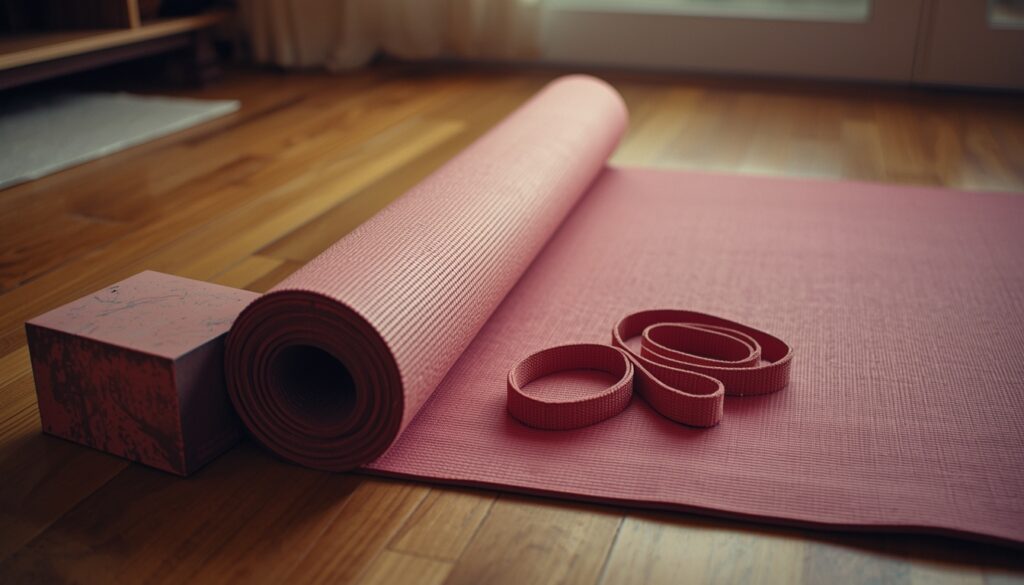
In addition, many of the props and accessories in the lineup incorporate recycled or sustainable components, such as straps made from recycled polyester or blocks crafted from sustainable cork.
8. Maintenance & Cleaning Requirements
Keeping your Manduka yoga mat clean helps extend its life and ensures a fresh, hygienic surface for practice. Maintenance needs can vary depending on the material and finish — rubber, PVC, and textured surfaces each require slightly different care.
For most rubber or textured surfaces, a simple routine works well: mix a mild soap with warm water, lightly spray or dip a cloth, then wipe the mat down. Avoid soaking it, as excessive moisture can degrade some materials or affect grip. After cleaning, let it air dry completely before rolling it up — this prevents mildew and odors. For a more detailed breakdown, check out our full guide on yoga mat cleaning and maintenance.
Some mats benefit from a dedicated mat cleaner designed to be gentle yet effective. These sprays help remove sweat and surface oils without harsh chemicals that could break down the material over time.
For deeper cleaning, especially after very sweaty sessions, a slightly stronger but still mild solution can be used occasionally. Always check care instructions specific to the mat type, as certain materials shouldn’t be fully submerged or machine washed.
9. Performance Across Yoga Styles
Different styles of yoga place different demands on a Manduka mat’s surface, cushioning, and stability. Understanding how a mat performs across these styles can help you choose the option that best matches your practice.
For gentle or restorative practices, extra cushioning and a soft surface are most beneficial. These characteristics provide comfort during longer holds and seated poses, reducing pressure on hips and knees — if joint comfort is your priority, our guide on choosing an extra thick yoga mat for joint support covers this in more depth.
In flowing or dynamic styles like vinyasa, practitioners need a combination of grip and responsiveness. A mat with reliable traction helps maintain balance during transitions, while a stable surface supports quick movements without slipping.
In heated classes, moisture management becomes a priority. A surface that maintains traction even when sweaty helps keep hands and feet secure, allowing you to focus on alignment rather than slipping.
For powerful strength-based sequences, firmness and durability are key. A denser surface offers the stability needed for challenging standing balances and arm balances, while resisting compression under frequent use.
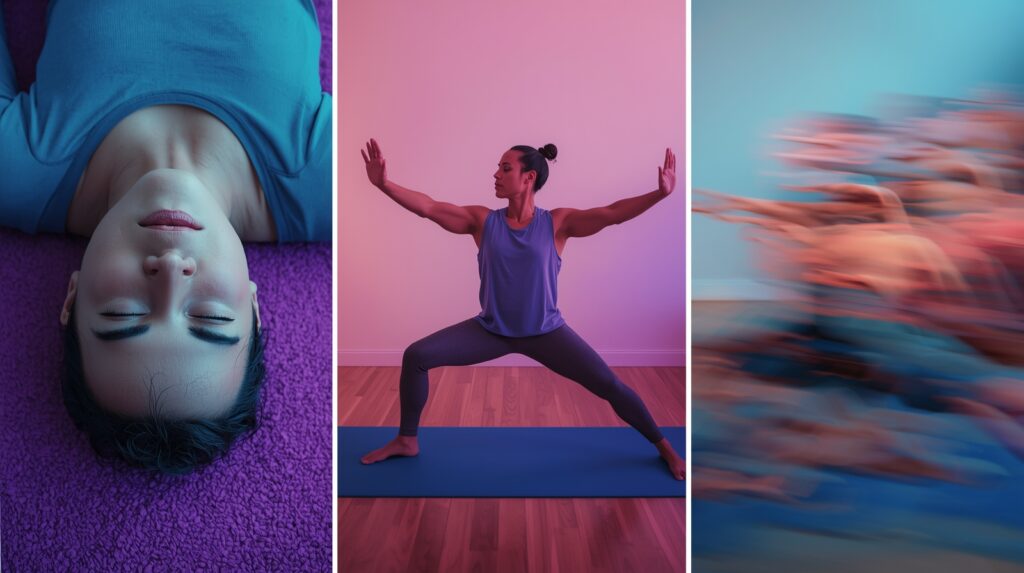
10. Comfort During High‑Pressure Poses
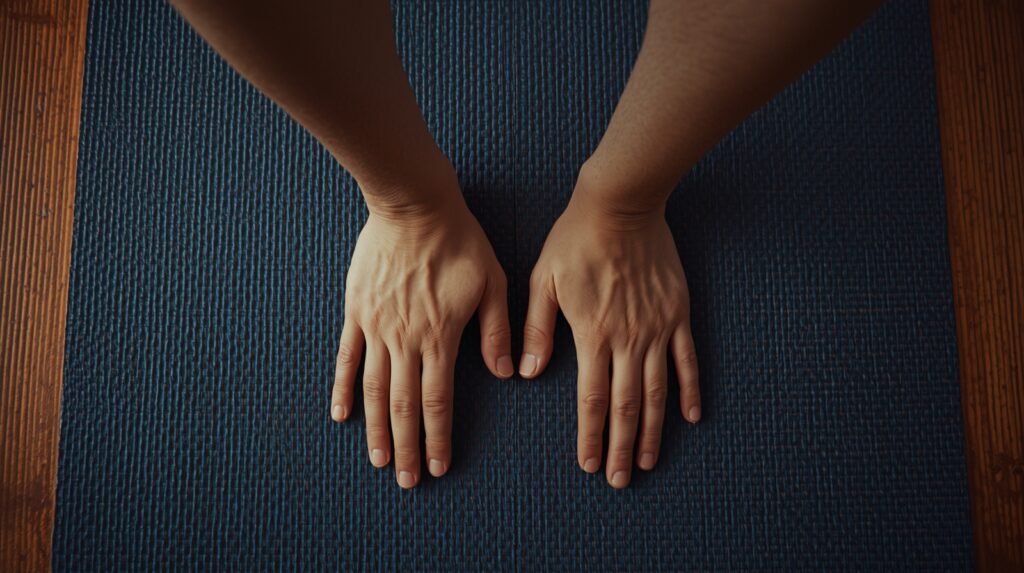
When you move into poses that put extra pressure on specific parts of your body—like knees, wrists, or elbows—the level of comfort a mat offers becomes very important. The right surface balances firmness with enough softness to protect your joints without feeling unstable.
A slightly cushioned surface helps absorb impact and reduces discomfort during deep lunges, kneeling postures, or wrist‑intensive moves like plank and downward facing dog. Too firm a surface can feel harsh under sensitive areas, while too soft a one may compromise stability during balance work.
Textured surfaces can also contribute to comfort by providing subtle support that adapts to the contours of your body, helping reduce slipping and shifting under pressure. This makes transitions smoother and keeps you focused on alignment instead of adjusting your footing.
11. Price Range & Overall Value
Price is an important factor when choosing a Manduka yoga mat, but it’s equally important to consider what you get for your investment. Manduka mats range from budget-friendly to premium, and understanding how price relates to performance helps you decide which option offers the best value.
Higher-priced models often reflect better materials, stronger construction, and longer durability. These mats tend to resist wear and tear, maintain grip over time, and provide consistent performance session after session. Spending more upfront can mean fewer replacements and a more reliable practice surface in the long run.
Mid-range options may offer many of the same benefits, just with slightly different materials or fewer added features. They can be ideal for regular practitioners who want strong performance without reaching the highest price tier.
Budget-oriented models provide basic functionality and are great for beginners, occasional use, or travel. While they may lack some premium features like superior cushioning or advanced traction, they still support good alignment and comfort for everyday practice. If you’re weighing price against long-term value in more detail, our price and value guide for extra large yoga mats breaks down how to judge cost-effectiveness across budget, mid-range, and premium options.
12. Aesthetic Options (Colors & Design Choices)
While performance matters most, the look of your Manduka mat can also enhance your practice experience. A range of colors and designs lets you choose a surface that reflects your personal style and motivates you to roll it out more often.
Many mats come in solid, neutral tones — like blacks, grays, and earth tones — that suit a minimalist aesthetic and blend seamlessly with any space. These options are popular for studio settings or for practitioners who prefer a classic, understated look.
There are also brighter colors and patterned surfaces for those who enjoy more expressive designs. Vibrant hues can energize your practice, help distinguish your mat in a group class, and make it easier to spot in your home or gym bag.
Some lines include limited-edition prints or seasonal palettes, offering unique choices that feel special or collectible. Textured or marbled finishes add visual interest while still performing well during use.

FAQs
What is the difference between Manduka PRO and eKO mats?
The Manduka PRO is made from high-density PVC, offering superior durability and a firmer, more cushioned feel ideal for studio and long-term use. The eKO series, on the other hand, is crafted from natural rubber, making it a more eco-friendly choice with better grip but a shorter break-in period and slightly less longevity than the PRO line.
How long does a Manduka yoga mat last?
With proper care, a Manduka mat can last anywhere from 5 to 10 years, depending on usage frequency and material. The Manduka PRO is backed by a lifetime guarantee, reflecting the brand’s confidence in its long-term durability compared to standard budget mats.
Is Manduka worth the price compared to cheaper yoga mats?
Yes, for regular practitioners, Manduka mats are generally worth the investment due to their superior durability, consistent grip, and long-lasting construction. While budget mats may work for occasional use, Manduka’s build quality reduces the need for frequent replacements, offering better long-term value.
Do Manduka mats smell when new?
Some Manduka mats, especially rubber-based models, may have a mild natural odor when first unrolled. This typically fades within a few days to a couple of weeks with proper airing and occasional use, and is not a sign of poor quality.
Which Manduka mat is best for beginners?
Beginners often do well with the Manduka Begin or PROlite series, as these offer a good balance of cushioning, grip, and affordability without the steeper price point of the PRO line. They provide enough support for building confidence in foundational poses.
Conclusion
Choosing the right Manduka yoga mat comes down to understanding what matters most for your practice — whether that’s cushioning, grip, durability, sustainability, or portability. Each Manduka model offers its own blend of features, and taking the time to compare these details helps you make a confident and well-informed decision.
Consider how often you practice, the styles you enjoy, and your personal comfort preferences. A mat that supports your body, aligns with your lifestyle, and feels good under your hands and feet can make a meaningful difference in your overall experience. If joint support and cushioning are a priority for you, our guide on choosing an extra thick yoga mat can help you narrow down the right thickness. With the right choice, you’ll have a reliable foundation that enhances your sessions and keeps you motivated to return to the mat again and again.