Introduction
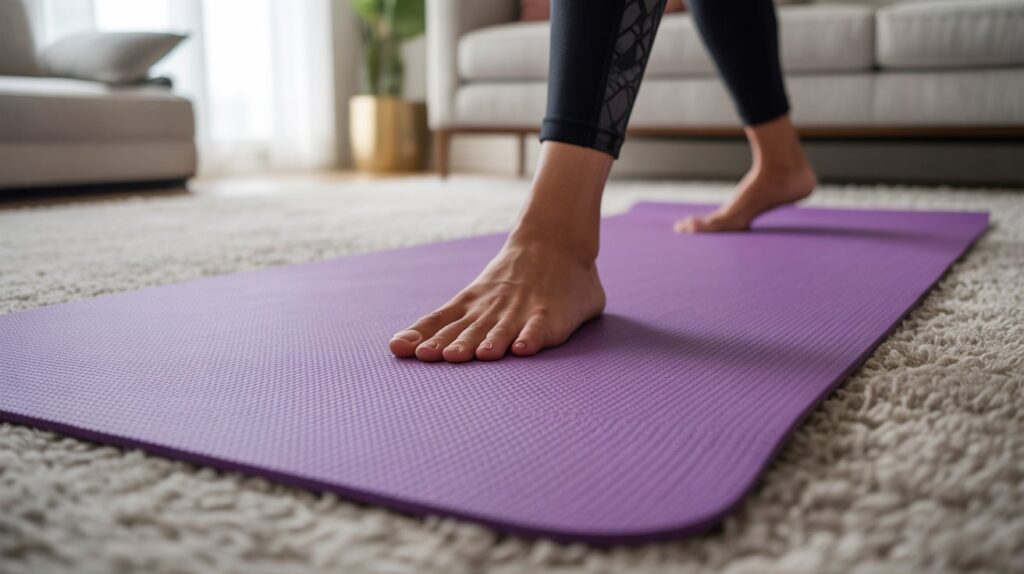
Choosing the right extra large yoga mat can completely transform how comfortable, stable, and supported you feel during every session. If you are a taller practitioner, require expansive room to move freely, or want a versatile training surface for yoga, Pilates, or full-body floor workouts, finding the correct dimensions and material quality makes all the difference.
In this comprehensive buyer’s guide, we break down the critical factors—ranging from precise longitudinal dimensions and cushioning thickness to slip-resistant grip and eco-friendly material composition—so you can confidently select an extra-large exercise mat tailored to your specific biomechanical needs and lifestyle.
Table of Contents
2. Size & Dimensions
When evaluating oversized training surfaces, analyzing the exact spatial footprint and surface area is essential. While a conventional yoga mat measures approximately 68 inches by 24 inches, an extra large yoga mat extends far beyond those traditional boundaries. Available options range from extended-length models measuring up to 84 inches long to ultra-spacious designs reaching up to 6 feet in width, providing unhindered room for dynamic movement.
- Longitudinal Clearance for Tall Practitioners: Extra length is vital for preventing your hands and heels from sliding off the edge during full-body extensions. To explore precise sizing recommendations based on user height, review our specialized guide on choosing the best yoga mat for tall individuals.
- Lateral Freedom & Width Options: Wider configurations supply expansive lateral space, making them exceptional for Pilates, mobility routines, or high-intensity interval training where fluid movement without constant repositioning is required.
Matching your physical proportions and preferred practice disciplines to the correct spatial dimensions ensures complete structural support, safety, and comfort.
3. Thickness & Cushioning
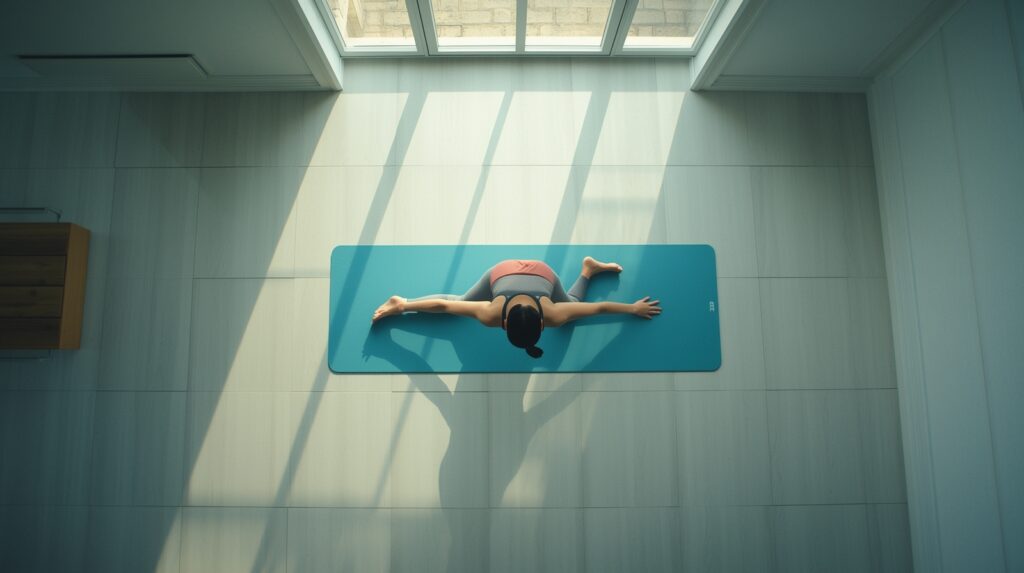
The profile thickness of your oversized mat plays a vital role in determining tactile comfort, joint protection, and overall foundational support throughout your routine. Selecting the appropriate millimeter (mm) density directly impacts how stable and connected you feel to the floor.
Low-Profile Options (3–4 mm)
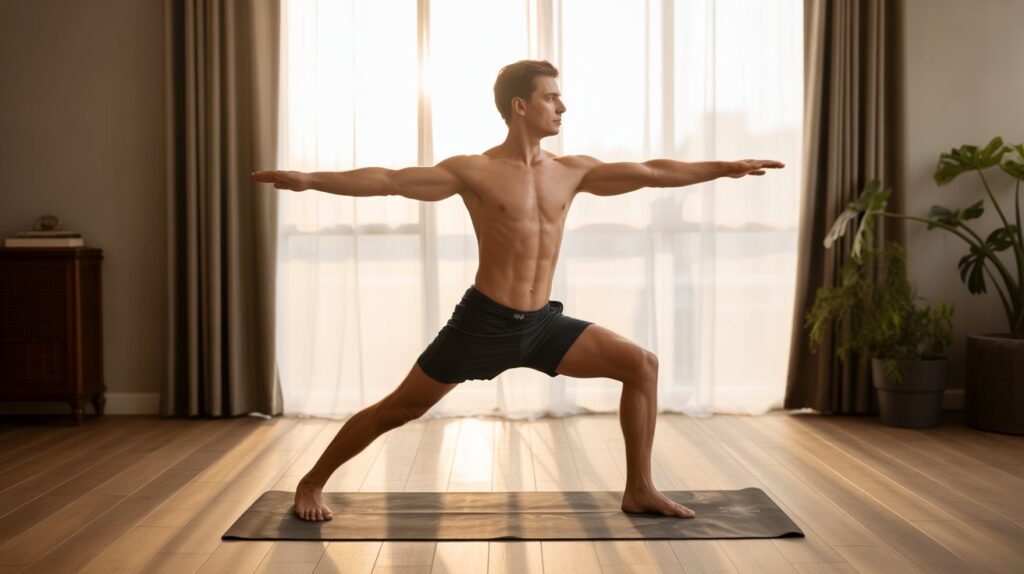
These slim profiles deliver a firm, grounded tactile feel and superior structural stability. They are exceptionally well-suited for balance-driven postures such as Tree Pose or standing warrior sequences, though they may offer limited padding for sensitive joints during prolonged floor work.
Standard Performance Profiles (5–6 mm)
Striking the ideal equilibrium between joint cushioning and unwavering stability, this mid-tier range prevents you from feeling disconnected from the ground while absorbing impact. It serves as the universally preferred thickness for diverse practice styles.
High-Cushion Variations (8 mm and Above)
Engineered for maximum shock absorption and relief for sensitive wrists or knees. These thicker builds provide luxurious padding during extended restorative floor sessions, though they can introduce minor micro-instability during advanced standing balances.
Balancing millimeter density with your primary physical requirements ensures your oversized surface delivers optimal ergonomics and joint security.
4. Material Quality & Durability
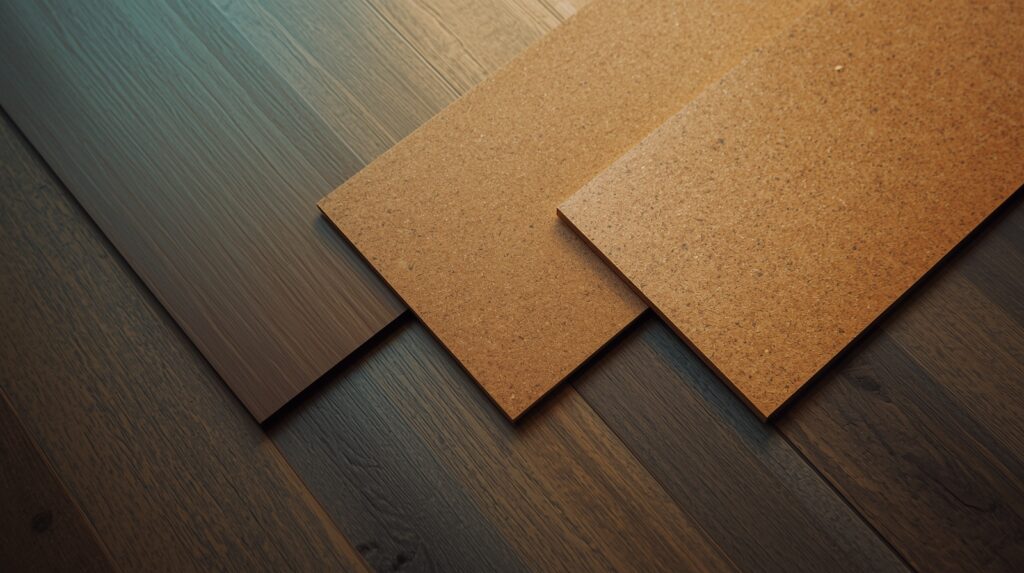
The material of a yoga mat determines how it feels, how long it lasts, and how well it performs over time. Common options include PVC, TPE, natural rubber, and cork — each offering a distinct set of advantages depending on your priorities.
PVC is known for its durability and strong grip, making it a long-lasting choice, although it’s not the most eco-friendly material available. TPE is lighter and more environmentally conscious, offering a softer feel with reliable cushioning — a great option for eco-conscious buyers. Natural rubber provides excellent traction and resilience, ideal for those who want a more grounded, stable surface for intense practices. Cork, on the other hand, is a durable option that becomes grippier as you sweat, while also offering natural antimicrobial properties — perfect for hot yoga or high-sweat sessions.
When comparing materials, pay close attention to how well each one resists wear, tearing, and compression over time. A high-quality extra large yoga mat should maintain its shape, withstand frequent rolling or folding, and handle different workout intensities without breaking down quickly. Investing in a strong, long-lasting material ensures better performance, safety, and value over the long term.
5. Grip & Stability (Dry + Sweaty Conditions)
A reliable surface grip is essential for maintaining postural balance and movement confidence throughout any routine. Traction profiles generally fall into two primary categories:
Traction Profile Types
- Dry-Condition Textures: Designed with tactile surface patterns that lock your hands and feet securely in place under normal, dry conditions.
- Moisture-Activated Traction: Featuring specialized coatings or open-cell substrates that enhance grip as perspiration increases, making them ideal for hot yoga or high-intensity training.
Structural Anchoring & Safety
Equally important is structural anchoring. A mat that slips across smooth studio floors or curls at the perimeter interrupts movement flow and compromises safety. Look for high-friction backing or anti-skid rubber bases designed to stay firmly anchored during dynamic transitions.
6. Portability & Weight
Because oversized training surfaces inherently cover more square footage, managing their physical weight and bulk is crucial—particularly if you commute to local studios, fitness centers, or outdoor parks.
- Material Weight Impact: Dense natural rubber models offer maximum ground traction but carry a heavier load, whereas synthetic TPE or lightweight foam alternatives reduce transport weight significantly.
- Transport Mechanisms: While some large configurations roll up into manageable cylinders, others incorporate foldable paneling, dedicated carrying straps, or travel sleeves.
Evaluate your travel frequency before purchasing. If your mat remains permanently rolled out in a dedicated home training space, weight is secondary. However, frequent travelers benefit immensely from lightweight, easily packable designs that streamline daily transit.

7. Versatility for Different Workouts
An expansive training surface extends far beyond traditional yoga sessions, adapting effortlessly to a diverse spectrum of fitness modalities. Wider footprints provide unhindered room for Pilates flows, mobility drills, deep stretching protocols, and dynamic bodyweight movements without requiring constant physical readjustment. This spatial freedom is especially advantageous for lateral footwork or multi-directional floor routines.
- Multi-Disciplinary Utility: Thickened variations easily double as comfortable landing pads for light resistance training, bodyweight calisthenics, or core conditioning.
- Shared & Family Spaces: The generous square footage also accommodates partner training sessions or acts as a clean, cushioned ground zone for children.
Evaluating your weekly training habits ensures your selected mat functions as a truly versatile centerpiece for both home gyms and multi-purpose studio environments.
8. Noise & Impact Reduction
In shared living environments, multi-family apartments, or upstairs rooms, acoustic management is a vital consideration. Oversized training mats equipped with dense, multi-layer cushioning act as effective sound dampening barriers, softening the acoustic footprint of footfalls, jumping jacks, and rapid weight shifts.
Beyond sound suppression, shock attenuation protects sensitive joints by absorbing repetitive ground-reaction forces during high-energy exercises like burpees, lunges, and plyometric transitions. High-density polymer formulations and closed-cell sub-layers excel at distributing impact stress evenly across the floor.
9. Cleaning & Maintenance
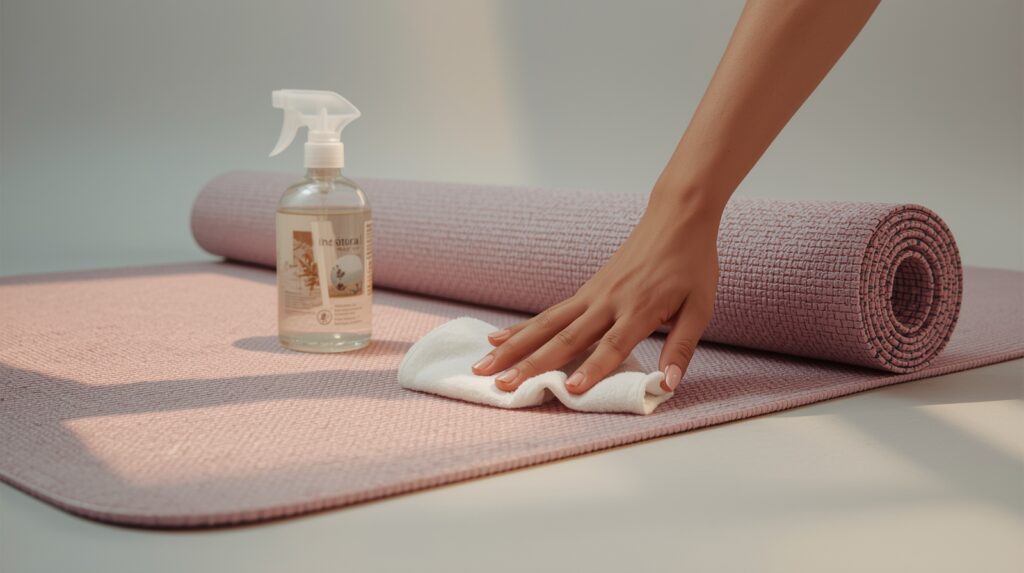
Rigorous hygiene upkeep preserves surface integrity, extends equipment lifespan, and prevents bacterial accumulation over years of regular use.
Long-Term Preservation: Routine maintenance involves inspecting for surface scuffs, preventing edge curling through proper rolling techniques, and avoiding prolonged direct sunlight that triggers UV-induced polymer degradation.
Substrate-Specific Sanitization: Dense natural rubber and synthetic TPE options generally require simple wipe-downs using a microfiber cloth and mild, pH-balanced soap solutions. Cork surfaces benefit from specialized organic sprays, whereas durable PVC mats tolerate frequent sanitizing but demand thorough drying to prevent trapped moisture odors.
10. Eco-Friendliness & Non-Toxic Materials
For environmentally conscious practitioners, evaluating the sustainable material composition of an oversized mat is essential. Traditional petroleum-based plastics like standard PVC take centuries to decompose, whereas eco-friendly alternatives offer a significantly lower carbon footprint and higher biodegradability.
Sustainable Material Composition
Responsibly harvested natural rubber, sustainable cork, and recyclable TPE provide eco-conscious alternatives to traditional synthetics. Leading manufacturers increasingly utilize closed-loop recycling processes to minimize industrial waste and promote circular sustainability.
Chemical Safety & Skin Health
Beyond environmental impact, chemical safety is paramount. Because an expanded training surface places a larger square footage of material in direct contact with your skin, ensuring a non-toxic composition is critical. Look for independent safety certifications, such as the OEKO-TEX Standard 100 guidelines, which verify that substrates are rigorously tested for harmful chemicals, heavy metals, phthalates, and volatile organic compounds (VOCs). Selecting certified, hypoallergenic materials guarantees safe, skin-friendly contact and prevents off-gassing during heated or vigorous sessions.
11. Price & Value for Money
When investing in an oversized training surface, balancing upfront cost against long-term durability is essential. Higher-priced options frequently incorporate premium substrate engineering, superior wear resistance, and specialized performance attributes such as advanced moisture-wicking traction, high-density joint cushioning, or certified eco-friendly manufacturing.
- The Long-Term Economics of Quality: While budget-friendly mats can suffice for casual, low-impact routines, they often experience rapid structural fatigue, surface peeling, or a loss of grip. Conversely, investing in a durable, high-performance mat reduces replacement frequency, delivering better cost-efficiency over years of consistent practice.
- Key Factors to Weigh: When assessing your budget, consider your training frequency, movement intensity, and material longevity. A slightly higher initial investment often yields superior joint protection, tactile safety, and overall satisfaction.
To explore how top-tier manufacturers compare across different price tiers and performance specifications, review our detailed insights in our Manduka yoga mat comparison guide.

12. Aesthetic & Design Options
While foundational sizing and material performance dictate the functional utility of your mat, visual and tactile aesthetics contribute significantly to your overall practice psychology and studio environment.
Personalization & Studio Integration
Modern oversized mats are available in an extensive spectrum of color palettes, minimalist solid tones, and intricate botanical patterns. Selecting a design that complements your personal style or home aesthetic helps cultivate an inviting, tranquil practice sanctuary that encourages regular use.
Functional Design Elements
Aesthetic features frequently serve a practical, biomechanical purpose rather than purely cosmetic ones:
- Alignment Grid Systems: Laser-etched or printed markers guide hand and foot placement during complex sequences, making them invaluable for both beginners and advanced yogis refining their posture.
- Textural Variations: Embossed geometric patterns and specialized surface micro-textures enhance tactile feedback and slip resistance, whereas smooth finishes offer a softer skin feel during restorative or seated floor work.
Balancing visual appeal with functional surface design ensures your mat looks inspiring while actively supporting your movement goals.
FAQs
How much does an extra large yoga mat cost?
Prices typically range from $30 to $100+. Basic PVC models cost $30–$40, while premium natural rubber or sustainable mats run $70–$100 due to better durability and eco-friendly materials.
What is the standard size in cm for an extra large yoga mat?
They generally measure 183 cm to 215 cm long (72 to 84 inches) and 100 cm to 180 cm wide, compared to standard 173 cm $\times$ 61 cm mats.
Can I use an extra large yoga mat for two people?
Yes, ultra-wide models reaching up to 6 feet across provide enough surface area for partner yoga or dual-practitioner workouts.
How do I store a large yoga mat properly?
Roll it loosely with the grippy side facing outward and store it in a cool, dry place away from direct sunlight to prevent warping and degradation.
Is an extra large yoga mat suitable for beginners?
Yes, the extra space removes the worry of slipping off edges, giving beginners more room for alignment and comfort during poses.
Conclusion
Selecting the ideal oversized exercise mat ensures long-term comfort, joint support, and unhindered movement freedom for your daily practice. By balancing essential factors like spatial dimensions, millimeter thickness, and substrate durability, you can secure a training foundation tailored to your exact physical requirements.
For taller practitioners seeking precise length recommendations, explore our dedicated best yoga mats for tall individuals guide.
Take time to weigh your training style, grip preferences, and environmental priorities to invest in a versatile surface that enhances every flow, stretch, and workout with confidence.
About the Author
Muhammad Bilal
Gear Researcher & Yoga Practitioner
Muhammad Bilal is a dedicated gear researcher and long-time yoga practitioner with extensive experience evaluating fitness equipment, biomechanics, and training accessories. Combining rigorous product testing with personal practice insights, he focuses on helping practitioners find high-quality, durable gear tailored to their specific ergonomic and spatial needs. His objective guidance emphasizes safety, material transparency, and long-term value.