Introduction
If your knees, wrists, or lower back feel sore after every session, the issue might not be your form—it could simply be your mat. Learning how to choose a yoga mat extra thick for joint support and home workouts is the best way to build a comfortable, pain-free routine, especially when practicing on hard surfaces like tile or hardwood floors.
In this guide, we break down the key features that truly make a difference: thickness, material quality, grip, stability, and durability. Whether you focus on gentle stretching, intense Pilates, or daily fitness routines, this simple guide will help you pick a mat that cushions your joints, supports your movement, and keeps you practicing comfortably every day.
Table of Contents
Thickness & Cushioning Level (Measured in mm; Impact on Joints and Comfort)
Mat thickness is one of the most important factors when choosing a yoga mat extra thick for joint support, directly affecting comfort and joint protection. Thickness is measured in millimeters (mm), and even a 2mm difference can noticeably change how a mat feels under your knees, wrists, or spine during practice.
4–6 mm:
This range offers moderate cushioning while still allowing good contact with the floor. It suits practitioners who want light joint support without sacrificing balance. However, it may feel insufficient for sensitive knees or wrists during longer sessions.
8–10 mm:
Thicker mats in this range provide enhanced padding and are ideal for home workouts, gentle yoga, and restorative styles. The extra cushioning helps reduce pressure on knees, elbows, hips, and the spine, making poses held for longer periods noticeably more comfortable.
12–15 mm:
These mats deliver maximum cushioning and are often preferred by beginners, seniors, or anyone managing joint pain. They absorb impact exceptionally well, especially during floor-based poses. The trade-off is that very thick padding can slightly reduce stability in standing poses — if balance is a priority for you, check out our comparison of Manduka mats to see how leading brands balance thickness with grounded stability.
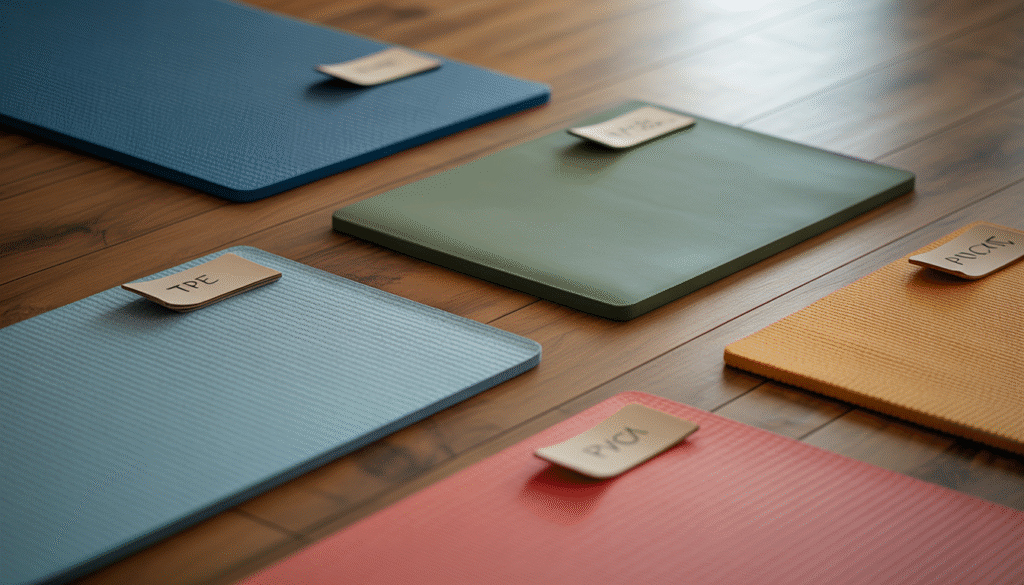
Material & Build Quality (TPE, PVC, Rubber, Foam)
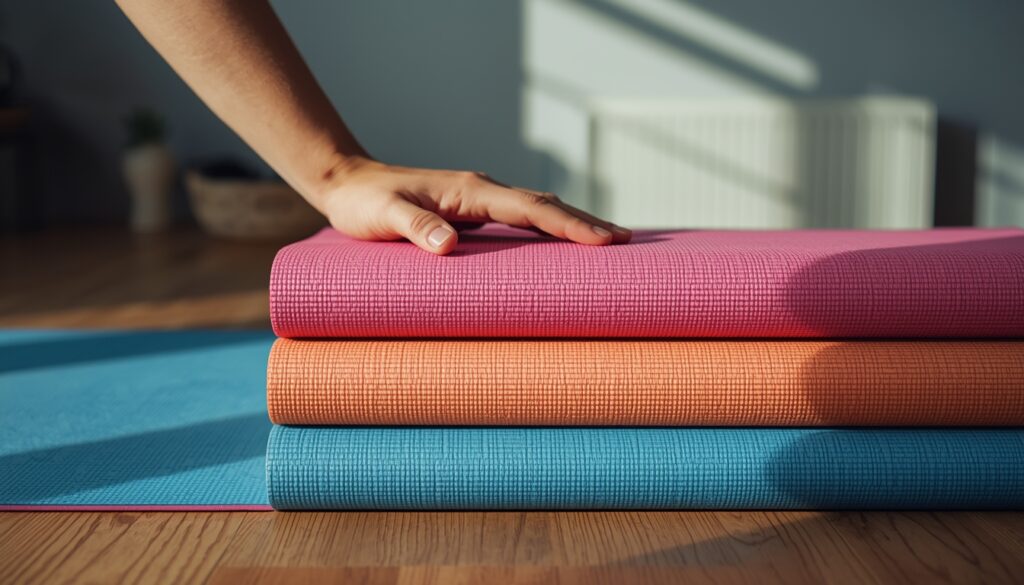
The material of a mat directly affects its comfort, durability, grip, and overall feel — and it’s often the most overlooked factor when picking a yoga mat extra thick for joint support. Understanding common materials helps you choose an option that holds up well over time instead of breaking down within a few months.
TPE (Thermoplastic Elastomer):
TPE mats are lightweight, flexible, and often marketed as eco-friendlier alternatives to PVC. They provide good cushioning and decent grip for low- to moderate-intensity sessions. Over time, lower-quality TPE may compress or lose texture, so checking build quality and density matters more than the label alone.
PVC (Polyvinyl Chloride):
PVC is known for its durability and resistance to wear, and mats made from it tend to hold their shape and thickness even with frequent use. That said, PVC is a petroleum-based plastic, and some lower-grade versions use plasticizers such as phthalates, which have raised health concerns in other consumer products. If durability is your priority, look for PVC mats labeled phthalate-free or independently certified.
Natural Rubber:
Rubber mats provide excellent grip and a stable feel, even during sweaty practices. They’re highly durable and resist sliding or bunching. However, rubber is heavier and may have a noticeable smell at first, and it isn’t suitable for those with latex allergies.
Foam (NBR or EVA):
Foam mats are popular for their softness and shock absorption, making them especially comfortable for floor exercises and joint-sensitive users. The downside is that foam can compress over time, especially with daily use, which may gradually reduce long-term support.
How a Yoga Mat Extra Thick for Joint Support Protects Your Body
Proper joint support is the main reason practitioners look for a yoga mat extra thick for joint support in the first place—especially during poses that place direct pressure on sensitive areas. A well-cushioned mat reduces strain so you can focus on proper alignment and balance instead of feeling pain.
Protecting Your Knees in Floor Poses
Poses like tabletop, low lunges, and kneeling balances can be tough on sensitive knees. Extra padding absorbs hard contact with wood or tile floors, making longer holds much easier for beginners and anyone dealing with joint discomfort.
Reducing Wrist Pressure During Weight-Bearing Moves
Wrist-heavy postures like plank pose, downward-facing dog, and arm balances put significant pressure on small joints. Added mat thickness helps spread your body weight evenly across your palms, easing wrist tension and preventing fatigue during longer sessions.
Cushioning the Spine, Hips, and Tailbone
Seated and lying-down poses place direct pressure on the tailbone, lower back, and hip bones. Superior cushioning protects the natural curve of your spine and softens every contact point. If you need extra coverage along with thick padding, pairing your routine with the best extra long yoga mats ensures your entire body stays comfortably cushioned from head to toe during full-body stretches, twists, and final relaxation.
Stability & Balance Performance (How Thickness Affects Grounding and Balance)
Stability matters just as much as cushioning, especially during standing and balance-focused poses. While added padding improves joint protection, it can also change how grounded you feel — a trade-off every extra thick yoga mat buyer should understand before choosing.
Thicker padding creates a softer surface between your body and the floor. This can slightly reduce feedback from the ground, making balance poses like tree pose, warrior III, or half moon feel less steady at first. Beginners in particular may notice mild wobbling as the mat compresses under their weight.
Higher-density mats help offset this issue by providing firm support beneath the cushioning. They compress evenly rather than sinking unevenly, which improves grounding and control. A textured or non-slip base also prevents shifting on smooth floors, further enhancing stability — something worth checking closely if you also practice on hardwood or tile floors.
Choosing a Yoga Mat Extra Thick for Joint Support and Grip
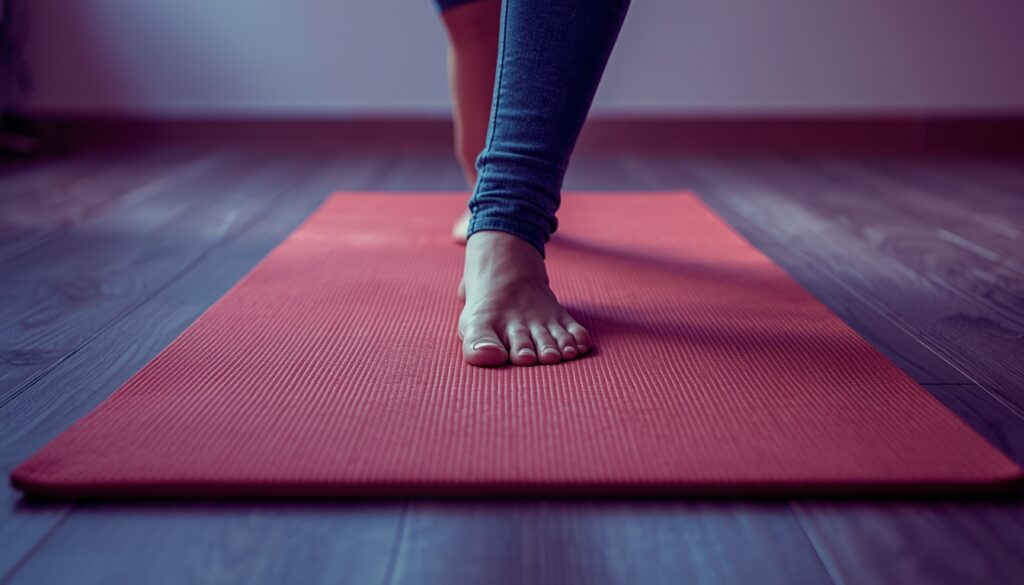
A solid grip is essential for keeping proper form and staying safe during your routine. Traction performance often depends on your sweat level, mat material, and surface texture.
Traction in Dry and Gentle Practice Sessions
In low-sweat routines like gentle stretching, yin yoga, or slow flows, most surfaces offer plenty of friction. Smooth or lightly dimpled mats feel soft on your hands and feet while keeping you stable through basic standing and floor movements.
Maintaining Stability in Hot and Sweaty Workouts
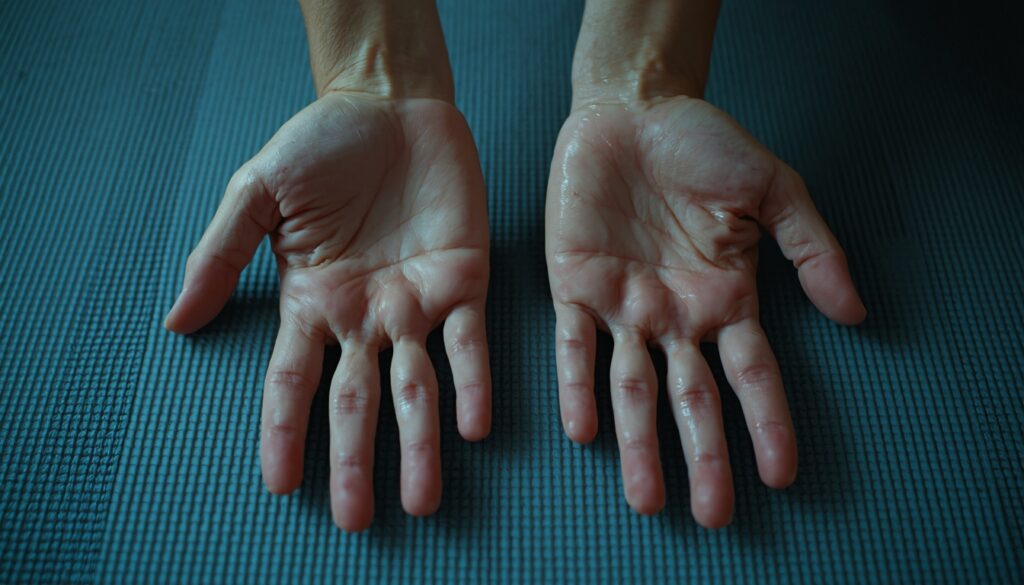
During active vinyasa classes or heated sessions, damp hands can cause slipping on smooth surfaces. Choosing a mat with a moisture-resistant top layer or naturally tacky rubber keeps your hands locked in place. Certain open-cell materials even absorb moisture quickly to maintain high traction throughout longer, intense workouts.
How Textured Surfaces Prevent Slipping
Raised patterns, fine ridges, and surface grooves add extra grip under your palms and feet. These friction points keep you from sliding during quick transitions between poses. Equally important is a non-slip bottom texture, which anchors the mat firmly to hardwood, tile, or carpeted floors so it never bunch up under weight.
Size & Dimensions (Length, Width, and User Suitability)
Size plays a key role in overall comfort and freedom of movement. A mat that feels too short or narrow can limit poses and affect alignment, especially during full-body stretches.
Length:
Standard mats are usually around 68 inches long, which works well for most users. Taller individuals may benefit from extended-length options (72 inches or more) to ensure full support during poses where the body is fully stretched out.
Width:
Typical width is about 24 inches, but wider designs provide extra space for arm and leg placement. This added room is especially helpful for beginners, plus-size users, or anyone who prefers more stability during transitions.
Overall Comfort & Coverage:
A larger surface area allows better positioning in standing, seated, and floor-based poses. It also reduces the need to constantly readjust, making sessions smoother and more focused.
Balancing Weight and Portability in Your Yoga Mat
Weight is a key factor to keep in mind, especially if you plan to carry your mat to studio sessions or pack it away after every workout. Thicker and denser mats naturally weigh more because of the extra padding and material used.
Heavy Duty Mats for At-Home Practice
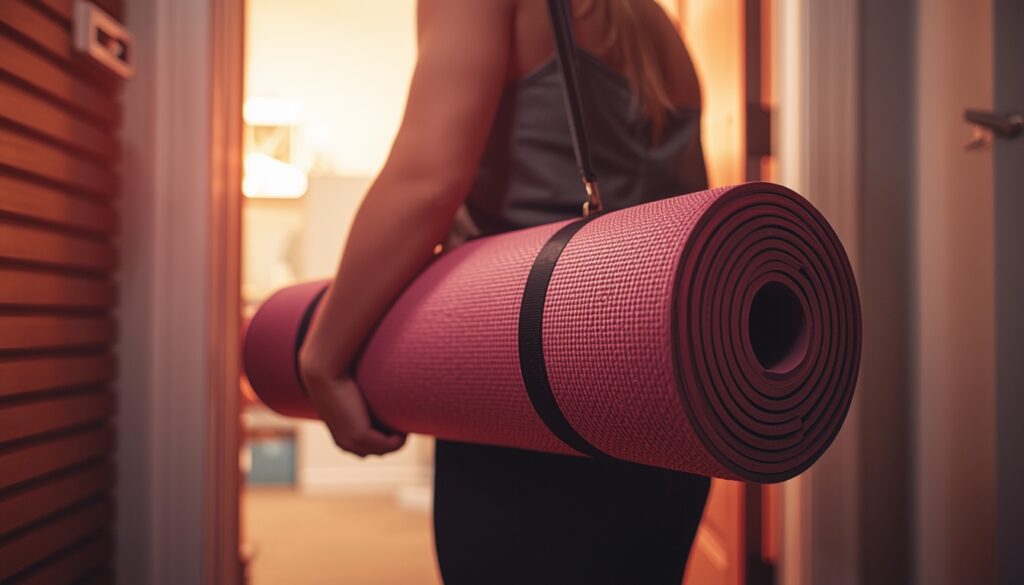
Heavier mats deliver superior cushioning, joint comfort, and ground stability, but they can feel bulky when rolled up. They work best for home workout spaces where you do not need to carry them around every day. If you do need to move them occasionally, using a simple carrying strap or mat bag makes transport much easier.
Lightweight Options for On-the-Go Practice
Lighter models are easy to carry and fold up quickly for travel or daily commutes. However, lighter weight often means lower density, which can reduce long-term durability and joint support. If you want a comfortable surface that offers both extra size and reliable padding for home practice, exploring the best bigger yoga mats can help you find the right balance between coverage and convenience.
Best Use Cases (Yoga Styles & Workouts)
Extra cushioning makes certain mats better suited for specific styles and workout types. Understanding where they perform best helps you match comfort with your practice goals.
Restorative & Gentle Yoga:
Slow-paced styles with long-held poses benefit from added padding. The soft surface supports the body during deep relaxation and reduces pressure on joints and contact points.
Prenatal Yoga:
Expecting practitioners often need more comfort and stability, especially in seated and side-lying poses. Better cushioning supports the hips, knees, and lower back, making sessions safer and more comfortable.
Yin Yoga:
Yin poses involve extended holds close to the floor. Extra padding helps protect joints and connective tissue, allowing deeper relaxation without discomfort.
Pilates & Floor Workouts:
Many Pilates exercises involve rolling, spinal articulation, and core work on the floor. A well-cushioned surface improves comfort and reduces strain on the spine and tailbone.
Home Workouts:
For strength training, stretching, and mixed routines at home, thicker mats provide shock absorption and versatility. They create a more forgiving surface on hard floors, making daily workouts more enjoyable and joint-friendly.

Eco-Friendly and Safe Yoga Mat Materials for Healthier Practice
Choosing a mat made from safe, eco-friendly materials protects both your personal health and the environment. Using low-toxicity gear reduces exposure to harmful chemicals, which is especially important during hot, sweaty sessions where your skin stays in direct contact with the surface.
Non-Toxic Materials and Chemical Safety
High-quality mats made from natural rubber, TPE (Thermoplastic Elastomer), or eco-certified PVC avoid dangerous chemical additives like phthalates, heavy metals, and toxic plasticizers. Standard mats that release strong fumes can affect indoor air quality during deep breathing exercises. For unbiased information on chemical exposure and household material safety, you can review the U.S. EPA guidelines on indoor air quality and materials.
Latex-Free Options for Sensitive Skin
For anyone dealing with skin sensitivities or natural latex allergies, choosing a synthetic, latex-free option is essential. Modern latex-free materials deliver the same level of cushioning, stability, and grip without triggering skin reactions, making floor workouts safe and accessible for every practitioner.
Key Environmental and Safety Certifications
To verify that a product meets strict safety standards, look for trusted international eco-labels and material certifications:
FSC (Forest Stewardship Council): Guarantees that natural rubber is harvested sustainably from responsibly managed forests, as detailed by environmental conservation bodies like the World Wildlife Fund.
OEKO-TEX Standard 100: Ensures the finished product has been tested and certified free from harmful levels of toxic substances.
GRS (Global Recycled Standard): Verifies recycled material content and tracks responsible social and environmental practices during manufacturing.
Durability & Longevity (Compression Resistance, Wear and Tear)
Durability is an important factor for anyone investing in a quality mat. A well-built mat maintains its cushioning and structure even with frequent use, ensuring long-term comfort and support.
Compression Resistance:
High-density materials resist flattening over time, keeping the surface supportive for joints and spine. Mats that compress easily can lose cushioning within a few months, reducing comfort and making poses less stable.
Wear and Tear:
Regular use can cause fraying edges, surface cracks, or texture degradation. Mats made from durable materials like PVC, natural rubber, or reinforced TPE are more resistant to these issues. The quality of construction—such as even density, smooth edges, and non-slip surfaces—also contributes to longevity.
Maintenance Impact:
Proper care, including regular cleaning and avoiding prolonged exposure to sunlight or moisture, helps extend a mat’s lifespan. A durable mat not only lasts longer but also retains grip, cushioning, and aesthetic appeal over time.
Cleaning & Maintenance (Water Resistance, Odor Control, Ease of Care)
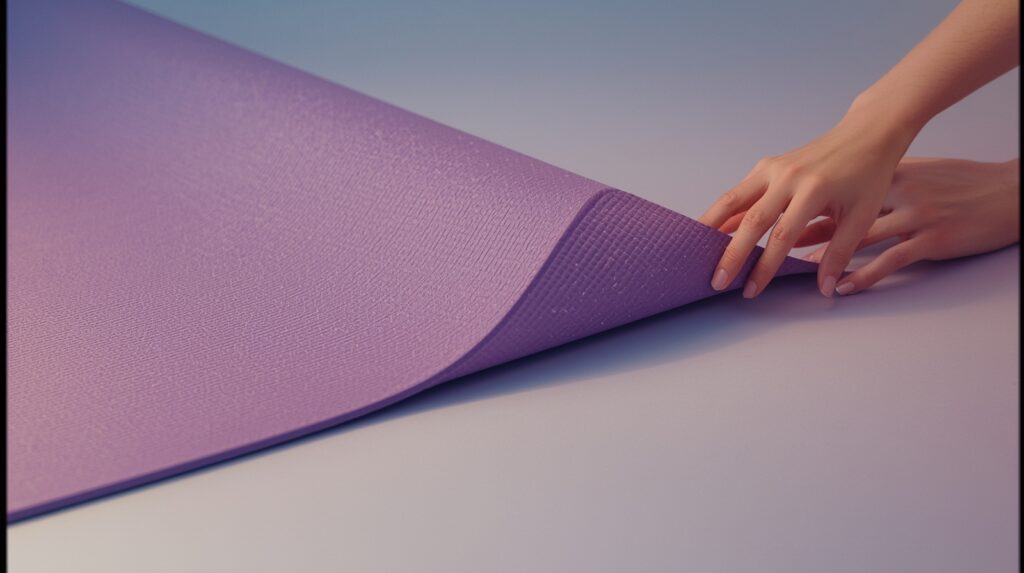
Regular cleaning and proper maintenance are essential to keeping your yoga mat extra thick hygienic, odor-free, and in good condition for long-term use — especially since thicker mats trap more sweat and dust than thinner ones.
Water Resistance:
Mats with water-resistant surfaces prevent sweat and spills from soaking in, making them much easier to wipe down after practice. Materials like TPE, PVC, and certain coated rubber mats handle moisture well and dry quickly, reducing the risk of mold or mildew building up inside the padding.
Odor Control:
Some mats, especially natural rubber, may have a noticeable initial odor. Proper airing, occasional wiping with a mild soap solution, and using a mat-specific spray can reduce unpleasant smells over time. Choosing mats labeled as low-VOC or odor-free helps minimize this issue from the very start.
Ease of Care:
Lightweight and flexible mats are easier to roll, clean, and store. Non-porous surfaces allow for simple wipe-downs, while more textured mats may need gentle scrubbing to remove sweat or dirt. If you’re comparing natural materials, our guide to organic cotton yoga mats breaks down how fabric-based mats handle moisture and cleaning differently from foam or rubber. Regular maintenance preserves grip, cushioning, and appearance for years of use.

FAQs
1. Is a thicker yoga mat always better for beginners?
Not always — 8–10mm is usually the sweet spot for beginners, as it offers joint support without sacrificing balance during standing poses.
2. Can an extra thick yoga mat cause back pain?
A mat that’s too soft or unevenly compressed can misalign the spine during standing poses; choosing a high-density mat helps prevent this.
3. What thickness is best for knee pain specifically?
For chronic knee pain, 10–15mm mats with high-density foam or rubber offer the most direct pressure relief during kneeling poses.
4. Do thick yoga mats work on carpet?
Yes, but extra-thick mats on carpet can feel unstable; a firmer, moderately thick mat (6–8mm) usually performs better on soft flooring.
5. How long does an extra thick yoga mat typically last?
With regular use and proper care, a quality thick mat lasts 1–3 years before noticeable compression or wear reduces its support.
Conclusion
Choosing the right yoga mat extra thick for joint support ultimately comes down to balancing comfort, support, and practicality based on your personal needs. Factors like cushioning level, material quality, grip, stability, size, and durability all play a role in how confident and comfortable you feel during practice. Thicker designs offer clear benefits for joint protection, floor-based poses, and home workouts, while density and build quality help maintain balance and long-term performance.
By considering how and where you practice — along with any joint sensitivity, space requirements, or portability needs — you can select a mat that truly supports your body. And if you’re tall or need extra length alongside that cushioning, our guide to extra-long yoga mats for tall yogis can help you find a mat that fits both your height and your joints. A well-chosen mat doesn’t just improve comfort — it encourages consistency, better alignment, and a more enjoyable practice over time.