Introduction
A black yoga mat is a popular choice for practitioners who value simplicity, versatility, and performance. Its clean, understated look fits seamlessly into any practice style, while the right combination of material, grip, and cushioning can significantly improve your comfort and stability during every session.
With so many options available, choosing the right one can quickly feel overwhelming. This guide breaks down the features that actually matter — quality, grip, durability, and overall value — so you can compare your options confidently and make an informed decision for your practice.
Table of Contents
1. Material & Build Quality
The material of a black yoga mat plays a major role in comfort, grip, and long-term performance. Different materials offer distinct benefits, so choosing the right one really comes down to your practice style and personal preferences.
TPE (Thermoplastic Elastomer) mats are lightweight, flexible, and generally more eco-friendly than traditional alternatives. They deliver solid cushioning and grip for regular practice, though they tend to wear out faster under intense daily use.
Natural rubber mats are known for excellent traction and durability, offering a dense, supportive feel that holds up well during vigorous or sweaty sessions. The trade-off: they run heavier and may not suit practitioners with latex sensitivities.
PVC (Polyvinyl Chloride) mats remain popular for their affordability and long lifespan. They resist wear and tear effectively and clean up easily, making them a solid pick for beginners — though they’re less environmentally friendly and can feel less grippy once wet.
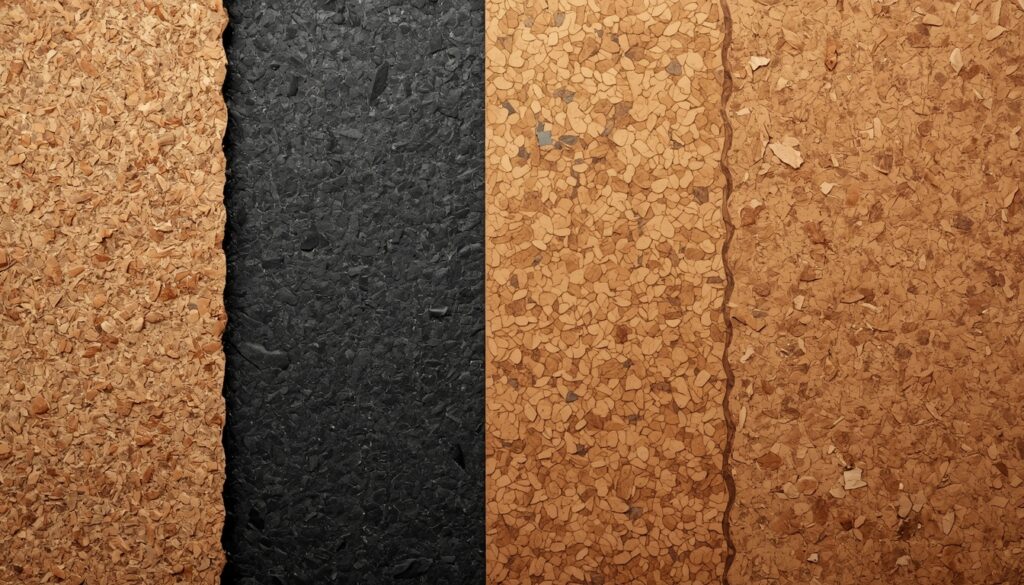
Cork-based mats typically pair a cork top layer with a rubber base. They’re naturally antimicrobial and actually become more slip-resistant as moisture increases, which makes them well-suited for hot yoga sessions. Cork surfaces are firm and long-lasting, though they can feel less cushioned than foam-based materials.
2. Grip & Slip Resistance
Grip and slip resistance determine how stable you feel during poses — especially in standing sequences or balance-heavy transitions. A black yoga mat with reliable grip keeps your hands and feet from sliding, reducing injury risk and helping you maintain proper alignment throughout your practice.
In dry conditions, textured surfaces and high-friction materials deliver the best traction. Mats with raised patterns or a slightly tacky feel keep hands and feet securely planted — ideal for slower practices or sessions where sweat isn’t a major factor.
In sweaty conditions, like vigorous flows or hot yoga, slip resistance becomes far more critical. Materials that absorb moisture or feature enhanced surface texture hold their grip better as your palms and soles get damp. Some surfaces are specifically engineered to grip harder as they get wetter, making them especially well-suited for high-heat practices.
For hot yoga specifically, prioritize mats with superior wet-condition traction. A strong, dependable grip doesn’t just support complex postures — it builds the confidence you need during fast transitions.
3. Thickness & Cushioning
Thickness plays a major role in how a mat feels under your body and how well it protects your joints. Thicker mats typically offer more cushioning, making them comfortable for poses that put pressure on knees, elbows, and hips — particularly valuable for beginners or practitioners with sensitive joints.
That said, there’s a real trade-off between cushioning and stability. Very thick mats can feel softer underfoot, which sometimes makes balancing poses more challenging. For practices that demand a strong connection to the floor — standing balances or quick transitions — a moderate thickness usually works best, offering enough padding without sacrificing stability.
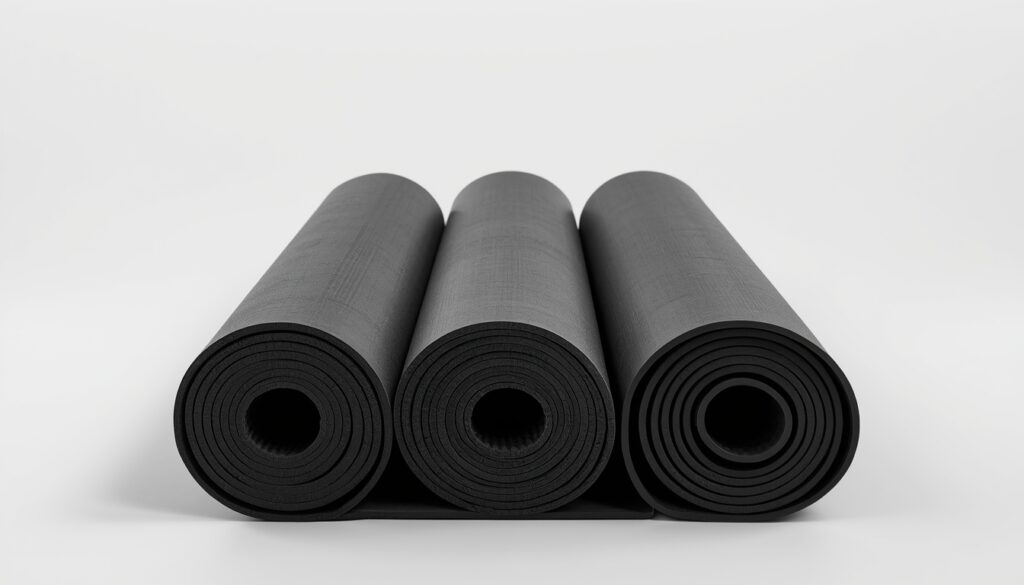
Standard thickness typically ranges from 3mm to 6mm:
- ~3mm mats are lightweight with strong ground feedback — well-suited for experienced yogis or anyone focused on balance work.
- ~5mm strikes a balanced feel between support and stability, making it ideal for most yoga styles.
- ~6mm and above delivers extra comfort, great for restorative sessions or added joint support, though it can feel noticeably less firm underfoot.
4. Texture & Surface Finish
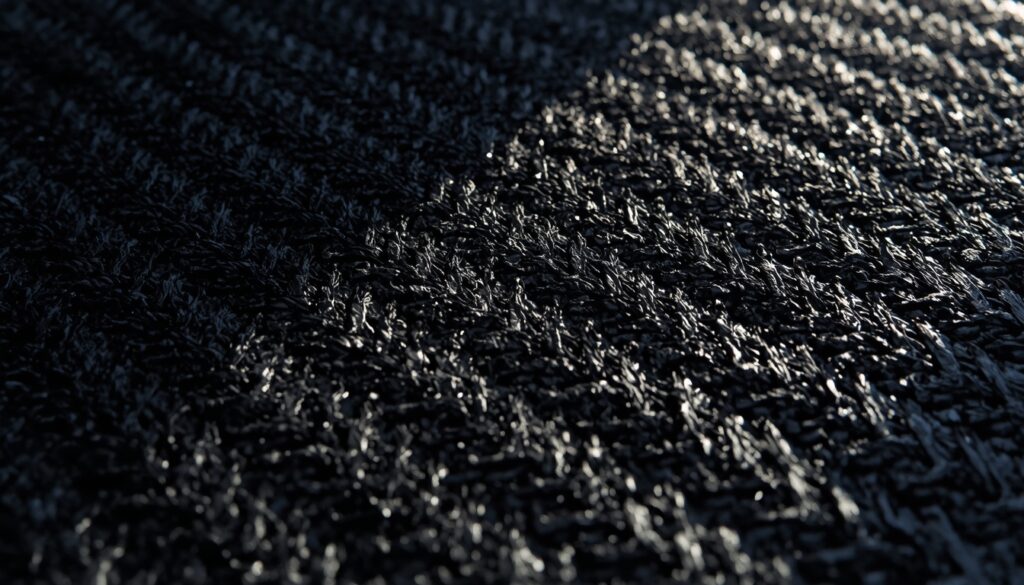
The texture and surface finish of a mat influence both grip and comfort during your practice. These characteristics determine how your hands and feet interact with the surface and can affect your stability in different poses.
Smooth surfaces feel soft and consistent underfoot. They are easy on the skin and comfortable during seated and floor-based poses. However, smooth finishes may offer less traction, especially when hands or feet become sweaty. In these cases, you might find yourself slipping more than you’d like.
Textured surfaces, on the other hand, provide additional friction. Raised patterns, ridges, or grooves help lock your hands and feet in place, enhancing traction without relying solely on material tackiness. This added grip can improve confidence in balance poses and dynamic flows.
The ideal texture often comes down to personal preference and practice style:
- If you prefer a clean, minimal feel, a smoother finish may suit you best.
- If you regularly practice sweaty sessions or fast flows, a more textured surface can help maintain grip throughout.
5. Eco-Friendliness & Safety
When choosing a practice surface, it’s worth weighing both environmental impact and personal safety together. Eco-friendliness refers to how sustainable the materials and manufacturing process are, while safety covers whether the mat contains harmful chemicals or allergens.
Many mats are made from non-toxic materials free from PVC, phthalates, and heavy metals. These options are safer for your health and reduce exposure to potentially harmful substances, especially during long practice sessions. Look for products labeled “non-toxic,” “BPA-free,” or “odor-free” — these labels typically signal better material safety.
Sustainability matters just as much. Mats made from natural or recycled materials — like natural rubber, organic cotton, or cork — generally carry a lower environmental footprint than conventional synthetic options. These materials tend to be biodegradable or easier to recycle, helping cut down on long-term waste.
Many environmentally conscious mats also carry independent certifications. Standards like OEKO-TEX verify that materials have been tested for harmful substances and meet strict safety and environmental benchmarks — giving you real assurance beyond marketing claims on the packaging.
6. Weight & Portability
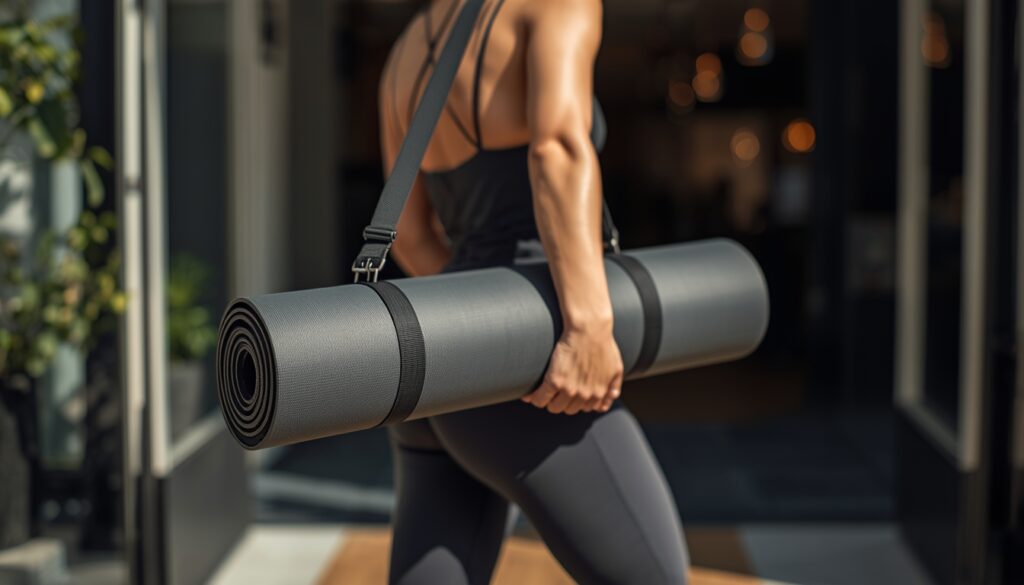
Weight and portability matter most if you regularly take your mat to the studio, gym, or on trips. A lightweight option is easier to carry by hand or in a bag, making it a natural fit for daily use and travel.
Heavier mats often deliver more cushioning and stability, but they can feel bulky once rolled up. That extra weight is fine if you mostly practice at home, but it becomes inconvenient fast if you’re walking or biking to class.
When evaluating portability, also factor in rolled size and included accessories. Some mats compress tightly and stay compact with a strap or carrying bag, making them genuinely travel-friendly. Thicker mats, on the other hand, tend to take up more space and can feel awkward to transport regularly.
7. Size & Dimensions
Size and dimensions play an important role in how comfortable a surface feels during practice. Standard mats usually measure around 68 inches long and 24 inches wide, which fits most users well. However, if you are taller or prefer more space, longer or wider options might suit you better.
For tall users, mats that extend beyond the standard length help ensure that your head and heels don’t hang off the edges during stretches or seated poses. Some brands offer 72-inch or even 84-inch versions to accommodate taller practitioners comfortably.
Width is another consideration. While 24 inches is common, wider options provide extra room for leg movement and can feel less restrictive, especially during wide stances or floor work.
8. Sweat Absorption & Moisture Resistance
How a mat handles moisture can greatly affect comfort and safety during a session. When sweat accumulates, surfaces that don’t manage moisture well can become slippery, increasing the risk of falls and making it harder to maintain poses.
Some materials are better at absorbing sweat, helping to keep your hands and feet in place. Natural materials like cork have a slight porous quality that can draw moisture away from the surface, improving traction as you practice. Other synthetic surfaces are designed with micro-textures that help channel moisture and reduce slipperiness.
Moisture-resistant designs are especially helpful during intense or heated routines where sweat levels are high. Materials that repel moisture prevent water from sitting on the surface, which helps maintain grip and prevents odors and bacterial buildup over time.
Regular cleaning and drying also play a role. Mats that dry quickly and stand up to frequent wipes or washes stay fresher and safer longer.
9. Ease of Cleaning & Maintenance
Keeping your black yoga mat clean is essential for hygiene, durability, and long-term appearance. A surface that wipes down easily and resists staining makes regular upkeep far less of a chore.
Most mats clean up well with a simple mix of water and mild soap. Lightly spray or wipe the surface after each use to remove sweat and dirt. For tougher marks or lingering odors, a gentle scrub with a soft cloth usually does the trick — just avoid harsh chemicals or abrasive brushes, since these can damage the material’s finish over time.
Some materials naturally resist staining better than others. Dense synthetic surfaces, for instance, are less likely to hold onto dirt or discoloration — particularly useful on darker mats, where smudges and residue tend to show up more prominently.
Quick drying matters too. Mats that air-dry fast are far less likely to develop mildew or unpleasant smells. After cleaning, simply unroll the mat in a well-ventilated space and let it dry fully before rolling it back up.
10. Odor Resistance
Unpleasant smells — whether from a brand-new mat or months of frequent use — can be distracting and genuinely off-putting during practice. Odor resistance comes down to how well the material avoids developing or holding onto smells over time.
Some mats carry a noticeable factory smell straight out of the packaging, especially those made from PVC or lower-grade synthetics. This usually fades after airing the mat out for a few days, though it can be quite strong at first. Natural materials like cork or organic rubber tend to have a milder, more agreeable scent from the start.
Long-term odor resistance really depends on how the surface handles sweat, bacteria, and moisture buildup. Materials that resist absorbing sweat and clean up easily stay fresher for longer. How you store the mat matters too — rolling it away damp inside a sealed mat bag traps moisture and speeds up odor development, so let it dry completely first, and choose a bag with breathable material if you’re storing it right after practice.
11. Durability & Longevity
How long a mat lasts and how well it withstands regular use are key factors in its overall value. Durability refers to resistance against wear, tearing, peeling, and cracking over time, while longevity is about how many sessions it can reliably support before showing signs of age.
Materials with higher density and stronger construction tend to hold up better under frequent use. For example, natural rubber and high‑quality synthetic options resist abrasion and maintain their shape longer than thinner, lower‑grade alternatives. Look for edges that stay intact without fraying or curling, as this is often the first sign of wear.
Repeated rolling and unrolling can weaken weaker mats, causing cracks or splits along fold lines. A durable product will withstand this motion without degrading quickly. Similarly, surfaces that don’t peel or flake maintain traction and comfort throughout their life.
How you care for the mat also affects durability. Avoid exposing it to extreme heat or direct sunlight for long periods, as this can accelerate material breakdown. Regular cleaning with gentle solutions helps prevent buildup that can wear down the surface.
12. Design & Aesthetic Appeal
Design and visual appeal may not affect performance directly, but they do influence how enjoyable a mat feels to use. Many people prefer a clean, understated look that feels calm and distraction-free during practice.
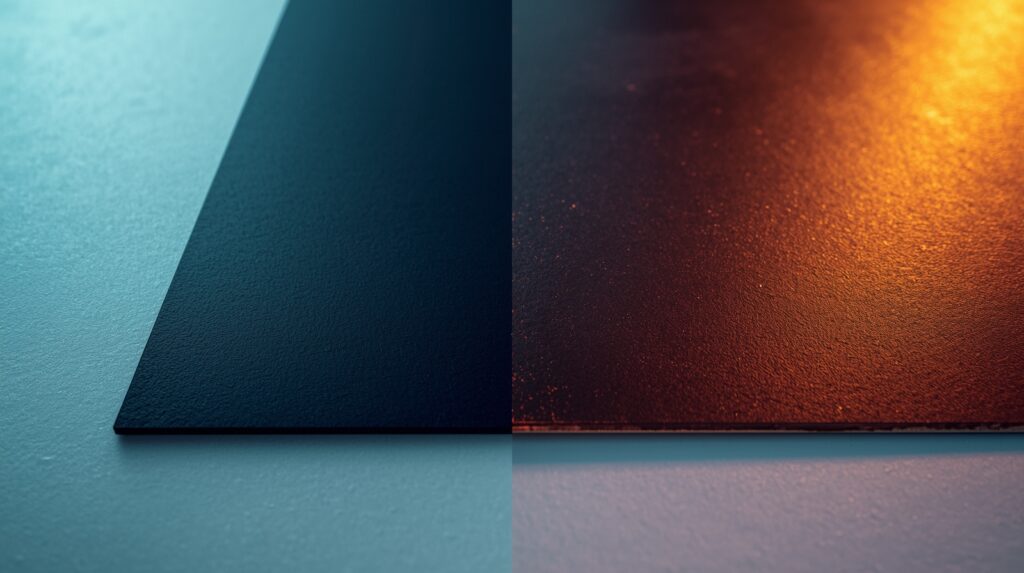
A matte finish is popular for its soft, non-reflective appearance. It tends to look more natural, hides fingerprints and smudges better, and often feels less slippery to the touch. Matte surfaces also age more gracefully, showing fewer signs of wear over time.
A glossy finish offers a sleek, polished look and can feel more modern. However, it may show dust, sweat marks, or scratches more easily, which can affect its appearance with frequent use.
Logo placement is another detail worth considering. Minimal or discreet logos maintain a clean aesthetic and keep the focus on your practice. Large or bold branding may appeal to some users but can feel distracting to others, especially during mindful sessions.
FAQS
Does a black yoga mat show sweat stains more than lighter colors?
Not necessarily. Dark surfaces like black actually tend to hide sweat marks and discoloration better than light-colored mats, since moisture blends into the darker tone instead of standing out. However, black mats can show dust, lint, or chalk residue more visibly, so regular wiping helps keep the surface looking clean.
Do black yoga mats get hotter or feel warmer during practice?
Black mats can absorb slightly more heat than lighter colors if left in direct sunlight, but this has minimal effect during indoor practice or studio sessions. If you practice outdoors regularly, keep the mat in shade before use to avoid a warm surface underfoot.
Is a black yoga mat a good choice for beginners?
Yes. Black mats are versatile, hide everyday wear well, and are available across nearly every material and thickness range — making it easy for beginners to find an option that matches their budget and practice style without compromising on grip or support.
How do I remove white residue or fading from a black yoga mat?
White residue is usually a mix of salt from dried sweat and mild surface wear. A gentle wipe with a damp cloth and mild soap typically removes it. For persistent fading, avoid prolonged sun exposure and harsh cleaning chemicals, both of which accelerate color breakdown over time.
Are black yoga mats harder to keep clean than colored mats?
Not particularly — cleaning steps are identical regardless of color. The main difference is visibility: black mats hide stains and residue better in general use, but any dust or chalk buildup can appear more noticeable under bright lighting.
Conclusion
Choosing the right black yoga mat comes down to what matters most for your personal practice. Material, grip, cushioning, size, and durability all shape how confident you feel in every session — while moisture handling, ease of maintenance, and long-term wear determine how much value you get over time.
A well-made mat should support your movements, stay reliable across conditions, and fit seamlessly into your routine. And once you’ve picked the mat, pairing it with a durable mat bag keeps it protected and ready to go — at home, in the studio, or on the road.