Introduction
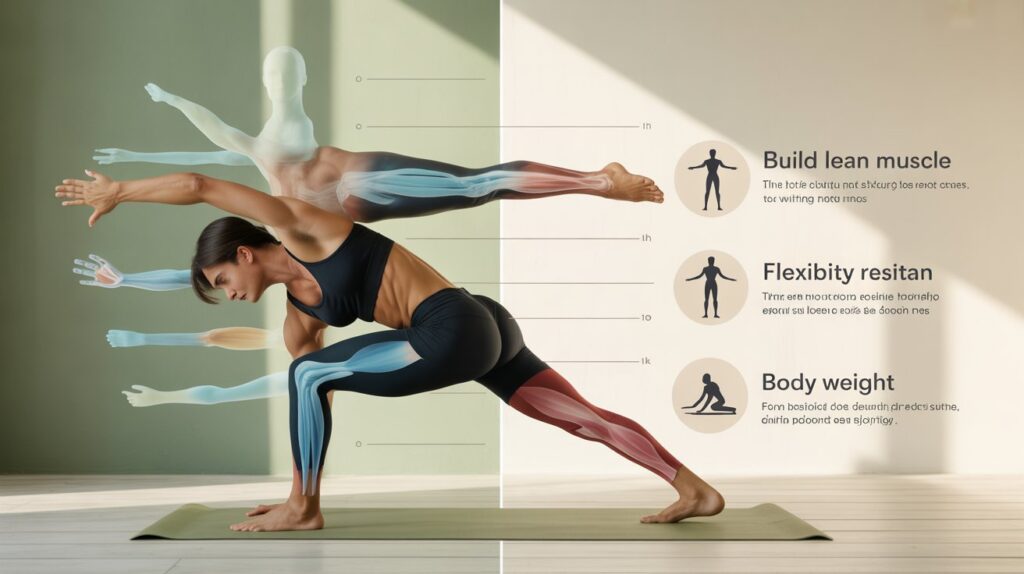
Finding the right standard yoga mat size is one of the most overlooked decisions in building a comfortable, injury-free practice. The wrong dimensions can throw off your balance, restrict your movement, and even lead to strain during longer sessions. In this guide, you’ll learn how mat length, width, thickness, and material work together to affect stability, comfort, and performance — so you can choose a mat that truly fits your body, your practice style, and your goals.
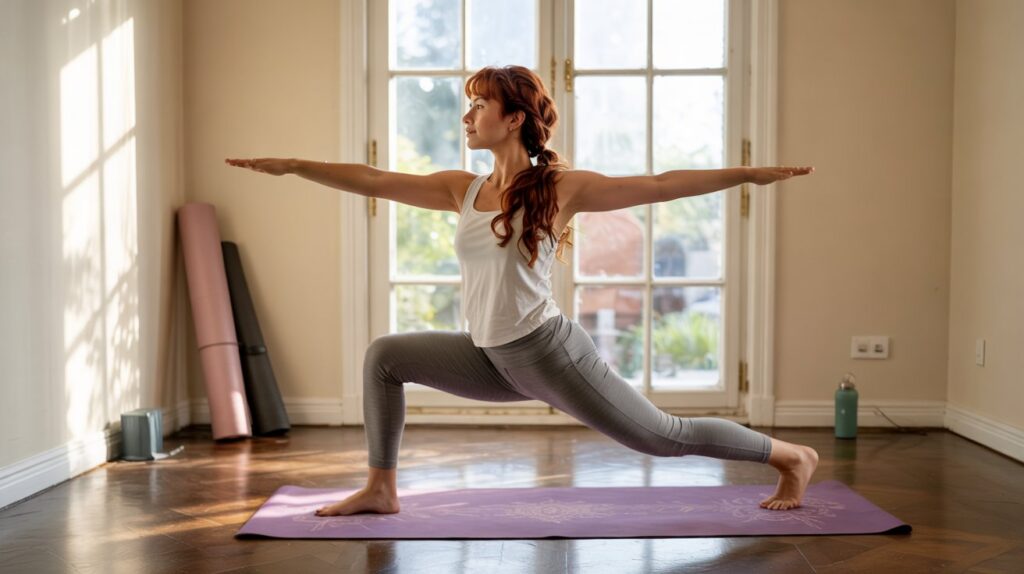
Table of Contents
2. What Is the Standard Yoga Mat Size?
Most yoga mats follow a widely accepted measurement designed to fit the average adult comfortably during seated, standing, and lying poses. The standard yoga mat size is 68 inches long and 24 inches wide — dimensions that give you enough room for full-body stretches without feeling cramped, while the width offers stable support for balancing and transitioning smoothly between poses.
Some brands offer slight variations, such as 70–72 inches in length or 25–26 inches in width, but these still fall within the commonly recognized range. For a full breakdown of how these measurements affect fit, check out our complete guide to yoga mat dimensions, which compares sizing across different body types and practice styles. These small variations are meant to enhance comfort without making the mat too bulky or difficult to carry.
3. Why Standard Yoga Mat Size Matters for Your Practice
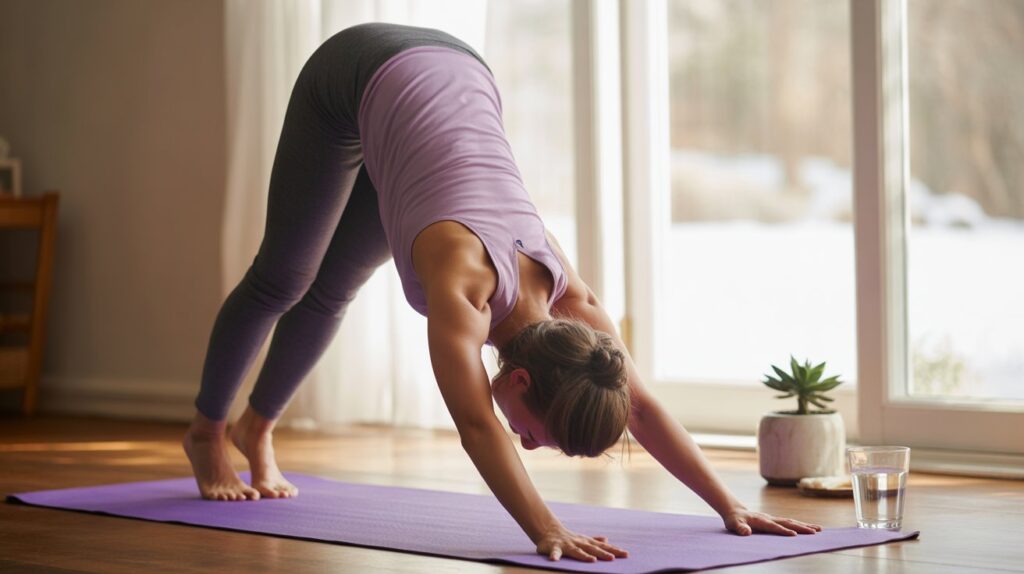
The right mat dimensions directly affect your comfort, stability, and movement quality in every session. When a mat is sized appropriately, it gives you enough room to stretch out fully during poses like Savasana or Downward Dog — without feeling restricted or having your hands and feet spill off the edges. This extra space helps you maintain proper alignment, which is essential for both injury prevention and long-term performance.
A well-proportioned mat also supports smoother transitions between poses. You won’t need to constantly readjust your position or worry about stepping off the surface mid-flow, which keeps your practice fluid and focused. For many practitioners, this consistency builds confidence — especially during balance-heavy sequences or faster-paced styles like Vinyasa.
4. Thickness Options Within Standard-Sized Mats
Yoga mats that follow common dimensions come in a variety of thickness levels to suit different comfort and stability needs. The most popular choice is 4–5 mm, offering a balance between cushioning and firmness. This thickness works well for most styles, giving you enough support without making the surface too soft for balancing poses.
If you prefer extra comfort—especially for seated or kneeling postures—you can choose mats in the 6–8 mm range. These provide more padding, which is helpful for sensitive joints, but they may feel slightly less stable during standing sequences.
On the thinner end, 1–3 mm travel mats are designed for portability. They’re lightweight, easy to fold, and perfect for taking to the studio or packing in a suitcase. However, they offer minimal cushioning, so they’re best for experienced practitioners or those who prioritize convenience over softness.
5. Material Types Available in Standard Yoga Mats
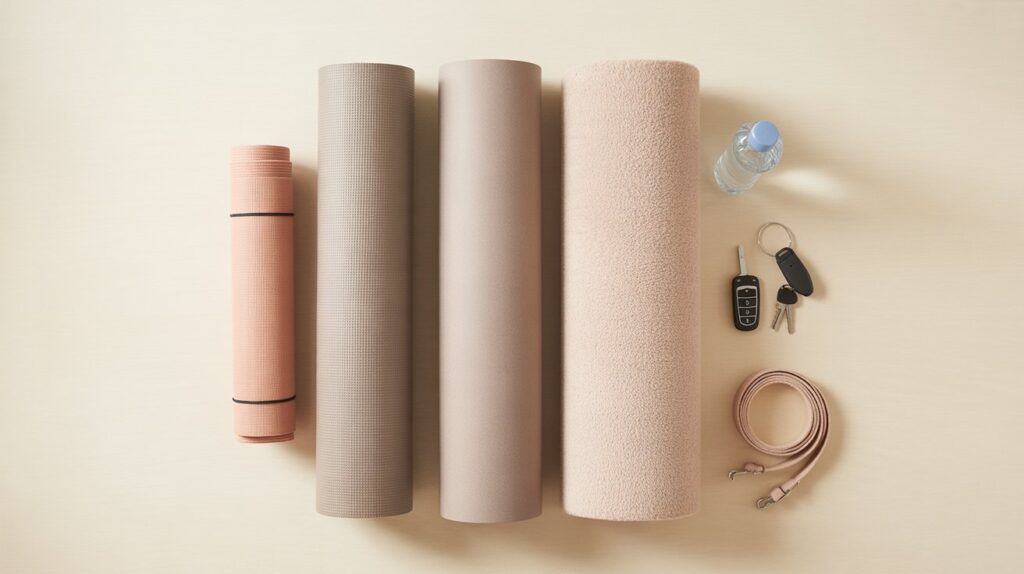
Yoga mats come in a variety of materials, each offering different levels of grip, durability, comfort, and eco-friendliness. Understanding these options helps you choose a mat that matches both your practice style and personal values.
PVC (Polyvinyl Chloride)
PVC mats are known for their durability and strong grip. They’re long-lasting and often budget-friendly, making them a popular choice for beginners — though they’re not the most eco-friendly option since they’re made from synthetic materials.
TPE (Thermoplastic Elastomer)
TPE is a popular alternative to PVC. It’s lightweight, softer underfoot, and more environmentally conscious. These mats offer good traction and cushioning, making them a solid middle-ground choice for most practitioners.
Natural Rubber
Natural rubber delivers excellent grip and cushioning, and it’s made from renewable resources, making it a genuinely eco-friendly option. It can be heavier than synthetic mats and may carry a natural latex scent — and it’s not recommended for anyone with latex allergies.
Cork
Cork mats offer a unique combination of firmness and natural grip that actually improves with sweat. They’re naturally antimicrobial and highly sustainable, which makes them a favorite among eco-conscious yogis. Their surface also makes upkeep easy — see our guide to cleaning a yoga mat for material-specific care tips.
Jute
Jute mats have a natural, textured surface that offers moderate grip. They’re environmentally friendly and lightweight, though they may not feel as cushioned as rubber or TPE mats.

6. Grip & Texture Comparison in Standard-Sized Mats
Grip and texture play a major role in how stable and confident you feel during your practice. A mat with reliable traction prevents slipping, supports smooth transitions, and helps you maintain proper alignment — whether you’re moving through a slow restorative flow or a fast-paced sequence.
Closed-Cell vs. Open-Cell Surface
Closed-cell mats resist moisture and sweat absorption, making them easy to wipe clean and ideal for low-sweat or beginner-friendly practices. Open-cell mats, on the other hand, offer stronger grip during intense or hot sessions because the surface absorbs moisture rather than repelling it — the trade-off is they require more frequent cleaning to stay hygienic.
Smooth Texture
Mats with a smoother finish feel soft under the hands and feet, making them a comfortable choice for gentle styles like restorative or yin yoga. The downside: they can become slippery once you start sweating heavily.
Patterned or Raised Texture
These mats feature ridges, lines, or raised patterns engineered to boost traction. They hold up well during standing poses and balancing sequences, making them a strong fit for dynamic, movement-heavy flows like Vinyasa or Power Yoga.
Natural Grip Surfaces
Materials like cork and natural rubber naturally increase traction as you warm up and sweat — the grip actually gets better mid-session. This gives you a steady, grounded feel without relying on synthetic patterns or textures.
7. Weight & Portability of Standard Yoga Mat Sizes
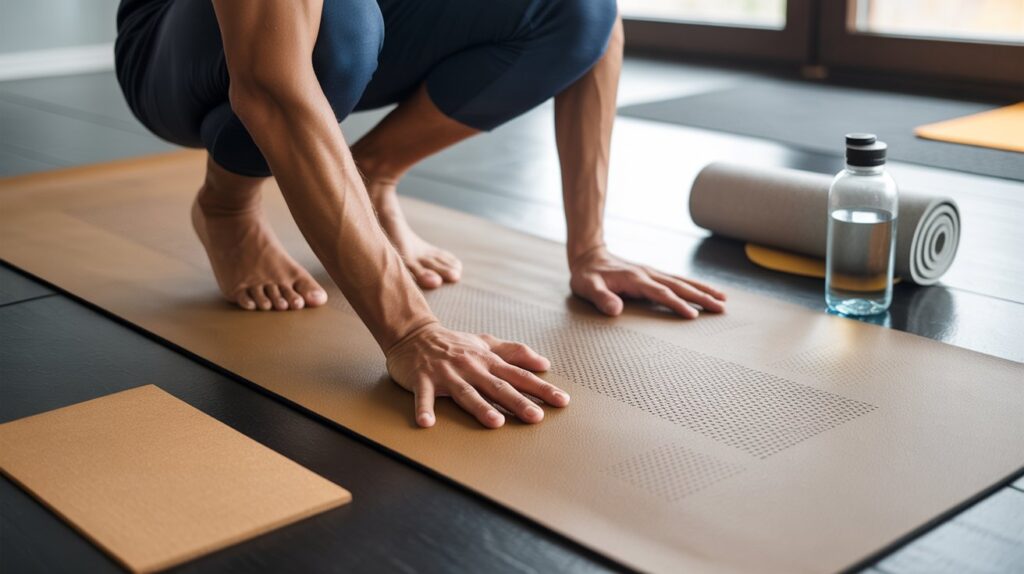
The weight of a yoga mat depends mainly on its material and thickness, and this can greatly affect how easy it is to carry to classes or travel with. Most mats designed for everyday use fall between 2 to 4 pounds, making them manageable for studio visits or home practice.
Lightweight options, such as TPE or thinner PVC mats, are ideal if you prefer something easy to transport. These mats roll up compactly and fit comfortably into a mat bag or backpack. Travel-friendly versions, often around 1–2 pounds, can even be folded instead of rolled, making them perfect for trips or outdoor sessions.
Heavier mats, especially those made from natural rubber or cork, offer excellent stability and grip but can be less convenient to carry. They’re great for practitioners who prioritize performance over portability and mainly practice at home.
8. Durability and Longevity
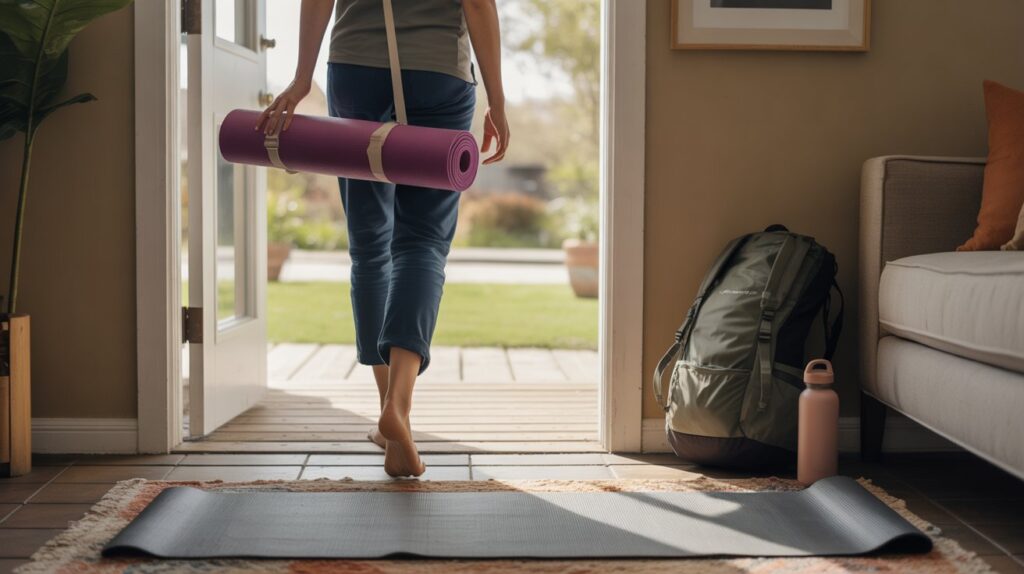
How long your yoga mat lasts depends largely on its material, how often you practice, and the type of sessions you follow. Durable mats maintain their grip, cushioning, and shape over time, even with frequent use.
PVC mats are known for their long lifespan, often lasting several years without significant wear. TPE provides good durability as well, though it may show signs of compression sooner if used heavily. Natural rubber and cork mats are strong and resilient but can be affected by exposure to sunlight, heat, or moisture, so proper storage is important.
Thicker mats generally withstand pressure better, while thinner mats may start to show wear faster—especially in areas where hands and feet are placed repeatedly, like during Downward Dog.
9. Eco-Friendly & Non-Toxic Options
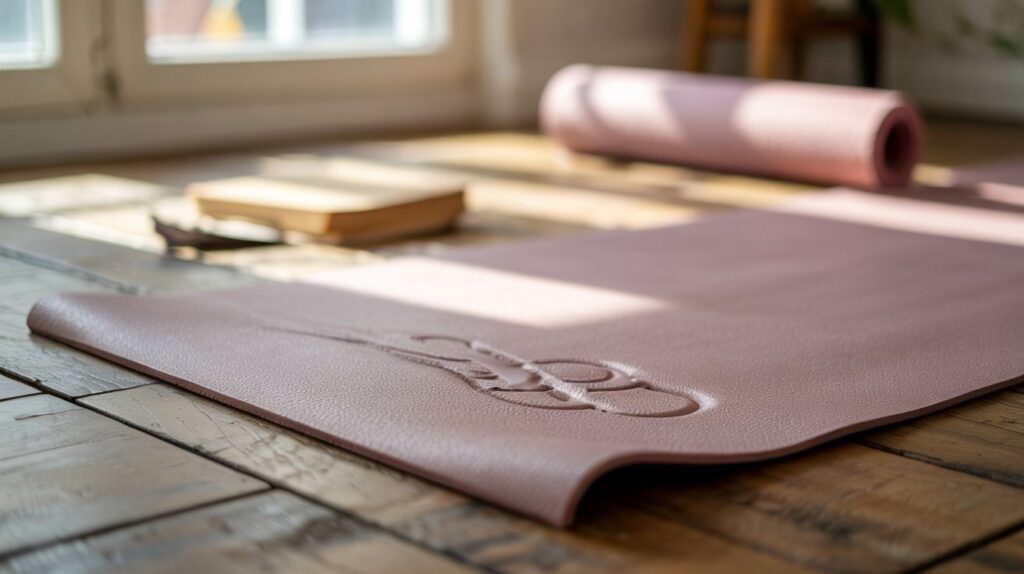
Many practitioners today prefer mats made from natural or low-impact materials that are safer for both the body and the planet. These options avoid harsh chemicals and rely on sustainable resources, making them a responsible long-term choice — especially if you’re sensitive to synthetic smells or concerned about chemical off-gassing. Many eco-conscious mats are now certified under standards like OEKO-TEX, which independently tests textiles and materials for harmful substances.
Natural Rubber
Made from tree sap, natural rubber is biodegradable and free from toxic additives. It delivers excellent grip and cushioning, making it one of the most popular eco-conscious options on the market today.
Cork
Harvested from the bark of cork oak trees without harming the tree itself, cork is renewable and naturally antimicrobial. Cork mats offer a firm but comfortable surface, and — unlike most materials — their grip actually improves the more you sweat.
Jute
Jute is a plant-based fiber that creates a textured, breathable surface. It’s lightweight, biodegradable, and works best for gentle to moderate styles of yoga where heavy traction isn’t the main priority.
TPE (Eco-TPE Blends)
Some TPE formulations are engineered to be more sustainable, using fewer harsh chemicals and breaking down more easily than traditional synthetic materials — making them a reasonable middle ground between performance and eco-friendliness.

10. Price Range Breakdown
Yoga mats are available across a wide price spectrum, depending on material, brand, and additional features like extra cushioning or eco-friendly construction. Understanding where a mat falls on this spectrum can help you choose one that fits both your budget and your practice needs — without overpaying for features you won’t use.
Budget-Friendly Options
These mats are usually made from basic PVC or TPE. They offer decent grip and cushioning for beginners or casual practitioners, making them a solid entry point if you’re just starting out — though they may wear out faster with frequent, heavy use.
Mid-Range Options
Mats in this tier typically offer better durability, thicker cushioning, and improved traction. Many include eco-conscious materials like TPE blends, natural rubber, or cork, making them well-suited for regular home or studio practice where longevity matters more.
Premium Options
High-end mats deliver exceptional comfort, grip, and longevity. They’re often crafted from sustainable or non-toxic materials and may include features like textured surfaces, extra thickness, or reinforced edges. These mats are best suited for dedicated yogis who prioritize performance and see their mat as a long-term investment rather than a disposable accessory.
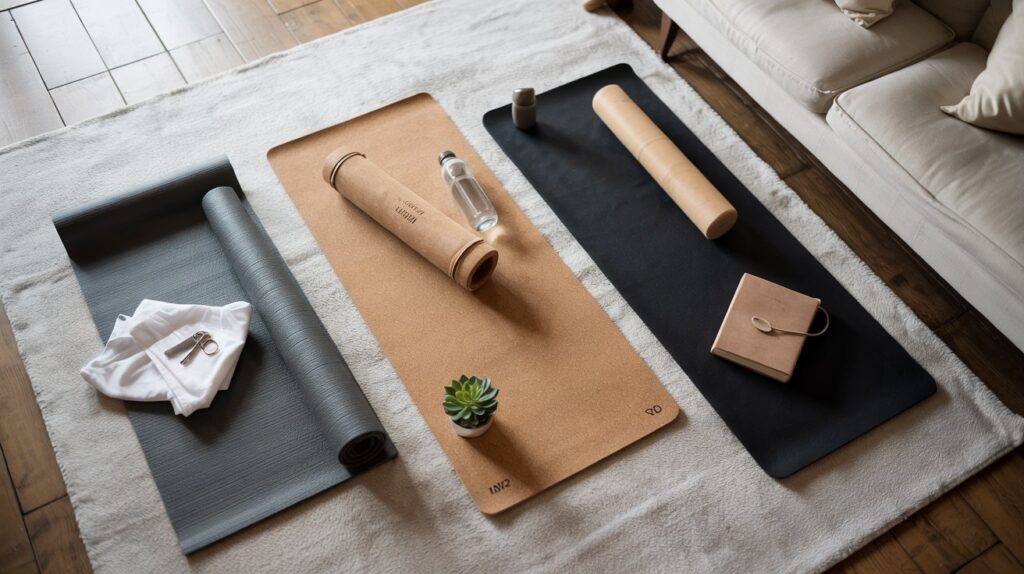
11. Best Mat Sizes for Beginners vs. Advanced Yogis
When selecting a yoga mat, experience level plays a key role in determining the ideal dimensions, thickness, and material.
For Beginners:
New practitioners benefit from mats that offer more cushioning and slightly wider surfaces. Extra padding helps protect knees, wrists, and joints, making poses more comfortable while learning proper alignment. A standard length usually provides ample room for most beginners to stretch fully without feeling constrained.
For Advanced Yogis:
Experienced practitioners often prioritize stability, grip, and precision over extra padding. A mat with moderate thickness and a firm surface allows for better balance during advanced poses and flows. Some may even prefer slightly longer or wider mats to accommodate more dynamic movements, though the typical size still works well for most sequences.
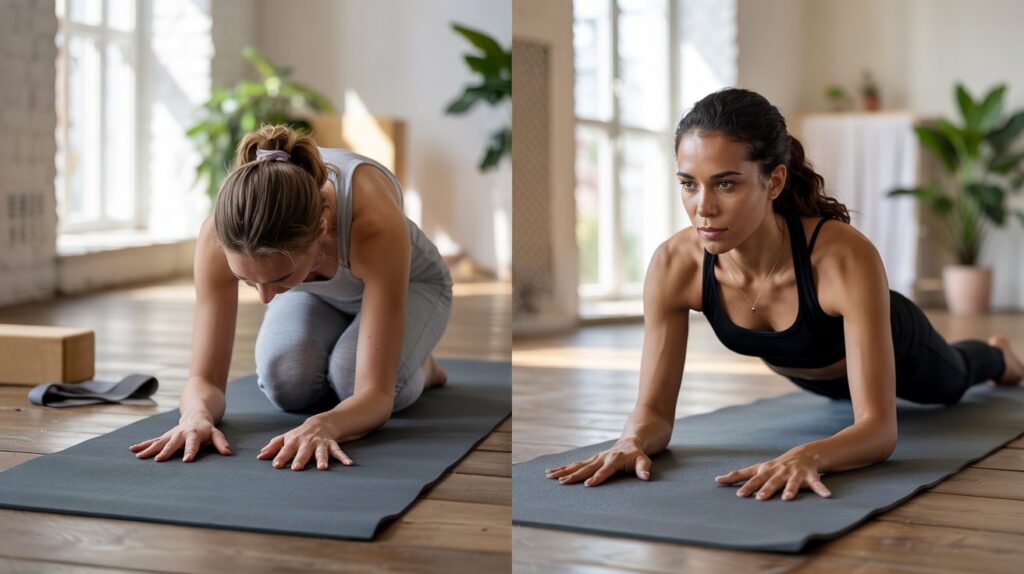
12. Ideal Mat Size for Tall or Plus-Sized Users
While most mats accommodate the average practitioner, taller or plus-sized individuals may need extra length or width for full comfort. Standard dimensions can sometimes feel restrictive during stretches, lying poses, or wide-legged stances.
Tall Users:
People over 6 feet tall might benefit from mats that are 72 inches or longer. The extra length ensures that head and feet remain on the mat during poses like Savasana or Warrior sequences, preventing awkward overhang and maintaining proper alignment.
Plus-Sized Users:
Wider mats, often 26–30 inches, provide additional space for stability and comfort. Extra width can make balancing poses easier and allow more room for movement without stepping off the mat.
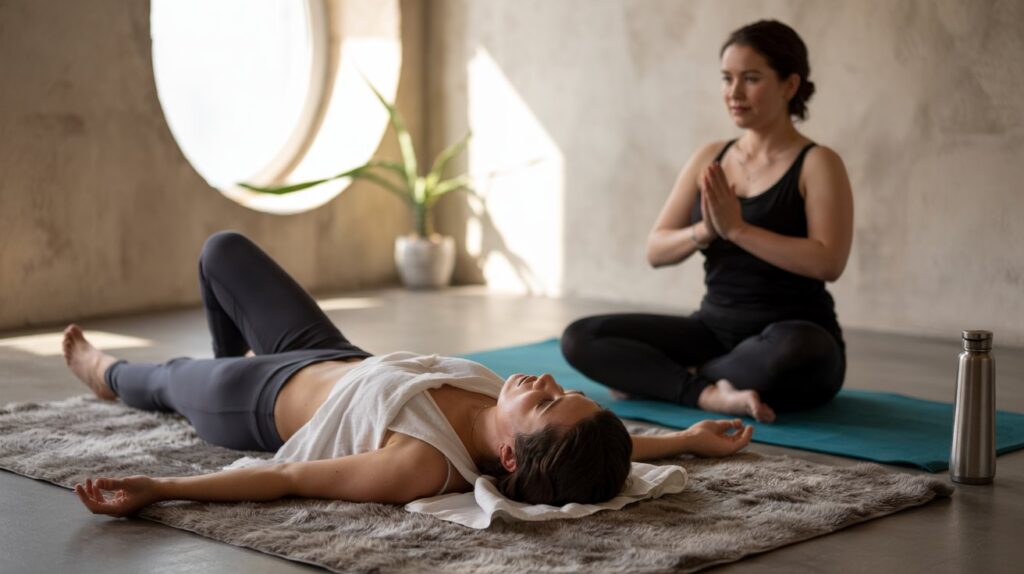
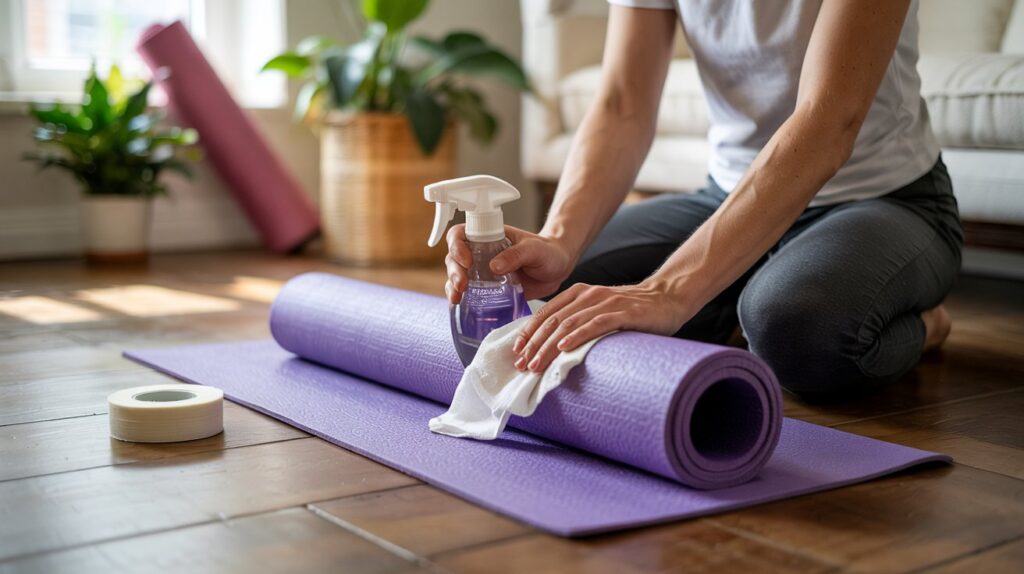
13. Maintenance & Cleaning Tips for Yoga Mats
Proper care extends the life of your mat and ensures a clean, safe surface for every session. Regular cleaning prevents odors, bacteria, and wear from sweat or dirt.
Routine Wipe-Down:
After each practice, use a damp cloth or a gentle yoga mat spray to wipe the surface. Focus on areas where hands and feet make the most contact.
Deep Cleaning:
For a thorough clean, fill a spray bottle with a mixture of water and mild soap or a few drops of essential oil. Spray lightly, wipe with a soft cloth, and let the mat air dry completely before rolling it up.
Avoid Harsh Chemicals:
Strong detergents or bleach can damage materials, break down the surface, and reduce grip. Stick to mild, natural cleaners whenever possible.
Proper Storage:
Roll the mat loosely with the top side facing out to prevent curling at the edges. Store it in a cool, dry place away from direct sunlight to avoid fading or warping.
Regular Inspection:
Check your mat periodically for signs of wear, such as thinning, tears, or loss of grip. Replacing the mat when it shows significant wear ensures safety and optimal performance.
14. Top Brands Offering the Best Standard Yoga Mat Size
When it comes to choosing a reliable mat, certain brands consistently stand out for their quality, performance, and user-friendly features. These companies have earned their reputation through thoughtful design, durable materials, and a genuine focus on comfort and support. Here are some of the top names you’ll come across when shopping for a dependable, standard-sized mat:
1. Manduka
Manduka is a favorite among yoga teachers and dedicated practitioners. Their mats are known for exceptional longevity and firm cushioning, making them ideal for both home practice and studio use. The PRO and PROlite series are especially popular for their dense support and long-term durability.
2. Liforme
Liforme is well-known for its built-in alignment guides, which help users improve posture and form directly on the mat. Their mats offer excellent grip even in sweaty conditions and use eco-conscious materials — users consistently praise the balance between firmness and comfort.
3. Jade Yoga
Jade focuses on natural rubber mats that deliver impressive traction and cushioning. The brand is also committed to sustainability, planting a tree for every mat sold. Their mats have a slightly softer feel, making them a great pick for anyone who wants joint-friendly support.
4. Gaiam
Gaiam offers budget-friendly options without compromising on core quality. Their mats come in a wide variety of colors and patterns, making them especially appealing to beginners or anyone who wants an affordable way to start practicing comfortably.
5. Lululemon
Lululemon mats are known for their dual-surface design — one side provides grip for sweaty workouts, while the other offers a smoother feel for gentler sessions. Their mats tend to be slightly heavier but are consistently praised for stability and traction.
6. Alo Yoga
Alo produces sleek, stylish mats that combine solid cushioning with durability. Their mats work well for both gentle and high-intensity practices thanks to their strong grip and supportive structure.
7. Yogitoes by Manduka
If you prefer practicing with a mat towel, Yogitoes offers high-quality, non-slip options designed to pair with their mats or others on the market. They’re especially excellent for hot yoga thanks to their sweat-activated grip — though like any mat accessory, they’ll need regular care to stay hygienic. Our yoga mat cleaning guide

FAQs
How do I know if my yoga mat is too small?
If your hands, feet, or head consistently extend past the edges during poses like Downward Dog or Savasana, your mat is likely too small. Taller users or those who prefer a wider stance during standing poses should consider a mat that’s 72 inches or longer.
Is a standard yoga mat size suitable for Pilates or other floor workouts?
Yes, a standard-sized mat (68 x 24 inches) generally works well for Pilates and light floor exercises, though some practitioners prefer a slightly wider or thicker mat for extra cushioning during core-focused movements and rolling exercises.
Do all yoga mat brands follow the same standard size?
No, while 68 x 24 inches is the most common baseline, sizing can vary slightly by brand — some offer 71 or 72-inch lengths as their “standard,” so it’s worth checking exact dimensions before buying, especially if you’re ordering online.
Can two people share the same standard-sized yoga mat?
It’s not recommended. A standard mat is designed for one person at a time; sharing reduces stability and increases the risk of slipping. For partner yoga or duo sessions, look for oversized or double-width mats instead.
Does yoga mat size affect price?
Yes, larger or extra-long mats (72 inches and above) typically cost more than standard-sized options due to increased material usage, though the price difference is usually modest compared to changes in material quality or thickness.
Conclusion
Choosing the right standard yoga mat size can make a significant difference in how comfortable, stable, and confident you feel during every session. By understanding common dimensions, materials, thickness levels, and grip type, you can make a well-informed decision that genuinely supports your body and your practice goals — instead of settling for whatever’s easiest to find.
Whether you’re a beginner or an experienced yogi, the right mat enhances your balance, protects your joints, and helps you move with ease through every pose. If you’re still narrowing down your options, our complete guide to yoga mat dimensions breaks things down further by body type and practice style.
Take your time exploring different options — once you find a mat that truly fits your needs, you’ll notice it’s easier to stay consistent with your routine and get more out of every practice.