Introduction
Finding the correct standard yoga mat length is vital for securing a comfortable, secure foundation that supports your body through every posture and transition. With a wide variety of dimensions, materials, and specialized designs available on the market, understanding sizing specifications prevents common buyer friction and physical discomfort during floor sequences.
This comprehensive guide breaks down how precise yoga mat dimensions impact your stability, who benefits from extended or long-form mats, and how to avoid mistakes when selecting your equipment. Whether you are a beginner stepping onto your very first practice space or an advanced yogi refining your setup, this guide ensures you choose the ideal size for your height and flow style.
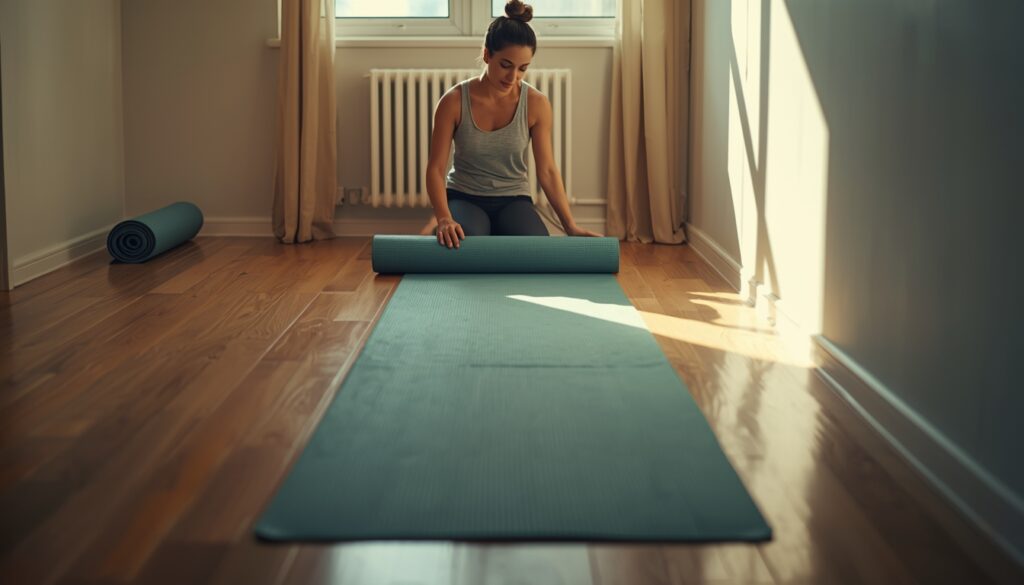
Table of Contents
What Is the Standard Yoga Mat Length?
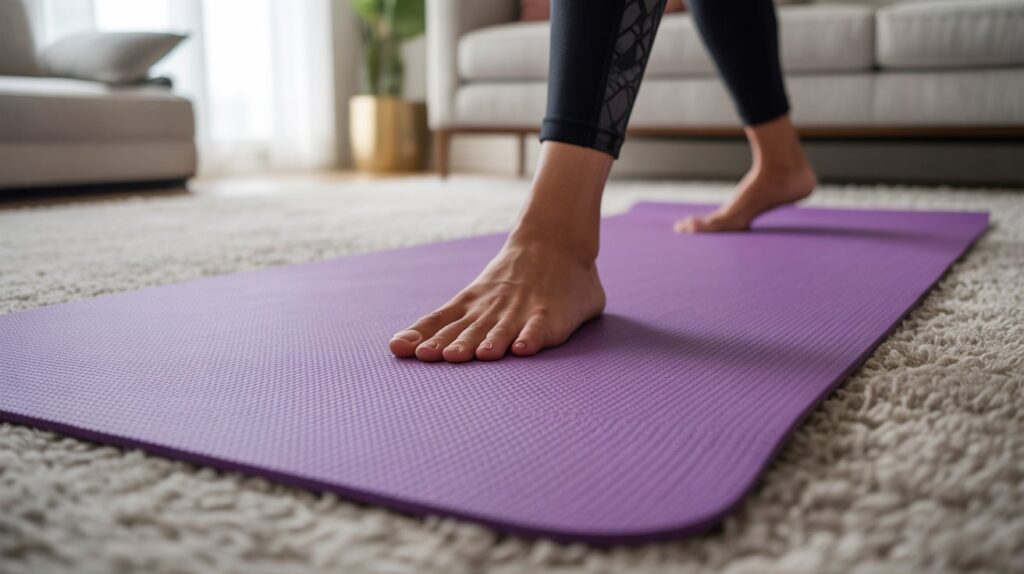
The typical industry standard for a standard yoga mat length is 68 inches (approx. 173 cm). This traditional dimension is engineered to accommodate the average practitioner, providing ample surface area to execute foundational postures—such as Downward-Facing Dog, plank sequences, and seated stretches—without your hands or feet slipping off the edges.
Beyond the baseline 68-inch model, many manufacturers also offer extended sizes measuring 70 to 72 inches (178 to 183 cm). These variations remain within the widely accepted range for everyday practice, offering slightly more clearance for taller individuals without introducing excessive bulk or weight.
Maximizing Lifespan: While securing the right dimension establishes a reliable foundation for daily routines, proper ongoing maintenance ensures your equipment stays durable. Regular upkeep prevents premature wear so you won’t need to replace your gear early. For more tips on maintaining your setup, check out our guide on how to clean your yoga mat properly.
Portability vs. Coverage Balance: The 68-inch standard became the universal benchmark because it masterfully balances physical coverage with portability. It is spacious enough for most body heights while remaining compact enough to roll tightly, secure with carrying straps, and store easily.
Why Yoga Mat Length Matters for Your Practice
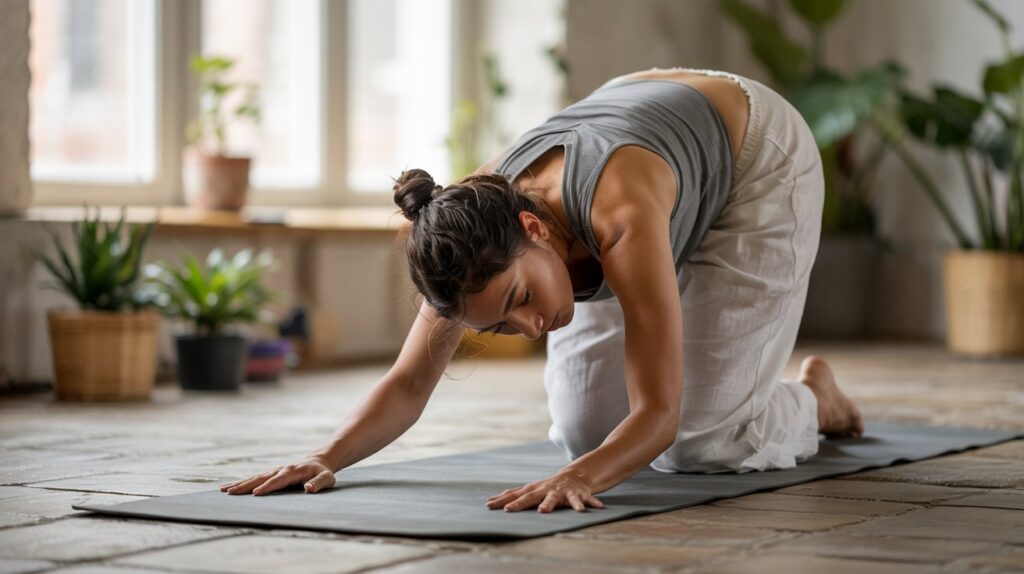
The physical length of your mat directly governs your spatial comfort, postural stability, and mental focus during practice. When a yoga mat is undersized, your hands, heels, or head frequently slide past the borders into cold or dusty flooring, creating micro-distractions and forcing awkward physical adjustments. This disrupts your movement flow and diminishes overall balance, particularly during full-body extensions.
Complete Spatial Freedom
An appropriately sized surface provides uninterrupted room to stretch fully, helping you maintain precise alignment in core postures like Downward-Facing Dog, plank, and final relaxation (Savasana).
Enhanced Confidence & Focus
Knowing your entire body is fully supported removes the subconscious hesitation of slipping off the edge, allowing you to sink deeper into stretches and hold postures with complete peace of mind.
Creating a Personal Sanctuary
Extended or well-proportioned dimensions establish a clear boundary zone around your body. This is especially beneficial when you are navigating crowded studio classes or setting up a compact home practice area where personal space matters.
Standard vs. Extra-Long Yoga Mats
Choosing between a traditional regular-sized mat and an extended variant depends on your height, proportion, and lifestyle portability needs.
- Standard Mats (approx. 68 inches): Engineered for the average user, offering sufficient clearance for most daily sequences without excess material. They remain lightweight, highly portable, and favored by commuters or casual practitioners.
- Extra-Long Mats (72 to 85 inches): Specifically designed for taller individuals whose hands and feet overrun standard boundaries during full-body poses. The generous buffer ensures total body contact with the supportive cushion.
- Weighing the Trade-Offs: While extra-long mats maximize comfort and roominess, they introduce additional weight and bulk, making them less ideal for frequent travel or light packing. They may also carry a slightly higher price point due to the increased raw material volume.
To ensure your setup accommodates your preferred routines—whether standard or extended—take a moment to review our guide on choosing the right yoga mat with lines for precision placement.
How to Choose the Right Yoga Mat Length for Your Height
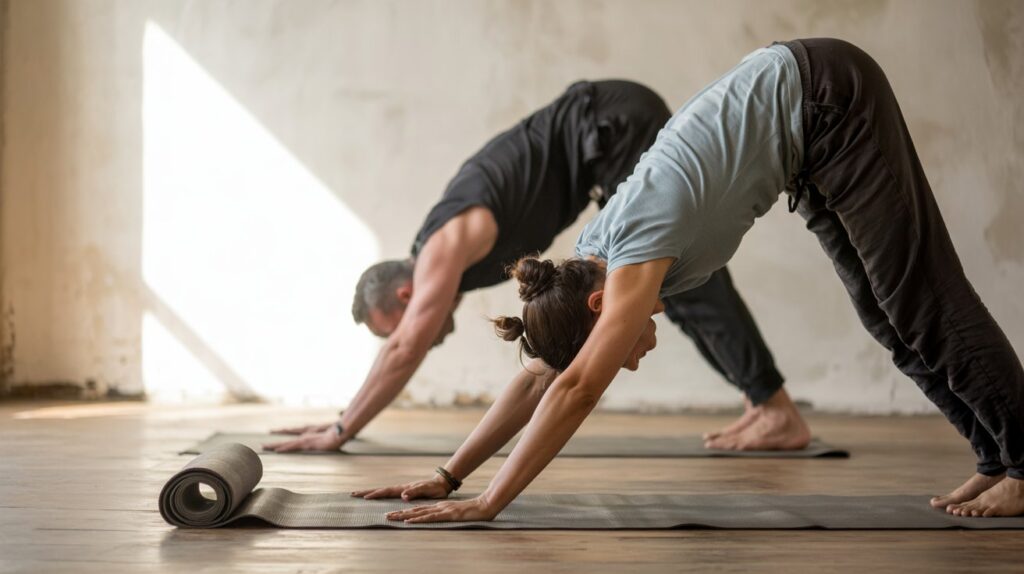
Selecting the appropriate mat dimensions is simple when you use your personal height as your primary biometric metric. The core objective is to secure ample longitudinal clearance so your entire body remains fully supported during supine stretches, lying relaxation poses, and dynamic full-body transitions.
The Golden Height-to-Length Rule
A reliable industry guideline is to choose a yoga mat that is at least 6 inches longer than your standing height. This guarantees that your head and heels never slide onto cold flooring during Savasana or prone core exercises.
Height Breakdown & Size Recommendations
- Under 5’6″ (167 cm): A standard 68-inch mat provides more than enough surface coverage for full-body extension.
- 5’6″ to 6’0″ (167–183 cm): Opt for standard-to-slightly-extended options measuring 70 to 72 inches to secure optimal breathing room during transitions.
- Over 6’0″ (183 cm): An extra-long mat is essential to prevent your hands or feet from hanging off the borders during active flows.
Practice Style & Biomechanical Considerations
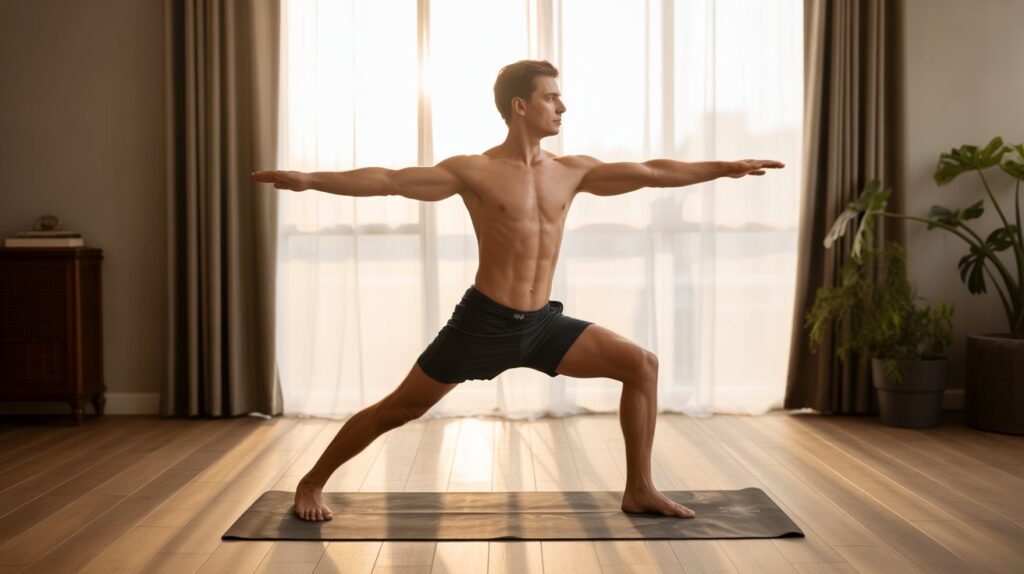
Beyond simple vertical height, evaluate your movement style. High-motion disciplines like Vinyasa or Power Yoga demand extra spatial leeway for dynamic limb sweeps and wide stances, whereas gentle or restorative practices require less longitudinal clearance.
Balancing Length with Width and Thickness
While length governs head-to-toe clearance, width and thickness are equally vital dimensional factors that dictate your overall stability, joint protection, and postural comfort.
- Standard vs. Wide Width Options:
- Standard Width (24 inches): The universal industry standard, offering sufficient lateral space for standard arm balances and side-to-side movements.
- Extra-Wide Options (26–30 inches): Perfect for broader body frames or practitioners who prefer expansive lateral freedom during deep stretches. Note that wider builds require more storage space.
- Thickness & Cushioning Profiles:
- Standard (4–6 mm): Strikes the ideal balance between joint cushioning and firm foundational stability for standing poses.
- Extra-Thick (8–10 mm+): Maximizes relief for sensitive joints during floor work, though excessive padding can introduce micro-instability during balancing sequences.
Evaluating length, width, and thickness in tandem ensures your equipment matches both your biometric profile and your specific discipline.
Best Materials for Standard-Length Yoga Mats
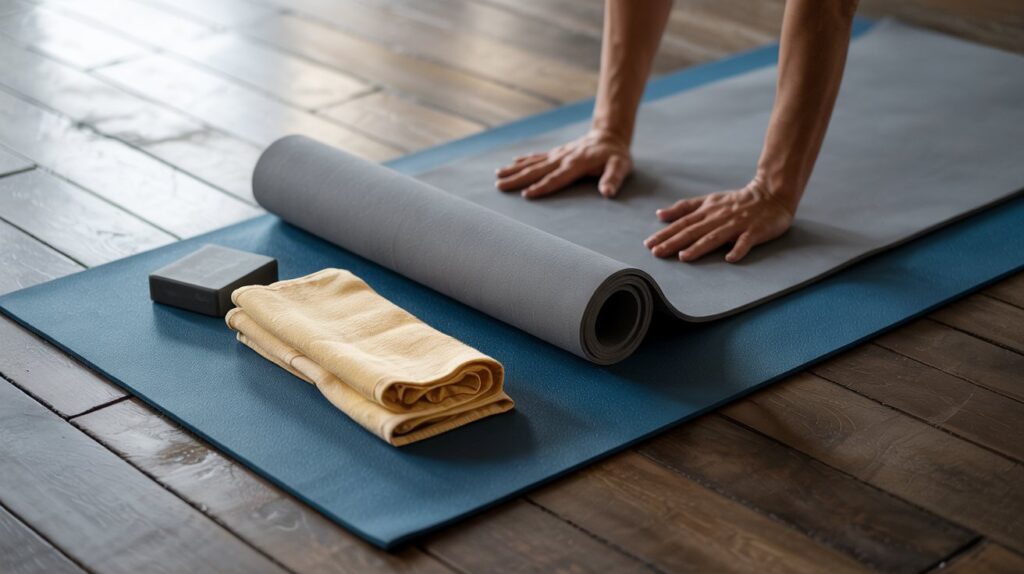
The underlying material composition of your mat dictates its tactile grip, durability, joint cushioning, and overall performance. Choosing the right substrate ensures your equipment supports your specific practice style.
PVC (Polyvinyl Chloride)
A traditional budget-friendly option known for superior grip and high wear resistance. While long-lasting and easy to sanitize, it is less favored by eco-conscious practitioners.
TPE (Thermoplastic Elastomer)
A lightweight synthetic choice offering a balanced blend of soft cushioning and reliable traction. It serves as an ideal mid-tier option for practitioners seeking comfort without heavy transport weight.
Natural Rubber
Delivers exceptional, unyielding traction and high-density support for active disciplines like Vinyasa and Power Yoga. While heavier, it is durable and biodegradable (Note: avoid if you have a latex sensitivity).
Cork
Features a naturally antimicrobial surface that actually increases grip as moisture builds up. Typically bonded to a natural rubber backing, cork is an excellent choice for hot yoga and sustainable living.
Jute
A plant-based, breathable fiber woven into a textured surface for enhanced slip resistance. It offers an earthy, lightweight, and eco-friendly practice space.
Portability and Storage Considerations
Equipment mobility and storage efficiency significantly impact your daily routine, especially if you commute to local studios or travel frequently.
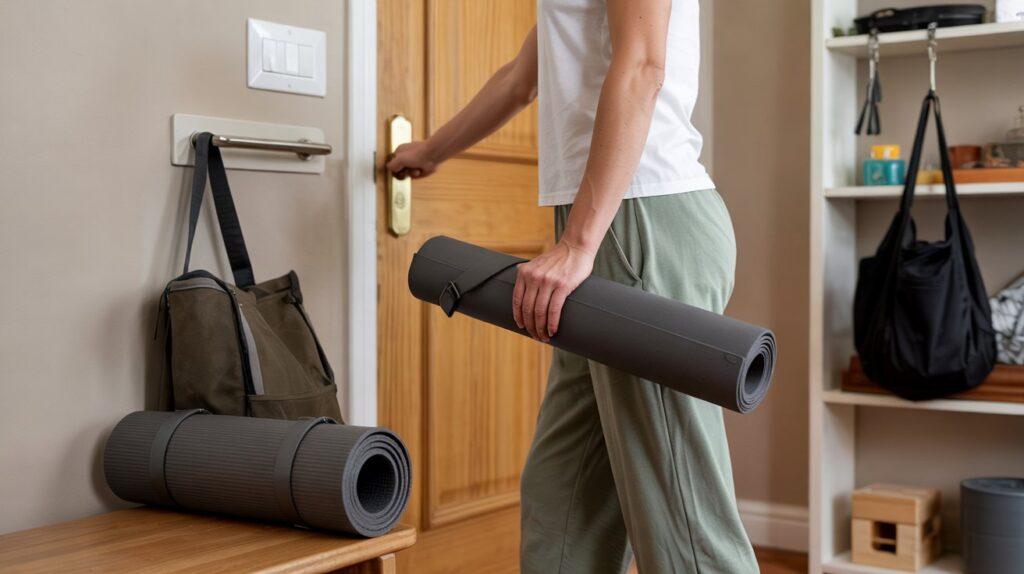
Handling Bulkier Builds: Extra-long or high-density natural rubber mats provide superior cushioning but introduce heavier weight and wider circumferences. These variations require sturdier carry straps and dedicated storage space at home.
Lightweight & Compact Profiles: Shorter, standard-length mats built from materials like TPE roll up tightly and slide easily into gym lockers, trunk storage, or compact gear bags. They pair seamlessly with basic yoga carrying straps.
Ideal Mat Length for Different Yoga Styles
Different yoga disciplines involve distinct movement patterns, meaning the optimal mat length varies depending on your primary practice style. Aligning your equipment dimensions with your movement needs ensures complete physical support and unhindered transitions.
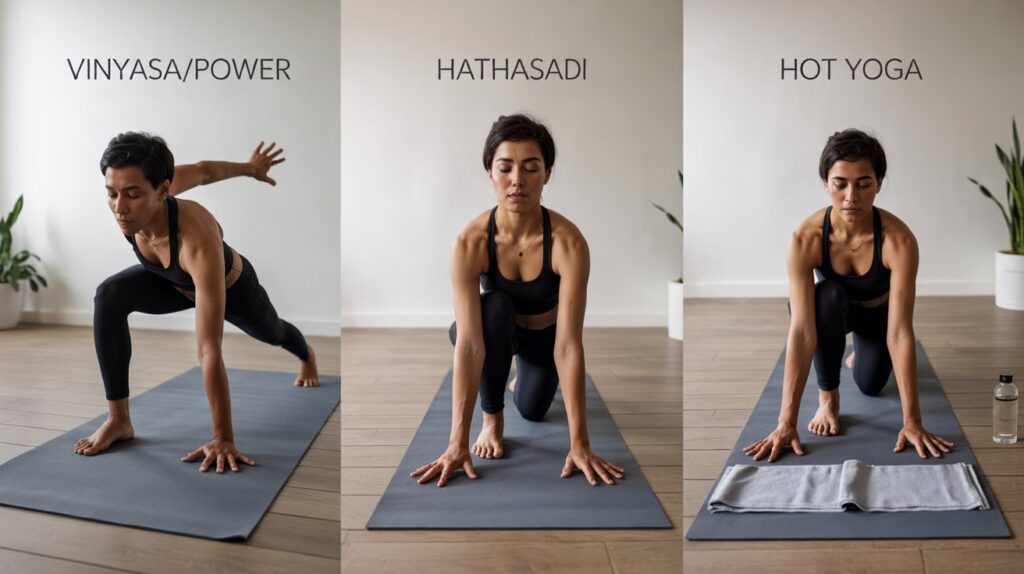
- Vinyasa & Power Yoga: These high-energy, fast-paced flows require frequent lunges, planks, and expansive limb extensions. An extended mat provides crucial clearance for dynamic sequences, keeping you fully grounded from head to heel.
- Hatha & Iyengar Yoga: Characterized by precise alignment, steady postures, and slower transitions. A standard-length mat is typically sufficient since the focus centers on postural geometry rather than sweeping spatial movement.
- Hot Yoga: Heated rooms encourage deep stretching and fluid movement. Slightly larger mats provide a safe buffer for extended postures, though moisture-managing materials and reliable traction remain paramount.
- Restorative & Yin Yoga: Focused on long-held, stationary seated or reclined poses. While standard sizes work well, extra length enhances physical comfort during fully stretched-out relaxation postures.
- Pilates & Hybrid Floor Work: Blending yoga with core conditioning or Pilates demands additional longitudinal space for roll-ups, leg extensions, and prone exercises.
To better understand how specific physical movements and kinesiology influence equipment needs across different fitness disciplines, you can explore the research insights provided by the Harvard T.H. Chan School of Public Health.
Yoga Mat Length for Beginners
For practitioners starting out, selecting equipment that offers an effortless balance of comfort and manageability is essential. A standard-sized mat is engineered to accommodate most users without introducing unnecessary bulk or handling complexity.
- Streamlined Focus: Starting with a mat that matches average body proportions lets beginners concentrate entirely on form alignment, balance, and breath control rather than worrying about spatial boundaries.
- Ease of Handling & Transport: Standard dimensions provide ample surface area for supine and seated drills while keeping the overall roll compact enough for effortless transport to local classes.
- Building Practice Confidence: Prioritizing a manageable size alongside proper cushioning and slip resistance prevents gear from feeling cumbersome, helping maintain consistency in your routine.
Price Comparison: Standard vs. Extra-Long Mats
Evaluating market pricing reveals why extra-long or specialty models often carry a higher price point than conventional alternatives.
- Raw Material Volume: Larger dimensions require more physical input—whether natural rubber, TPE, or cork—which directly increases manufacturing expenses.
- Advanced Material Substrates: Premium options utilize sustainable or high-density elements that elevate production costs but deliver superior grip and longevity.
- Reinforced Construction & Durability: Extra-long models require denser core compression and sturdy edge binding to prevent sagging, ensuring structural integrity over years of use.
- Logistics & Packaging: Bulkier weights and non-standard sizes increase freight, storage, and fulfillment handling overhead.
Typical Market Price Tiers
- Budget / Entry-Level: Basic PVC or synthetic foam options offering basic utility at minimal upfront cost.
- Mid-Range Performance: High-flexibility TPE and textured blends balancing affordability with enhanced physical comfort.
- Premium & Sustainable Options: High-density natural rubber, cork, or jute mats starting around $70, valued for advanced traction and eco-conscious sourcing.
Maximizing Long-Term Value: While larger or premium mats require a higher initial investment, their robust construction reduces replacement frequency. Combined with regular upkeep, proper equipment care ensures maximum durability. For details on extending your equipment’s lifespan, review our guide on how to clean your yoga mat properly.
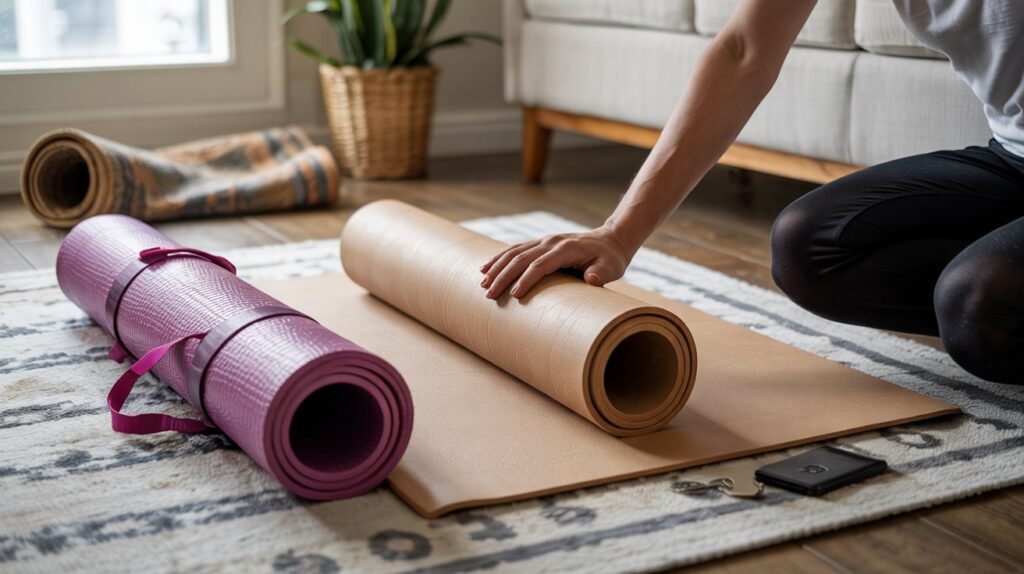
Best Brands Offering Standard-Length Yoga Mats
Selecting equipment from established manufacturers guarantees reliable quality, structural performance, and material safety. The following industry-leading brands consistently deliver exceptional standard-length options tailored to diverse practice styles:
- 1. Manduka: Renowned for industrial-grade durability. Their flagship PRO series features a dense, closed-cell construction that prevents moisture absorption, while the eKO series utilizes sustainably harvested natural rubber.
- 2. Lululemon: Renowned for high-performance athletic gear translated into durable utility. Their classic The Mat (5 mm) delivers balanced grip and joint cushioning suitable for all skill levels.
- 3. Liforme: The premier choice for alignment-focused training, featuring signature etched guide markers to perfect your posture. They integrate eco-conscious, biodegradable rubber with slip-resistant top layers.
- 4. JadeYoga: Dedicated to ecological sustainability through natural rubber construction and a tree-planting initiative. The Harmony Mat offers exceptional grip, making it a favorite for hot yoga practitioners.
- 5. Gaiam: Offers accessible, budget-friendly designs without compromising usability. Known for vibrant patterns and diverse thickness variations, they are ideal for beginners and casual home sessions.
- 6. PrAna: Focuses on clean, non-toxic manufacturing. Their E.C.O. mat provides reliable traction and moderate cushioning using recyclable, eco-friendly materials.
Bottom Line: These top-tier brands offer a broad spectrum of choices, spanning professional-grade durability to affordable eco-conscious options. Match your core priorities—such as grip, thickness, or sustainability—to find the ideal fit.
To explore specialized surface designs that integrate seamlessly with your preferred brand or home practice setup, browse our complete collection of alignment and printed yoga mats.
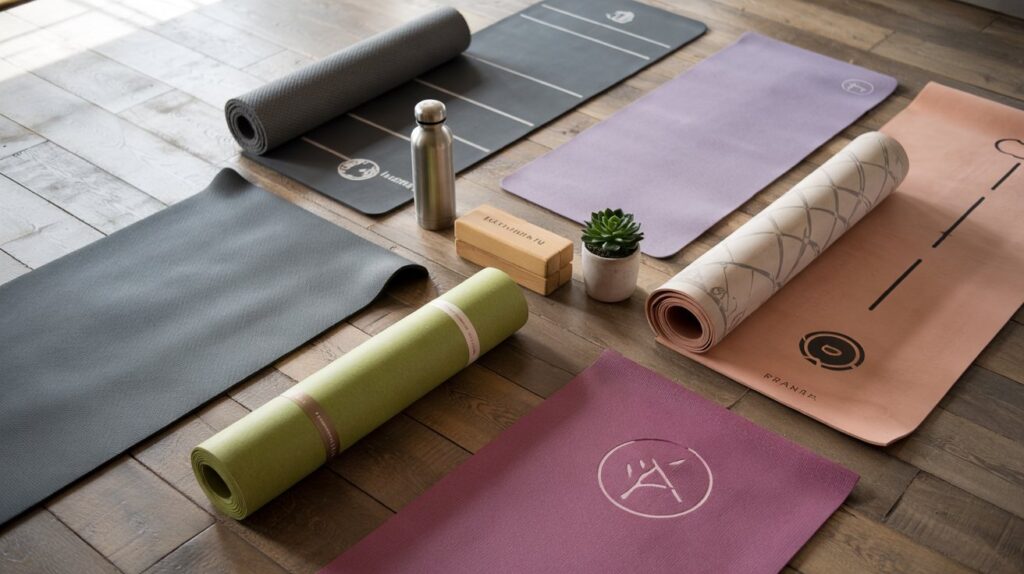
Care and Maintenance Tips for Yoga Mats
Proper equipment upkeep preserves surface traction, structural cushioning, and hygiene, ensuring your mat remains safe and supportive over years of daily use.
Routine Surface Sanitization
Wipe down your mat after every session using a microfiber cloth and a mild, natural cleaning spray. For deep cleans, use diluted eco-friendly soap, rinse thoroughly, and strictly avoid bleach or harsh chemical solvents that degrade substrates.
Proper Air Drying
Allow your mat to dry completely flat or draped before rolling it up. Avoid prolonged exposure to direct sunlight, as UV rays break down natural rubber and synthetic polymers.
Correct Rolling & Storage
Roll your mat loosely with the top (grippy) side facing outward to prevent edge curling. Store it in a temperature-controlled, dry environment away from dampness or direct heat sources to prevent mold and warping.
Mitigating Physical Damage
Remove jewelry and shoes, and keep sharp objects clear of the practice surface to prevent punctures or tears. When training outdoors, place your mat over a clean ground cover or tarp.
Periodic Inspection & Replacement
Regularly check for thinning cushion zones, surface cracks, or diminished traction. Replace your equipment when it no longer provides safe joint protection.
Common Mistakes When Choosing Yoga Mat Length
Selecting the right dimensions requires looking beyond basic surface aesthetics. Avoiding these common sizing errors ensures your investment matches your exact physical requirements:
Misjudging Portability vs. Comfort: While extra-long or thick mats maximize floor comfort, they introduce additional weight and bulk. Neglecting to factor in your daily commute or travel routine can make carrying your gear unnecessarily cumbersome.
Overlooking Physical Height Needs: Choosing a mat solely on price or visual appeal often leads to buying an undersized model. If your head or heels slip off the edges during supine stretches or full-body extensions, your flow and joint protection suffer.
Assuming Universal Sizing: Dimensions vary across different manufacturers. Failing to check precise measurements can result in purchasing a mat that falls short of your functional space requirements.
Neglecting Discipline Dynamics: Forgetting your core practice style can cause friction. Fast-paced, dynamic movements or wide-stance disciplines demand more longitudinal space than static, seated sessions.
FAQs
What is the typical length of a yoga mat?
Most mats measure around 68 inches long, which works well for the average person. Taller individuals may prefer options that offer extra length.
How do I know if a mat is long enough for me?
A good rule of thumb is to choose a mat that’s at least 6 inches longer than your height when lying down. This ensures your head and feet stay on the mat during practice.
Do taller people need special yoga mats?
Not always, but many taller users feel more comfortable on extended-length mats. These provide more room for stretching and full-body poses.
Are longer mats harder to carry?
Extended-length mats can be slightly bulkier and heavier, but many brands design them with lightweight materials to reduce the load.
Does mat length affect stability?
Yes. Having enough space for proper alignment helps improve balance and prevents slipping off the edges during dynamic movements.
Conclusion: Securing Your Ideal Yoga Mat Length
Selecting the correct yoga mat length is fundamental to establishing a comfortable, stable, and deeply supportive practice environment. The optimal dimension depends directly on your physical height, movement style, and portability needs—evaluating these factors ensures your equipment accommodates every stretch without restriction. Whether you practice at home or commute to local studios, the right size improves postural alignment, builds movement confidence, and elevates your overall flow.
Once you have secured your ideal dimensions, ongoing maintenance is vital to preserve performance. To keep your surface fresh, hygienic, and resilient over years of daily use, explore our detailed guide on how to clean your yoga mat properly. Equipped with these insights, you are fully prepared to choose a mat that delivers lasting comfort and unhindered freedom of movement.
About the Author: Bilal Khan
Bilal Khan is a dedicated yoga practitioner, fitness researcher, and gear optimization specialist. With a deep passion for functional movement, biomechanics, and equipment ergonomics, Bilal specializes in breaking down technical sizing metrics and material science to help practitioners find the ideal tools for their practice. His core mission is to cut through industry fluff, offering honest, data-backed insights that empower yogis of all levels to build a safer, more comfortable, and sustainable practice space.