Introduction
Finding the right yoga mat gets tricky once your height, comfort needs, or workout style don’t fit the “standard” size. That’s where a bigger yoga mat comes in — extra length and width give you more room to stretch, flow, and hold poses without stepping off the edge. Whether you’re tall, plus-size, or simply prefer extra space for Pilates and home workouts, an oversized mat can make a real difference in comfort and stability.
In this guide, we’ve reviewed the top extra-large yoga mats of 2026, comparing size, cushioning, grip, durability, and value — so you can find the best bigger yoga mat for your practice.
Table of Contents
1. Mat Size & Dimensions
One of the most important factors when choosing an extra-large yoga mat is its overall size. Traditional yoga mats are typically 68–72 inches long and 24 inches wide, which can feel restrictive for taller users or anyone who prefers more room to move during practice. A larger mat offers significantly more surface area, giving you greater freedom for stretches, poses, and transitions.
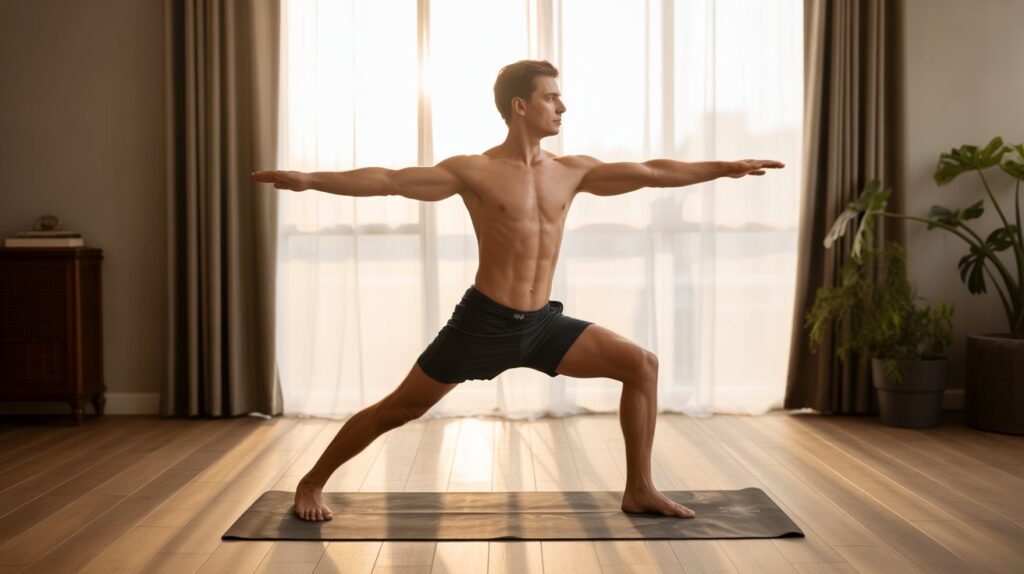
Most extra-long yoga mats range from 72 to 84 inches in length and 30 to 36 inches in width. This extra space makes a noticeable difference during poses like Downward Dog, Warrior sequences, or full-body stretches. Taller practitioners often find their hands or feet extending beyond the edges of a standard mat — a wider, longer option solves this by providing full-body coverage.
Bigger dimensions also improve comfort during home workouts, Pilates sessions, and stretching routines. The extra width lets you shift positions freely without constantly readjusting your placement — especially helpful if you’re practicing in a home gym or studio and want a stable, spacious surface. Check out our full guide to the best bigger yoga mats to compare top picks by size, cushioning, and grip.
When comparing bigger yoga mats, check both length and width carefully. Some mats prioritize extra length for taller users, while others focus on added width for more movement space. The right size ultimately depends on your height, workout style, and how much room you prefer while practicing.
2. Thickness & Cushioning
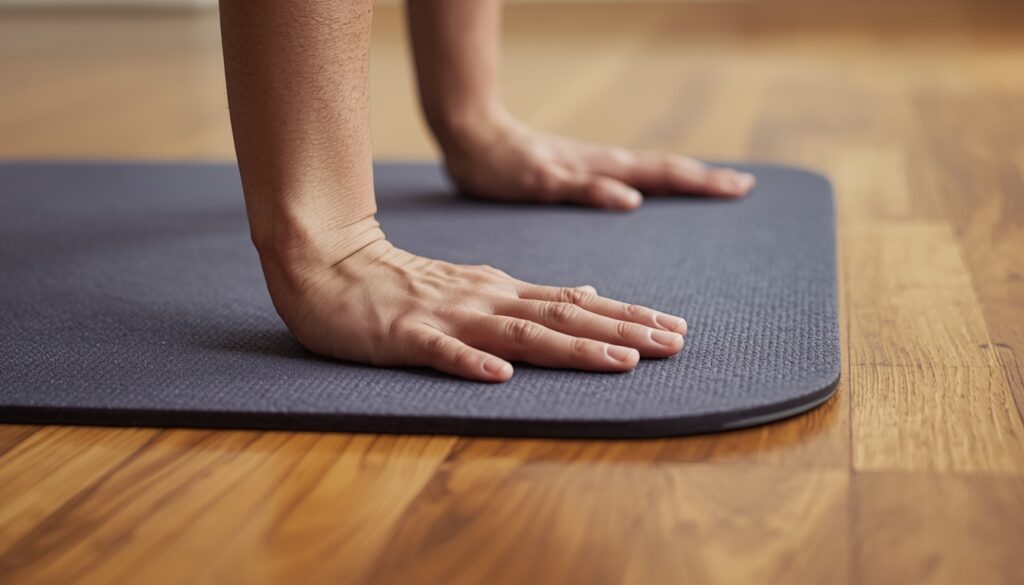
Thickness plays a major role in determining how comfortable and supportive a yoga mat feels during practice. The level of cushioning affects how well the mat protects your knees, wrists, hips, and spine, especially during floor poses or longer sessions. A well-padded surface helps reduce pressure on joints and makes workouts more enjoyable, particularly when practicing on hard floors such as tile or hardwood.
Most yoga mats fall within a thickness range of 3mm to 8mm, and each level provides a different balance of comfort and stability. Mats around 3–4mm are considered standard and offer a firm connection to the floor, which helps maintain balance during standing poses. However, they may not provide enough cushioning for people who need extra joint protection.
A thickness of 5–6mm is often considered the ideal middle ground. This range offers improved shock absorption while still maintaining stability during movements and transitions. Because of this balance, many practitioners prefer this level of cushioning for everyday yoga sessions, stretching routines, and Pilates workouts.
Thicker options, typically 7–8mm or more, provide maximum comfort and are especially helpful for beginners, restorative yoga, or anyone with sensitive joints. These mats create a softer surface that reduces pressure during kneeling poses, seated stretches, and slow-paced practices. However, excessive cushioning can sometimes make balancing poses slightly more challenging because the surface may feel softer underfoot.
When comparing options in the Best Bigger Yoga Mat in 2026: Top Extra Large Yoga Mats Reviewed, it is important to consider both thickness and material quality. Density and material type—such as rubber, foam, or TPE—can significantly affect how supportive and durable the cushioning feels over time.
3. Material & Build Quality
The material used in a yoga mat plays a major role in its durability, grip, comfort, and overall performance. High-quality materials help the mat retain its shape and cushioning even after frequent use. When comparing extra-large yoga mats, it’s worth understanding how different materials affect long-term build quality.
One of the most common materials is TPE (Thermoplastic Elastomer). TPE mats are lightweight, flexible, and generally more environmentally friendly than traditional plastic mats. They offer good cushioning and comfort, making them suitable for home practice and moderate workouts — though they may compress faster than other materials after heavy long-term use.
Natural rubber is another popular option, widely known for its durability and strong grip. Rubber mats provide excellent traction, especially during intense or sweaty sessions, and tend to outlast many synthetic alternatives since the dense material resists tearing and wear. Many premium yoga mats use natural rubber as the base layer for stability and long-term performance.
PVC (Polyvinyl Chloride) is commonly used in affordable yoga mats. It offers strong durability, good grip, and a long lifespan, which is why it’s widely used in beginner and studio mats. However, PVC is less eco-friendly than natural materials and isn’t biodegradable, so some users prefer alternatives for environmental reasons.
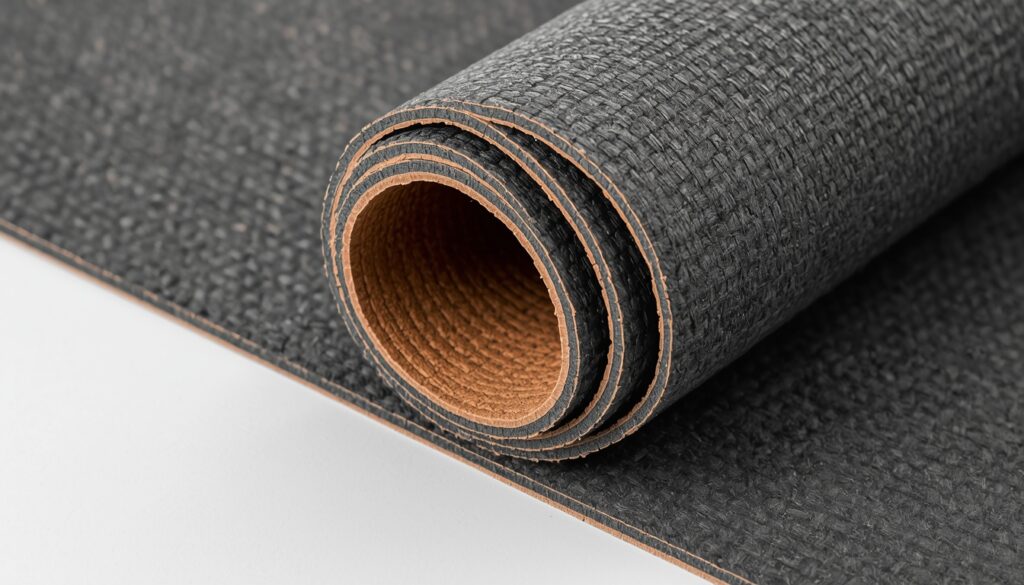
Cork yoga mats are becoming increasingly popular for their natural feel and hygienic properties. Cork is naturally antimicrobial, helping resist bacteria and odors — and interestingly, it becomes grippier when exposed to moisture or sweat, making it a great choice for hot yoga. Many cork mats pair a cork top layer with a rubber base for added support and durability.
4. Grip & Non-Slip Performance
Grip is one of the most important features of a yoga mat because it directly affects stability, safety, and overall performance during practice. Strong non-slip properties keep your hands and feet firmly in place, helping you maintain proper alignment through poses and transitions. Without reliable traction, users may slide during movements like Downward Dog, Plank, or Warrior poses — which can disrupt balance and increase the risk of strain or injury.
Several factors influence how well a mat prevents slipping. Material composition is one of the most important — mats made from natural rubber or polyurethane (PU) are widely known for excellent grip, even during intense or sweaty sessions. Cork surfaces also perform well because they tend to become grippier when exposed to moisture, making them suitable for hot yoga or high-intensity workouts.
Surface texture and pattern design play a major role in slip resistance too. Mats with textured patterns, ridges, or micro-grip surfaces create friction between the mat and your hands or feet. Smooth surfaces may feel comfortable at first but often turn slippery once sweat builds up during exercise.
Moisture management matters just as much. During intense sessions, sweat can form a thin layer on the mat that reduces friction and causes sliding. High-quality mats are designed to absorb or disperse moisture so the surface stays stable even in humid conditions or long workouts.
When choosing a bigger yoga mat, look for one that combines high-quality materials, textured surfaces, and sweat-resistant design. These features ensure a secure grip, letting you focus fully on your movements and breathing instead of worrying about slipping.
5. Comfort for Different Body Types
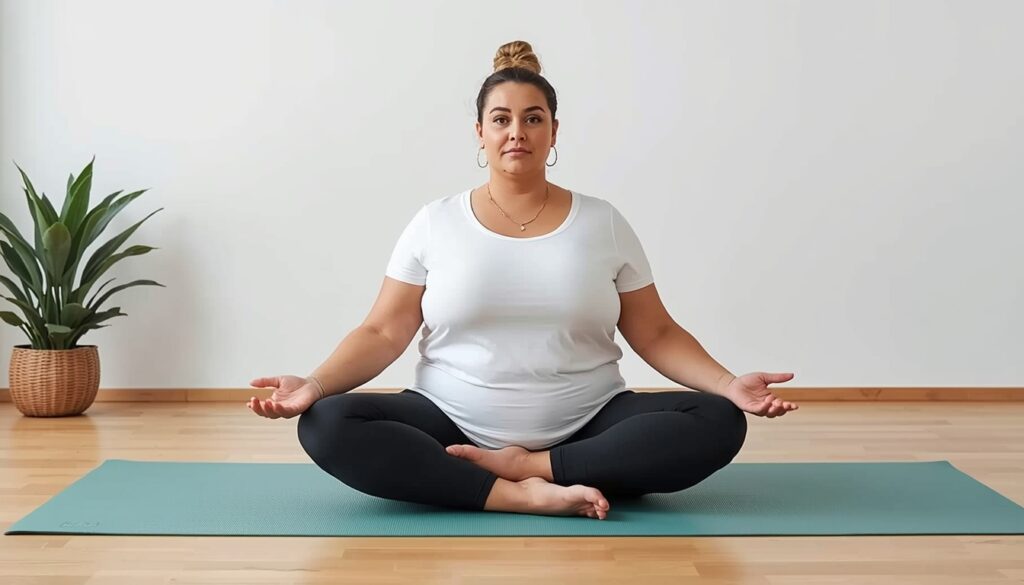
Comfort is an important factor when choosing a yoga mat, especially for people with different body sizes, heights, and movement styles. A mat with larger dimensions offers a more comfortable and supportive practice surface for tall users, plus-size practitioners, and anyone who prefers more room to move.
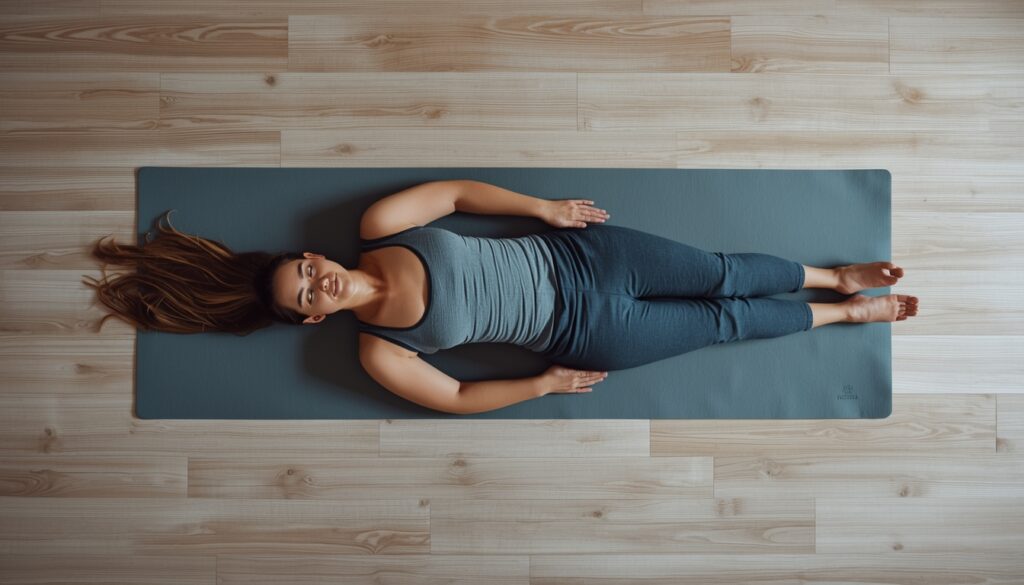
For taller individuals, a longer mat ensures the entire body stays supported during poses and stretches. Standard mats are often around 68 inches long, which can cause the head or feet to extend beyond the edges for above-average height users. Extra-long mats — usually 72–78 inches or more — provide full coverage so you can perform poses like Savasana or lunges without constantly adjusting your position.
Wider mats also benefit users with broader shoulders or larger body frames. Most traditional mats are about 24 inches wide, but wider options ranging from 26–30 inches allow more lateral movement during poses like Warrior II or wide-leg stretches — improving stability and reducing the chance of hands or knees slipping off the edge.
For plus-size practitioners, a larger practice surface can make yoga more comfortable and less restrictive. The extra space allows smoother transitions between poses and better support when shifting body weight. Larger mats also distribute pressure more evenly, helping reduce discomfort during floor exercises or extended sessions.
A spacious mat also offers greater freedom of movement during dynamic workouts. Whether practicing yoga flows, Pilates routines, or full-body stretching, the extra space lets you extend your arms and legs fully without worrying about staying within a narrow surface area — creating a more relaxed, focused practice.
6. Weight & Portability
Although larger yoga mats provide more space and comfort, weight and portability are important factors to consider. Because these mats use more material and have bigger dimensions, they’re naturally heavier than standard mats — which can affect how easy they are to carry to a studio, transport to outdoor workouts, or store at home.
A typical standard yoga mat usually weighs around 2–5 pounds (0.9–2.3 kg), while larger mats can weigh 4–8 pounds or more, depending on thickness and material. The increased size and density add extra bulk, which may make transportation slightly more challenging for some users.
Material also plays a significant role in portability. TPE or lightweight foam mats are usually easier to carry since they weigh less, while natural rubber or thick PVC mats tend to be heavier but offer better durability and stability. Choosing the right material helps balance comfort and portability based on your needs.
Design features also improve portability. Many modern mats include carrying straps, storage bags, or quick-roll designs that make transport and storage easier after workouts — especially useful for people who attend classes regularly or practice in multiple locations.
When choosing a bigger yoga mat, check the total weight, roll-up flexibility, and included carrying accessories. A mat that rolls tightly and comes with a strap or bag will be much easier to carry, even if it’s slightly heavier than standard mats.
7. Durability & Longevity
Durability is an important factor when choosing a yoga mat, especially for regular practitioners. A high-quality mat should resist wear, tearing, and surface damage even after months or years of consistent use, maintaining its grip, cushioning, and shape over time.
Material type is one of the biggest factors affecting durability. PVC mats are known for strong wear resistance and can last many years with proper care. Natural rubber mats are also highly durable, often lasting 2–5 years with regular use, while TPE mats are lightweight and comfortable but may wear out faster with frequent use.
Practice frequency and intensity also affect how long a mat lasts. People practicing several times per week may need to replace their mat sooner than occasional users — mats used 5–7 times per week typically last around 6–18 months, while less frequent use can extend that lifespan significantly.
Signs of wear usually show up where the body applies the most pressure — such as where hands and feet land during poses like Plank or Downward Dog. Over time, the surface may develop flattened spots, cracks, or reduced grip, affecting both comfort and stability.
Proper care can significantly extend a mat’s lifespan. Cleaning it regularly, storing it away from direct sunlight and excessive heat, and avoiding harsh chemicals all help prevent material damage and maintain performance longer.
8. Eco-Friendliness & Safety
Eco-friendliness and safety are important considerations when selecting a yoga mat, especially for people who want a healthier workout environment and a smaller environmental footprint. Many modern mats are designed with non-toxic materials and sustainable production methods, helping users avoid harmful chemicals while supporting environmentally responsible products.
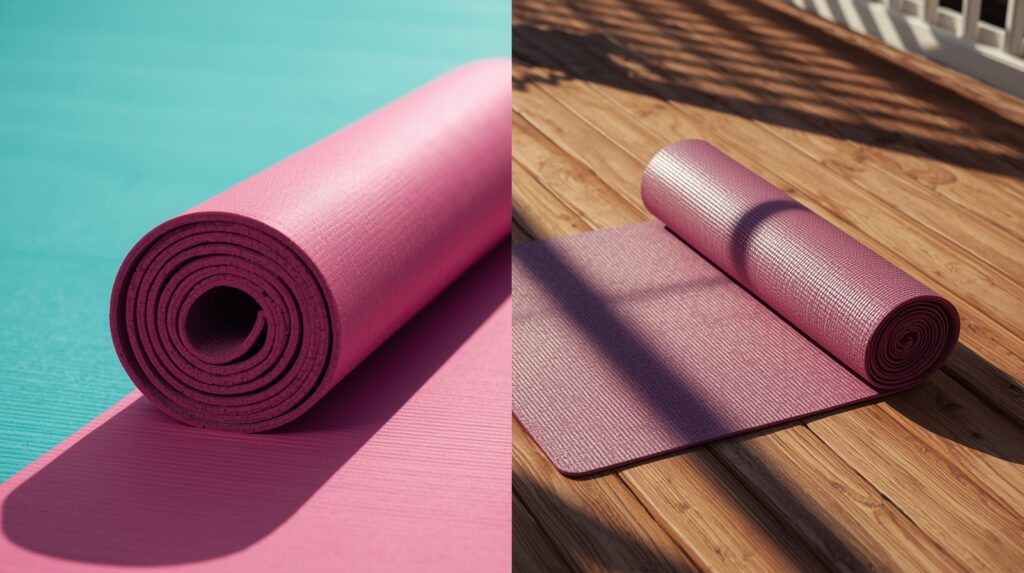
The type of material used is one of the key factors. Eco-friendly yoga mats are often made from natural rubber, cork, or recyclable TPE — safer alternatives to traditional plastic materials. Natural rubber is sourced from rubber trees and considered a renewable resource, while cork is biodegradable and naturally resistant to bacteria and odors. These materials reduce environmental impact while still offering durability and performance.
The absence of harmful chemicals matters just as much. Some lower-quality mats may contain substances like phthalates, heavy metals, or toxic dyes, which can release unpleasant odors and potentially affect indoor air quality. High-quality mats are often labeled PVC-free, latex-free, or phthalate-free — indicating they’re manufactured without these potentially harmful components.
Many brands also include third-party safety certifications to verify their products meet strict environmental and health standards. Certifications such as OEKO-TEX®, FSC (Forest Stewardship Council), and GREENGUARD confirm that materials have been tested for harmful substances and produced using responsible sourcing practices. These certifications help consumers choose products that are both safe and environmentally responsible.
Sustainable manufacturing practices are another important factor. Some companies focus on low-waste production, recyclable packaging, and responsible sourcing of raw materials to reduce their environmental footprint — for example, using sustainably harvested rubber or recycling programs to minimize waste from old mats.
9. Multi-Purpose Use
A versatile yoga mat can serve more than just traditional yoga practice. Many extra-large mats are designed to accommodate a variety of activities, making them ideal for Pilates, stretching routines, home workouts, and even meditation sessions. Having a mat that supports multiple purposes ensures you get the most value and functionality from your purchase.
For yoga, a mat needs to provide stability, grip, and enough space to perform full-body stretches comfortably. Wider and longer mats are especially helpful for poses that require extended reach or floor support, such as Warrior II, Plank, or Savasana.
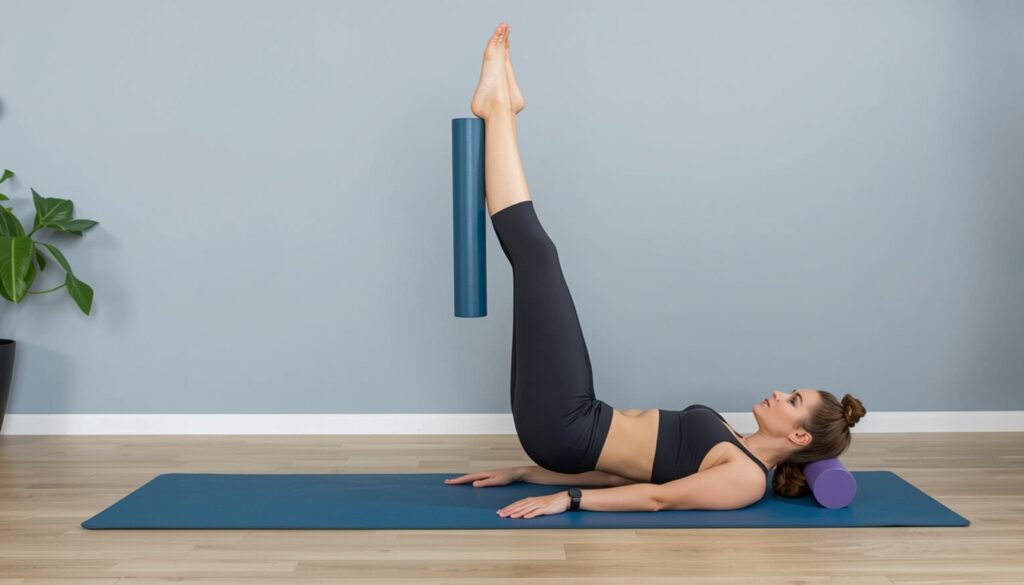
In Pilates and floor exercises, cushioning is critical to protect joints while allowing controlled movements. Mats that are thick enough to absorb impact but firm enough to maintain balance are ideal for exercises like leg lifts, roll-ups, and core workouts. Extra space also enables smooth transitions between poses without feeling cramped.
For home workouts, a mat can serve as a stable base for bodyweight exercises, stretches, or HIIT routines. Its durability and non-slip surface ensure safety even during dynamic movements. Additionally, larger mats are perfect for multi-person use or for exercises requiring more lateral movement.
Meditation is another activity that benefits from a spacious mat. Extra-large mats provide room to sit comfortably in different positions and allow additional padding for long sessions. The mat can double as a quiet, dedicated space for relaxation and mindfulness practices. (pureyogamats.com)
10. Ease of Cleaning & Maintenance
Keeping a yoga mat clean is essential for hygiene, longevity, and performance. A mat that’s easy to clean helps prevent the buildup of sweat, dirt, and bacteria — which can otherwise cause unpleasant odors or material breakdown over time. When choosing a bigger yoga mat, it’s worth considering how simple it is to maintain the surface.
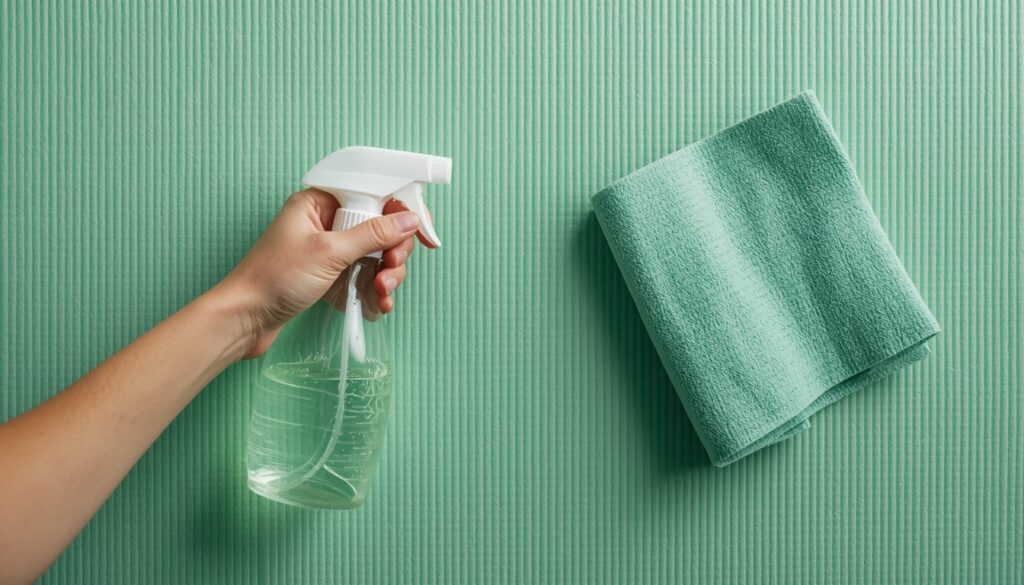
The material of the mat greatly affects ease of cleaning. TPE and PVC mats typically have smooth surfaces that can be wiped down quickly with a damp cloth or mild cleaning solution, making them excellent choices for frequent use or gym environments where mats need regular sanitizing.
Natural rubber and cork mats offer good grip and sustainability, but they may require a gentler cleaning method. Harsh chemicals can damage natural materials, so it’s best to use mild soap and water and avoid soaking them. After cleaning, let the mat air dry completely before rolling it up — this prevents moisture from getting trapped, which could lead to mildew or odors.
Some mats come with special surface coatings that resist sweat and stains, making maintenance even easier. These coatings protect the material and let dirt wipe off cleanly without much effort. A few mats are even machine washable — rare for larger mats, but a convenient feature for some users.
Consistency in cleaning is key. For everyday maintenance, a quick wipe-down after each session helps remove sweat and prevents buildup. For deeper cleaning, use a mild mat cleaner or a simple water-and-soap solution, then let the mat air dry fully before rolling. Avoid direct sunlight during drying, as it can degrade some materials over time.
11. Storage & Space Requirements
Larger mats provide extra space for your practice, but they also require more room for storage when not in use. Before making a decision, it’s important to consider where and how you will store your yoga mat so it fits comfortably within your living or workout space.
Because extra‑large mats are longer and wider than standard versions, they can be bulkier when rolled or folded. This means they may take up more space in closets, under beds, or in home gyms. When reviewing options in the Best Bigger Yoga Mat in 2026: Top Extra Large Yoga Mats Reviewed, check the rolled‑up diameter and flexibility of each mat. A mat that rolls tightly and compactly will be easier to store without dominating valuable space.
Another helpful feature is compatibility with storage accessories. Many mats come with carrying straps or storage bags designed to hold the mat securely while keeping it neat and clean. Some bags are tailored to extra‑large dimensions, which makes transporting and storing the mat more convenient. If the mat doesn’t include a bag, you can purchase a separate yoga mat bag or strap that accommodates larger sizes.
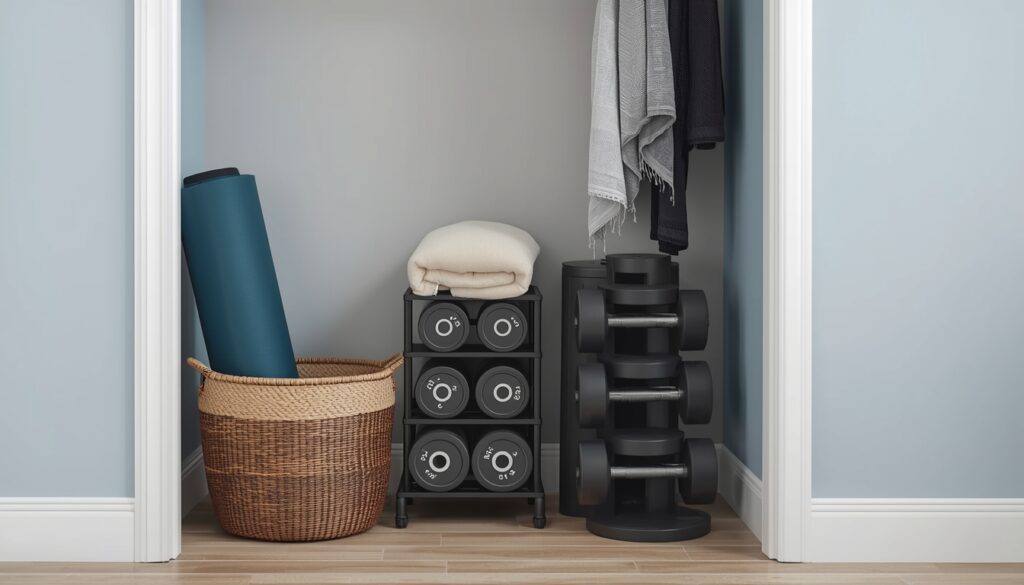
Consider where you will keep the mat when it’s not in use. For example:
- Closet shelves or hooks can hold a rolled mat upright.
- Under‑bed storage is useful for homes with limited closet space.
- Wall or equipment racks in a workout area provide easy access while keeping the mat off the floor.
If space at home is limited, look for mats that are designed to roll compactly or fold without creasing, making them more adaptable for tight storage spots. Some materials—like TPE or lightweight foam—tend to compress more easily, resulting in smaller storage size. In contrast, thicker mats or those made from dense rubber may not compress as much and can take up more room.
12. Price & Value for Money
When choosing the best bigger yoga mat, don’t focus on the price alone. Consider the overall value for money, including the mat’s size, cushioning, grip, material quality, durability, and everyday usability. Extra-large yoga mats typically cost more than standard mats because they require more material and provide a larger practice area, but the added space can be worthwhile for the right user.
The price of an extra-large yoga mat can vary depending on factors such as material, thickness, grip, construction quality, and included accessories. More affordable mats can be suitable for occasional use, while higher-quality options may offer better cushioning, traction, and durability for regular practice.
When reviewing the Best Bigger Yoga Mat in 2026: Top Extra Large Yoga Mats Reviewed, compare what you get for the price rather than choosing based on cost alone. A mid-range mat with a good balance of comfort, grip, durability, and size can offer excellent value for many users without the higher cost of premium models.
Premium extra-large mats may include additional features such as alignment markings, eco-friendly materials, improved non-slip surfaces, carrying straps, or storage bags. These features can be valuable if they fit your practice style and daily routine. For example, someone who practices yoga frequently may benefit from investing in a more durable and comfortable mat.
It’s also important to consider long-term value. A durable mat that maintains its grip and cushioning for years may be more economical than repeatedly replacing cheaper mats. Before buying, check the material, construction, warranty when available, and genuine user feedback to better understand its expected performance.
Ultimately, the best value comes from choosing a large yoga mat that matches your needs and budget. Consider the space you need, your preferred level of cushioning, grip requirements, workout frequency, and expected lifespan to find an option that delivers reliable performance without paying for features you won’t use.
FAQs
1. What is a bigger yoga mat?
A bigger yoga mat is longer and wider than standard mats, providing extra space for stretches, poses, and full-body movements.
2. Who should use an extra-large yoga mat?
Tall users, plus-size practitioners, and anyone who prefers more room for movement will benefit from a larger mat.
3. What materials are best for a bigger yoga mat?
Common materials include natural rubber, TPE, PVC, and cork. Each offers different levels of grip, cushioning, and durability.
4. How do I clean and maintain a large yoga mat?
Wipe with a damp cloth or mild soap solution, avoid harsh chemicals, and air dry completely before storing.
5. Are bigger yoga mats worth the investment?
Yes, they provide extra comfort, stability, and durability, making them ideal for home workouts, yoga, Pilates, and stretching routines.
Conclusion
Choosing the best bigger yoga mat is about more than simply finding a larger surface. The right extra-large yoga mat should provide enough space, comfortable cushioning, reliable grip, and durable materials to support yoga, Pilates, stretching, and home workouts. A wider and longer mat can also offer added comfort for taller and plus-size users while making floor exercises more convenient.
When choosing from the Best Bigger Yoga Mat in 2026: Top Extra Large Yoga Mats Reviewed, consider key factors such as mat size, thickness, material quality, grip, durability, portability, and ease of cleaning. The best option will depend on your body size, workout style, available space, and personal comfort needs.
A well-designed extra-large yoga mat can give you the freedom to move comfortably while providing the support and stability needed for a more enjoyable practice. Focus on the features that matter most to you, and choose a mat that offers the right balance of space, comfort, grip, and long-term value.