Introduction
Finding the right extra long yoga mat can completely transform your practice — especially if you’re a taller practitioner or simply prefer extra room to move freely. Standard yoga mats, typically around 68 inches, often feel restrictive for taller bodies, causing hands and feet to slip off the edges during poses like Savasana or Downward Dog. This constant repositioning breaks your flow and affects balance.
In this guide, we’ve reviewed the best extra long yoga mats in 2026, comparing length, thickness, grip, and durability — so you can find a mat that offers full-body support, better stability, and uninterrupted comfort for every session.
Table of Contents
1. Length & Dimensions
Choosing the right length and size plays a major role in comfort, especially for taller practitioners or anyone who prefers more room to move during their practice. Mats designed with extended dimensions help prevent hands or feet from slipping off the edges during poses and transitions, giving you a more stable, uninterrupted flow.
Standard vs Extra-Long Yoga Mat Sizes
Most standard yoga mats measure around 68 inches (173 cm) in length, which works fine for average-height users but often feels restrictive for anyone taller. Extra-long yoga mats typically range from 72 to 84 inches, offering noticeably more space for poses like Savasana, lunges, and full-body extensions. This added length improves balance, keeps your entire body supported, and reduces the need for constant repositioning mid-practice.
Ideal Yoga Mat Length for Tall Yogis
For users over 5’10” (178 cm), a mat measuring at least 78 inches is generally the most comfortable choice, keeping you fully supported from head to heels even in reclined or extended poses. If you’re specifically shopping based on height, our detailed guide on extra-long yoga mats for tall yogis breaks down the best sizing options in more depth.
Width Options for Added Space
Width matters just as much as length. Standard mats are about 24 inches wide, while wider options — 26 to 30 inches — provide extra room for broader stances and flowing movements. A wider surface is especially helpful for beginners, restorative yoga, and home workouts, where stability and space matter more than portability. If grip and stability during wider stances is your priority, check out our roundup of the best non-skid yoga mats for extra traction.
2. Thickness & Cushioning
The thickness of your yoga mat directly affects how comfortable and supportive it feels during practice. Whether you prefer a firmer surface for balance or extra padding for joint support, understanding these differences helps you choose the right mat for your body and practice style.
Thin vs Thick Yoga Mats
Yoga mats typically range in thickness from 1/16 inch (1.5 mm) up to 1/4 inch (6 mm) or more. Thinner mats offer better stability and closer floor contact, ideal for balance-focused styles like Ashtanga or Vinyasa. Thicker mats, on the other hand, provide extra cushioning that helps absorb impact and reduce pressure on the knees, hips, and wrists.
Joint Protection and Comfort
If you have sensitive joints or enjoy longer holds and restorative poses, extra cushioning can make a real difference. Thicker surfaces help pad major pressure points during poses like child’s pose, hero pose, or pigeon pose — enhancing comfort without sacrificing stability. Research also shows that yoga can help improve stiffness and quality of life for people dealing with joint issues like osteoarthritis, which is exactly why the right cushioning matters, not just for comfort but for supporting long-term joint health. Many of the options in our Best Extra Long Yoga Mats in 2026 roundup offer this added layer of protection for more comfortable sessions. Healthline
Best Yoga Mat Thickness for Different Styles
- Hatha & Restorative: 6 mm or more for superior comfort
- Vinyasa & Flow: Around 4–5 mm for balance with cushioning
- Hot Yoga & Travel: 3–4 mm for a lightweight, packable feel
- Beginners: Slightly thicker mats help build confidence and comfort
3. Grip & Traction
A mat’s grip and traction can make or break your practice. Good surface grip keeps you steady during transitions, supports alignment in standing poses, and builds confidence even when your session gets intense.
Dry Grip vs Wet Grip Performance
Some mats are built primarily for dry grip, working well in gentler, moderate-paced sessions like Hatha or Yin. These mats offer enough texture to prevent slipping when hands and feet are dry. But during vigorous flows or heated practices, sweat can quickly reduce traction. Wet grip refers to how well a mat holds traction even when damp. Many of the Best Extra Long Yoga Mats in 2026 now use materials or surface patterns that actually improve traction as moisture increases, keeping you stable exactly when you need it most.
Slip Resistance for Sweaty Sessions
If you sweat heavily — especially in classes like Bikram, Hot Yoga, or Power Yoga — strong slip resistance becomes essential. Mats with deeper texture or proprietary grip tech help channel moisture away from contact points, reducing slipping and improving safety. According to Yoga Journal’s guide to hot yoga, managing sweat and staying properly hydrated is just as important as your gear when practicing in heated conditions, so a mat with reliable wet-grip performance pairs directly with safer practice habits.
Stability During Standing Poses
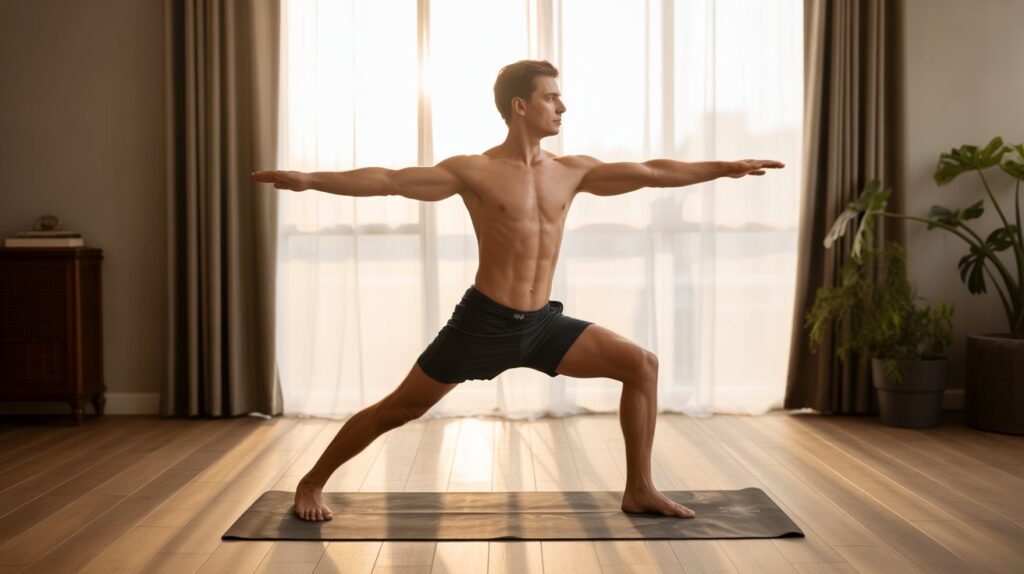
Good traction isn’t just about preventing slips — it also supports posture and balance. In standing sequences like Warrior II, Triangle, or extended balances like Tree Pose, a stable surface helps evenly distribute weight and supports proper muscle engagement. Look for mats with consistent surface texture and a non-skid base that anchors well to the floor.
4. Material & Build Quality
The material of your mat affects its feel, durability, and performance. Different materials offer unique benefits—from cushioning and grip to eco-friendliness and ease of cleaning. Understanding these differences helps you pick a mat that matches your practice style and priorities.
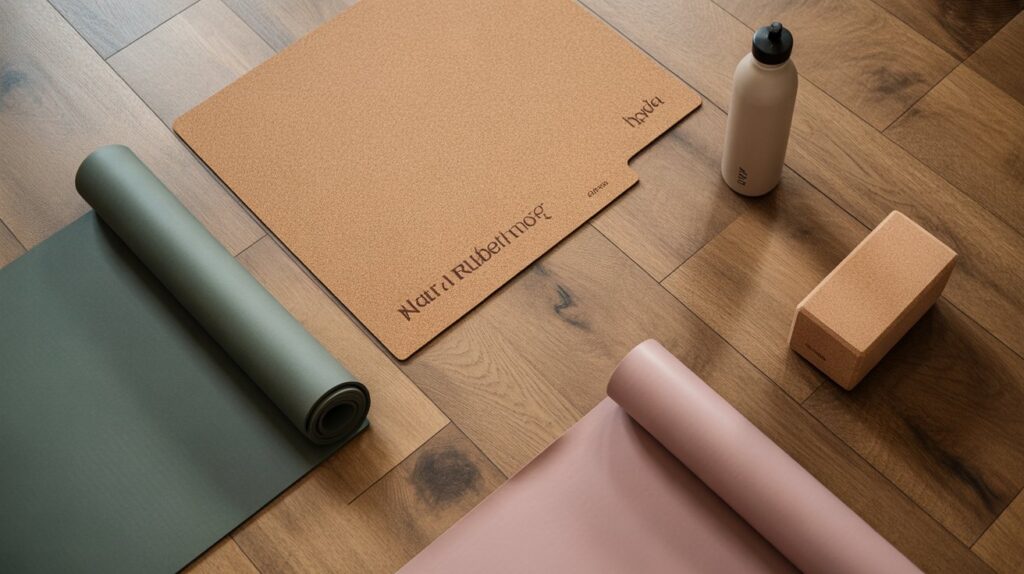
PVC, TPE, Natural Rubber, Cork
- PVC (Polyvinyl Chloride): Known for excellent durability and strong grip on dry surfaces. PVC mats are often affordable and long-lasting, though they may contain synthetic chemicals and are less eco-friendly.
- TPE (Thermoplastic Elastomer): A more environmentally conscious alternative to PVC, offering good cushioning and decent traction. These mats are lightweight and easier to recycle.
- Natural Rubber: Provides excellent grip and resilience, especially when dry. Rubber mats tend to be thicker and more durable, but they can be heavier and may not suit those with latex sensitivities.
- Cork: Naturally antimicrobial and slip-resistant, cork mats improve grip as they get slightly damp. Cork also delivers a firm feel that many yogis appreciate for balance and stability.
Durability and Tear Resistance
Durability is key if you practice frequently or transport your mat often. PVC and natural rubber generally rank high for long-term resilience and tear resistance. TPE offers moderate durability with lighter weight. While cork mats can be highly durable, they may show wear differently, often around the edges if bent or folded repeatedly. Many of the Best Extra Long Yoga Mats in 2026 balance robust materials with reinforced construction to help them withstand regular use.
Texture and Surface Feel
The surface texture affects both grip and comfort. Some materials have a naturally tacky feel that helps hands and feet stay in place, while others rely on embossed patterns to enhance traction. Smooth surfaces can be comfy for floor work but may become slippery when wet. Textured surfaces improve grip and add sensory feedback, which can boost confidence in standing and balance poses.
5. Comfort for Tall Users
For taller practitioners, comfort and functionality go far beyond standard sizing. A mat that fully accommodates your body can make a significant difference in how supported, stable, and confident you feel throughout your practice.
Full-Body Coverage in Poses
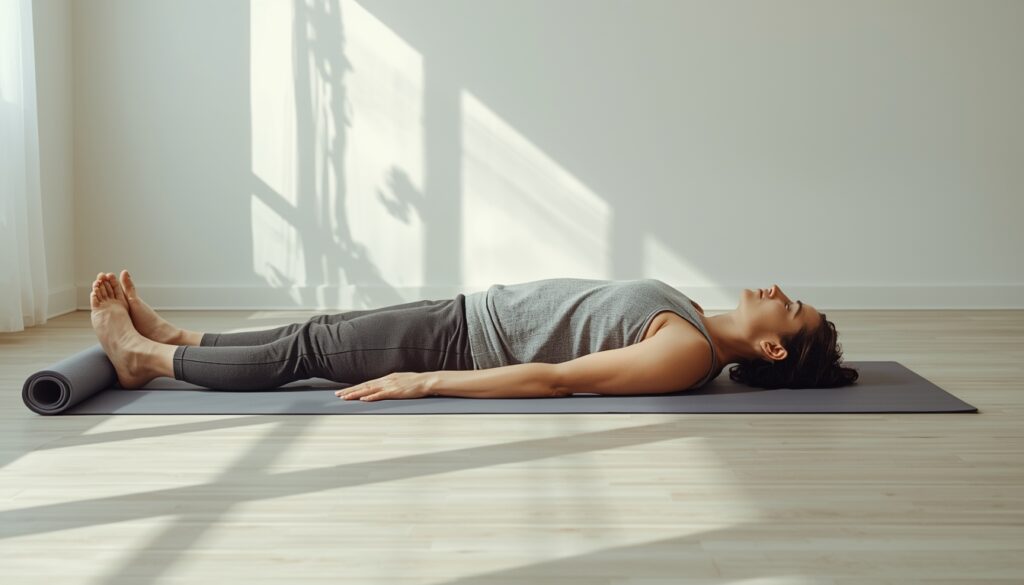
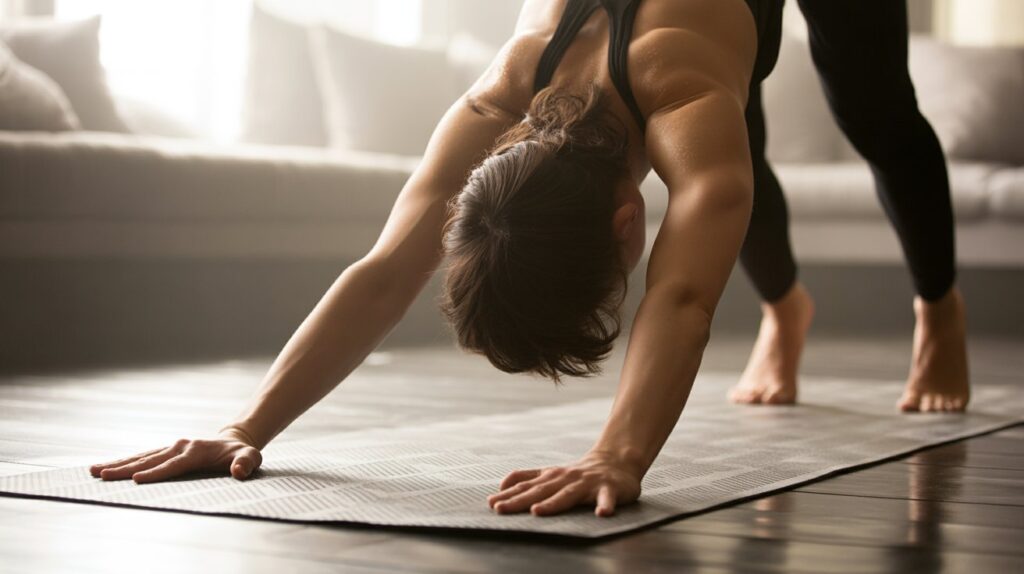
When you’re moving through poses like Savasana, Downward Dog, or seated stretches, having your entire body supported on the mat ensures steady, consistent contact with the floor. Mats that are too short often leave your feet or hands hanging off the edge, disrupting both alignment and concentration. Extra-long yoga mats solve this by providing generous length that keeps you supported from head to heels, so taller practitioners can move through every pose without compromise.
Space for Stretches and Transitions
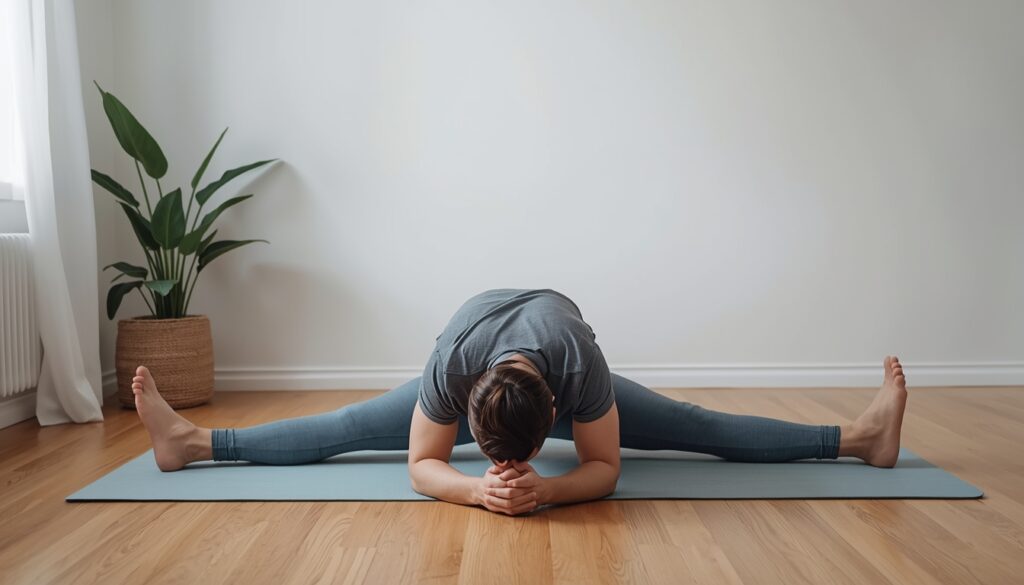
Dynamic practices involve fluid transitions and wide-ranging stretches, and taller bodies naturally need more room to move without constantly readjusting footing or hand placement. Extra length combined with a slightly wider surface gives you the freedom to flow confidently from pose to pose, without worrying about slipping off the edge or the mat bunching up beneath you.
Support for Long Legs and Arms
Long limbs need sufficient cushioning and stable surface contact, especially in poses like Warrior I, Triangle, or deep lunges. Adequate mat space helps distribute pressure evenly across the body, reducing strain on the joints and giving you room to extend fully. This added support also improves balance and alignment, letting you focus on the quality of your practice instead of adjusting your position mid-pose. If joint pressure during longer holds is a concern, pairing your mat with proper thickness and cushioning makes an even bigger difference for comfort.
6. Weight & Portability
When choosing your mat, weight and portability are important factors—especially if you travel, attend classes, or practice outdoors. Comfort, performance, and convenience all play into how easy it is to carry and use your mat.
Heavier Mats vs Lightweight Options
Heavier mats usually offer better cushioning and durability, making them ideal for home use or extended sessions. They tend to stay in place during practice and provide a stable surface. However, their weight can make them less convenient to carry to studios or on trips.
Lightweight mats, in contrast, are easier to roll up and transport. They’re great for people on the go, but they may offer slightly less padding or resilience. Many of the Best Extra Long Yoga Mats in 2026 strike a balance by using materials that reduce weight without sacrificing comfort.
Travel-Friendly Extra Long Mats
Travel mats are designed to be compact and easy to pack while still providing enough surface area for taller users. These mats often use thinner materials to keep weight down, and some fold or roll into smaller bundles that fit into backpacks or suitcases. If you frequently move between home, work, and travel locations, a lighter option can save you effort without compromising too much on performance.
Carry Straps and Bags
Carry accessories make a big difference in convenience. Simple straps can secure your mat and make it easier to sling over a shoulder, while bags offer extra protection from dirt and weather. Some bags include pockets for essentials like water bottles, towels, and keys—perfect for busy lifestyles. Investing in a good strap or bag enhances portability and keeps your mat in great condition, especially if it’s an investment piece from our 2026 recommendations.

7. Non-Slip Base Performance
A mat’s ability to stay firmly planted on the floor is just as important as how well your hands and feet grip the surface. A reliable base prevents the mat from sliding out from under you, helping you focus on your practice without interruptions.
Floor Grip on Wood, Tile, and Carpet
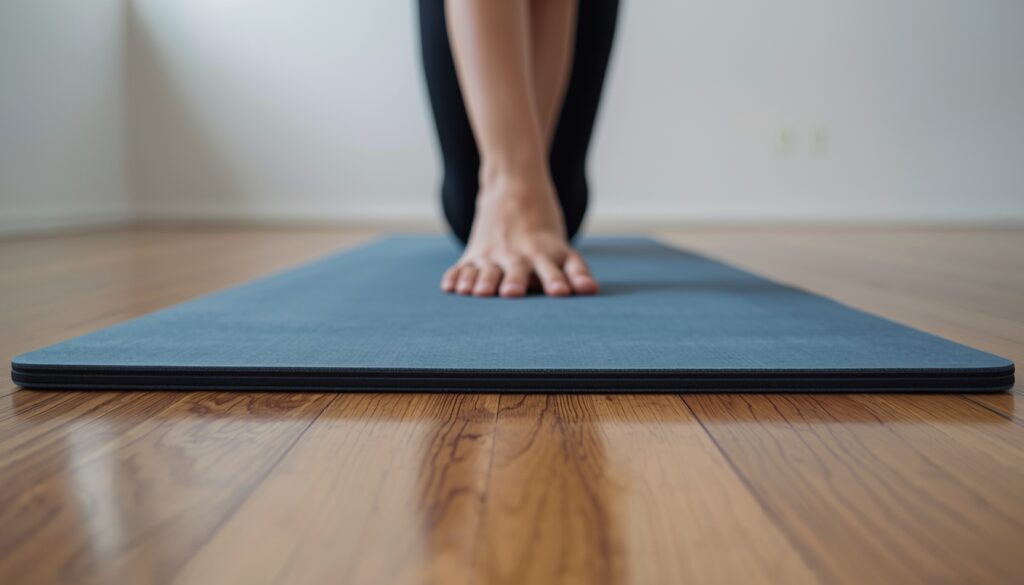
Different flooring surfaces interact uniquely with mat materials. On smooth wood or tile floors, some mats may slide unless they have a textured or rubberized underside designed to grip tightly. On carpet, a mat with a slightly firmer base helps prevent bunching or shifting during transitions. Many of the Best Extra Long Yoga Mats in 2026 feature enhanced base traction systems to hold steady on various surfaces, making them versatile for home use, studio floors, or outdoor decks.
Movement Prevention During Practice
During dynamic sequences or balance-intensive poses, any unexpected mat movement can disrupt alignment and confidence. A strong non-slip base minimizes lateral shifts and keeps the mat securely in place as you move through poses like Warrior II, Chair Pose, or Plank variations. This stability improves both safety and performance, particularly for fast-paced or strength-focused routines.
8. Eco-Friendliness & Safety
As more practitioners prioritize both health and the environment, the materials and manufacturing process behind a mat are becoming key factors in purchasing decisions. Choosing an eco-friendly, non-toxic yoga mat helps protect your well-being while reducing your environmental footprint.
Non-Toxic Materials
Mats made from non-toxic materials avoid harmful chemicals like phthalates, heavy metals, and other synthetic additives that can off-gas or irritate the skin. Natural rubber, cork, and certain biodegradable foams are commonly used in cleaner formulations. These materials not only perform well but also minimize the risk of allergic reactions or skin irritation — especially important for practitioners with sensitive skin.
Latex-Free and Odor-Free Options
Latex allergies affect many people, so latex-free mats offer wider accessibility and comfort for sensitive users. Some synthetic and natural materials can also emit strong odors when new, which may be unpleasant during practice. Mats designed to be odor-free help ensure a more enjoyable experience right out of the box. If eco-conscious materials are a priority for you, our in-depth review of the best avocado yoga mat covers one of the most sustainable options on the market in detail.
Sustainable Manufacturing
Sustainable manufacturing practices reduce waste, limit carbon emissions, and often rely on recycled or renewable resources. Brands that prioritize sustainability may also offer take-back or recycling programs to extend a mat’s lifecycle. Choosing mats from companies with transparent environmental commitments supports both ethical production and long-term ecological health.
9. Sweat & Moisture Resistance
How a yoga mat handles moisture directly affects comfort, hygiene, and performance — especially during more vigorous or heated sessions. Choosing the right surface keeps you focused and stable, even as sweat levels rise.
Absorption vs Easy-Clean Surfaces
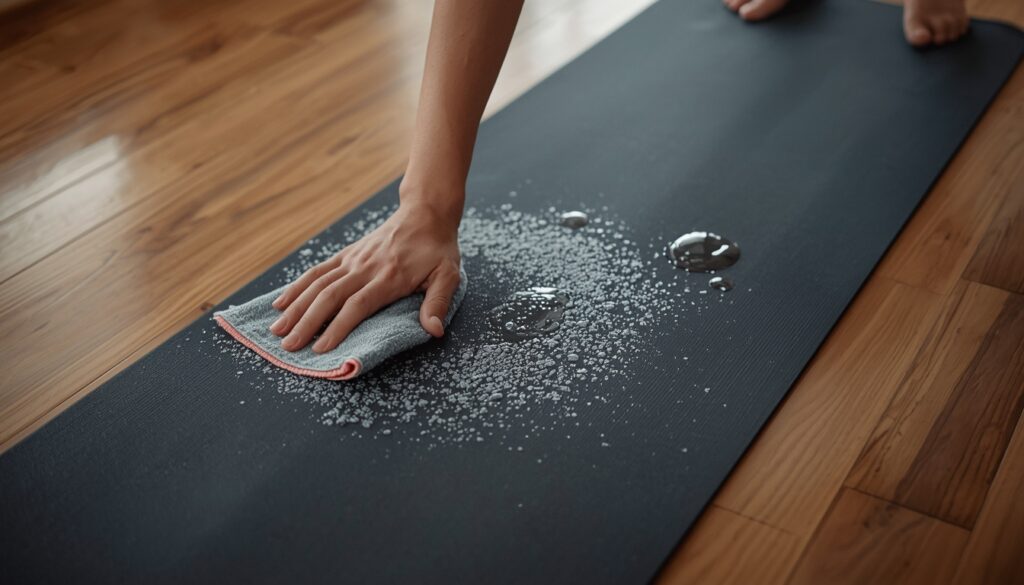
Some materials tend to absorb moisture, which can lead to a damp feel and occasional odor if not cleaned thoroughly. Others feature easy-clean surfaces that resist liquid penetration, keeping sweat on the top layer where it can be wiped away quickly after practice. Mats with low absorption are generally more hygienic and easier to maintain, reducing the need for deep-cleaning routines.
Performance in Hot Yoga
In hot yoga or other intense practices, moisture management becomes critical. A surface that maintains traction even when wet helps prevent slipping and promotes safer transitions. Textured or moisture-wicking top layers can actually improve grip as humidity increases, helping you stay focused and stable during every pose. For practitioners who sweat heavily or practice in heated rooms, our guide to the best non-skid yoga mats breaks down which surfaces hold up best under moisture and intense movement.
10. Durability & Longevity
A yoga mat is an investment, and how well it holds up over time matters—especially if you practice regularly. Durability and resistance to wear help ensure your mat continues to perform well without losing shape or integrity.
Resistance to Stretching and Cracking
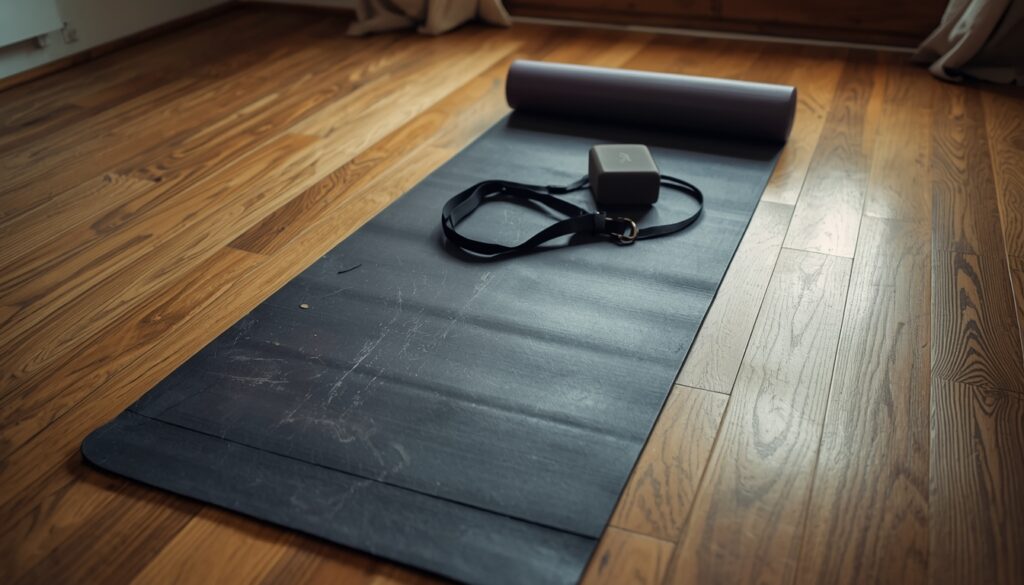
Mats that are poorly constructed or made from low‑quality materials can stretch out of shape, develop tears, or crack after repeated use. Durable mats resist this by using materials and manufacturing techniques that maintain structure and flexibility. Natural rubber and high‑grade synthetics tend to hold up better under frequent stretching and compressing, making them excellent choices for practitioners who demand reliable performance.
Best Mats for Daily Practice
If you roll out your mat every day—whether for quick flows or longer sessions—you’ll want an option that can withstand frequent use without significant wear. Mats with reinforced edges, dense materials, and strong base traction typically last longer, even under consistent pressure and movement. Many of the Best Extra Long Yoga Mats in 2026 are designed to handle daily practice while preserving grip, comfort, and shape.
11. Ease of Cleaning & Maintenance
Keeping your yoga mat clean not only extends its lifespan but also ensures a more hygienic practice environment. Mats vary in how easy they are to clean and how well they resist stains and odors, so understanding these differences helps you choose one that fits your routine.
Cleaning Methods
Different materials require different care. Some mats can be wiped down after each session with a mild soap and water solution, while others may benefit from dedicated mat cleaners or gentle sprays that help remove sweat and buildup. Machine‑washable options are rare but convenient when available—just be sure to follow the manufacturer’s instructions so you don’t damage the material. For most mats, a regular wipe‑down and occasional deeper clean are all that’s needed to keep them fresh.
Stain and Odor Resistance
Mats that resist stains make it easier to maintain appearance, especially if you practice outdoors or use the mat for other workouts. Materials like closed‑cell PVC and some high‑quality synthetics are less prone to absorbing spills or sweat, allowing you to clean surface marks quickly. Odor resistance is also key; mats that trap moisture or oils can develop lingering smells over time. Choosing a mat with materials known for low absorption helps reduce unwanted odors and keeps your practice space more pleasant.
12. Design & Color Options
While performance matters most, aesthetic and functional design features can enhance your yoga experience. The look of your mat and any added visual guides can influence focus, alignment, and personal satisfaction.
Minimal vs Bold Designs
Some practitioners prefer minimal designs—simple, solid colors or subtle textures that create a calm, distraction‑free space. These mats fit seamlessly into any studio or home environment without drawing attention away from practice. Others enjoy bold patterns and vibrant colors that reflect personal style or add energy to a session. Whether you choose understated elegance or eye‑catching graphics, having options lets you pick a mat that feels good to unroll each day. Many of the Best Extra Long Yoga Mats in 2026 offer a wide range of design choices to suit different tastes.
Alignment Guides and Markings
Alignment guides—such as centerlines, angle markers, or foot placement cues—are visual tools printed or embossed on the mat surface. These help you maintain proper positioning in standing and seated poses, which is especially useful for beginners or those focused on precision. Some mats include subtle guides that blend with the design, while others make them more pronounced for easy reference during practice.
FAQs
How much does an extra long yoga mat cost?
Extra-long yoga mats typically range from $30 to $100, depending on material, thickness, and brand. Budget PVC options start around $25–$40, while premium natural rubber or cork mats with reinforced durability can cost $70 or more.
What’s the difference between a yoga mat and an extra long yoga mat?
The main difference is length — standard yoga mats measure around 68 inches, while extra-long mats range from 72 to 84 inches. This extra length gives taller practitioners full-body support without their hands or feet slipping off the edge during poses.
Can I cut a regular yoga mat to make it fit better, or should I buy an extra long one?
Cutting a standard mat isn’t recommended, as it can damage the material’s structure and reduce durability. Buying a properly sized extra-long mat ensures consistent cushioning, grip, and support across the full surface — something a modified mat can’t guarantee.
Do extra long yoga mats work for other workouts like Pilates or stretching?
Yes, extra-long mats are well-suited for Pilates, stretching, and general floor workouts, since the added length and often wider surface provide more room for full-body movements, making them a versatile choice beyond just yoga.
How do I choose between PVC, TPE, and natural rubber for an extra long mat?
It depends on your priorities: PVC offers durability and strong dry grip at a lower price, TPE is lighter and more eco-friendly, and natural rubber provides the best overall grip and cushioning but weighs more. For eco-conscious buyers, natural rubber or cork are generally the better long-term choice.
Conclusion
Choosing the right extra long yoga mat comes down to how well it supports your body, matches your practice style, and holds up for long-term comfort. From length and width to thickness, grip, materials, and ease of maintenance, every feature plays a role in creating a safer, more enjoyable practice — especially for taller practitioners who need extra room to move freely.
As highlighted throughout this guide, the best extra-long yoga mats combine generous dimensions with reliable traction, durable construction, and materials that align with your personal values — whether that’s eco-friendliness, portability, or joint support. If you’re specifically shopping based on height, our detailed breakdown of extra-long yoga mats for tall yogis can help you narrow down the ideal length and width for your body.
Whatever you prioritize, investing in the right mat means fewer interruptions, better alignment, and a practice that finally has room to grow — literally.