Introduction
The right yoga bag for mat can transform how convenient and comfortable your practice feels — no more loose mats unraveling in your car or gathering dust in a corner. Whether you’re heading to the studio, commuting straight from work, or traveling with your gear, a well-designed bag keeps your mat protected, organized, and easy to carry wherever you go.
In this guide, we’ve compared the top mat bags of 2026 across material, durability, storage, and comfort, so you can find the option that truly fits your routine — not just one that looks good on a shelf.
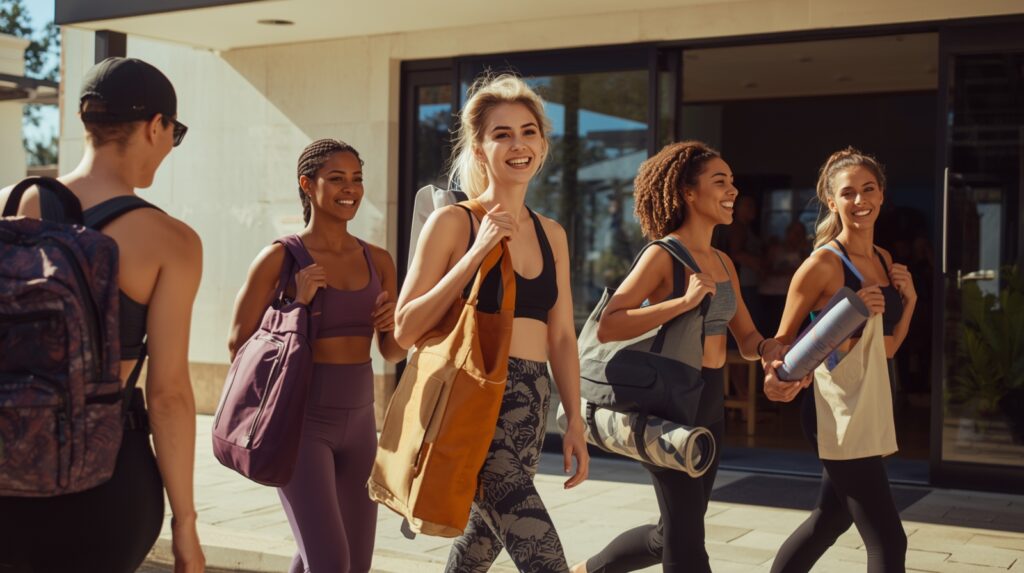
Table of Contents
1. Overview / Quick Summary
A well-designed yoga bag for mat transforms how you transport and store your gear — simple, clean, and completely hassle-free. Instead of carrying a loose mat that unravels, collects dust, or gets damaged in transit, a dedicated bag keeps everything secure and organized from studio to home. It also protects your non-slip yoga mat from moisture, dirt, and everyday wear during commutes or travel — helping preserve its grip and texture for longer.
These bags come packed with practical features: durable materials, comfortable straps, and extra pockets for small essentials like keys, phones, towels, or water bottles. In short, a good mat bag is more than just a carrying solution — it becomes an everyday accessory that’s built right into your practice routine.
2. Material & Durability
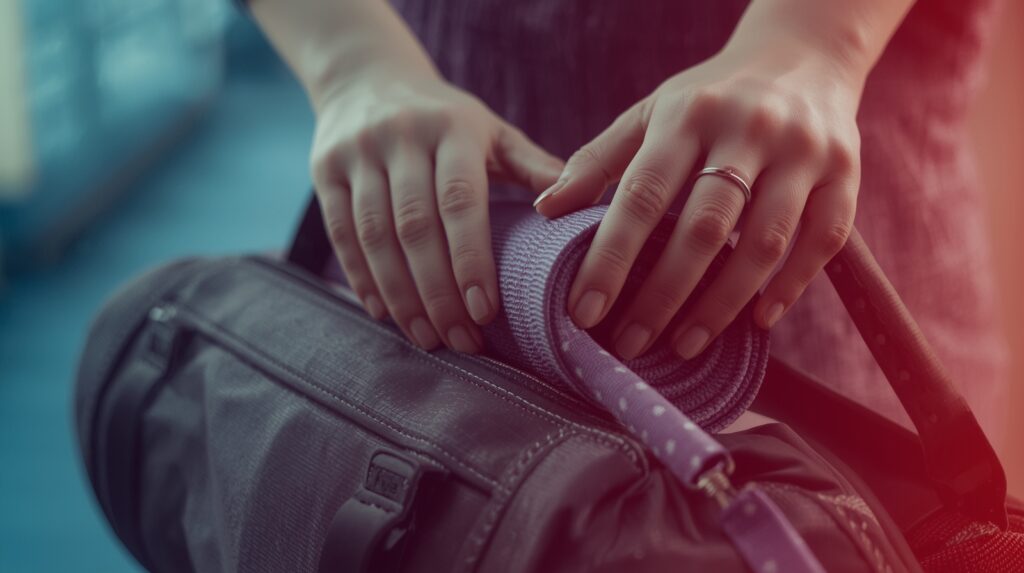
When choosing the best yoga bag for mat, the material you pick directly determines how long the bag lasts and how well it protects your gear over time.
Common Fabrics Used
- Canvas: A sturdy, natural fabric that holds up well under regular use. It’s breathable and carries a classic look, though it tends to run heavier than synthetic alternatives.
- Nylon: Lightweight yet strong, nylon resists tears and stretching exceptionally well — a smart pick if you carry your mat frequently or travel often.
- Polyester: Durable and budget-friendly, polyester handles daily wear with ease and resists fading and abrasion better than most natural fabrics.
- Eco-Friendly Materials: Recycled fabrics, organic cotton, or hemp appeal to environmentally conscious yogis, offering comparable durability while cutting down on environmental impact.
Water Resistance
The material you choose plays a big role in how well your bag shields the mat from moisture. Quality options typically feature water-resistant coatings or tightly woven fabrics that repel light rain and sweat — particularly useful if you walk, bike, or commute regularly with your gear.
Longevity
Overall durability comes down to three core factors:
- Fabric strength: Thick weaves and reinforced stitching significantly extend the bag’s life.
- Zippers & hardware: Heavy-duty zippers and quality buckles prevent the most common points of failure.
- Construction quality: Well-sewn seams and thoughtful design reduce stress on high-wear areas.
A bag built from strong materials and solid construction will consistently outlast cheaper alternatives, hold its shape, and keep your mat in top condition for years.
3. Size & Mat Compatibility
Size and compatibility with your mat are just as important as material when selecting a yoga bag for mat. Mats vary widely in length and thickness, so the bag you choose needs to comfortably accommodate your specific dimensions — not squeeze or force it in.
Standard vs. Extra-Large Mats
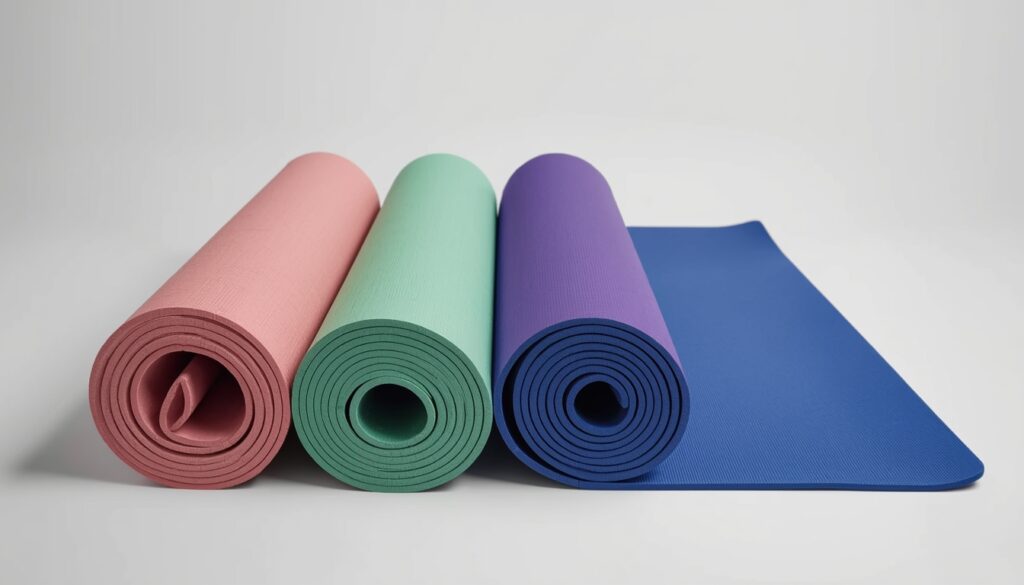
Most bags are built to fit standard mats (around 24″ wide and 68″ long). But if you practice with a longer mat designed for taller practitioners or an extra-thick version for added cushioning, double-check the bag’s listed dimensions before buying. Look for bags labeled universal or oversized — these are specifically designed to fit larger mats without folding or straining the seams.
Maximum Mat Diameter and Length
Thickness matters just as much as length. Mats range from slim travel sizes (1/16″) to plush, cushioned options (1/2″ or more). Most bags list a maximum rolled diameter they can accommodate — typically between 3″ and 5″. Exceeding this limit can make the bag difficult to close or cause it to wear unevenly over time.
4. Design & Style
The design and style of a yoga bag for mat go far beyond looks — they directly shape comfort, functionality, and how well the bag actually fits into your daily routine.
Aesthetic Look and Color Options
Mat bags come in a wide range of colors and patterns, from minimalist neutrals to bold, statement prints. Picking a design that matches your personal style makes carrying your mat feel less like a chore and more like an extension of your practice. Some prefer subtle tones that blend seamlessly with everyday gear, while others lean toward vibrant hues that stand out.
Shapes and Carrying Styles
Different bag shapes serve different needs depending on how you plan to use them:
- Duffel Style: Classic and roomy, duffel bags typically feature wide openings and generous storage space — ideal if you like to bring along extra items like clothes, towels, or props.
- Sling Style: A single strap worn across the body offers quick, effortless access and a casual, laid-back look. Sling bags tend to be lightweight and minimal, perfect for short trips to the studio.
- Backpack Style: Adjustable shoulder straps distribute weight evenly across both shoulders, making backpacks a comfortable choice for longer commutes or when carrying additional gear.
5. Comfort & Carrying Options
Comfort becomes critical when you’re transporting your mat regularly — especially if you walk, bike, or travel often. The right carrying setup can be the difference between a bag you love using and one that ends up gathering dust in the closet.
Straps – Adjustable, Padded, Removable
- Adjustable Straps: Let you customize the fit to your height and preferred carrying style. A strap that’s too short or too long quickly becomes uncomfortable over repeated use.
- Padded Straps: Add cushioning that reduces shoulder pressure, especially valuable on longer distances or when carrying extra gear.
- Removable Straps: Offer versatility — swap carrying styles on the fly or replace a worn strap without needing a new bag entirely.
Backpack vs. Shoulder Sling vs. Tote
Each carrying style delivers a noticeably different comfort experience:
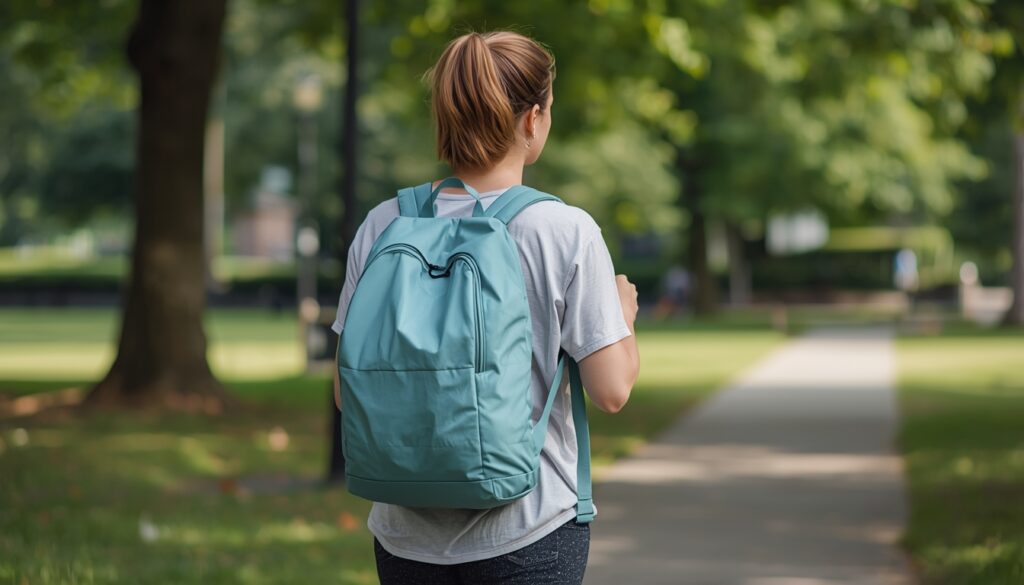
- Backpack: Two shoulder straps distribute weight evenly, making this the most comfortable choice for longer walks or heavier loads — and it reduces strain on any single side of the body.
- Shoulder Sling: A single strap worn across the body or over one shoulder makes it fast to slip on and off. Lightweight and ideal for short trips with minimal gear, though it can cause shoulder fatigue if overloaded.
- Tote: A simple carry-all with handles — easy to grab and go, great for casual use, but offers less support on longer journeys or with heavier contents.
7. Weight
When evaluating the best yoga bag for mat, weight is a genuinely practical consideration — not just a spec sheet number. The bag itself adds to everything you carry to class, so striking the right balance between lightweight design and supportive structure directly affects your comfort and convenience.
Lightweight vs. Heavier Yet Structured
- Lightweight Bags: Ideal if you want minimal extra weight added to your load. Usually made from thinner materials with fewer extras, these bags slip easily over a shoulder or tuck into other luggage without adding bulk.
- Heavier, Structured Bags: More structure typically means better protection and shape retention. Reinforced fabric or padding adds some weight, but it keeps your mat and accessories in noticeably better condition — and structured bags tend to stay upright, making them easier to pack around other items.
Weight matters more than most people realize — research on load-carrying ergonomics shows that poorly distributed weight on shoulder straps contributes directly to shoulder and back strain over repeated use, which is exactly why strap design and bag weight deserve real consideration, not an afterthought.
Easy to Carry on Commutes or Travel
- For daily commuting, a lighter bag that still offers basic organization makes the journey noticeably more comfortable — especially if you’re walking or relying on public transport.
- If your trip involves longer walks, biking, or extra gear, the added protection of a structured bag may be worth the slightly higher weight.

8. Ease of Access
Choosing the best yoga bag for mat also means considering how easily you can get your mat and other items in and out of the bag. Good access features make transitions smoother, whether you’re rushing to class or unpacking after a long day.
Zip Quality
A strong, smooth zipper is essential — especially on a durable yoga mat bag that you’ll use often. Cheap or stiff zippers can snag, break, or wear out quickly, making the bag frustrating to use. Look for bags with high-quality zippers that glide easily even when the bag is fully packed. Double zippers are a bonus, allowing you to open the bag from either end or create a small opening without fully unzipping.
Types of Openings
The way a bag opens affects how simple it is to carry yoga mat bag gear:
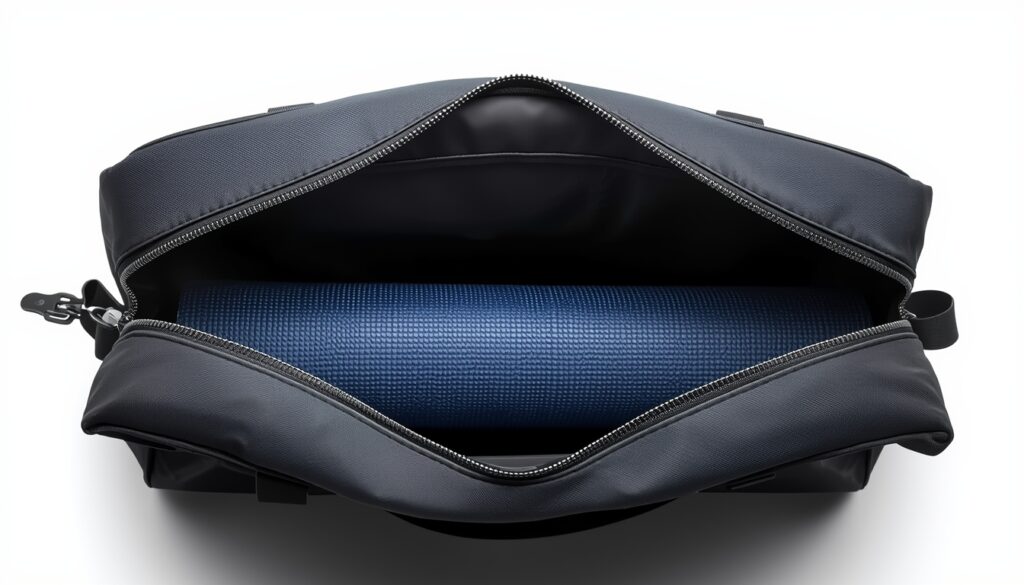
- Wide Openings: These allow you to see and reach everything inside without struggling. They make loading and unloading items quick and efficient.
- Vertical Openings: Great for sliding your mat in and out in an upright position. This can be useful if you’re short on space or want to minimize bending and fuss.
- Top Entry: Some bags open from the top, similar to a duffel. This design is intuitive and works well if you’re also storing towels, blocks, or clothes.
9. Weather Resistance
Weather resistance is a feature worth taking seriously when choosing a yoga bag for mat — it directly protects your gear from rain, spills, and everyday moisture. A bag that holds up against the elements keeps your mat and belongings clean and dry, whether you’re walking to class in light rain or hauling your gear on outdoor travel.
Water-Repellent or Waterproof Features
Look for bags made from water-repellent or fully waterproof materials. Water-repellent fabrics shed light rain and splashes effectively, while waterproof options offer stronger protection in genuine downpours. Sealed seams and coated fabrics push that resistance even further — keeping your mat from absorbing moisture that eventually leads to odors or mildew.
Protection for Mat and Belongings
A weather-resistant exterior doesn’t just protect the mat — it guards your other essentials too, like your phone, keys, towel, and wallet, especially in bags with sealed or covered pocket openings. Even standard pockets benefit from water-repellent fabric that slows moisture from seeping through in the first place.
10. Eco-Friendly / Sustainability
Choosing an eco-friendly yoga bag for mat matters if you want your gear to actually reflect your values. More brands are shifting toward sustainable production now, cutting environmental impact without compromising on quality or performance.
Recycled Materials
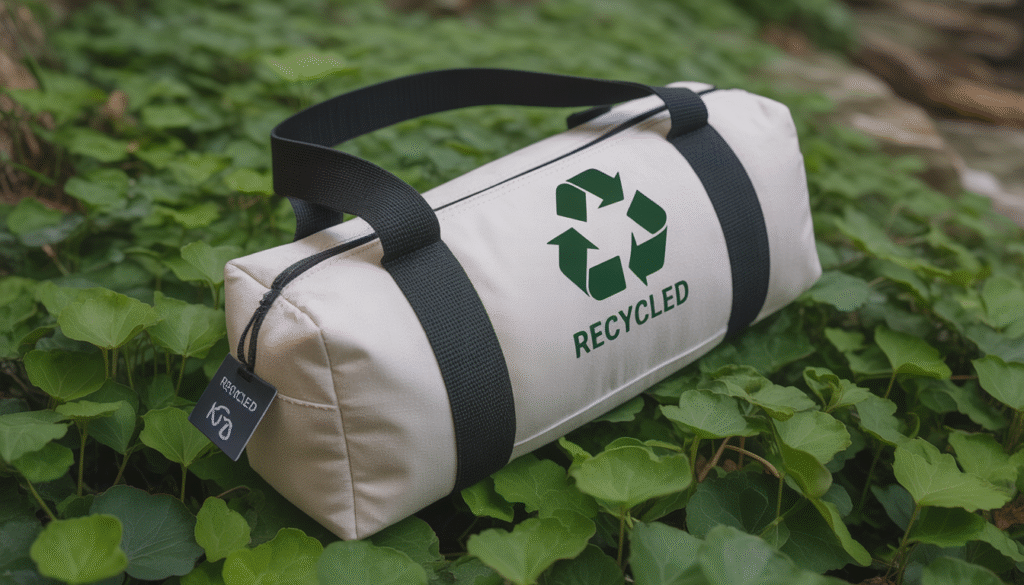
Many sustainable bags are made from recycled fabrics like recycled polyester or repurposed cotton. These materials cut down on waste while performing just as well as conventional options — proof that eco-conscious choices don’t have to mean sacrificing strength or longevity. This same trade-off applies to eco-friendly yoga mats, where sustainable materials like natural rubber and cork deliver comparable — sometimes even better — performance than synthetic alternatives.
Non-Toxic Dyes / Eco-Conscious Production
Eco-friendly bags typically rely on non-toxic dyes and low-impact production methods, meaning fewer harmful chemicals released into the environment and genuinely safer products for everyday use. Brands committed to sustainability often go further too — using renewable energy in manufacturing or partnering directly with environmental initiatives.
11. Price & Value for Money
Understanding how price relates to quality and features helps you choose the best yoga bag for mat that fits your needs and budget. Bags vary widely in cost, and knowing what you get at each price level can make your decision easier.
Budget vs. Mid‑Range vs. Premium
- Budget: Affordable options are great if you need a basic carry yoga mat bag without extra features. These usually cover the essentials — enough space for your mat and a few small items. You might find lighter materials or simpler designs, but you still get functional protection for everyday use.
- Mid‑Range: Bags in this category often hit the sweet spot of price and performance. A yoga mat bag with pockets in the mid‑range typically includes better quality fabric, thoughtful compartment layouts, and more comfortable straps. These are ideal if you want a blend of durability and convenience without spending too much.
- Premium: Higher‑end bags usually offer top‑tier materials, reinforced construction, and extra features such as superior padding, water resistance, or sustainable fabrics. A durable yoga mat bag in the premium range may also include design details that improve comfort and longevity, making it a good long‑term investment.
What You Get for the Price
As price increases, you generally see:
- Better materials that last longer
- Stronger zippers and hardware
- More advanced designs with multiple compartments
- Enhanced comfort features, like padded straps
- Additional protections, such as weather resistance
However, expensive doesn’t always mean better for every user. Think about how often you’ll use the bag and what features matter most to you. A well‑selected mid‑range bag might offer the best balance of quality and value if you use your bag regularly but don’t need all the bells and whistles. Conversely, if you travel often or carry lots of accessories, investing in a premium model could pay off in comfort and durability.
12. Brand Reliability & Warranty
Choosing a reputable brand can make a real difference in how long your bag lasts and how satisfied you are with the purchase overall. When investing in the best yoga bag for mat, it’s worth weighing both well-known brands and smaller boutique makers before deciding.
Popular Brands vs. Boutique Makers
- Popular Brands: Established brands bring years of design experience and a proven track record for quality. Their products are typically well-tested, with consistent sizing, durable materials, and customer-friendly features baked in. Choosing a recognized name generally means reliable performance and easier access to replacement parts down the line.
- Boutique Makers: Smaller or niche brands can be just as compelling — especially if you value unique designs, eco-friendly materials, or handcrafted details. They may lack the brand recognition of bigger names, but many boutique makers more than make up for it with genuine craftsmanship and attentive customer care. The same logic applies when comparing mat quality across different options — a lesser-known brand doesn’t automatically mean lower quality.
Warranty and Customer Service
A solid warranty offers real peace of mind. Brands that stand behind their products typically cover defects in materials or workmanship — though coverage varies, so check the warranty terms carefully; some protect zippers and seams longer than others. Good customer service matters just as much: quick responses, easy returns, and genuinely helpful support make all the difference if something ever goes wrong.
FAQS
Can I fit a yoga block or strap inside my mat bag?
Many mat bags include a front or side pocket large enough for a small block or folded strap, but bulkier props usually need a duffel-style bag with extra internal space. Check the pocket dimensions before assuming props will fit alongside your mat.
Do yoga mat bags fit mats with a yoga towel attached?
It depends on the bag’s maximum rolled diameter. A mat with a towel rolled on top can add 1–2 inches of extra thickness, so opt for a bag labeled oversized or universal if you regularly layer a towel with your mat.
How do I stop my yoga mat bag from smelling over time?
Regularly air out the bag after each use and avoid storing a damp mat inside it for extended periods. A quick wipe-down with mild soap and water, followed by full air-drying, prevents mildew and lingering odors from building up.
Are sling-style yoga bags secure enough for daily commuting?
Yes, for short commutes with minimal extra gear. However, if you’re carrying valuables like a phone or wallet, choose a sling bag with a zippered — not open — pocket, since open pockets offer less security while walking through crowded areas.
What’s the difference between a yoga mat bag and a yoga mat sling?
A yoga mat bag typically fully encloses the mat and offers additional storage pockets, while a yoga mat sling is a simpler strap-and-carrier setup with little to no extra storage — lighter, but less protective and less organized.
Conclusion
Choosing the right yoga bag for mat ultimately comes down to understanding your personal needs and how you actually use your gear day to day. From material quality and size compatibility to comfort, storage, weather resistance, and sustainability, every feature plays a role in making your routine smoother and more enjoyable. A thoughtfully designed bag doesn’t just protect your mat — it keeps your essentials organized and ready to go the moment you walk out the door.
Whether you prioritize lightweight portability, extra pockets for organization, eco-friendly materials, or long-term durability, there’s an option built for your lifestyle and budget. And once you’ve found the right bag, pairing it with a high-quality non-slip mat completes the setup — because the right gear should support your practice from the ground up, not just carry it from place to place.