Introduction
Will yoga build muscle, or is it only good for flexibility and relaxation? This is one of the most common questions among beginners and experienced practitioners alike. The truth is, yoga does far more than calm the mind — it can strengthen, tone, and build lean muscle throughout your entire body when practiced consistently.
Unlike weightlifting, yoga uses your own body weight as resistance. Poses like Plank, Chair Pose, and Warrior II challenge your muscles isometrically, engaging multiple muscle groups at once and building functional strength over time.
In this guide, we’ll break down how yoga builds muscle, the best styles and poses for strength training, and how proper nutrition and consistency help you see lasting results. Whether you’re a beginner or an experienced yogi, you’ll learn exactly how yoga can transform your strength, balance, and overall fitness.
Table of Contents
What Does “Building Muscle” Really Mean?
Building muscle, also known as muscle hypertrophy, happens when your muscle fibers grow thicker and stronger in response to stress or resistance. When you challenge your muscles — whether by lifting weights, doing push-ups, or holding yoga poses — tiny tears occur in the muscle fibers. During recovery, your body repairs these fibers, making them stronger and more defined.
There are two main ways the body builds muscle:
- Strength and density (myofibrillar growth): Increases power and muscle fiber strength.
- Size and endurance (sarcoplasmic growth): Expands the muscle cells for a fuller, toned look.
Traditional weight training builds muscle through progressive overload — gradually increasing resistance or weight over time. But even without weights, bodyweight exercises like yoga can stimulate similar effects when done correctly and consistently, especially when practiced on a stable surface that helps you hold challenging poses with proper grip and balance.
So, when people ask, “will yoga build muscle?” the answer depends on the type of yoga, intensity, and how long you hold each pose. Yoga might not make your muscles as large as lifting heavy weights, but it can absolutely improve muscle strength, endurance, and definition.
Will Yoga Build Muscle? (The Short Answer)
If you’re wondering “will yoga build muscle?”, the short answer is yes but not in the same way as lifting weights.
Yoga builds muscle by using your own body weight as resistance. When you hold poses like Plank, Warrior II, or Downward Dog, your muscles stay under tension, which helps improve strength, endurance, and tone. Over time, this repeated engagement leads to noticeable muscle definition and better overall stability.
However, yoga generally builds lean, functional muscle rather than large, bulky mass. It focuses on control, balance, and flexibility, creating a strong yet flexible physique.
If your goal is to increase strength and tone, yoga is an excellent choice. But if you want to significantly increase muscle size, combining yoga with traditional resistance or weight training will give the best results.
In summary, yoga can build muscle especially when practiced regularly with challenging poses and proper form. It’s a balanced, low-impact way to get stronger while improving flexibility, posture, and mental focus.
How Yoga Helps Build Muscle
Many people ask, “will yoga build muscle?”, and the answer lies in how yoga works on your body. While yoga doesn’t involve heavy weights or machines, it helps build muscle through bodyweight resistance, balance, and controlled movement.
Here’s how yoga supports muscle growth:
1. Bodyweight Resistance
Yoga poses require you to hold and move your own body weight, which activates multiple muscle groups at once. For example, Plank Pose strengthens your arms, shoulders, and core, while Chair Pose targets your legs and glutes. Holding these poses for longer increases muscle endurance and tone.
2. Isometric Contractions
When you hold a pose, your muscles stay engaged without moving this is called isometric contraction. It builds strength and stability, similar to holding a plank or squat position in traditional exercise.
3. Time Under Tension
In yoga, slow and mindful movements keep your muscles under tension for longer periods. This “time under tension” stimulates muscle fibers, encouraging growth and improved definition.
4. Balance and Stabilization
Many yoga poses challenge your balance, forcing smaller stabilizing muscles to activate. Over time, this improves coordination and functional strength, especially in your core and joints.
5. Progressive Challenge
As you advance in yoga, you hold poses longer or transition into more complex ones like Crow Pose or Handstands. This natural progression acts as a form of progressive overload, which is key to muscle development.
Best Types of Yoga for Muscle Growth
If you’re wondering “will yoga build muscle?”, the answer depends a lot on the type of yoga you practice. Some yoga styles focus on relaxation and flexibility, while others challenge your muscles with strength-based movements and longer holds.
Below are the best types of yoga for building muscle and improving overall strength:
1. Power Yoga
Power Yoga is one of the most effective styles for muscle growth. It combines fast-paced movements and strength-focused poses that keep your muscles under tension. The continuous flow keeps your heart rate up while improving endurance and tone.
2. Ashtanga Yoga
Ashtanga follows a structured series of poses that demand balance, strength, and flexibility. Each sequence targets the arms, core, legs, and back — areas essential for building lean muscle.
3. Vinyasa Yoga
Vinyasa Yoga focuses on fluid transitions between poses, syncing movement with breath. While it’s less intense than Ashtanga, it still strengthens major muscle groups through continuous movement and body control.
4. Hatha Yoga
Hatha is slower-paced but excellent for beginners looking to build muscle gradually. Holding poses for longer durations improves endurance, posture, and core strength.
5. Bikram (Hot) Yoga
Practiced in a heated room, Bikram Yoga involves 26 poses designed to strengthen, stretch, and detoxify the body. The heat increases flexibility and muscle activation, helping to tone and define your physique.
Summary
So, will yoga build muscle? Yes — especially if you choose strength-focused styles like Power Yoga, Ashtanga, or Vinyasa. These practices combine endurance, balance, and resistance training to create lean, toned muscles while keeping your body flexible and your mind calm.

Top Yoga Poses That Build Muscle
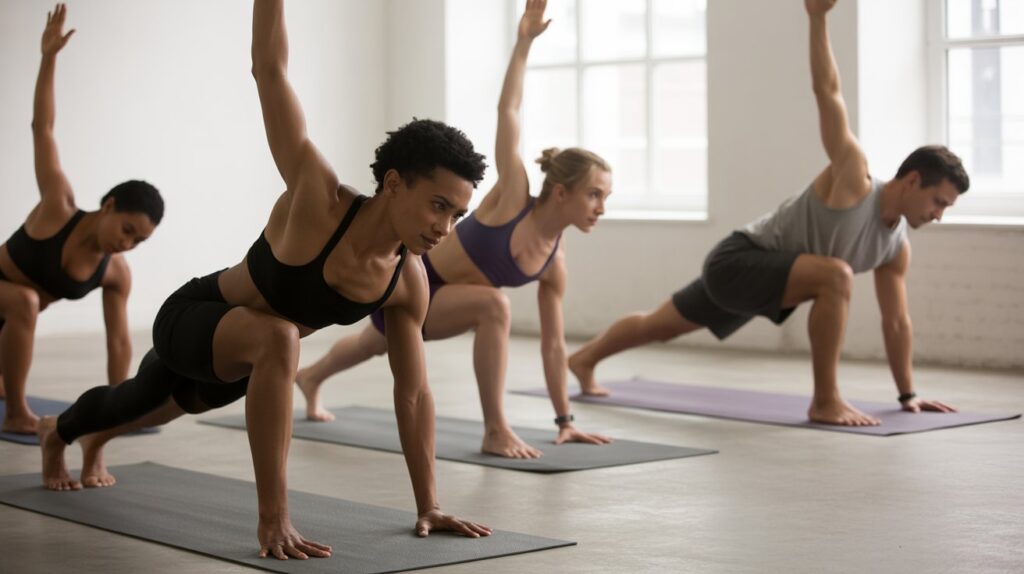
If you’re wondering “will yoga build muscle?”, the answer is yes — especially when you focus on the right poses. Certain yoga postures are excellent for strengthening and toning your body because they use your own body weight as resistance. These poses activate multiple muscle groups at once, improving strength, balance, and endurance.
Here are some of the top yoga poses that help build muscle:
- Plank Pose (Phalakasana): Strengthens your core, shoulders, and arms while improving stability.
- Chair Pose (Utkatasana): Builds endurance and strength in your legs and glutes.
- Warrior II (Virabhadrasana II): Tones the legs, hips, and shoulders while improving balance.
- Boat Pose (Navasana): Engages your core and hip flexors for stronger abs and posture.
- Chaturanga Dandasana (Low Plank): Works the chest, arms, and core — similar to a controlled push-up.
- Bridge Pose (Setu Bandhasana): Strengthens your glutes, hamstrings, and lower back.
- Crow Pose (Bakasana): Builds upper body and core strength while improving balance and focus.
Practicing these poses regularly — and holding them for longer periods — will help increase muscle strength, endurance, and tone. This aligns with research from Harvard Health Publishing, where participants who practiced yoga at least twice a week for eight weeks showed greater muscle strength, endurance, flexibility, and cardio-respiratory fitness. The key is consistency and mindful engagement of the muscles throughout each pose. Harvard Health
So, will yoga build muscle? Yes — when done with effort and proper form, yoga can give you a lean, strong, and balanced body without the need for heavy weights.
Yoga vs Weight Training for Muscle Gain
One of the most common fitness questions is, “will yoga build muscle like weight training?” The truth is, both yoga and weight training can help you get stronger — but they do it in very different ways.
1. Resistance Type
Weight training uses external resistance such as dumbbells, barbells, or machines to overload your muscles. This allows you to increase the weight gradually, which promotes muscle hypertrophy (growth in muscle size).
Yoga, on the other hand, relies on bodyweight resistance. Poses like Plank, Chaturanga, and Warrior II strengthen muscles by engaging multiple groups at once, improving endurance, tone, and balance.
2. Muscle Growth vs Functional Strength
Weight training is better for building muscle mass and targeting specific areas of the body. It’s ideal for those looking to gain size or sculpt certain muscle groups.
Yoga builds lean, functional muscle. It improves joint stability, flexibility, and balance giving you strength that supports real-life movements rather than just appearance.
3. Flexibility and Mobility
Weight training, if done without stretching, can sometimes lead to tight muscles. Yoga, however, improves both strength and flexibility, helping prevent stiffness and injury.
4. Mental and Physical Connection
Yoga also strengthens the mind-body connection. The focus on breathing and control enhances body awareness, posture, and concentration — benefits you won’t always get from traditional gym workouts.
5. The Best of Both Worlds
If your goal is to maximize results, combine yoga and weight training. Weight training helps increase muscle size and strength, while yoga improves flexibility, recovery, and balance. Together, they create a powerful, well-rounded fitness routine.
So, will yoga build muscle? Yes — but it will build lean, balanced strength, not bulk. For the best results, use yoga to complement your weight training and enjoy both physical and mental benefits. If you’re ready to build a consistent practice, explore more yoga guides and techniques to keep progressing on your strength journey.
How Often Should You Practice Yoga to Build Muscle?
1. Ideal Frequency
For noticeable strength and muscle tone, aim to practice yoga at least 3 to 5 times per week. This frequency allows your muscles to stay active while giving them enough time to recover between sessions.
Beginners can start with three sessions per week, focusing on strength-based styles like Power Yoga, Ashtanga, or Vinyasa. As you build endurance and familiarity with poses, you can gradually increase the duration or intensity of your sessions.
2. Session Duration
A 45- to 60-minute session is ideal for building muscle. The goal is to hold challenging poses longer and include flows that engage multiple muscle groups like Plank, Warrior II, and Chaturanga. Shorter, 20- to 30-minute sessions can also be effective if practiced more frequently.
3. Importance of Rest and Recovery
Even though yoga is low-impact, your muscles still need recovery to grow stronger. Take one or two rest days each week to let your body repair and rebuild. You can also do light stretching or restorative yoga on those days.
4. Consistency Over Intensity
Building muscle with yoga takes time. The key is to stay consistent rather than pushing yourself too hard. Regular practice helps your body adapt, increasing both strength and endurance gradually.
So, will yoga build muscle? Absolutely if you commit to a regular routine that challenges your muscles. Consistency, proper form, and mindful movement are what turn yoga into an effective strength-building practice.
Nutrition and Recovery for Muscle Growth
1. Fuel Your Body with Protein
Protein is the building block of muscle. After yoga, your body needs protein to repair the small muscle tears created during poses and flows. Aim for a balanced diet rich in lean proteins, such as eggs, tofu, lentils, chicken, fish, or plant-based alternatives. Smoothies with protein powder are also a great post-yoga option.
2. Include Carbohydrates for Energy
Carbohydrates give your body the energy it needs to power through a yoga session. Whole grains, fruits, and vegetables provide sustained energy and help replenish glycogen stores after workouts.
3. Don’t Forget Healthy Fats
Healthy fats support hormone production, which is important for muscle repair and overall recovery. Include sources like avocados, nuts, seeds, and olive oil in your meals.
4. Stay Hydrated
Yoga can make you sweat, especially in hot or power classes. Staying hydrated helps with muscle function, flexibility, and recovery. Drink plenty of water before and after your session, and consider adding electrolytes if you practice intense styles like Bikram or Ashtanga.
5. Rest and Sleep Matter
Muscles grow when you rest, not just when you work out. Get at least 7–8 hours of sleep per night to allow your body to recover and rebuild muscle tissue effectively. Rest days are equally important — they prevent overtraining and reduce fatigue.
6. Support Recovery with Gentle Movement
On non-intensive days, practice restorative or yin yoga to promote blood flow and aid recovery. These slower sessions help relieve tension while keeping your muscles flexible and healthy.
In summary, will yoga build muscle? Yes — but only when supported by proper nutrition, hydration, and recovery. Combining mindful eating with regular yoga practice ensures your body has the strength, energy, and nutrients it needs to grow stronger over time. For a deeper breakdown of recovery tips and how to maximize your results, check out our guide on how to maximize muscle-building results with yoga.
Can You Combine Yoga With Other Workouts for Better Results?
1. Yoga and Strength Training
Combining yoga with weight or resistance training is one of the most effective ways to build muscle. Weight training helps increase muscle size and strength, while yoga improves flexibility, balance, and recovery. Practicing yoga on rest days can reduce muscle soreness and keep your joints healthy.
2. Yoga and Cardio Workouts
If you enjoy running, cycling, or HIIT, yoga can be a great complement. Cardio improves heart health and burns calories, while yoga stretches tight muscles and prevents stiffness. Together, they create a balanced routine that builds both strength and endurance.
3. Yoga for Recovery and Mobility
Yoga is also ideal for active recovery. Gentle styles like Hatha or Yin yoga help relax muscles, improve circulation, and speed up recovery after intense workouts. This balance prevents overtraining and keeps you moving efficiently.
4. Scheduling for Best Results
A good approach is to alternate between yoga and strength or cardio workouts throughout the week. For example:
- 3 days of strength or cardio training
- 2–3 days of yoga (mix of power and restorative styles)
This combination ensures that your muscles are both challenged and properly recovered.
So, will yoga build muscle on its own? Yes — but when you combine it with other forms of exercise, you’ll see even greater improvements in strength, mobility, and overall performance. Yoga enhances your workouts, supports recovery, and helps you build a balanced, stronger body.
Benefits of Building Muscle Through Yoga
1. Improves Functional Strength
Yoga strengthens your muscles through bodyweight resistance. Every pose from Plank to Warrior II requires you to support and stabilize your own body weight. This builds functional strength, meaning strength you can use in everyday activities, not just at the gym.
2. Enhances Flexibility and Mobility
Unlike traditional strength training, yoga improves flexibility and joint mobility while you build muscle. Flexible muscles are less prone to injury, allowing you to move more freely and efficiently during workouts and daily life.
3. Promotes Muscle Endurance
Holding yoga poses for extended periods challenges your muscles to stay engaged, improving muscular endurance. This helps you sustain physical activity longer without fatigue — whether you’re doing yoga, running, or lifting weights.
4. Supports Better Posture and Core Stability
Yoga focuses on alignment and body awareness. Many poses engage your core muscles, which support your spine and posture. A strong core reduces back pain, improves balance, and enhances performance in other physical activities.
5. Reduces Stress and Aids Recovery
Building muscle isn’t just physical it’s also about recovery. Yoga helps reduce stress and cortisol levels, which supports muscle repair and overall health. Lower stress means faster recovery and better progress over time.
6. Gentle on Joints
Unlike high-impact workouts, yoga strengthens muscles without putting excessive strain on your joints. This makes it ideal for people of all fitness levels — especially those recovering from injuries or managing joint pain. A cushioned, supportive mat also plays a big role here, as it helps protect your knees, wrists, and joints during longer holds, making your practice both safer and more comfortable wherever you go.
So, will yoga build muscle? Absolutely — and the benefits go far beyond appearance. Yoga helps you build lean, functional strength, improve flexibility, and support overall well-being, creating a balanced and sustainable fitness routine.
Sample Yoga Routine for Muscle Building
1. Warm Up (5 Minutes)
Before diving into strength poses, start with a gentle warm-up to prepare your muscles and joints.
- Cat-Cow Pose (Marjaryasana-Bitilasana) – 1 minute
- Downward-Facing Dog (Adho Mukha Svanasana) – 1 minute
- Sun Salutation (Surya Namaskar) – 3 rounds
These movements activate your entire body, improve circulation, and loosen tight areas.
2. Strength-Building Sequence (20–25 Minutes)
This section focuses on poses that build upper body, lower body, and core strength.
- Plank Pose – Hold for 30–60 seconds
- Chaturanga Dandasana (Low Plank) – 5 repetitions
- Warrior I (Virabhadrasana I) – Hold for 30 seconds on each side
- Warrior II (Virabhadrasana II) – Hold for 30 seconds on each side
- Chair Pose (Utkatasana) – Hold for 45 seconds
- Boat Pose (Navasana) – Hold for 30–45 seconds
- Bridge Pose (Setu Bandhasana) – 3 sets of 30 seconds
Repeat this flow 2–3 times for a more intense, muscle-building workout.
3. Cool Down (5–10 Minutes)
Stretch your muscles and relax your body to promote recovery and flexibility.
- Seated Forward Fold (Paschimottanasana) – 1 minute
- Supine Twist (Supta Matsyendrasana) – 1 minute per side
- Child’s Pose (Balasana) – 2–3 minutes
- Corpse Pose (Savasana) – 3–5 minutes for deep relaxation
4. Tips for Best Results
- Consistency is key – Practice at least 3–5 times per week.
- Focus on form – Proper alignment ensures your muscles engage correctly.
- Increase difficulty gradually Hold poses longer or add repetitions as you get stronger.
So, will yoga build muscle? Definitely when practiced with focus and intensity. This simple yoga routine targets all major muscle groups, helping you gain lean strength, stability, and endurance over time.
FAQs: Will Yoga Build Muscle?
1. Will yoga build muscle like weightlifting?
Not in the same way. Weightlifting relies on progressive overload — adding external resistance to increase muscle size. Yoga builds lean, functional muscle using your own body weight. While yoga may not create bulky muscle mass, it tones and strengthens your entire body over time.
2. How long does it take to see muscle growth from yoga?
Most people notice increased muscle tone and strength after 4 to 8 weeks of consistent practice. Results depend on how often you practice, the style of yoga, and your overall nutrition.
3. Which type of yoga is best for building muscle?
Power Yoga, Ashtanga, and Vinyasa are the most effective styles for building muscle. Their dynamic movements, longer pose holds, and bodyweight resistance help develop both strength and endurance.
4. Can beginners build muscle through yoga?
Yes. Beginners can build muscle through yoga by starting with foundational poses like Plank, Warrior II, and Chair Pose, focusing on proper alignment and steady breathing. Strength and stability improve naturally with time.
5. How often should I practice yoga to build muscle?
Aim for 3–5 sessions per week. This frequency challenges your muscles regularly while still allowing enough recovery time to grow stronger.
6. Is yoga enough for overall strength training?
For many people, yes. Yoga strengthens the core, arms, legs, and back while improving flexibility and balance. Combining it with light resistance training can lead to even better results.
7. Will yoga build muscle if I only do gentle styles?
Gentle styles like Hatha or Yin Yoga are excellent for recovery and flexibility but less effective for muscle building. For strength gains, include more active or power-based sessions in your routine.
8. Does yoga help with muscle recovery?
Yes. Yoga improves blood circulation, reduces muscle tension, and supports faster recovery — making it a great complement to strength training or other intense workouts.
Conclusion
So, will yoga build muscle? Yes — in a unique, balanced way. Unlike weight training, yoga uses your body weight as resistance, building lean, functional muscle while improving flexibility, balance, and mental focus.
With consistent practice, yoga strengthens every major muscle group — core, legs, arms, and back — without straining your joints, while supporting better posture, recovery, and endurance.
For real results, focus on strength-based styles like Power Yoga, Ashtanga, or Vinyasa, practice 3–5 times a week, and pair your sessions with proper nutrition and rest. Ready to get started? Explore our complete guide to building muscle with yoga for a deeper, step-by-step breakdown.