Introduction
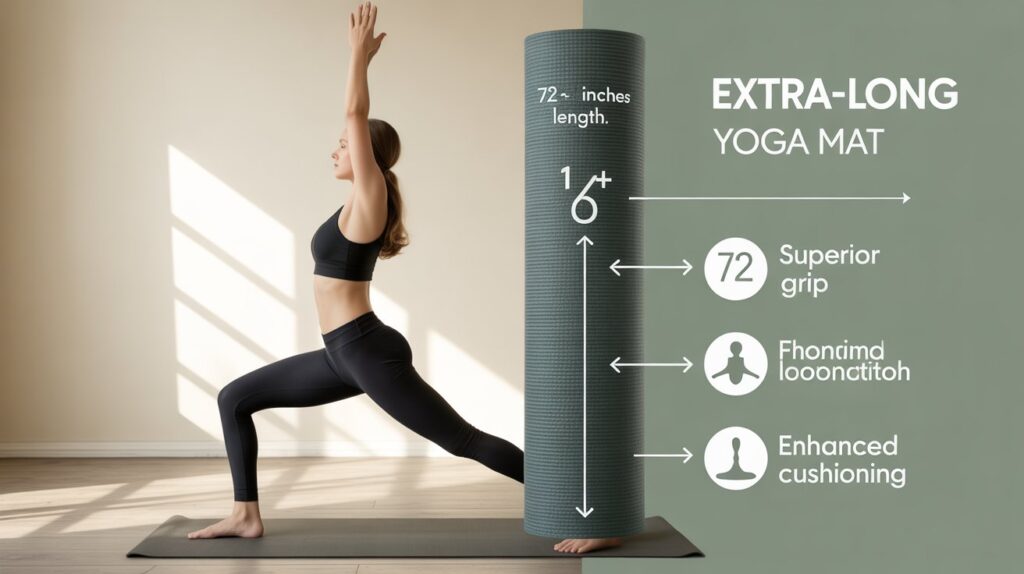
Finding the perfect fit shouldn’t be a challenge — but for taller practitioners, it often is. Standard mats run about 68 inches, which leaves hands sliding off during a deep forward fold or feet hanging past the edge in Savasana. That’s exactly why an extra-long yoga mat, built specifically for taller bodies, makes such a noticeable difference in how grounded and focused your practice feels.
In this guide, we’ll walk through the best yoga mats for tall people in 2026 — comparing length, comfort, and stability to help you find a mat that finally fits your frame.
Table of Contents
Why Tall People Need a Specialized Yoga Mat
Choosing the right mat is about more than comfort — it’s about functionality and performance. Standard yoga mats run around 68 inches long, which falls short for anyone over 6 feet tall. The result is hands or feet slipping off the edge during stretches, planks, or Savasana, breaking your focus right when you need to stay centered.
A specialized extra-long mat solves this by giving you the length and width for full-body coverage in every pose. Whether you’re grounding into downward dog or lying completely flat, your entire body stays supported — which directly improves alignment, stability, and flow throughout the session. If you’re also dealing with soft or uneven flooring at home, pairing the right length with the right grip matters even more; our carpet yoga mat guide covers how to stay stable on softer surfaces.
A longer mat also protects flooring from repeated wear and cuts down on the constant repositioning that comes with outgrowing a standard-sized mat.
Ideal Dimensions for an Extra-Long Yoga Mat
Dimensions matter more than most buyers realize. A standard mat measures around 68 inches long and 24 inches wide — comfortable enough for average-height practitioners, but noticeably tight for anyone over 6 feet. That gap becomes obvious fast in poses like downward dog, plank, or savasana, where your body needs to stretch out fully without spilling past the edges.
For a genuinely comfortable fit, look for a mat measuring 72 to 84 inches in length and 26 to 30 inches in width. The extra length keeps your hands and feet planted on the mat through full-body stretches, while the added width gives you more room to shift and rebalance during side poses or standing sequences — something a narrow mat simply can’t accommodate.
The payoff goes beyond comfort. A properly sized mat keeps your alignment consistent pose after pose, since you’re not unconsciously adjusting to stay within a too-small boundary. One practical tip: product listings don’t always state dimensions clearly, so it’s worth double-checking the exact length and width before buying — a mat that’s “extra-long” on paper can still fall short depending on the brand’s sizing.
Key Features to Look for in an Extra-Long Yoga Mat
Since taller yogis are working with a bigger frame and a longer reach, a few features matter more here than they would on a standard mat. Here’s what to prioritize:
Extra Length and Width
Size is non-negotiable. Look for mats at least 72–84 inches long and 26–30 inches wide so your entire body — hands, feet, shoulders — stays on the mat through every pose, from a deep lunge to a full-length savasana.
Proper Thickness and Cushioning
A thicker mat, in the 6mm to 8mm range, gives taller practitioners the joint protection they need, since a larger frame naturally puts more pressure on the knees, wrists, and elbows during floor work. For a deeper look at how thickness affects stability versus cushioning, our thickness guide breaks it down further.
Non-Slip Surface
Grip becomes even more important on a longer mat, since you’re covering more ground and shifting weight across a larger surface. A textured, grippy finish helps you hold balance through demanding poses, especially once sweat enters the picture.
Durable Material
Materials like natural rubber, TPE, or cork consistently outperform basic foam for durability, traction, and eco-friendliness — all worth prioritizing on a mat you’ll be using (and rolling out) more often given its size.
Portability
A bigger mat doesn’t have to mean a bulkier one. Look for lightweight builds or ones that come with a carrying strap or bag, especially if you’re moving between home and studio sessions regularly.
Easy to Clean
Extra-long mats cover more surface area, which means more area to maintain. Choosing an odor-resistant material that wipes down quickly keeps hygiene simple without adding extra upkeep to your routine.
Top 5 Best Yoga Mats for Tall Person (2026 Edition)
Finding the perfect yoga mat for tall person can make all the difference in your comfort and performance. Taller yogis often struggle with mats that are too short, causing distractions during stretches or savasana. To help you practice with ease, here are the top 5 best yoga mats for tall person in 2025, carefully selected for quality, size, and performance.
1. Liforme Extra Long Yoga Mat
Length: 85 inches | Material: Eco-polyurethane & rubber
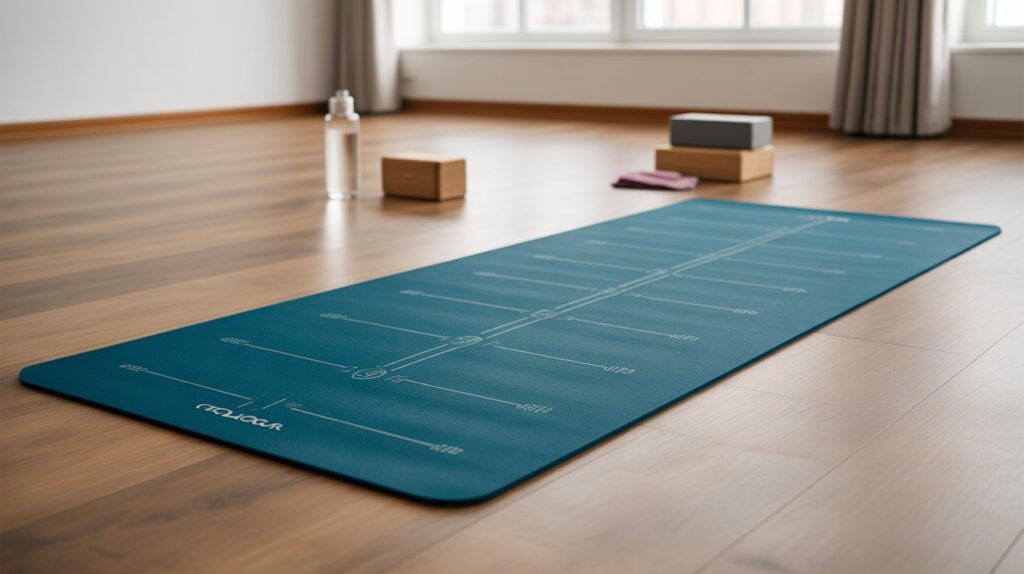
The Liforme Extra Long Yoga Mat offers exceptional grip and alignment markers for perfect posture. Its longer and wider size ensures ample space for tall individuals, while the eco-friendly material provides superior cushioning and stability.
Why it’s great: Perfect balance of support, sustainability, and size for tall yogis.
2. Manduka PRO Extra Long Yoga Mat
Length: 85 inches | Thickness: 6mm | Material: PVC (high-density closed-cell)
Manduka’s PRO series is known for durability and joint protection. The extra-long version is ideal for tall practitioners, offering unmatched stability and non-slip performance.
Why it’s great: Ultra-durable, dense cushioning, and lifetime guarantee.
3. Gaiam Performance Dry-Grip Extra Long Mat
Length: 78 inches | Thickness: 5mm | Material: PVC (latex free)
Designed for hot yoga and tall individuals, this mat provides a dry surface even during intense sessions. Its lightweight design makes it easy to carry while still offering a spacious surface area.
Why it’s great: Excellent grip for sweaty hands and easy portability.
4. Jade Yoga Fusion XW Mat
Length: 80 inches | Thickness: 8mm | Material: Natural rubber
This mat is perfect for tall yogis who need extra cushioning and superior traction. Jade’s natural rubber surface ensures a strong grip and eco-friendly design, making it ideal for all styles of yoga.
Why it’s great: Super comfortable and made from renewable materials.
5. Lululemon The Reversible (Big) Mat
Length: 84 inches | Thickness: 5mm | Material: Natural rubber & polyurethane
Designed for taller practitioners, this mat offers a large practice area and excellent dual-surface traction. The reversible design allows you to choose between smooth and textured sides.
Why it’s great: Dual textures for grip versatility and sleek design.
Comparison Table: Best Yoga Mats for Tall Person
To make it easier for you to choose the right yoga mat for tall person, here’s a detailed comparison table highlighting key specifications including size, material, thickness, and unique features. This helps you quickly find the perfect match for your height and practice style.
| Yoga Mat | Length (inches) | Width (inches) | Thickness | Material | Key Features | Best For |
|---|---|---|---|---|---|---|
| Liforme Extra Long Yoga Mat | 85 | 30 | 4.2mm | Eco-polyurethane & Rubber | Alignment markers, superior grip, eco-friendly | All yoga types, tall practitioners |
| Manduka PRO Extra Long | 85 | 26 | 6mm | High-density PVC | Lifetime durability, excellent cushioning | Power & restorative yoga |
| Gaiam Performance Dry-Grip XL | 78 | 26 | 5mm | PVC (latex-free) | Moisture-wicking surface, lightweight | Hot yoga, tall beginners |
| Jade Yoga Fusion XW Mat | 80 | 28 | 8mm | Natural rubber | Exceptional grip, eco-friendly, extra thick | Joint support & slow yoga styles |
| Lululemon The Reversible (Big) Mat | 84 | 28 | 5mm | Rubber & Polyurethane | Dual-surface texture, stylish design | Versatile practices, tall yogis |
Quick Takeaway:
If you’re a tall yoga enthusiast, the Liforme Extra Long Yoga Mat and Manduka PRO Extra Long stand out as the most balanced options combining superior length, excellent grip, and lasting durability. However, if joint comfort is your priority, the Jade Yoga Fusion XW Mat offers the best cushioning.
How to Choose the Right Yoga Mat Based on Height
Picking the right mat isn’t just about comfort — it’s about giving your entire body room to move without feeling boxed in. Here’s how to match a mat to your height and practice style.
Match the Mat Length to Your Height
A simple rule works well here: your mat should be at least 6 inches longer than your height. If you’re 6 feet tall (72 inches), you’re looking at mats in the 78–85 inch range. This buffer keeps your hands and feet fully on the mat during poses like Downward Dog or Plank, instead of hanging off the edge mid-flow. Standard 68-inch mats simply don’t leave that margin — for taller practitioners, your head or feet often end up on bare floor instead of the mat.
Consider Extra Width for Stability
A larger frame benefits from more than just length. Wider mats, in the 26–30 inch range, give you a bigger footprint for balance poses and extra room during side stretches or floor-based sequences where your limbs naturally extend further.
Think About Portability
Longer mats trade some portability for space — they’re naturally heavier and bulkier to roll up. If you’re moving between home and studio often, lightweight extended-length options in TPE or PVC strike a better balance for anyone who travels with their mat.
Check for Thickness and Cushioning
More body mass means more pressure on the mat, so a 5mm–8mm thickness makes a real difference in protecting your knees, elbows, and joints — particularly if you’re practicing on hardwood or tile. If you’re weighing thickness options in more detail, our thickness guide covers how different mm ranges perform across yoga styles.
Don’t Ignore Grip and Material
Grip becomes more important, not less, when you’re distributing weight across a larger surface area. Rubber, cork, and high-grip polyurethane consistently hold up better than basic PVC once sweat enters the equation.
Final Tip: Prioritize comfort, grip, and length over aesthetics every time. A mat that fully supports your frame lets you focus on your poses — not on staying within its edges.
Maintenance & Care Tips for Extra-Long Mats
Keeping a larger mat clean and well-maintained helps it stay hygienic and last longer. Because these mats cover more surface area, they need slightly more attention than a standard-sized one — but the routine itself stays simple.
Wipe It Down After Every Session
A quick wipe with a gentle mat cleaner or a DIY mix of water and mild soap (or vinegar) removes sweat, dirt, and bacteria before they settle in. Use a soft or microfiber cloth, and you’ll keep both odor and grip issues from building up over time.
Deep Clean Once a Week
For a more thorough clean, fill a tub or large basin with warm water and a small amount of mild detergent. Soak the mat briefly, scrub both sides gently, then rinse thoroughly. Air-dry it fully afterward — skip the dryer and direct sunlight, since UV exposure gradually breaks down the polymer bonds in materials like PVC and rubber, leading to surface cracking and fading over time.
Store It Properly
Roll the mat loosely rather than folding it — folding creates permanent creases that can affect how it lays flat during future sessions. Keep it in a cool, dry space, and a carrying strap or bag makes storage and transport easier given its larger size.
Skip Harsh Chemicals
Strong cleaners or alcohol-based sprays can strip the surface texture and reduce grip over time. Stick to natural or pH-balanced cleaners made specifically for yoga mats.
Rotate Usage
If you practice daily, occasionally flip or rotate the mat’s orientation. This spreads out wear more evenly instead of concentrating it in the same high-contact zones.
Watch for Wear and Tear
Even well-maintained mats eventually show signs of age — peeling, cracking, or thinning, usually starting at the edges. Once you notice these, it’s a good sign the mat’s grip and support are no longer reliable.
Common Mistakes Tall People Make When Buying a Yoga Mat
Finding the perfect yoga mat for tall person can be tricky, especially when many standard mats are made for average heights. Unfortunately, tall practitioners often end up with mats that don’t fit their needs — leading to discomfort, imbalance, or limited movement. Below are the most common mistakes tall people make when choosing a yoga mat and how to avoid them.
1. Choosing a Standard-Length Mat
The biggest mistake tall people make is settling for a standard 68-inch yoga mat.
For anyone over 6 feet tall, this length simply isn’t enough — your head or feet will likely hang off the mat during stretches or relaxation poses.
Always look for mats that are at least 78–85 inches long to ensure full-body coverage.
2. Ignoring Width
Height isn’t the only dimension that matters. Tall people often have broader shoulders and longer wingspans, so narrow mats (24 inches) can feel restrictive.
Opt for extra-wide mats (26–30 inches) to allow more freedom of movement during poses like Warrior II or Side Plank.
3. Overlooking Thickness and Cushioning
A mat that’s too thin can make floor poses uncomfortable especially for taller yogis with more body weight pressing down.
Choose a mat between 5mm and 8mm thick to protect your joints while maintaining balance and stability.
4. Focusing Only on Price
While budget is important, cheaper mats often lack durability, grip, or the right size.
Investing in a high-quality yoga mat for tall person ensures better performance, longevity, and overall comfort saving money in the long run.
5. Ignoring Material and Grip Quality
Tall people distribute more weight across the mat’s surface, which means grip and texture play a big role in stability.
Avoid slick PVC mats that can cause slipping. Instead, go for natural rubber, cork, or polyurethane mats that provide excellent traction, even in sweaty sessions.
6. Forgetting About Portability
Extra-long mats can be heavier and harder to carry. Many tall users forget to check weight and portability features such as carrying straps or travel-friendly materials.
If you move between studios or travel often, consider TPE or lightweight rubber mats designed for easy transport.
7. Not Considering Storage Space
A longer mat takes up more storage room. Before buying, make sure you have enough space at home or in your yoga bag to roll it up comfortably without bending or creasing it.
Benefits of Using an Extra-Long Yoga Mat
A properly sized mat can genuinely transform your practice. Once your mat actually fits your frame, the difference in comfort, posture, and balance is immediate — here’s what changes.
Full-Body Coverage
The most obvious win is space. A standard mat often leaves your head or feet hanging off the edge, especially in Savasana or Downward Dog. An extra-long mat gives you complete coverage, so you can move through poses without constantly readjusting your position mid-flow.
Better Stability and Balance
More surface area means more ground to root into during standing or balancing poses. That extra grounding helps you hold alignment and cuts down the risk of slipping or tipping in more demanding asanas like Tree Pose or Half Moon.
Enhanced Comfort
A larger frame naturally puts more pressure through the joints, so mats built for taller practitioners typically include thicker cushioning — around 5mm to 8mm — to absorb impact and protect the knees, wrists, and elbows through longer sessions. Our thickness guide goes deeper into finding the right mm for your practice style.
Improved Focus and Flow
Constantly shifting to stay within a too-small mat pulls you out of the moment. With the right length, you can put your full attention on breath, balance, and posture instead of the mat’s boundaries — which is where flow actually happens.
Suitable for a Variety of Poses
From full-body stretches to inversions, extra length supports a wider range of movement. This matters most for taller practitioners who need room to extend their limbs fully without constantly bumping the mat’s edge.
Durability and Support
Mats built for taller bodies tend to use denser materials — natural rubber, cork, or polyurethane — that hold their shape and support under regular use rather than compressing or thinning out prematurely.
Better for Taller Frames and Broader Shoulders
Wider shoulders and longer wingspans make standard mats feel cramped fast. A wider mat, in the 26–30 inch range, gives your arms room to move freely during side planks or wide-stance poses without spilling onto bare floor.
Works for Studio and Home Practice
Whether you’re on a studio floor or your living room carpet, the right length and grip carry over across practice styles — from Power Yoga to a slower, restorative flow.
FAQs About Extra-Long Yoga Mats
What size yoga mat is best for tall people?
For anyone over 6 feet, a mat between 78–85 inches long works best. This length keeps your hands and feet fully supported during poses like Savasana or Plank, instead of hanging off the edge.
Is a wider mat better for taller practitioners?
Generally yes. A 26–30 inch width gives more room for broad shoulders or longer arms, which helps with balance and comfort during wide-stance or side stretches.
Are thicker mats better for taller yogis?
A 5mm–8mm mat offers extra joint cushioning, which taller practitioners often need due to added body mass. That said, if you prioritize floor connection and stability over cushioning, a thinner 4mm–5mm option can work just as well.
What material holds up best on an extra-long mat?
Natural rubber, cork, and polyurethane consistently offer the best grip and durability — especially important on a longer mat, since you’re distributing weight across more surface area.
Can I just use a regular 68-inch mat if I’m tall?
You can, but it’s not ideal. A standard mat often leaves your head or feet off the edge, which can disrupt focus and posture over time. An extra-long mat removes that issue entirely.
How long does an extra-long yoga mat typically last?
With regular care, expect 1 to 5 years, depending on how often you practice and how well it’s maintained. Look out for cracking, fading grip, or thinning — that’s your cue to replace it.
Conclusion
Finding the right extra-long mat can transform your practice — better comfort, balance, and focus, without constantly readjusting on a mat that’s too short.
Choose one that’s both longer and wider, and pick the grip, cushioning, and material that fits your style. Still deciding on thickness? Our thickness guide can help.
The right mat means one less thing to think about — so you can just focus on your practice.