Introduction
Finding the right mat can make or break your practice — and that’s exactly why the best XL yoga mat in 2026 has become such a popular search for yogis who need more room to move. Standard-size mats often feel restrictive, especially if you’re tall, a plus-size practitioner, or someone who mixes yoga with Pilates and other home workouts. An extra large yoga mat gives you the extra length and width to stretch fully, hold poses with stability, and train without feeling boxed in. In this guide, we’ve tested and compared the top oversized yoga mats of 2026, so you can pick one that actually fits your body, your practice, and your space.
Table of Contents
1. Size & Dimensions
Choosing the right size is one of the most important factors when selecting an extra large yoga mat. The added surface area provides more freedom of movement, better stability, and improved comfort during practice — especially if you’ve ever felt boxed in on a regular-sized mat.
Length and Width Variations
Standard yoga mats usually measure around 68–72 inches long and 24 inches wide. While this works for many people, it can feel restrictive during poses that require full body extension. For a deeper breakdown of standard sizing, check out our complete yoga mat size guide.
XL and oversized mats typically range from:
- 72–84 inches in length
- 26–36 inches in width
The extra length supports taller individuals, while the added width provides more lateral space for dynamic movements, wide stances, and floor exercises. This makes XL mats especially helpful for stretching routines, Pilates, and strength-based yoga flows.
Who Needs Extra Length or Width
An expanded surface is ideal for:
- Tall practitioners (5’10” and above) who often find their hands or feet extending beyond standard mats
- Plus-size individuals who prefer more comfortable positioning space
- Home workout users combining yoga with HIIT, core training, or mobility work
- Beginners who benefit from extra room to adjust alignment
- Hot yoga practitioners who need space to maintain grip without stepping off the mat
If your hands or feet frequently slide off the edges during poses like Downward Dog or Warrior II, upgrading in size can significantly improve your stability, focus, and overall practice quality. If grip is also a concern during sweaty sessions, our best non-slip yoga mats guide covers mats built specifically for that.
Standard vs Extra Large Comparison
Here’s a simple comparison to help you decide:
| Feature | Standard Size | Extra Large Option |
|---|---|---|
| Length | 68–72 inches | 72–84 inches |
| Width | 24 inches | 26–36 inches |
| Space for Movement | Moderate | Spacious |
| Ideal For | Average height users | Tall or wider stance users |
| Versatility | Basic yoga | Yoga + Pilates + workouts |
While standard mats are lighter and easier to carry, larger versions provide superior comfort and freedom. If your practice includes wide stances, floor transitions, or full-body stretching, the added space can make a noticeable difference.
2. Thickness Options
When evaluating options for a larger practice surface, thickness plays a key role in comfort, support, and performance. Different thickness levels cater to varying needs—from firm balance poses to cushioned floor exercises.
4mm, 6mm, 8mm, 10mm+
Yoga mats come in a range of thicknesses, generally measured in millimeters (mm). Here’s what each popular option offers:
- 4mm: This is a common thickness for standard yoga use. It strikes a balance between comfort and stability, making it suitable for most users.
- 6mm: Slightly more padding than the basic mat, 6mm provides extra comfort during seated or floor-based postures without sacrificing stability.
- 8mm: Ideal for those seeking enhanced cushioning. It’s especially helpful on hard surfaces and for practitioners with sensitive joints.
- 10mm and above: These thick options resemble exercise mats more than traditional yoga mats. They deliver maximum padding for comfort-focused routines but may reduce balance feedback.
When you explore the Best XL Yoga Mat in 2026: Top Extra Large Mats for Comfort, Space & Stability, you’ll find a variety of thicknesses tailored to different practices and preferences.
Cushioning vs Stability Balance
Choosing the right thickness comes down to understanding the trade-off between cushioning and stability:
- More cushioning: Thicker mats (8mm–10mm+) are great for comfort. They protect knees, wrists, and spine during deep stretches and gentle practices. However, too much padding can sometimes feel unstable, especially during standing balance poses.
- More stability: Thinner mats (4mm–6mm) offer closer ground contact, which improves balance and alignment. These are preferred for dynamic flows, strong standing postures, and styles like Vinyasa or Ashtanga.
Here’s a simple guide to help you decide:
| Thickness | Best For | Pros | Cons |
|---|---|---|---|
| 4mm | Balance-focused practice | Stable, lightweight | Less cushion |
| 6mm | General yoga | Balanced feel | Moderate support |
| 8mm | Joint comfort | Excellent cushioning | Slightly less stability |
| 10mm+ | Floor-based workouts | Maximum padding | May reduce balance feedback |
Ultimately, your choice should reflect how you practice. If your sessions include long periods on the floor or you have sensitive joints, opting for a thicker option will make your workouts more comfortable. Conversely, if balance and alignment are priorities, a thinner surface may be a better fit.
3. Material Type
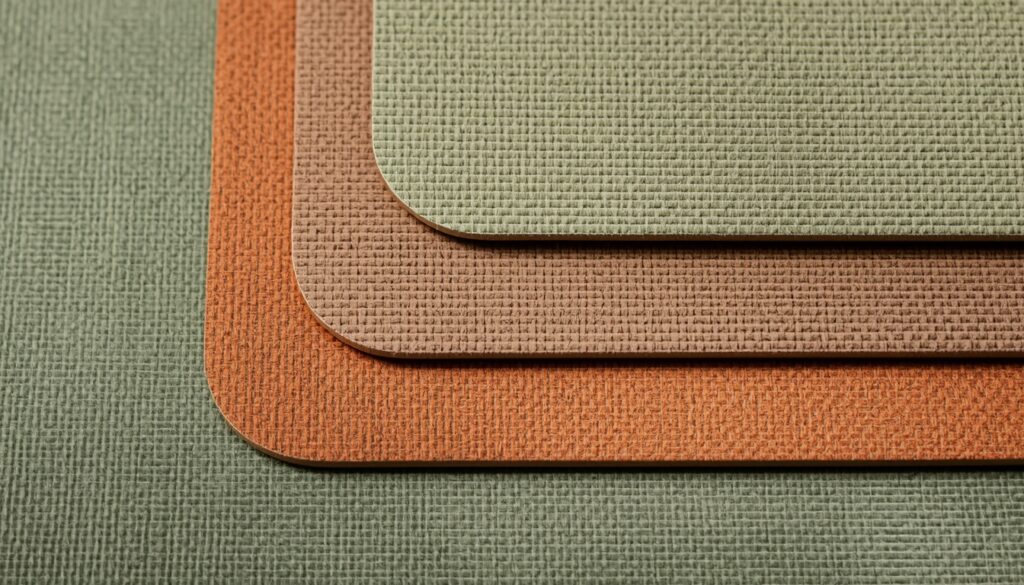
The material of a mat directly affects comfort, durability, grip, and environmental impact. Understanding the differences between common materials makes it easier to choose a sustainable yoga mat that fits both your practice style and your personal values.
TPE
Thermoplastic Elastomer (TPE) is a modern synthetic material that balances performance and affordability. It is often lightweight, offers decent cushioning, and provides good traction for most yoga styles. TPE mats tend to be:
- Odor-free or low-odor
- Recyclable in some facilities
- Soft and comfortable underfoot
TPE is a practical choice if you want a mat that performs well in various conditions without the premium price tag.
Natural Rubber
Natural rubber mats deliver excellent grip and a more textured feel. They are popular among users who prioritize traction, especially in dynamic flows or sweat-heavy sessions. Natural rubber is harvested from rubber trees and is considered a renewable, biodegradable material when sourced responsibly. Key features include:
- Strong non-slip surface
- Good shock absorption
- Renewable material source
However, natural rubber may be slightly heavier and can have a rubber scent at first. It also may not be suitable for those with latex allergies.
PVC
Polyvinyl Chloride (PVC) is a traditional yoga mat material, known for being durable and offering reliable grip, especially on dry surfaces. Some characteristics of PVC include:
- Long-lasting performance
- Firm and stable feel
- Often more affordable
That said, PVC production has raised environmental and health concerns among researchers, largely due to the chemicals used during manufacturing and disposal. It’s less eco-friendly compared to natural alternatives — though its performance still makes it a common choice in many studios.
Eco-Friendly Materials
For individuals who prioritize sustainability, mats made from eco-conscious materials are increasingly popular. These can include:
- Jute: A natural fiber with a unique texture and decent grip
- Organic cotton: Soft surface, best for gentle practices
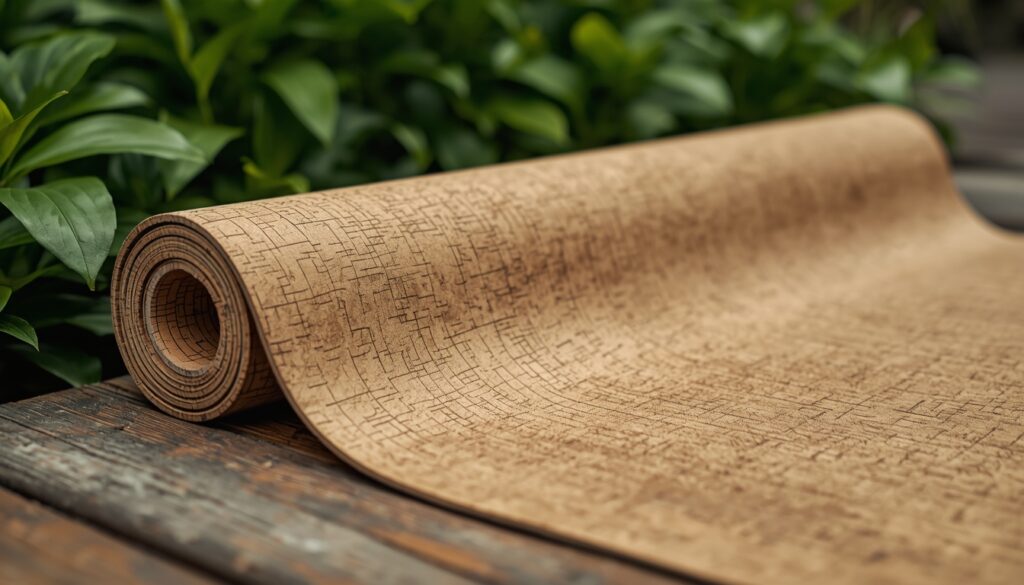
- Cork: Antimicrobial and offers good traction when wet
Eco-friendly options often come with certifications or clearer sourcing details — such as those outlined by the Global Platform for Sustainable Natural Rubber, which promotes responsible and traceable material sourcing. While they may cost more upfront, they appeal to users who value environmental impact alongside performance.
4. Grip & Non-Slip Performance
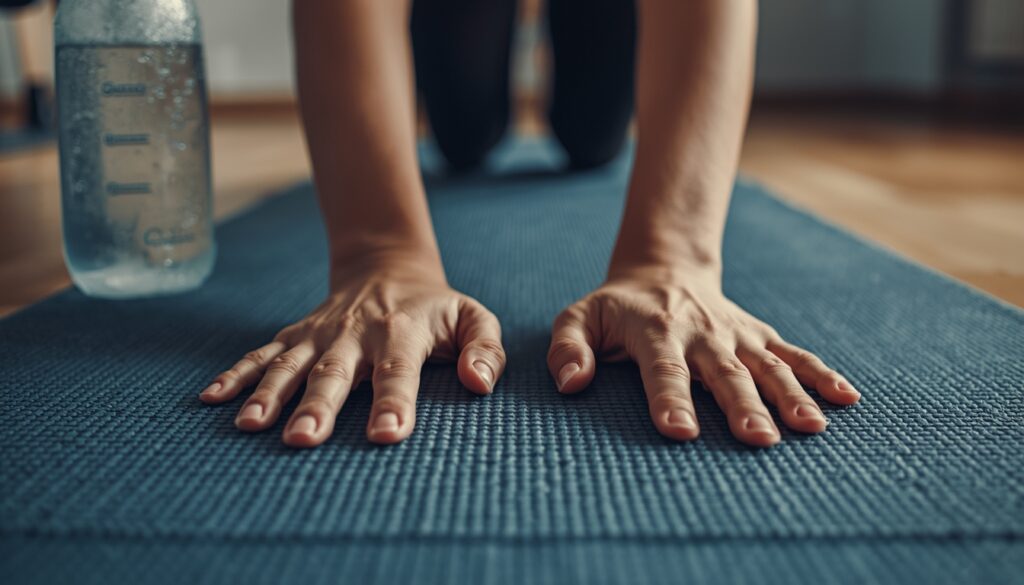
Grip and traction are essential features that can make or break your practice. A mat with reliable non-slip performance helps you hold poses with confidence, move smoothly through flows, and stay steady even when your hands or feet get sweaty.
Dry Grip
Dry grip refers to how well a surface holds on when there’s no moisture present. A strong dry grip ensures your hands and feet don’t slide during standing or balancing poses.
- Textured surfaces typically provide better dry grip than smooth ones.
- Material choice plays a role — natural rubber and certain high-quality synthetics often outperform basic PVC in dry traction.
If most of your sessions take place in cool, controlled environments, a mat with strong dry grip will keep your practice stable and responsive.
Sweat Resistance
Once you start sweating, especially during vigorous flows, mats can quickly become slippery if they don’t handle moisture well. Sweat-resistant yoga mats are designed to maintain traction even when damp:
- Open-cell surfaces absorb moisture and provide a stable, grounded feel.
- Closed-cell designs prevent sweat from penetrating the mat, making them easier to wipe clean.
Some materials, like cork, actually improve grip as they get slightly wet — making them a smart pick for heated or high-intensity practices.
Hot Yoga Suitability
Heat and humidity increase sweat output, which puts extra pressure on a mat’s traction and cleanliness. If you practice hot yoga regularly, look for a mat built for hot yoga performance, including:
Durable materials that withstand frequent use and wiping
Superior non-slip texture that stays grippy under moisture
Quick-dry surfaces that don’t trap sweat or odors
Many of the extra large mats featured in our picks below are specifically optimized for hot yoga environments, offering sweat-resilient traction and easy maintenance — so you can move through even the sweatiest sessions without losing your footing.
5. Comfort & Joint Support
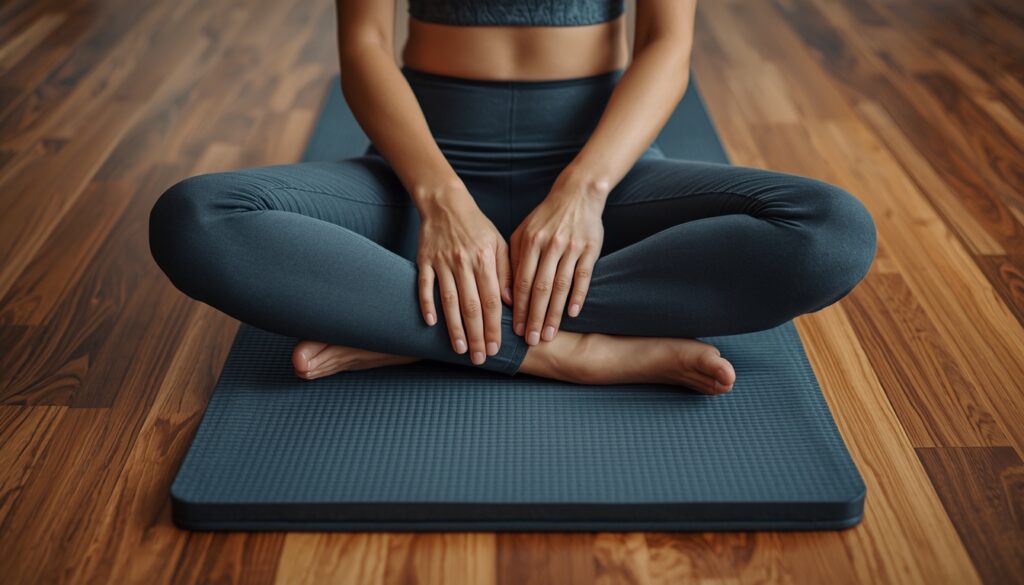
Comfort and joint support are key factors that affect how enjoyable and sustainable your practice feels. A mat that cushions pressure points helps prevent discomfort during prolonged poses and reduces strain on sensitive areas like knees, elbows, and the spine.
Knee and Elbow Protection
Many yoga poses require prolonged contact with the floor. Without adequate support, areas like the knees and elbows can feel sore or compressed—especially on hard surfaces. Thicker padding helps absorb impact and distribute pressure more evenly, making floor-based movements and transitions smoother and less stressful on joints.
- Moderate cushioning is often ideal for most users.
- Extra padding benefits those with joint issues or those practicing restorative styles.
When considering options from the Best XL Yoga Mat in 2026: Top Extra Large Mats for Comfort, Space & Stability guides, look for mats that balance softness with firmness to protect delicate joints.
Spine Alignment Support
Good spine alignment is essential for both flexibility and injury prevention. While a mat alone can’t correct form, adequate support encourages better posture in seated and standing poses. A stable base that feels firm yet comfortable helps you sense how your body aligns, making it easier to adjust and maintain proper positioning.
Mats with a slight firmness beneath the cushioning often offer the best feedback, allowing you to feel grounded without being uncomfortable.
Ideal for Beginners vs Advanced Users
Comfort needs can vary based on experience level:
- Beginners often benefit from extra cushioning and support. More padding can increase confidence during new poses and make longer hold times more comfortable.
- Advanced users may prefer a balance between cushioning and stability. Too much softness can reduce balance feedback in challenging standing or balancing poses, so experienced practitioners typically look for supportive yet slightly firmer surfaces.
6. Durability & Longevity
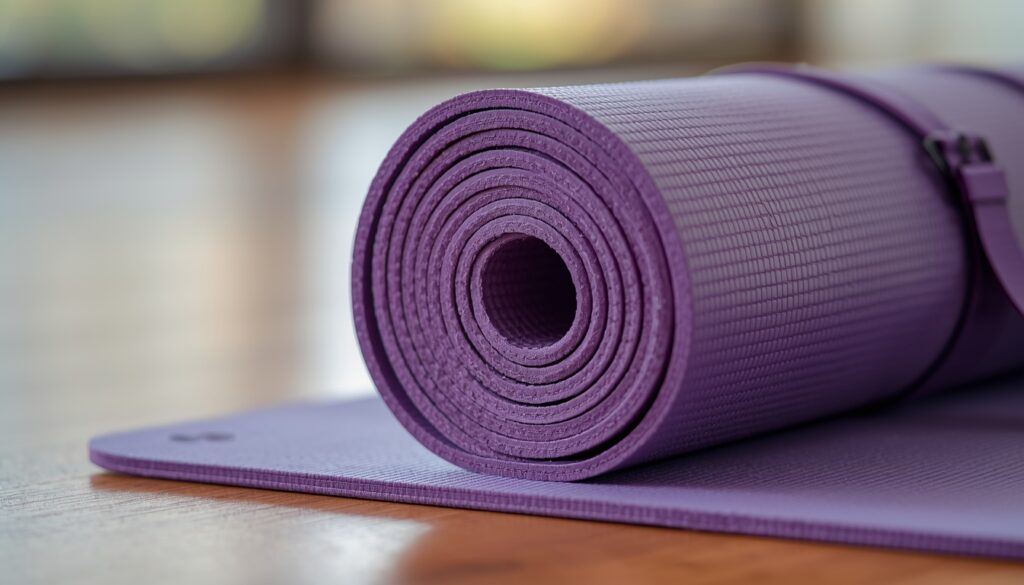
When investing in a larger practice surface, durability determines how long it will stay functional and comfortable. A durable mat withstands regular use without degrading, tearing, or losing shape—even after months of daily sessions.
Tear Resistance
Tear resistance refers to how well the material holds up against rips, pulls, and edge fraying. Mats made from high-quality materials like natural rubber, reinforced TPE, or thick PVC tend to resist tearing better than thinner or cheaply manufactured alternatives.
- Dense material construction helps prevent surface damage.
- Reinforced edges reduce the risk of fraying over time.
A mat that resists tearing will look and perform better over its lifespan, saving you from frequent replacements.
Compression Resistance
Compression resistance measures how well a mat retains its thickness and cushioning after repeated pressure. Poor compression resistance often leads to permanent indentations where your hands, knees, or feet press most often.
High-quality options maintain their shape even after extended use, providing consistent support session after session. This is especially important if you practice regularly or use your mat for workouts beyond traditional yoga.
Long-Term Performance
Long-term performance combines tear and compression resistance with overall material resilience. A mat that performs well over time:
- Retains grip and texture
- Maintains cushioning
- Resists odors and surface breakdown
When browsing selections in the Best XL Yoga Mat in 2026: Top Extra Large Mats for Comfort, Space & Stability, prioritize products with strong durability features. These options deliver consistent performance and comfort, making them better long-term investments.
7. Portability & Weight
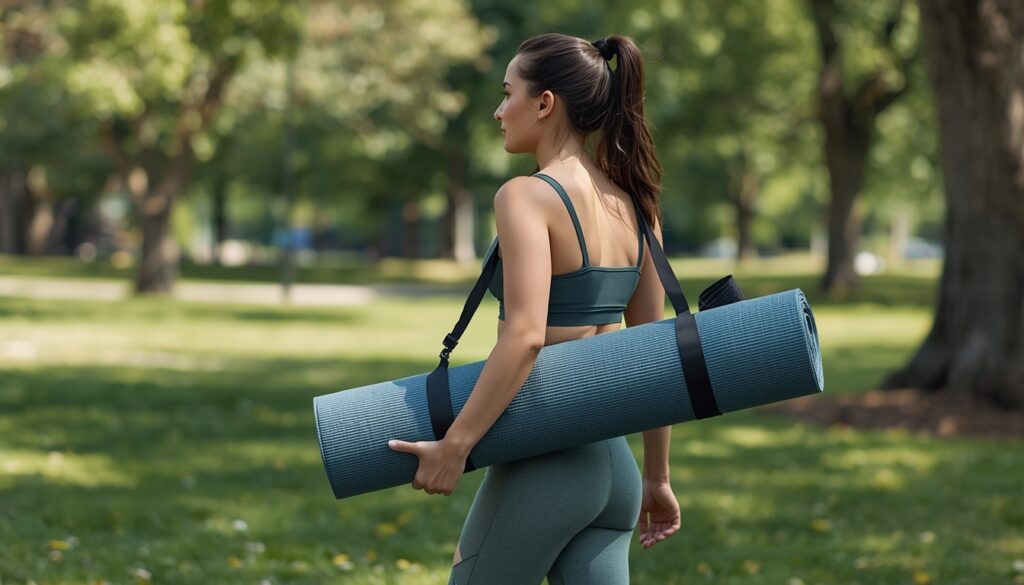
Portability and weight are important considerations, especially if you plan to carry your mat to classes, studios, outdoor sessions, or while traveling. Bigger mats naturally weigh more, so understanding how different options handle mobility can help you choose one that fits your lifestyle.
Lightweight vs Heavy-Duty
- Lightweight mats: These are easier to carry and transport. They’re ideal if you attend classes frequently or move your practice between locations. However, lighter mats may sometimes compromise on thickness or support.
- Heavy-duty mats: These tend to offer more cushioning, durability, and stability, but they’re bulkier and heavier to lug around. They’re perfect if you mostly practice at home or need maximum comfort.
Choosing between lightweight and heavy-duty depends on how you balance convenience and performance.
Travel-Friendly Options
For yogis who travel often, a travel-friendly mat can make a big difference. These mats are usually designed to:
- Roll up more compactly
- Weigh significantly less than standard models
- Fit easily in luggage or backpacks
Some travel-oriented choices still provide enough support for everyday practice but focus on minimizing bulk and maximizing convenience.
Carry Straps or Bags Included
Accessories like carry straps or bags enhance portability and protect your mat between uses. When included:
- Straps make it effortless to sling the mat over a shoulder.
- Bags can have extra pockets for essentials like towels or water bottles.
- Protective covers help extend the life of the mat by keeping it clean during transport.
8. Eco-Friendliness & Safety
As awareness of environmental impact and personal health grows, more practitioners are paying closer attention to how their mat is made. Choosing an eco-friendly, non-toxic yoga mat helps minimize exposure to harmful chemicals and reduces your environmental footprint — without sacrificing performance.
Non-Toxic Certifications
Mats with recognized non-toxic certifications ensure the materials used are free from harmful substances such as phthalates, heavy metals, and formaldehyde. Certifications to look for include:
- OEKO-TEX® Standard 100: Indicates materials tested for harmful chemicals
- REACH compliance: European standard limiting hazardous substances
- GOTS (Global Organic Textile Standard): For organic fiber components
These certifications give added peace of mind that the mat meets strict safety standards, making it a healthier choice for regular practice.
Latex-Free Options
Natural rubber mats offer excellent grip, but they aren’t suitable for everyone — especially those with latex sensitivities or allergies. If you’re unsure which material fits your needs, our material type guide breaks down the pros and cons of TPE, natural rubber, PVC, and eco-friendly alternatives in detail.
Fortunately, many high-quality mats now come in latex-free alternatives made from materials like TPE, organic cotton, or cork blended with synthetic supports. These offer similar performance benefits without triggering allergic reactions.
If you have sensitive skin or are concerned about reactions during prolonged contact, choosing a latex-free option enhances both comfort and safety.
Sustainable Manufacturing
Beyond the material itself, sustainable manufacturing practices reduce environmental impact throughout the production process. Key considerations include:
- Use of recycled or renewable resources
- Minimal use of toxic adhesives or dyes
- Low-impact manufacturing processes
Brands that emphasize sustainability often provide transparent information about sourcing and production practices. These details help you evaluate the overall environmental footprint of your purchase.
Many of the extra large mats featured in our top picks below include eco-conscious designs, offering a solid balance of performance and responsibility.
9. Texture & Surface Design
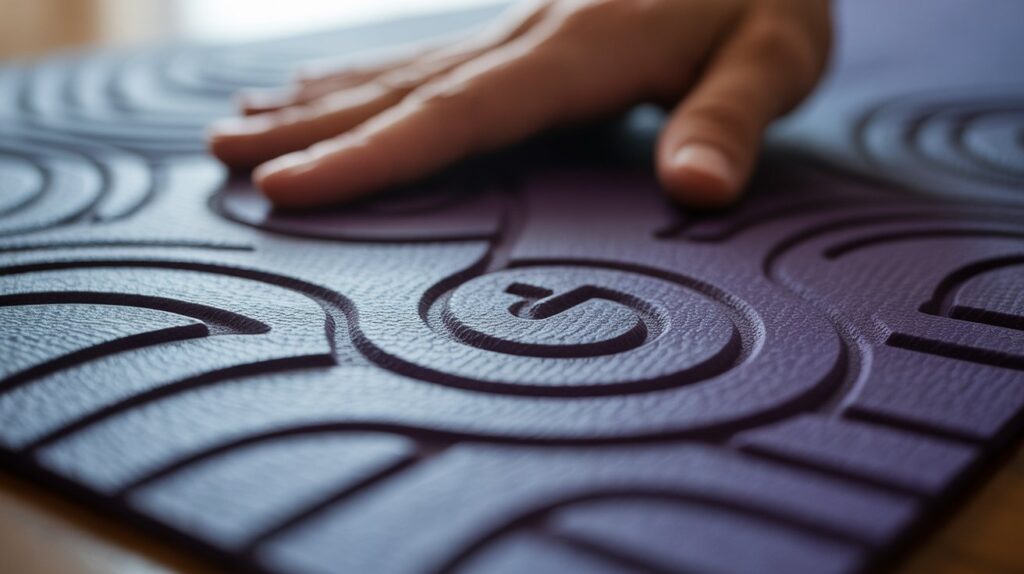
The texture and surface design of a mat influence how it feels underfoot, how well it grips, and how easy it is to maintain proper alignment during your practice. Exploring these details helps you choose a surface that matches your style and comfort preferences.
Smooth vs Textured
- Smooth surfaces are sleek and often softer to the touch. They’re comfortable for seated poses and gentle flows, but may offer less traction in sweaty or dynamic sessions.
- Textured surfaces feature raised patterns or ridges that improve grip and prevent slipping, especially during standing poses or faster transitions.
Textured designs generally enhance traction without needing additional grip aids, while smooth surfaces appeal to those who favor a softer feel.
Alignment Lines
Some mats include alignment lines or markers printed or embossed into the surface. These guides help you:
- Position hands and feet evenly
- Maintain symmetrical form
- Stay centered during flow transitions
Alignment visuals are particularly beneficial for beginners learning proper posture or anyone who wants a consistent reference during practice.
Patterned vs Plain Surfaces
- Patterned mats offer visual style and personality. They can include artistic designs, motifs, or functional graphics. While style doesn’t directly impact performance, patterned surfaces can boost motivation and enjoyment.
- Plain surfaces tend to be minimalist and distraction-free, making it easier to focus solely on movement and balance.
Both options can offer excellent performance; the choice comes down to personal preference and aesthetic taste.
10. Cleaning & Maintenance
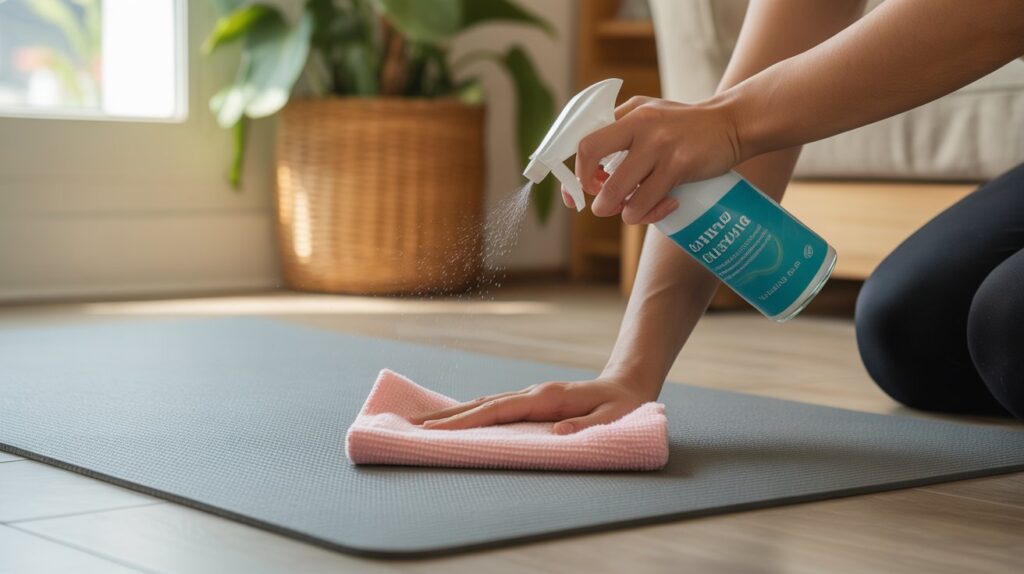
Proper cleaning and maintenance keep your mat fresh, hygienic, and long‑lasting. Since larger options cover more surface area, it’s especially important to choose one that’s easy to care for without adding extra effort to your routine.
Easy to Clean Materials
Some mats are made from materials that are naturally easier to wipe down and keep clean. Closed‑cell surfaces, for example, prevent moisture from penetrating deep into the mat, making it simple to remove sweat, dirt, or oils with just a damp cloth and mild soap.
- Vinyl or PVC blends: Often very easy to surface‑clean
- TPE: Cleans up quickly and resists staining
- Cork: Naturally antimicrobial, but may require gentler cleaning
Avoid harsh chemicals or abrasive brushes, as these can damage the surface and reduce the lifespan of your mat.
Odor Resistance
Over time, mats can develop odors, especially if they’re used for intense or heated sessions. Materials with natural odor resistance—like cork or certain treated synthetics—help minimize unpleasant smells.
Regular cleaning also reduces odor buildup. Allowing the mat to air dry fully before rolling or storing it prevents trapped moisture from creating a musty scent.
Water‑Resistant Properties
Water‑resistant mats are designed to repel liquid rather than absorb it. This quality makes them quick to wipe down after sweaty workouts and helps prevent bacteria growth within the fibers.
- Closed‑cell surfaces generally resist water better
- Open‑cell materials may feel softer but can absorb more moisture
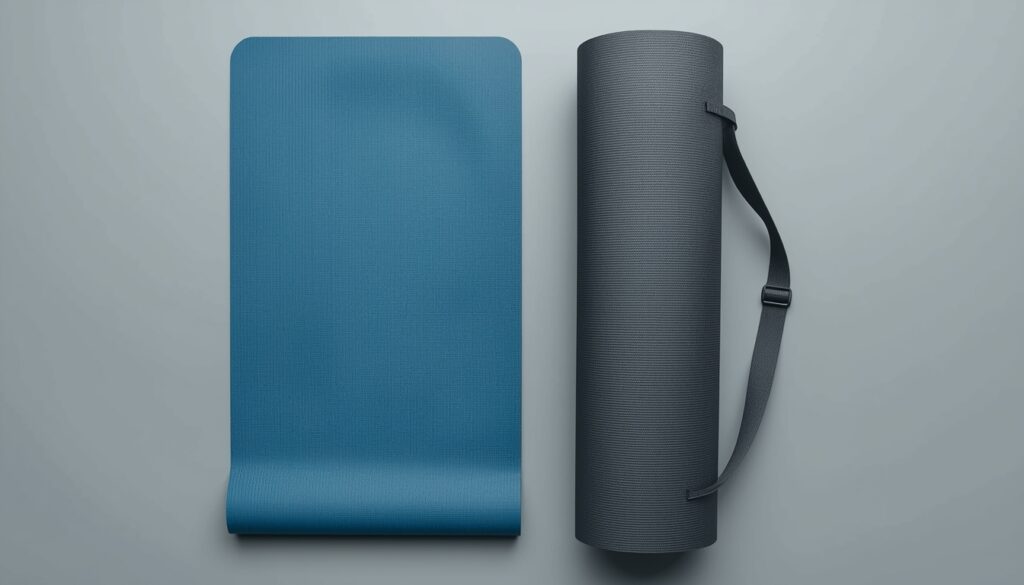
When choosing the best XL yoga mat in 2026, prioritize models that offer both water resistance and superior comfort tailored to your practice. Whether you’re doing hot yoga, Pilates, or general stretching, an extra-large yoga mat with sweat-resistant, non-slip material ensures better grip and durability. Look for features like high-density cushioning, eco-friendly materials, and enhanced surface traction — these factors directly impact stability during intense sessions while keeping the mat easy to clean.
11. Price & Value for Money
Price is often one of the first factors people consider when choosing a mat, but cost alone doesn’t tell the whole story. Evaluating value for money means weighing what you get in terms of materials, durability, performance, and comfort against the price tag. Here’s a breakdown of common price tiers to help you make an informed choice.
Budget Options
Budget mats are typically priced lower and appeal to beginners or occasional users. They often offer:
- Basic materials with decent grip and cushioning
- Lightweight design
- Simple construction without extra features
These mats can be a great introduction for casual practices, travel use, or those on a tight budget. However, they may wear out faster or lack advanced traction and cushioning found in higher‑end options.
Mid‑Range
Mid‑range mats balance performance and affordability. They often include:
- Better quality materials
- Improved durability and comfort
- Additional features, such as textured surfaces or alignment lines
For many practitioners, this price range represents the best value for money—offering reliable performance without a premium cost. If you practice regularly but don’t need luxury features, mid‑range choices frequently hit the sweet spot.
Premium Quality Mats
Premium mats come with advanced features, superior construction, and longer lifespans. Benefits may include:
- High‑end materials like natural rubber or eco‑friendly composites
- Enhanced grip, cushioning, and durability
- Extra accessories, like carry bags or alignment guides
While these mats are more expensive upfront, they often deliver the most consistent performance and can last for years with proper care.
Before finalizing your pick from the top extra-large yoga mats of 2026, factor in your usage frequency and expected lifespan of the mat. A daily practitioner will need a more durable, high-density mat than someone using it occasionally. While budget-friendly options are tempting, investing in a higher-quality XL mat upfront often proves more economical in the long run — you’ll avoid the hassle and hidden cost of replacing worn-out mats every few months.
12. Best Use Case
Choosing the right surface often comes down to how and where you practice. Different activities and user needs call for specific features, so consider your primary use case before deciding. Here’s how various scenarios affect what you should look for.
Home Workouts
For at‑home sessions, versatility is key. Whether you’re flowing through yoga sequences, mixing in bodyweight training, or doing core work, you’ll want:
- Comfortable cushioning for floor exercises
- Durable surface that holds up over time
- Easy to clean materials
Larger mats offer more space to move without stepping off the edge, making home workouts more efficient and comfortable.
Studio Practice
If you attend group classes at a studio, portability becomes more important. Look for:
- Lightweight design
- Good grip and traction
- Easy‑to‑carry options with straps or bags
Studio floors can vary in texture, so reliable non‑slip performance matters. A slightly firmer surface often helps with alignment and stability during longer class flows.
Pilates & Stretching
Pilates and deep stretching routines often involve prolonged floor contact and varied movement patterns. Ideal features for these practices include:
- Extra cushioning for joints
- Wide, stable surface to accommodate different positions
- Durable materials that resist compression
The additional space and padding make transitions smoother and more comfortable, especially during slow, controlled movements.
Tall Users or Plus‑Size Practitioners
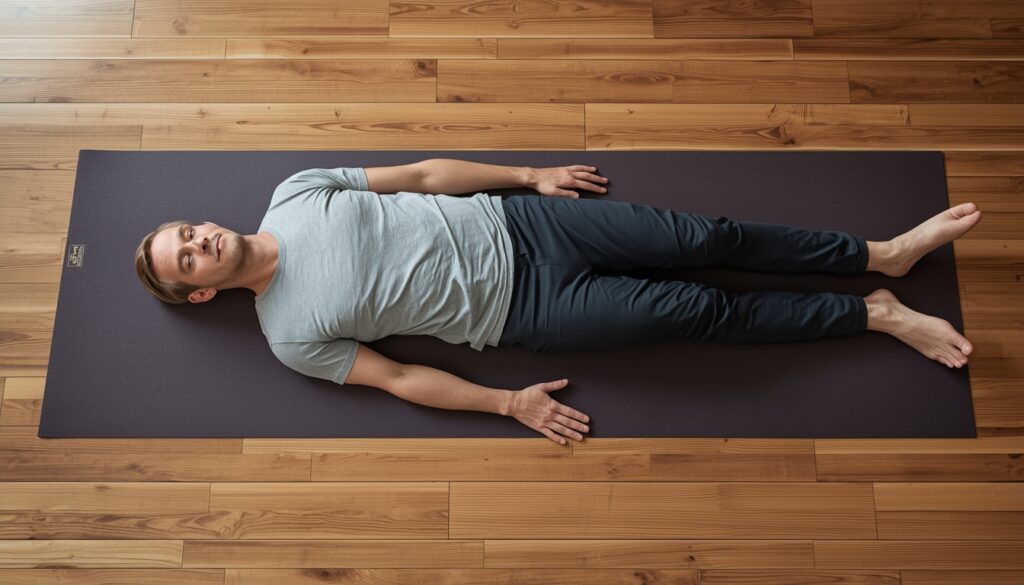
For taller individuals or those who prefer more room, size truly matters. Choosing a larger mat can provide:
- Full body coverage in extended poses
- Extra lateral space for wide stances
- Better comfort and confidence during movement
If you frequently find your hands or feet reaching off the edge during practice, an expanded surface ensures a more secure and comfortable foundation.
FAQs
What size is considered an XL yoga mat?
XL mats typically range from 72–84 inches in length and 26–36 inches in width, providing extra space for taller or plus-size practitioners.
Which thickness is best for comfort and support?
Mats range from 4mm to 10mm+. Thicker mats (8–10mm) offer joint cushioning, while thinner mats (4–6mm) provide better stability for balance poses.
Are XL yoga mats suitable for hot yoga?
Yes. Look for sweat-resistant, non-slip surfaces or materials like natural rubber or cork that maintain grip even when damp.
Can XL yoga mats be used for other workouts besides yoga?
Absolutely. Their extra space and cushioning make them ideal for Pilates, stretching, home workouts, and floor-based strength exercises.
How do I maintain and clean an XL yoga mat?
Use a damp cloth with mild soap for regular cleaning. Closed-cell or water-resistant mats resist moisture, reduce odors, and are easier to maintain.
Conclusion
Investing in the right XL yoga mat can genuinely transform your practice — delivering more room to move, greater stability, and superior comfort with every session. Whether you’re a tall practitioner needing extra length, a plus-size user seeking additional width, or a fitness enthusiast who blends yoga with Pilates, stretching, or home workouts, an extra-large yoga mat makes a noticeable difference in performance and overall experience. By prioritizing factors like thickness, material quality, and durability, you’ll find an XL mat that not only fits your body but also supports your fitness journey for years to come.