Introduction
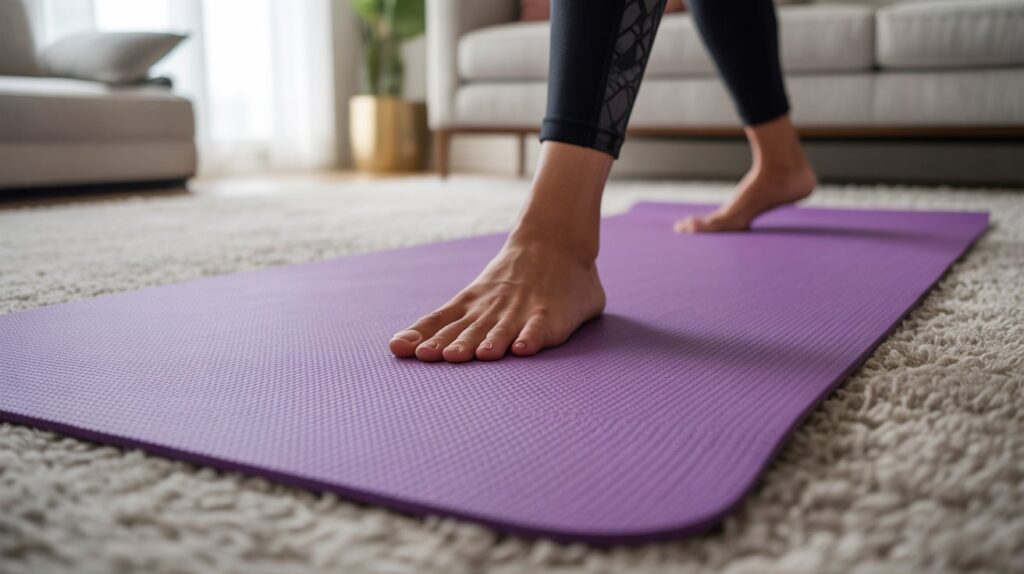
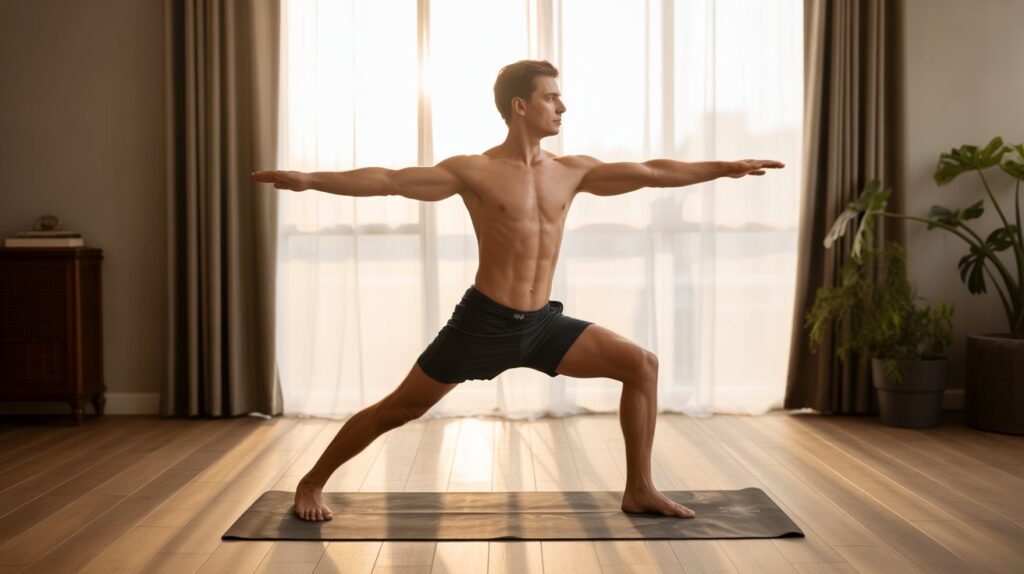
If you’re searching for the best avocado yoga mat in 2026, you’re likely looking for one thing: a mat that delivers strong grip, long-lasting comfort, and eco-friendly materials without compromise. Avocado yoga mats have grown in popularity among yogis for exactly this reason — they combine sustainable, natural rubber construction with performance features usually found in premium synthetic mats.
But with dozens of “eco-friendly” mats flooding the market, not all of them live up to the hype. In this review, we break down grip performance, cushioning, durability, and sustainability credentials to help you decide if this mat is the right fit for your practice.
Table of Contents
1. Material Quality & Sustainability
One of the biggest reasons yogis choose this avocado yoga mat is its high-quality natural rubber construction. The rubber is responsibly sourced from rubber trees, making it a renewable material that significantly reduces reliance on synthetic plastics like PVC and TPE. This not only improves grip and durability but also supports more sustainable, low-impact manufacturing practices.
From a safety standpoint, the materials are non-toxic and free from harmful chemicals such as PVC, phthalates, latex additives, and heavy metals. This makes the mat safer for your skin and for indoor air quality — an important factor during long, heated, or daily yoga sessions.
In terms of environmental responsibility, the mat meets several recognized eco-friendly standards and certifications, signaling ethical sourcing and cleaner production methods. For yogis comparing sustainable options, these certifications matter — they confirm the mat is made with minimal environmental impact rather than relying on greenwashed marketing claims. If you’re exploring more sustainably made options, you can browse our full range of eco-conscious yoga mats to compare materials and certifications side by side.
2. Grip & Traction Performance
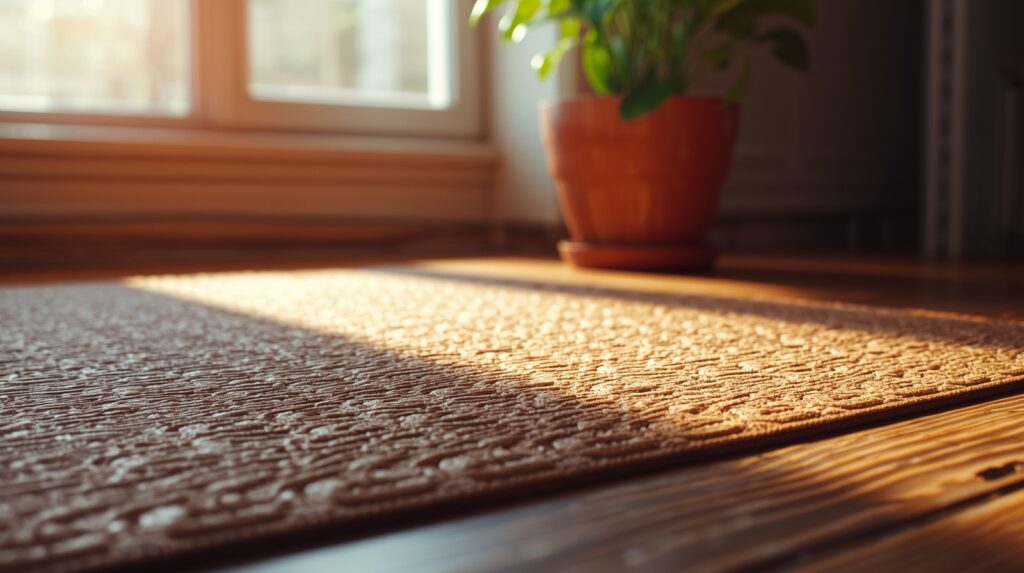
Grip is one of the most critical factors for maintaining stability, especially during balance poses and fast-paced vinyasa flows. This mat performs reliably in both dry and sweaty conditions, offering consistent traction that helps prevent hands and feet from slipping mid-practice.
In dry sessions, the surface delivers an immediate, confident hold without feeling tacky or sticky. During high-intensity or hot yoga, the wet grip actually improves as moisture builds — the natural rubber creates stronger traction rather than becoming slippery, unlike foam or PVC mats that lose grip when wet. This makes it especially suitable for practitioners who sweat heavily or move quickly between poses.
Slip resistance stays consistent even during demanding sessions like vinyasa or power yoga. The mat grips the floor firmly while maintaining a stable top surface, reducing the need for constant repositioning. This dry-to-wet grip balance is one of the standout advantages of natural rubber mats compared to synthetic alternatives — a factor we also cover in our outdoor yoga mat grip comparison for practitioners training on varied surfaces.
3. Cushioning & Comfort
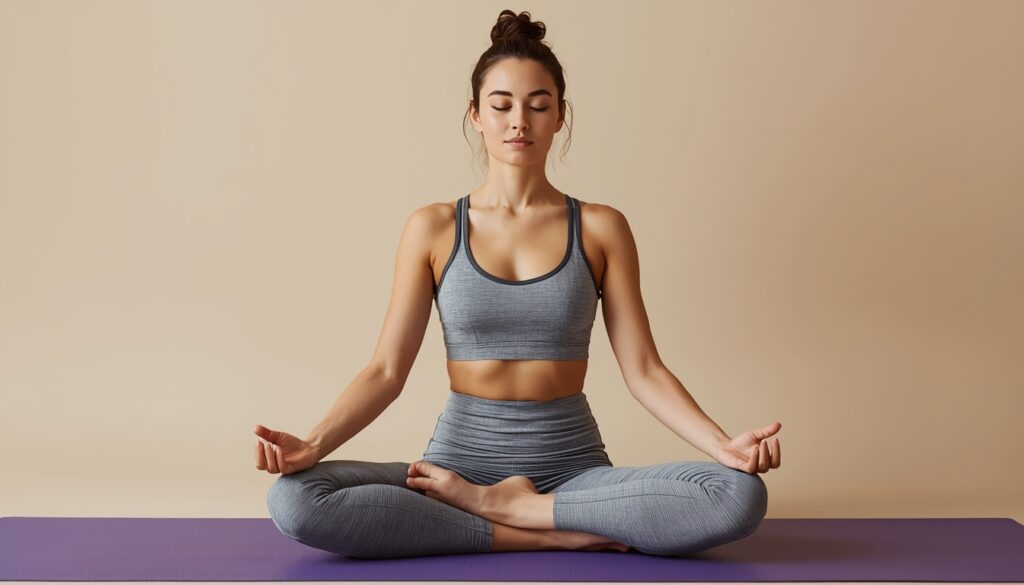
Comfort is essential during long or physically demanding sessions, and this mat delivers a well-balanced feel through its thoughtfully engineered thickness options. Users can choose firmer or slightly thicker versions depending on whether they prioritize stability or extra padding — a decision that often comes down to body type and practice style, similar to considerations we outline for taller practitioners choosing the right mat length.
The dense natural rubber construction provides strong joint support, particularly for sensitive areas like knees, wrists, and elbows. Unlike overly soft mats that compress too quickly and flatten over time, this one retains its shape under pressure, protecting joints without sacrificing balance or ground connection.
In terms of impact absorption, the mat performs well during transitions, seated poses, and low-impact floor work. It absorbs shock effectively while keeping practitioners grounded — a balance that’s critical for proper alignment and long-term joint health.
4. Durability & Longevity
Durability is a major factor when investing in a premium yoga mat, and this one is built to withstand years of regular use. Its dense natural rubber construction resists surface wear, helping the mat maintain its texture and grip even after frequent practice. This resilience comes down to the inherent structure of natural rubber itself — its long, chainlike polymer molecules stretch under pressure and return to their original shape, which is what gives well-made rubber mats their long-term shape retention and tear resistance.
Over time, the mat shows strong resistance to tearing and stretching, including around high-stress zones where hands and feet are repeatedly placed. This makes it well-suited to dynamic styles like vinyasa or power yoga, where constant movement and repeated pressure can quickly wear down lower-quality foam or PVC mats.
Compression resistance is another standout feature. The mat retains its original shape and cushioning even after long sessions or consistent pressure on the same spots, ensuring long-term comfort and support without flattening, sagging, or developing permanent knee or hand imprints.
5. Thickness & Density Options
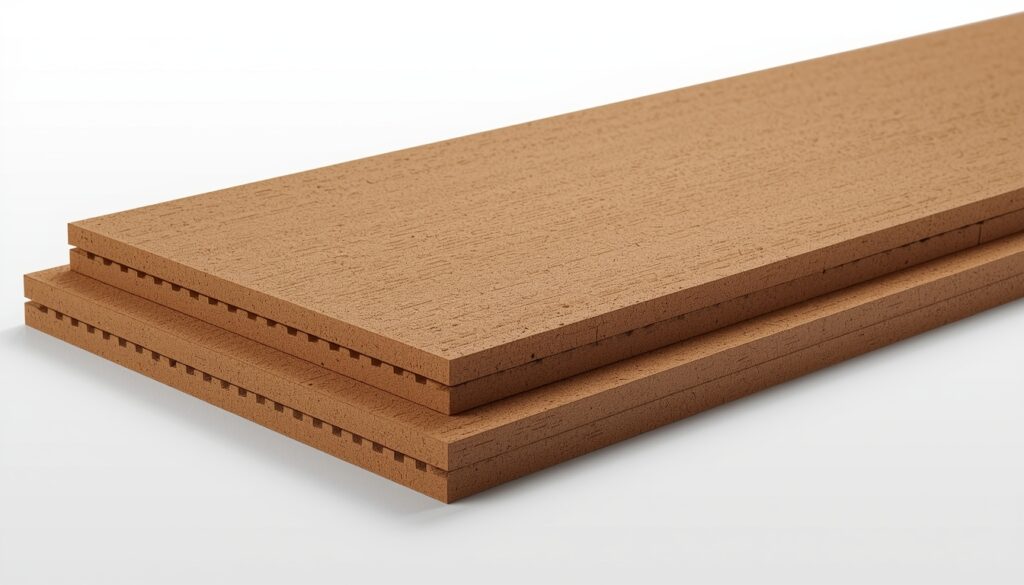
Thickness and density play a critical role in how a yoga mat feels and performs during practice — and the two aren’t the same thing. This mat is available in multiple thickness options, allowing users to choose a version that matches both their comfort needs and their practice style.
Thinner options offer a firmer, more grounded feel, ideal for balance poses and standing sequences where stability and floor connection are essential. These versions keep you closer to the ground, improving control and alignment without sacrificing basic cushioning — a common preference among Vinyasa and Ashtanga practitioners.
Thicker options prioritize comfort and joint protection, making them better suited for slower practices, restorative yoga, or users with sensitive knees and wrists. Despite the added padding, the high-density rubber prevents excessive sinking or “bottoming out,” so stability is maintained even at greater thickness.
6. Size & Dimensions
Choosing the right mat size can greatly affect comfort and movement, especially for taller practitioners. This mat is available in standard and extra-long dimensions, giving users more flexibility based on their height and practice style.
Standard sizes work well for most users and fit easily in home or studio spaces. However, taller yogis often benefit from the extra-long option, which provides additional length for full-body stretches, savasana, and extended poses without feeling cramped.
The width is also designed to offer enough space for natural movement without becoming bulky. This balance helps maintain stability while allowing smooth transitions between poses.
7. Weight & Portability
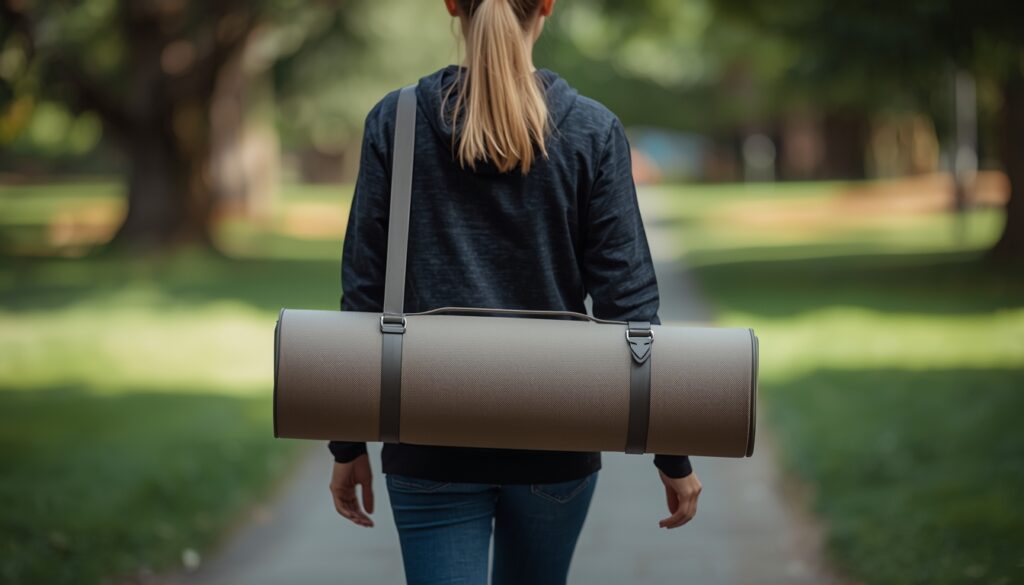
Weight is an important consideration for yogis who travel frequently or commute to a studio. Due to its dense natural rubber build, this mat is slightly heavier than standard foam options, which contributes to its stability and durability.
For studio use, the added weight helps keep the mat firmly in place during active sessions. When it comes to transport, it is still manageable with a yoga mat strap or carrying bag, making it practical for regular use outside the home.
While it may not be the best choice for ultra-light travel, it performs well for outdoor sessions and everyday commuting, where stability matters more than minimal weight. The mat rolls tightly, allowing for easier storage and transport.
8. Sweat & Moisture Resistance
Sweat management is essential for maintaining control during hot yoga and high-intensity practices. This mat performs well in moisture-heavy conditions, thanks to its natural rubber surface that responds positively to sweat rather than becoming slick.
As moisture builds, traction improves, allowing hands and feet to stay secure during challenging poses and fast transitions. This makes it a reliable option for hot yoga, power yoga, and heated studio sessions, where excessive sweating is common.
The surface does not absorb moisture deeply, which helps prevent pooling and keeps the mat feeling stable throughout the session. After practice, it dries relatively quickly when wiped down and aired out properly.
9. Odor & Off-Gassing
A common concern with natural rubber mats is the initial rubber smell, which can be strong when first unrolled. This mat does have a noticeable scent due to its eco-friendly, chemical-free materials, but it is non-toxic and fades naturally over time.
For most users, the odor diminishes after a few days of airing the mat out in a well-ventilated space. Light cleaning with a mild, natural solution can also speed up the process without affecting grip or surface quality.
Unlike mats made with synthetic materials, this mat does not release harmful chemicals during off-gassing, making it safer for indoor use, even in smaller or less ventilated rooms.
10. Ease of Cleaning & Maintenance
Keeping a yoga mat clean is essential for hygiene and long-term performance. This mat is easy to maintain due to its natural rubber surface, which resists dirt and sweat buildup. For routine cleaning, a simple wipe-down with a damp cloth or a mild natural cleaning solution is usually sufficient.
For deeper cleaning, a gentle hand wash with water and a non-toxic soap works well. Avoid harsh chemicals or soaking the mat for extended periods, as this can damage the rubber and affect its grip. After cleaning, allow the mat to air dry completely before rolling it up—this prevents mold and keeps the material fresh.
Regular maintenance, such as wiping it after each practice and storing it rolled in a cool, dry place, helps preserve both its traction and cushioning. Many users mention in the Best Avocado Yoga Mat in 2026: Honest Review of Grip, Comfort & Sustainability that these care practices are simple yet effective, ensuring the mat looks and performs like new for years.
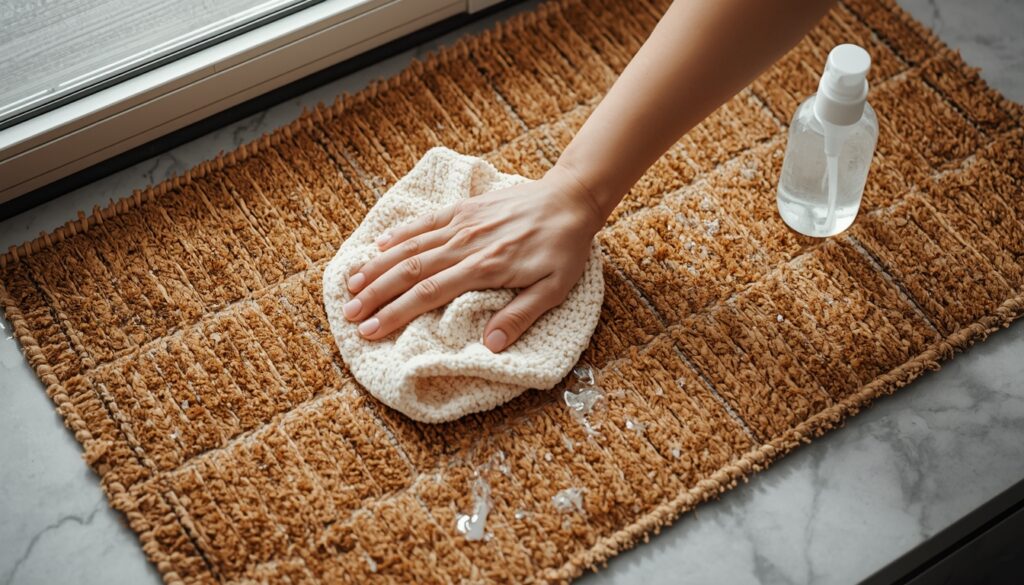
11. Texture & Surface Feel
The surface texture of a yoga mat plays a bigger role than most people realize — it directly affects comfort, grip, and overall practice experience. This mat features a subtly textured natural rubber surface that strikes a careful balance between traction and skin comfort. It provides enough grip to prevent slipping during dynamic movements, without ever feeling rough or abrasive against the skin, even during extended sessions.
Compared to completely smooth or ultra-glossy mats, this gentle surface texture enhances stability, particularly during standing poses, arm balances, and hand-balancing movements like Crow or Side Plank. At the same time, it remains soft enough for seated or floor-based poses, minimizing irritation on hands, feet, and elbows during longer holds — making it comfortable across both dynamic and restorative styles.
12. Aesthetic Design & Color Options
A yoga mat’s visual appeal can genuinely enhance the overall practice experience, and this mat delivers with a clean, minimalist design that suits a wide range of personal styles and studio settings. Its simple, understated look allows it to blend seamlessly into both home décor and professional studio environments without feeling distracting or out of place.
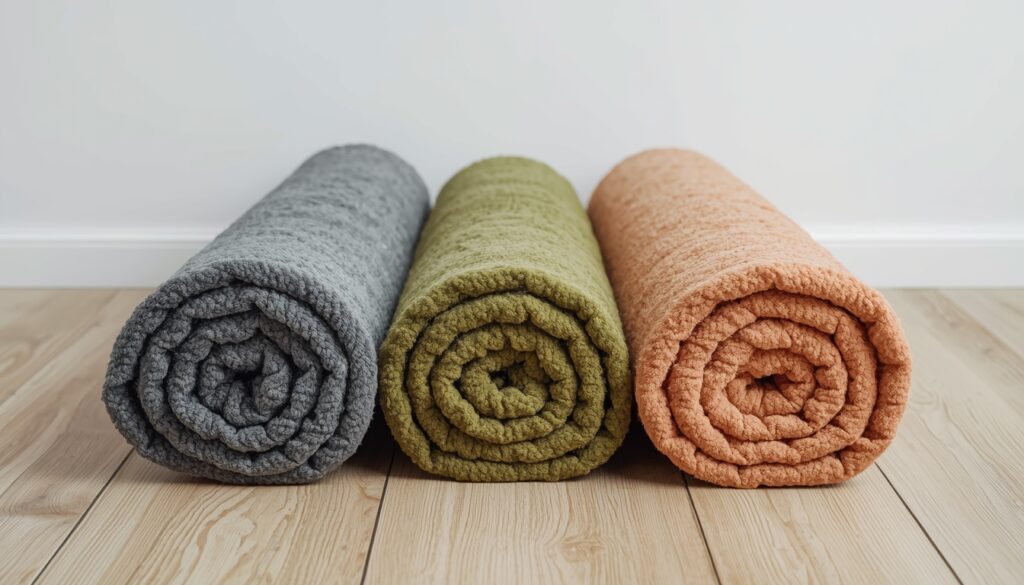
The mat is available in multiple color options, ranging from neutral earth tones to subtle, muted shades — giving users the freedom to choose a style that reflects their personal aesthetic. Unlike overly bright, busy, or heavily patterned mats, these understated tones maintain a sophisticated, timeless look that pairs well with a calm, mindful practice space.
FAQS: Avocado Yoga Mat in 2026
Is this yoga mat good for hot yoga?
Yes, it performs well in hot yoga by improving grip as moisture builds, helping maintain stability during sweaty sessions.
Does natural rubber provide better grip than foam mats?
Natural rubber generally offers stronger traction and better slip resistance compared to standard foam materials.
Is the rubber smell permanent?
No, the initial rubber odor fades within a few days when the mat is aired out properly.
Is this mat suitable for beginners?
Yes, its balance of cushioning, grip, and stability makes it suitable for both beginners and experienced practitioners.
How long does a high-quality natural rubber yoga mat last?
With proper care, it can last several years without losing grip, support, or comfort.
Conclusion
Choosing the right yoga mat comes down to balancing performance, comfort, and long-term value — and the best avocado yoga mat in 2026 delivers on all three. Strong grip, supportive cushioning, and durable natural rubber construction make it reliable across yoga styles, from hot yoga and power flows to slower, restorative sessions.
Add to that its non-toxic, sustainable materials, and it’s a solid pick for eco-conscious practitioners. If you need extra room to stretch out, check out our guide to the best extra-long yoga mats in 2026 as well.