Introduction
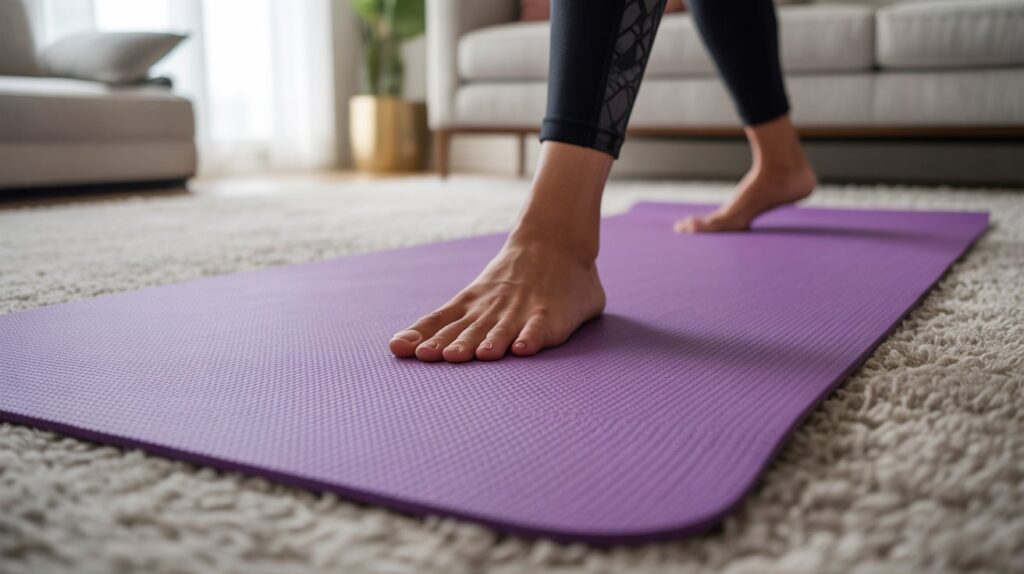
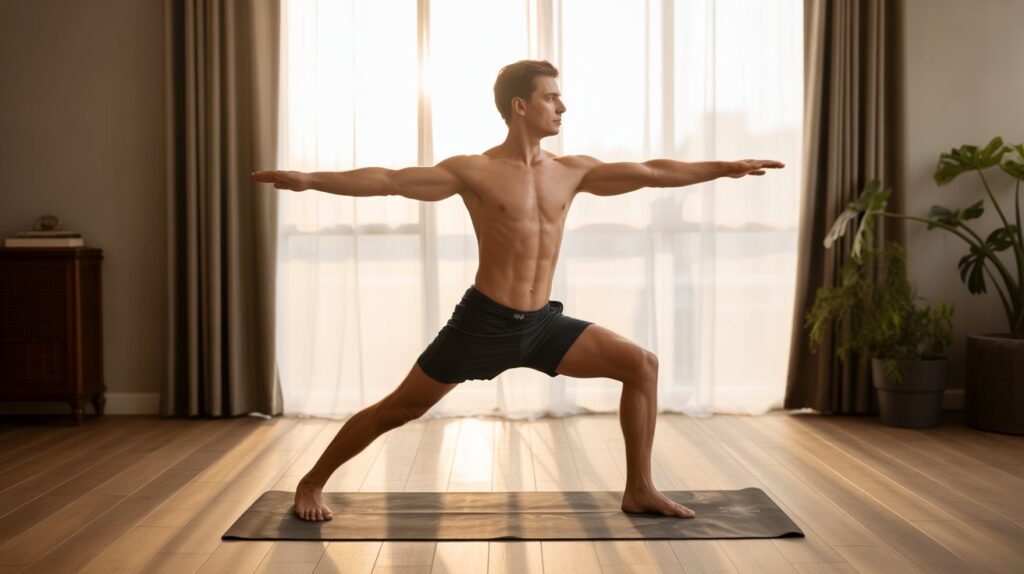
A purple yoga mat is more than just a stylish accessory — it plays an important role in comfort, stability, and overall performance during your practice. Whether you’re a beginner or an experienced yogi, choosing the best purple yoga mat can improve balance, protect your joints, and help you stay focused throughout every session.
Table of Contents
1. Material & Build Quality
Overall Durability
Build quality depends on material density, surface coating, and edge finishing. High-quality mats resist peeling, stretching, and surface breakdown over time. Reinforced layers and non-slip backing also contribute to longer-lasting performance — the same principle covered in our budget mat durability breakdown, where lower-density materials show wear much sooner than premium builds.
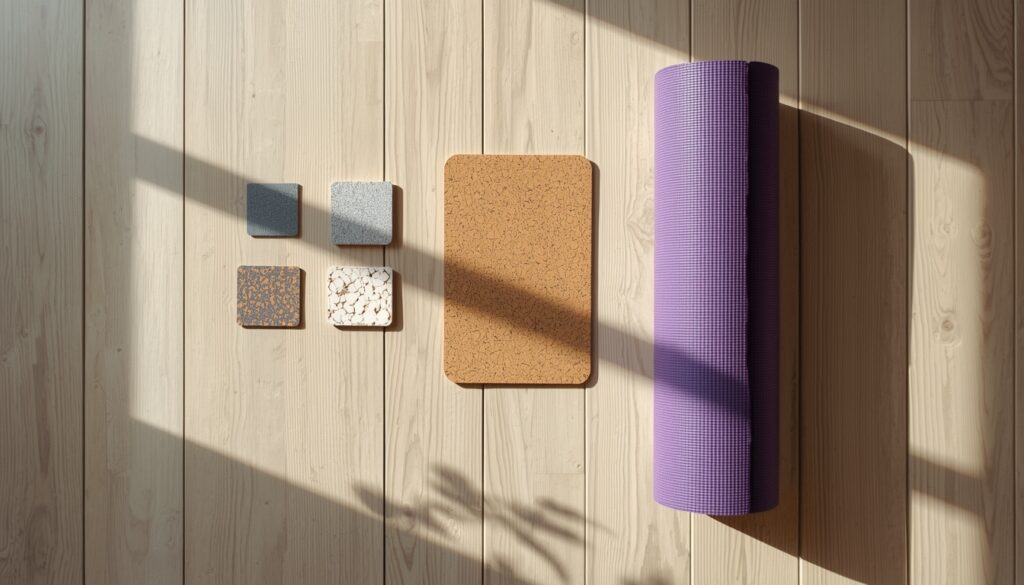
The material used in a yoga mat plays a major role in comfort, durability, and overall performance. Understanding the differences between common materials helps you choose a mat that matches your practice style and long-term needs.
PVC (Polyvinyl Chloride)
PVC mats are widely available and known for their durability. They offer a firm, stable surface with good grip and are easy to clean. These mats tend to last longer than most alternatives, making them suitable for daily practice. However, they are less eco-friendly compared to newer material options.
TPE (Thermoplastic Elastomer)
TPE mats are lightweight and flexible, making them ideal for users who need portability. They provide decent cushioning and a soft feel underfoot. While more environmentally friendly than PVC, TPE mats may wear out faster, especially with intense or frequent use.
Natural Rubber
Natural rubber mats deliver excellent grip and superior stability, even during sweaty sessions. They feel dense and supportive, offering great joint protection. These mats are typically heavier and may require more careful maintenance, but their performance and durability often justify the investment.
Cork Blends
Cork surface mats are gaining popularity for their natural, antimicrobial properties. They improve grip as moisture increases, making them a solid choice for hot yoga. Combined with a rubber base, cork mats balance durability, traction, and sustainability.
2. Grip & Slip Resistance
Grip and slip resistance are crucial features in any yoga mat, especially for those who practice dynamic flows or hot sessions. A mat with reliable traction keeps your hands and feet securely in place, reducing the risk of sliding and helping you maintain proper alignment throughout poses. Understanding how grip performs in both dry and sweaty conditions is key to choosing the right mat.
Dry Conditions
In everyday practice, a mat’s surface texture and material determine how well it grips bare skin. Smooth surfaces can feel comfortable but may lack traction, while textured or patterned surfaces offer better bite and stability. Some materials, like natural rubber, inherently provide strong grip even without moisture. For lighter practices such as yin or restorative yoga, moderate traction is usually sufficient and feels more gentle on the skin.Sweaty or Hot Yoga Sessions
When you begin to sweat, grip performance becomes even more important. Moisture can make some mats slippery, especially those made of smooth PVC or low-density materials. Mats that excel under sweaty conditions often feature textured surfaces or absorbent top layers that maintain traction as moisture increases. Cork-blend mats also become grippier when wet, making them a good choice for hot yoga or vigorous flows.Material Impact on Traction
The material of a mat directly affects its slip resistance. Natural rubber and high-quality TPE typically offer excellent traction, while some basic foam mats may lose grip with moisture. Surface patterns — such as ridges, diamond textures, or pebble finishes — enhance traction by increasing contact points between your skin and the mat.How to Test Grip
Before committing to a mat, try pressing your palm or foot onto the surface and gently pulling — if it resists movement, it will likely hold well during practice. Keep in mind personal preference matters: some practitioners like a slightly tacky feel, while others prefer a smoother surface that still resists slipping.
3. Thickness & Cushioning
Portability vs. Padding
Keep in mind that thicker mats tend to be heavier and bulkier to transport. If you travel often or attend frequent studio classes, you might prefer a slightly thinner mat that still offers sufficient comfort without being cumbersome.
Thickness and cushioning are essential factors that determine how comfortable a yoga mat feels under your body — especially for sensitive joints like knees, hips, and your spine. Considering these aspects helps you match a mat to your practice style and physical needs.
Standard Thickness Options
Most yoga mats fall into the 3mm to 5mm range. Mats around 3mm are ideal for strong, standing flows and those who prefer a firm connection to the floor. They are lightweight and portable but may feel thin during poses that place pressure on joints.
Extra Cushioning for Joint Support
If you practice slower styles, restorative sessions, or frequently experience discomfort in your knees or wrists, a thicker mat (5mm or more) can provide much-needed padding. According to Harvard Health Publishing, proper joint support during floor-based exercise plays a meaningful role in preventing strain, particularly for those with existing joint sensitivity. The additional cushioning helps absorb impact, reducing strain on vulnerable areas. Thicker mats also offer more support during seated poses and long holds.
Balance of Stability and Comfort
While extra thickness adds comfort, it can sometimes compromise stability in balancing postures. For practices that mix standing and balance-focused poses, a medium thickness (around 4mm) provides a good balance between cushioning and firmness.
Spine Support
Adequate cushioning under your spine is important for supine poses and transitions. Mats with high-density foam or layered construction distribute weight evenly across the surface, minimizing pressure points. This makes them ideal for sequences that include floor work or stretching.
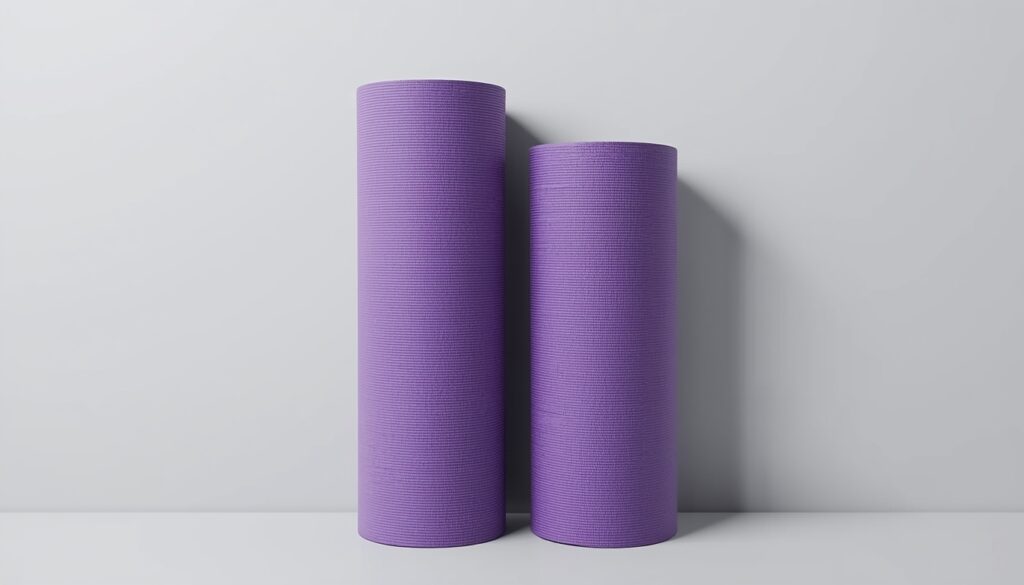
4. Size & Dimensions
Standard vs extra-long or wide options
Choosing the right mat size can improve comfort, movement freedom, and overall practice quality. Size affects how much space you have for full-body stretches, transitions, and balance—an important factor when comparing options from the Best Purple Yoga Mat in 2026: Top Picks for Grip, Comfort & Style.
Standard Size (Best for Most Users)
Most yoga mats measure around 68–72 inches (173–183 cm) long and 24–26 inches (61–66 cm) wide, which suits average-height practitioners and typical home or studio use . Standard mats are easy to store, lighter to carry, and fit well in crowded classes.
Extra-Long Options (Ideal for Taller Practitioners)
Extra-long mats range from 72–84 inches (183–213 cm) and provide additional length so taller users don’t have their head or feet hanging off the mat . These are especially helpful for extended poses, full-body stretches, and lying-down sequences.
Extra-Wide Options (More Space & Stability)
Wider mats typically measure 26–30+ inches (66–76+ cm) and offer more lateral space for side-to-side movements . They are great for users with broader shoulders, those practicing dynamic flows, or anyone who prefers a more spacious feel.
Who Should Choose Larger Sizes?
- Taller individuals needing full-body coverage
- Practitioners who want extra room for transitions
- Users practicing at home with more available floor space
- Those who feel restricted on standard-width mats
Portability vs Space Trade-Off
Larger mats provide more comfort and freedom, but they can be heavier and bulkier to transport. If you travel frequently or attend studio classes, a standard-size mat may be more practical, while home users may benefit from extra-long or wide options.
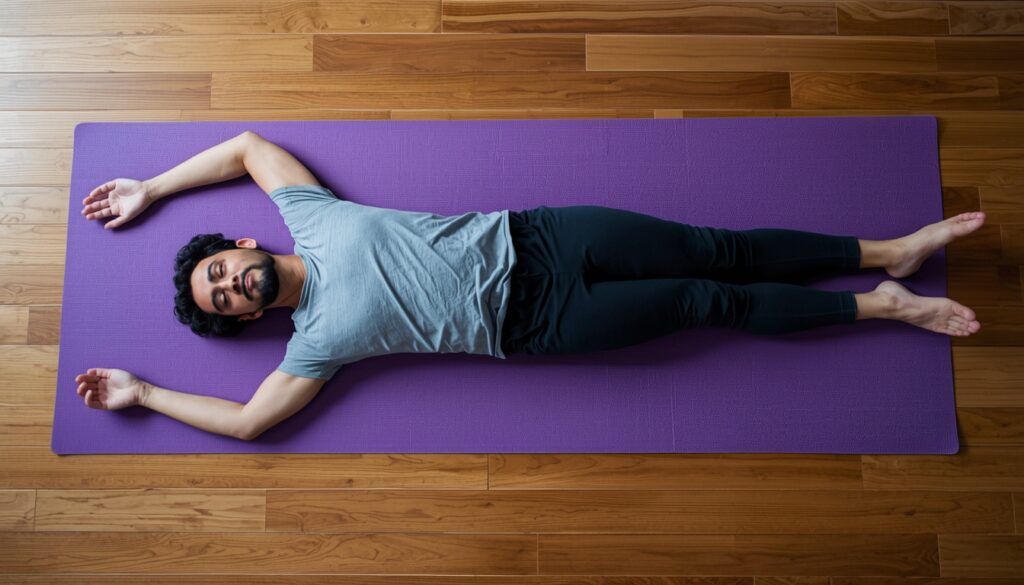
5. Weight & Portability
Lightweight travel mats vs studio-grade mats
Weight and portability are important considerations when selecting the right mat for your lifestyle and practice habits. Whether you commute to yoga classes or want something convenient for travel, understanding how weight influences usability helps you make a smart choice.
Lightweight Travel Mats
Travel mats are designed to be thin, light, and easy to carry — perfect for yogis on the go. Typically made from lighter materials like TPE or compact rubber blends, these mats can easily fold or roll into tight spaces inside a backpack or suitcase. The lighter weight makes them ideal for:
- Frequent travelers
- Commuters who walk or bike to class
- People who attend multiple classes per week
The main trade-off is that they usually offer less cushioning and stability compared to thicker, heavier mats. However, for many practitioners, the convenience outweighs this drawback — the same reasoning that makes lightweight flip flops popular for travel applies here too.
Studio-Grade Mats
Studio mats tend to be heavier and thicker, emphasizing durability and performance. They often provide:
- More cushioning for joints
- Better grip underfoot
- Increased stability during poses
These mats are well-suited for daily practice at home or in a studio where portability is less critical. While they may be bulkier to transport, the added comfort and robustness make them a favorite among dedicated practitioners and those engaging in challenging or hot yoga sessions.
Balancing Portability and Comfort
To choose between lightweight and studio-grade options, consider how you plan to use your mat:
- Travel and portability priority? A lighter mat is easier to carry and store.
- Daily or intense practice? A heavier, studio-grade mat offers better support and longevity.
- Mix of both? Moderate-weight mats strike a balance, providing reasonable comfort without excessive bulk.
6. Texture & Surface Feel
How Texture Influences Comfort
While strong textures improve grip, they may feel rough under the hands or knees for some users. Smooth and sticky surfaces tend to feel gentler, but may sacrifice traction under moisture. Choosing a texture often comes down to personal preference and practice style.
Smooth, sticky, or textured finishes
The surface texture of a yoga mat affects how it feels under your hands and feet, how well it grips, and how comfortable it is during different poses.
Smooth Surfaces
Mats with a smooth finish feel soft and gentle on the skin. They are often easier to clean and can be comfortable for slower practices like restorative or gentle yoga. However, smooth surfaces may offer less traction, especially when hands or feet get sweaty. For practitioners who prefer a sleek feel, these mats can be ideal as long as grip isn’t a top priority.
Sticky Finishes
Sticky mats offer a slightly tacky surface that “grips” the skin, helping you stay stable in standing and balance postures. These finishes are usually achieved with specific material formulations or coatings that increase adhesion. Sticky surfaces are especially beneficial for:
- Vinyasa or flow styles
- Beginners who need extra security
- Practitioners who prefer a stable, non-slippery feel
The tackiness helps reduce slippage without needing additional grip enhancements.
Textured Surfaces
Textured mats incorporate patterns, ridges, or embossed designs that create more contact points between your skin and the mat. This boosts traction, particularly in sweaty conditions or demanding flows. Textured finishes are great for:
- Hot yoga
- Sweaty workouts
- Dynamic transitions
- Practitioners who want extra grip beyond tackiness alone
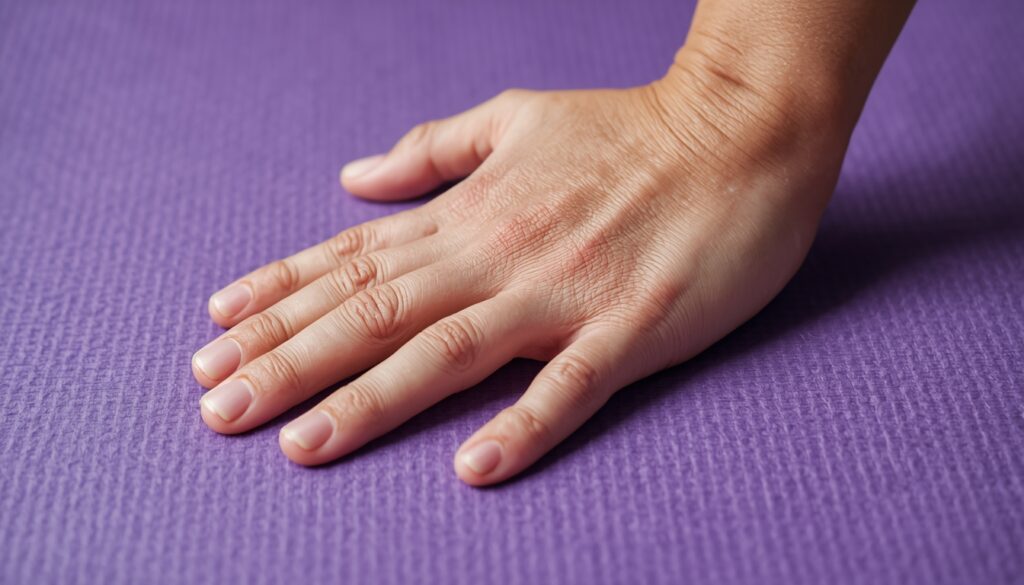
7. Color Shade & Aesthetic Appeal
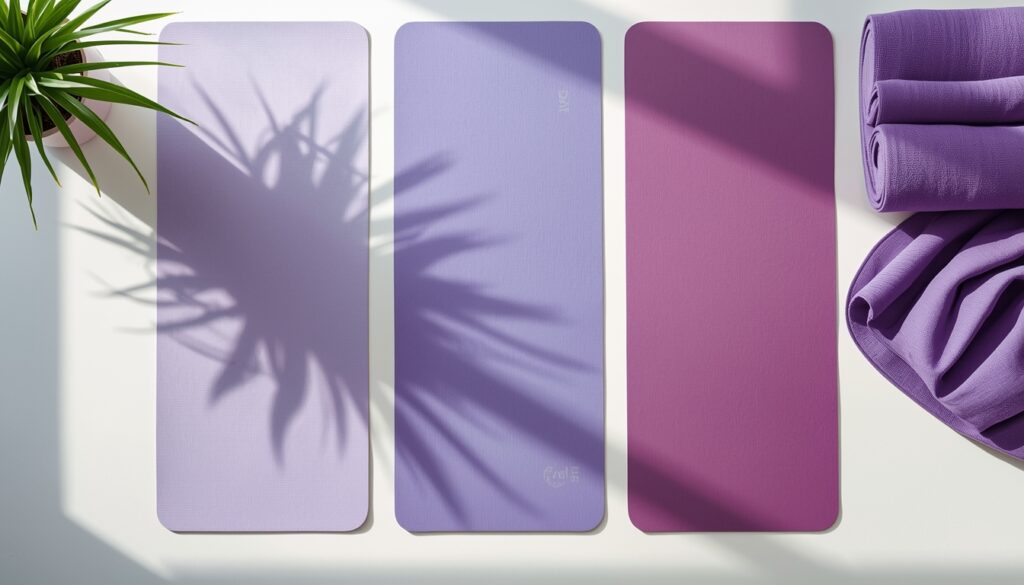
Light lavender, deep violet, matte vs glossy purple tones
While performance features like grip and cushioning are crucial, the visual appeal of your mat can also influence your overall experience and motivation to practice. Exploring color options—from soft lavender to rich violet, and finishes from matte to glossy—adds a personal touch when choosing from the Best Purple Yoga Mat in 2026: Top Picks for Grip, Comfort & Style.
Light Lavender Shades
Lighter purple tones, such as lavender or lilac, create a calm, soothing vibe. These shades are ideal if you:
- Practice slower styles like yin or restorative yoga
- Prefer a serene and gentle aesthetic
- Want a mat that brightens your space
Light colors can also make small spaces feel more open and airy.
Deep Violet Tones
Darker purples, like deep violet or plum, offer a richer and more dramatic look. These tones may appeal to those who:
- Like bold, statement colors
- Want a mat that hides wear and stains better
- Enjoy a more grounded, intense visual feel
Deep shades often pair well with minimalist or modern studio environments.
Matte vs Glossy Finishes
The finish of your mat affects how the color appears and feels:
- Matte finishes tend to appear more muted and elegant. They reduce glare and often pair nicely with subtle studio lighting.
- Glossy finishes can make colors pop and feel more vibrant, though they may reflect light more noticeably. Glossy surfaces also sometimes feel smoother underhand.
Aesthetic Impact on Practice
Your choice of color and finish can influence your mood and consistency. A mat you enjoy looking at and using daily can boost motivation and help make your yoga routine feel more personal.
Practical Considerations
Keep in mind that lighter shades may show dirt or wear more quickly, whereas darker tones often conceal imperfections. Regardless of aesthetic preference, balance looks with functional features to ensure both visual satisfaction and reliable performance.
8. Eco-Friendliness & Safety
Non-toxic materials, certifications, and skin-safe dyes
Choosing a mat that’s safe for your body and gentle on the environment is increasingly important. Many yogis now prioritize sustainable options that avoid harmful chemicals and use responsible manufacturing practices. These factors should be considered when reviewing selections from the Best Purple Yoga Mat in 2026: Top Picks for Grip, Comfort & Style.
Non-Toxic Materials
Mats made from natural or low-impact materials reduce exposure to potentially harmful substances. Common safer alternatives include:
- Natural rubber — biodegradable and free from PVC
- Cork — renewable and inherently antimicrobial
- TPE (Thermoplastic Elastomer) — often formulated without heavy metals or toxic plasticizers
Avoiding mats made with high levels of PVC or phthalates is beneficial, especially if you have sensitive skin or sweat a lot. Labels like “free from harmful chemicals” are a good sign that the manufacturer focused on user safety.
Certifications to Look For
Certifications can indicate that a mat has been independently tested for environmental and health standards. Some meaningful labels include:
- OEKO-TEX Standard 100 — verifies that textiles and foams don’t contain certain harmful chemicals
- REACH compliance — ensures chemicals are evaluated for human and environmental safety
- Eco-certifications — specific eco seals from recognized organizations
When a mat carries these certifications, it provides reassurance that production and materials meet higher safety and sustainability criteria.
Skin-Safe Dyes & Finishes
The dyes and surface finishes used to achieve vibrant purple tones should be non-toxic and free from irritants. Mats with low-impact or water-based dyes reduce the chance of allergic reactions or discomfort during practice. Especially for those with sensitive skin, choosing a mat with clear labeling about skin safety adds peace of mind.
Environmental Impact
Eco-friendly mats often use renewable or recyclable materials, reducing landfill waste and carbon footprint. Some brands also adopt sustainable packaging and manufacturing methods, which further supports environmental goals.
9. Odor Resistance & Easy Maintenance
Smell control, cleaning methods, and care tips
An often‑overlooked aspect of choosing a mat is how well it resists odors and how easy it is to keep clean. Regular maintenance not only extends the life of your mat but also keeps your practice hygienic and pleasant. These factors are especially useful to consider when evaluating options from the Best Purple Yoga Mat in 2026: Top Picks for Grip, Comfort & Style.
Odor Resistance
Some materials naturally resist odors better than others. Mats made from natural rubber or cork tend to have fewer lingering smells compared with basic PVC, which can emit a stronger scent—especially when new. High‑quality TPE also offers improved odor control thanks to cleaner manufacturing processes. If you’re sensitive to smells, look for mats specifically marketed as low‑odor or odor‑resistant.
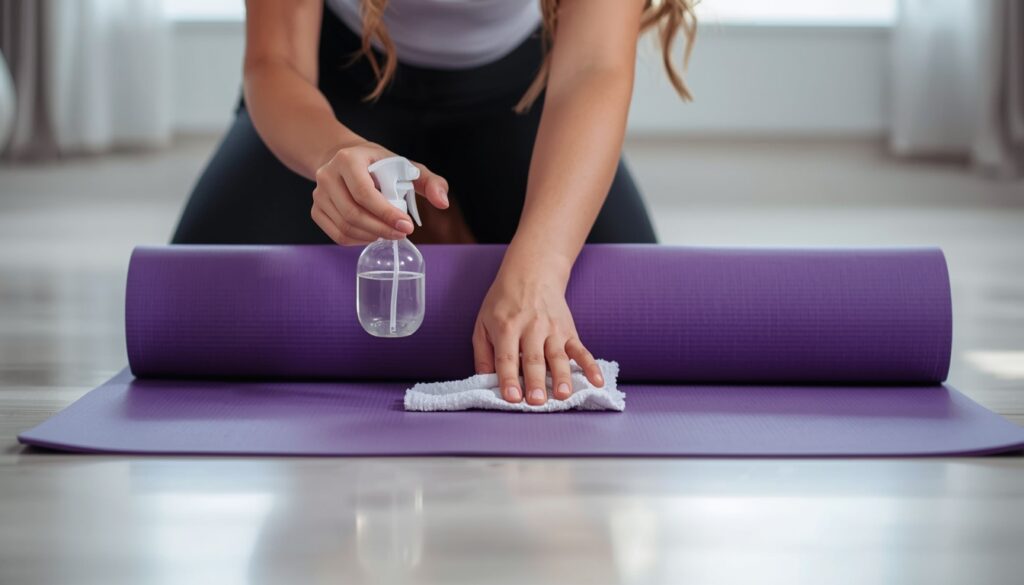
Daily Cleaning Tips
Keeping your mat fresh doesn’t have to be difficult. A simple routine can make a big difference:
- Wipe down with a damp cloth after every practice
- Use a gentle, unscented cleanser or diluted mild soap
- Avoid harsh chemicals that can degrade material or finish
Allow your mat to air dry completely before rolling it up. This prevents moisture from getting trapped and causing mildew.
Deep Cleaning Methods
For a deeper clean (weekly or bi‑weekly depending on usage):
- Mix warm water with mild soap in a spray bottle
- Lightly spray the surface — avoid soaking
- Wipe with a soft cloth
- Rinse by wiping again with a clean, damp cloth
- Hang or lay flat to dry
Steer clear of machine washing or submerging the mat in water unless the manufacturer explicitly states it’s safe.
Preventing Odors
Some additional tips to keep smells at bay:
- Let the mat air out before storing
- Store in a well‑ventilated area
- Use a mat towel during hot, sweaty practices
These habits reduce bacteria buildup, which is the main cause of persistent odors.
Material Matters
Mats with smooth, non‑porous surfaces are usually easier to clean, as dirt and sweat don’t penetrate the material as easily. Textured mats may need a bit more attention to reach all grooves.
10. Sweat Absorption & Moisture Control
Best options for hot yoga and intense workouts
During vigorous practice or hot yoga sessions, managing sweat and moisture can make a big difference in comfort and safety. Mats that handle moisture well help prevent slipping, maintain traction, and stay fresh longer. It’s important to understand how different surfaces perform in sweaty conditions.
How Moisture Affects Traction
Excess sweat can create a slick surface on some mats, reducing grip and increasing the risk of slipping. Mats with moisture-friendly surfaces either absorb sweat or help it evaporate quickly, keeping your hands and feet stable even during intense flows.Absorbent vs Non-Absorbent Surfaces
Absorbent surfaces, like cork or microfiber, take in a small amount of moisture and improve grip as they slightly soak up sweat. These surfaces feel natural underfoot and work well for hot yoga practitioners who need steady traction in humid conditions.
Non-absorbent but textured mats don’t soak up sweat but use raised patterns and grooves to channel moisture away from contact points. This allows your skin to maintain more friction against the mat, reducing slipping.
Best Materials for Moisture Control
- Cork — known for natural moisture management. It becomes grippier as it gets wet, making it a solid choice for hot yoga or sweaty workouts.
- Textured rubber or TPE — these surfaces rely on patterns to enhance grip even when moisture is present. High-quality formulations resist becoming slick under pressure.
Using a Mat Towel
For those who sweat heavily, incorporating a yoga towel can be very effective. Placing a towel over the mat helps absorb excess moisture and protects the mat’s surface. Towels designed specifically for practice often have non-slip backing to stay in place.Quick Drying Practices
After a sweaty session:
- Wipe the mat with a dry towel immediately
- Let it air dry before rolling up
- Store in a ventilated space
This prevents trapped moisture, which can lead to odors or material degradation — for a deeper clean beyond quick drying, check our DIY yoga mat cleaner guide for natural, chemical-free methods.
11. Durability & Longevity
Warranty & Brand Reliability
Some brands back their mats with a warranty or satisfaction guarantee, which can be a good indicator of expected longevity. Choosing reputable manufacturers often results in better quality and longer-lasting products.
Wear resistance, peeling, and long-term performance
Durability is a key factor when choosing a mat that will stand up to regular use without losing performance. A long-lasting mat not only offers better value but also maintains its grip, cushioning, and overall feel over time. Paying attention to build quality and durability helps ensure you pick a mat that will perform well for years.
Wear Resistance
Daily practice, especially in high-traffic areas like hands and feet, can cause surface wear over time. Mats with dense, high-quality materials tend to resist abrasion better. Natural rubber and premium TPE mats typically show slower surface breakdown compared to thinner, lower-density foam. A mat that retains its texture and thickness through frequent use delivers consistent performance.
Peeling and Edge Fraying
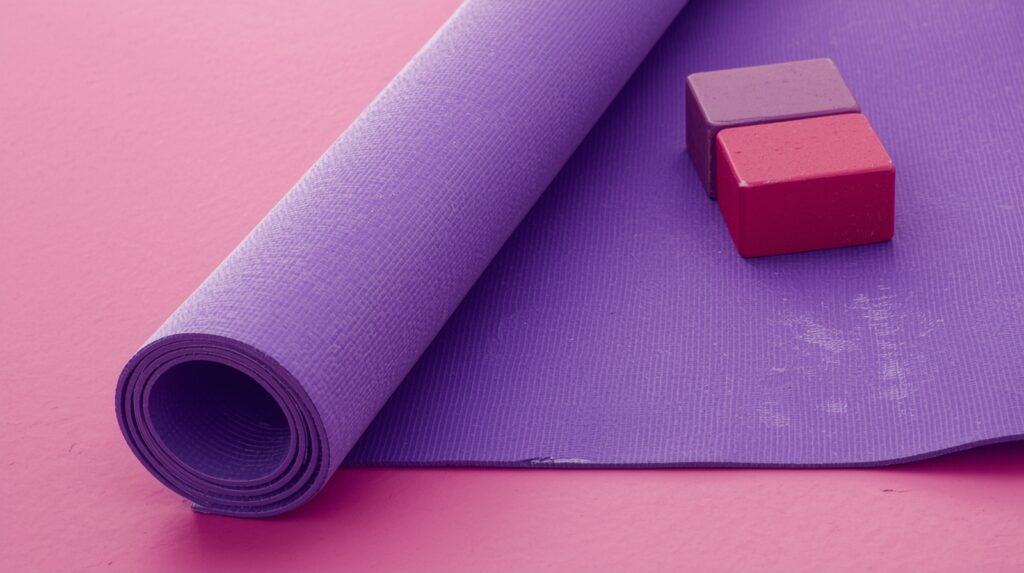
One common sign of a low-quality mat is peeling or fraying along the edges. This usually happens when layers separate or the surface starts to deteriorate. Look for mats with reinforced edges and solid lamination between layers to reduce the risk of peeling. A well-constructed mat should hold its shape and appearance even after months of regular practice.
Compression and Indentations
Over time, cushioning can become compressed in areas where you place weight frequently, such as under knees or feet. High-density mats tend to recover better from compression, maintaining cushioning and support longer. Mats that quickly show indentations may feel less supportive and flatter with repeated use.
Material Quality and Longevity
Materials impact not just immediate comfort but lifespan:
- Natural rubber is known for its resilience and ability to bounce back from compression.
- High-grade TPE offers a good balance of durability and light weight.
- Basic foam mats may be inexpensive but often wear out faster — the same durability gap discussed in our 5 Below yoga mat review, where budget foam construction shows wear much sooner than premium builds.
Care and Maintenance
Even a high-quality mat will last longer with proper care. Regular cleaning, avoiding prolonged exposure to direct sunlight, and storing it rolled loosely with the surface facing out all help extend life. These simple habits prevent material fatigue and preserve performance.
12. Price & Value for Money
Budget, mid‑range, and premium options
Price is an important consideration when choosing a yoga mat, but it’s equally important to understand value for money—how much performance, durability, and comfort you get for what you pay. Comparing cost across budget, mid‑range, and premium categories helps you find the right balance, especially when looking at the Best Purple Yoga Mat in 2026: Top Picks for Grip, Comfort & Style.
Budget Options
Budget mats are typically the most affordable and appeal to beginners or occasional practitioners. They often offer:
- Basic cushioning and grip
- Simple materials like standard foam or entry‑level TPE
- Light weight and easy portability
While these mats can be great for casual practice or trying out yoga without a big investment, they may wear out faster and provide less advanced features like strong moisture control or superior grip.
Mid‑Range Choices
Mid‑range mats strike a balance between affordability and performance. In this category, you’ll usually find:
- Better grip and traction
- Improved cushioning and support
- More durable materials like higher‑density TPE or natural rubber blends
These mats are ideal for regular practitioners who want good performance without spending a lot. They often deliver noticeable improvements in comfort and longevity compared with budget options.
Premium Picks
Premium mats sit at the higher end of the price spectrum and are designed for dedicated yogis or those with specific needs. Benefits often include:
- High‑end materials for excellent grip and durability
- Enhanced comfort and cushioning for joint support
- Eco‑friendly construction and advanced manufacturing
- Brand reputation and sometimes extended warranties
Premium mats typically offer the best long‑term value if you practice frequently or want features like superior moisture management and long‑lasting performance.
Assessing Value for Money
To determine whether a mat offers good value:
- Compare features vs. price—a slightly more expensive mat with superior grip and durability can save money over time by lasting longer.
- Think about how often you practice—frequent users benefit from investing in higher quality, while occasional practitioners may be fine with budget or mid‑range options.
- Consider long‑term comfort and safety—a more supportive mat can reduce joint strain and make practice more enjoyable.
FAQS: Purple Yoga Mat in 2026
What material is best for a yoga mat used in regular practice?
Natural rubber and high-quality TPE are popular choices because they offer strong grip, good durability, and reliable cushioning for frequent use.
Is a thicker yoga mat better for joint support?
Yes, thicker mats provide extra cushioning, which helps reduce pressure on knees, wrists, and the spine, especially during floor poses.
Are eco-friendly yoga mats safe for sensitive skin?
Eco-friendly mats made with non-toxic materials and skin-safe dyes are generally safer for sensitive skin and reduce exposure to harmful chemicals.
How do I stop my yoga mat from slipping during sweaty sessions?
Choosing a mat with strong grip or textured surfaces, and using a yoga towel, can significantly improve stability during intense or hot practices.
How long does a good quality yoga mat usually last?
With proper care and regular cleaning, a well-made mat can last anywhere from 1 to 5 years, depending on material quality and usage frequency.
Conclusion
Choosing the right yoga mat goes beyond color and appearance — it’s about finding the perfect balance between comfort, grip, durability, and practicality. From material and cushioning to size, texture, moisture control, and long-term performance, each factor plays a role in how supportive and enjoyable your practice feels over time. Paying attention to these details helps ensure a safer, more comfortable experience whether you practice occasionally or daily.
Once you’ve found the right mat, keeping it clean and well-maintained matters just as much — check out our DIY yoga mat cleaner guide for safe, natural ways to extend its life and performance.