Introduction
Looking for an honest review of the 5 Below yoga mat before you buy? This budget-friendly mat has become a popular pick among beginners and casual fitness enthusiasts who want a simple, no-fuss option without spending much. In this guide, we break down everything you need to know — from comfort and grip to durability and overall value — so you can decide whether it’s the right fit for your workout routine.
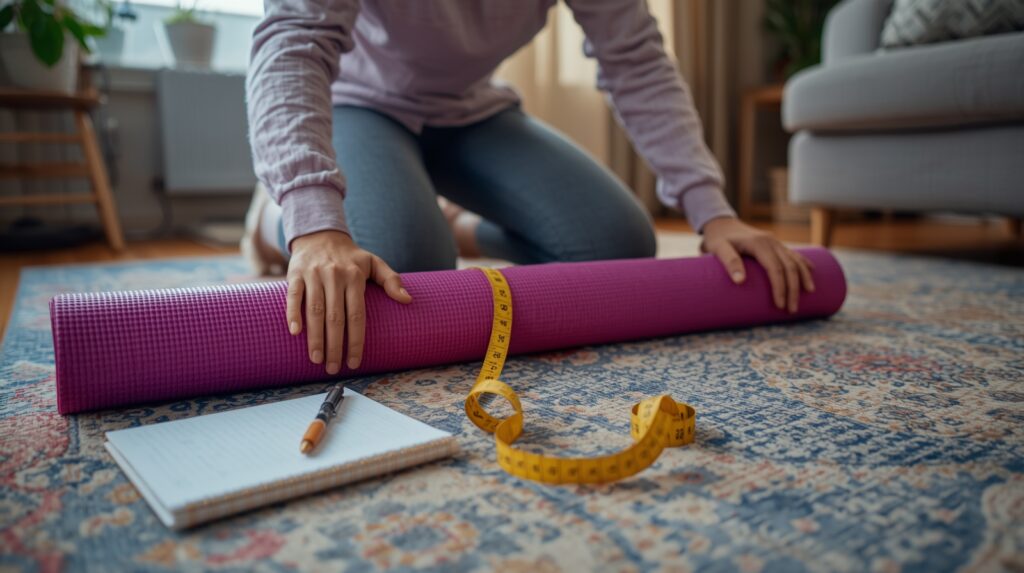
Table of Contents
1. Material Quality & Build
Most budget-friendly yoga mats from discount retailers are made using PVC or lightweight foam, and this option follows the same approach. The material is soft to the touch and flexible, making it comfortable for light stretching, beginner yoga, or casual home workouts. However, it is thinner and less dense compared to premium mats, which affects long-term durability.
In terms of build quality, the mat is machine-cut with simple edge finishing, so it rolls easily but may curl at the corners over time. With regular use, especially on rough or outdoor surfaces, signs of wear such as surface peeling or compression marks can appear sooner than expected. This is typical for mats designed at a low price point.
2. Thickness & Cushioning Level
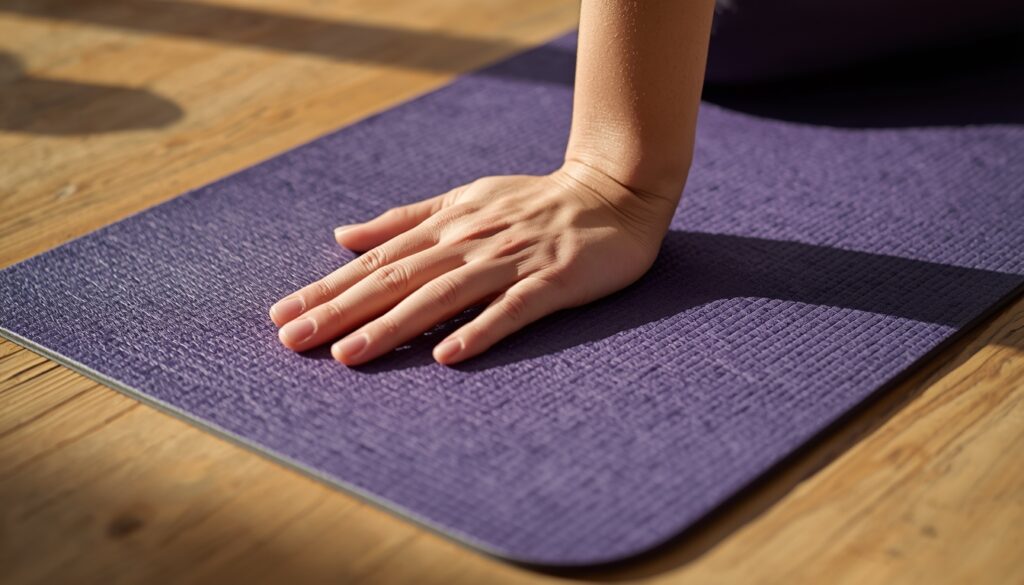
When evaluating how comfortable a mat feels underfoot, thickness and cushioning are key factors. This mat offers a standard thickness that’s slightly thinner than mid-range options, providing a basic layer of padding between you and the floor. For everyday stretches and gentle flows, this level of cushioning is usually sufficient.
However, if you’re concerned about joint comfort — especially in poses that put pressure on knees, hips, or elbows — the padding may feel a bit minimal. Thicker mats generally absorb more impact and help protect sensitive areas, which is something more advanced practitioners often prefer.
In terms of floor protection, this mat does a decent job on smooth, hard surfaces like wood or tile. It prevents direct contact with the floor and offers slight resistance to slipping. But for high-impact moves or standing balances, you might notice that it compresses more easily than thicker, premium mats.
3. Grip & Slip Resistance
While it does an adequate job for everyday practice, the grip isn’t ideal for vigorous flows or advanced balance poses where a firmer hold is important. Overall, the slip resistance here is modest — good for beginners and casual users, but possibly insufficient for practitioners who need strong traction under pressure.
Grip and slip resistance are essential features for any exercise mat because they influence stability during poses and transitions. On smooth surfaces like tile or hardwood, this mat provides a basic level of traction that’s acceptable for gentle stretching and slow-paced sessions. It helps prevent feet and hands from sliding under normal use, though it doesn’t match the high-performance grip of more expensive mats.
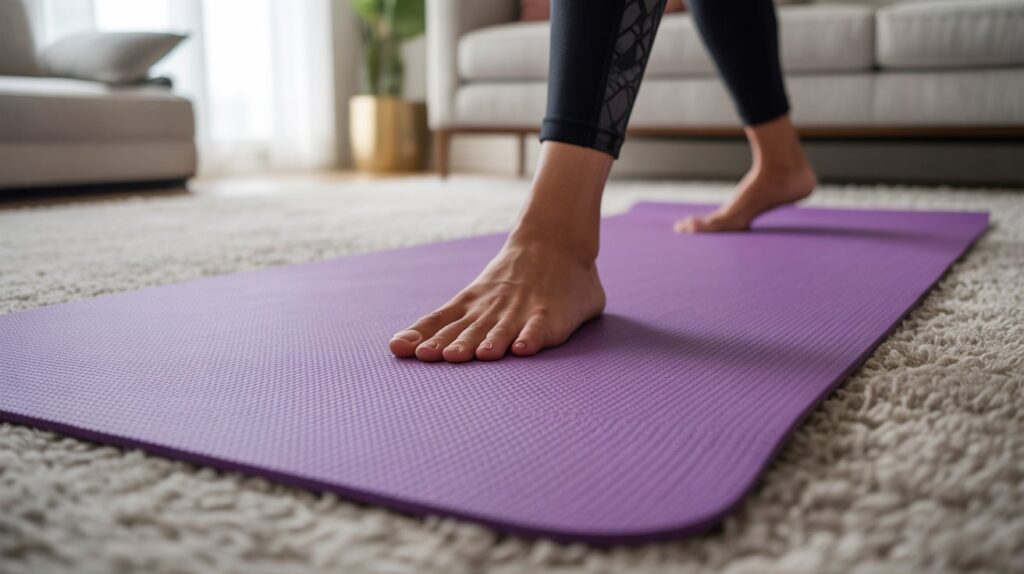
On carpeted floors, the mat stays reasonably secure, as the slight texture beneath helps anchor it in place. However, the top surface can still feel a bit slick, especially if your hands or feet get slightly sweaty. In that case, a light towel or grip spray may improve traction — the same trick that works well for grip issues with flip flops and sandals on wet or humid days.
4. Size & Dimensions
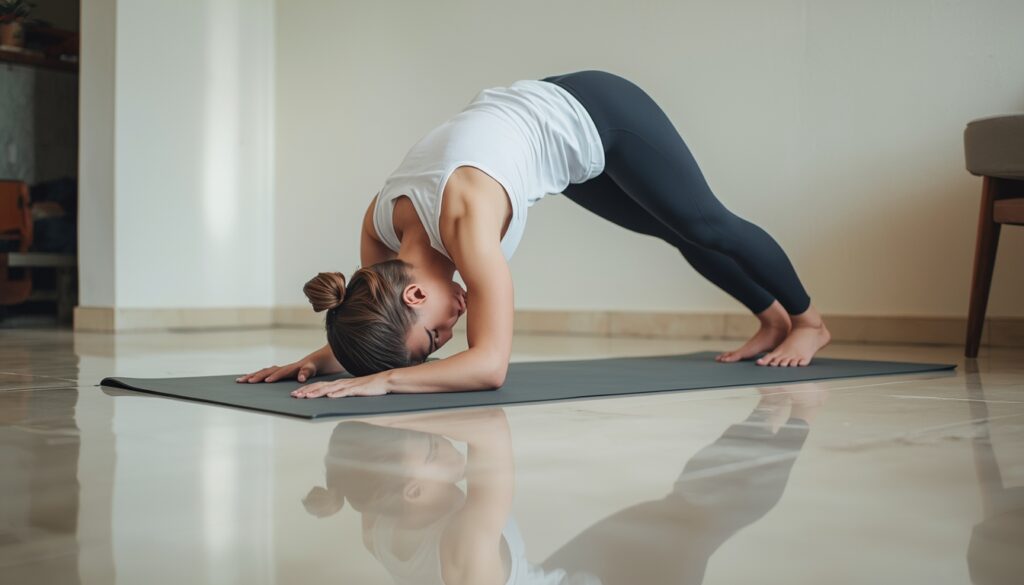
Size matters when choosing a yoga mat because it affects comfort and usability for different body types and practices. This mat typically comes in a standard dimension that fits most adults — long and wide enough for common yoga poses, stretching routines, and basic floor exercises.
For people of average height, the length provides adequate coverage from head to toe, allowing a full range of movement without stepping off the edge. Taller individuals might find the mat slightly short for certain stretches, but it still functions well for most positions.
The width is also fairly standard, giving enough space for foot placement during standing poses while maintaining a compact footprint that’s easy to store. If you’re someone who prefers extra room to move laterally or practice dynamic flows, a wider mat could feel more comfortable.
Overall, the dimensions here strike a balance between portability and practicality. While not oversized, the mat works well for the majority of users and exercise types. Just keep in mind that if you fall outside average height ranges or enjoy expansive movement styles, you might want to explore larger options.
5. Comfort for Different Yoga Styles
For light workouts like basic bodyweight exercises or mobility drills, users can expect reasonable comfort. The mat absorbs some impact and prevents direct contact with hard floors, though it’s not ideal for vigorous sessions or high-impact exercises where extra shock absorption is beneficial.
Comfort level varies depending on the type of activity you plan to do, and this mat performs differently across styles due to its simple design and basic cushioning.
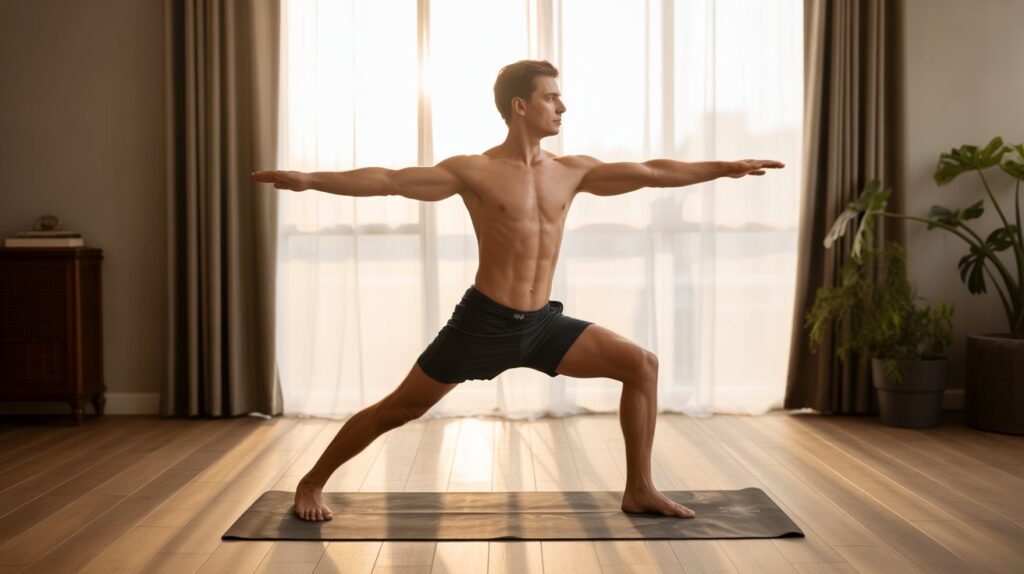
For stretching and gentle flow yoga, the mat offers sufficient padding and a comfortable surface. The slight cushioning helps support your joints during extended stretches and makes it easy to hold poses without feeling the hard floor beneath you. This makes it a solid choice for beginners or anyone doing light, elasticity-focused routines.
When it comes to beginner yoga classes, the mat does a reliable job. The surface feels pliable yet stable, which helps new practitioners focus on form rather than constantly adjusting their footing. Paired with a calm, slow-paced session, the comfort level is more than adequate.
In Pilates or core-strengthening workouts, which often involve lying and rolling on the mat, the padding provides enough support for short to moderate sessions. According to guidance from the Cleveland Clinic on core-strengthening exercises, proper support during floor-based core work plays a role in reducing strain on the lower back — something to keep in mind during longer, high-repetition sessions where thinner padding may feel less supportive.
6. Portability & Weight
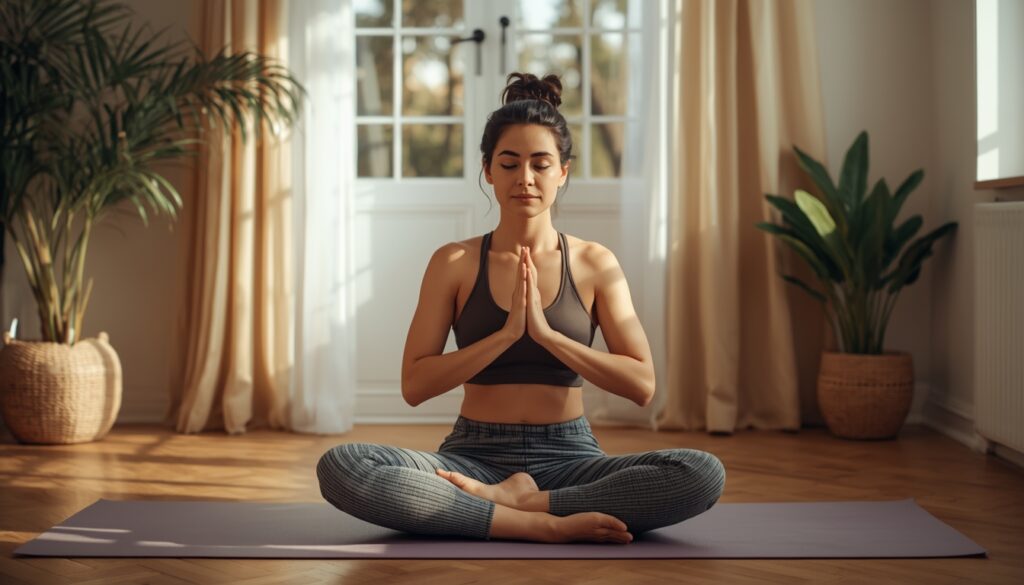
One of the standout features of this budget-friendly mat is its lightweight, portable design. Because the material is relatively thin and flexible, it’s easy to roll up tightly and carry without feeling bulky or heavy. This makes it a good option for users who like to take their mat to yoga classes, travel, or store easily at home.
The mat’s weight is minimal, so even carrying it in a backpack or gym bag won’t add much extra load. Rolling and unrolling is straightforward — there’s no stiffness that often comes with thicker or denser mats. When you’re done with your session, it stows away neatly in a closet, under a bed, or even hung on a hook.
Portability stands out as a definite plus for people who value convenience over heavy-duty performance. If you prioritize a mat you can grab and go without hassle, this one delivers. Just keep in mind that lighter weight also means less material overall, which ties back into the durability and cushioning discussed earlier.
7. Design, Color & Visual Appeal
Design appeal comes up as an unexpected bonus given the price point. The mat doesn’t feel cheap visually, and many buyers appreciate the simple aesthetics that make it look more upscale than its cost would suggest.
When it comes to looks, this mat delivers more than just basic functionality. It’s available in a variety of colors and simple patterns, so users can choose one that fits their personal style or workout space. While the options aren’t as extensive as higher-end brands that offer custom prints or artistic designs, there’s enough variety to satisfy most preferences.
The visual quality of the surface is clean and consistent, without distracting textures or mismatched coloring. For everyday use, this helps create a pleasant, inviting workout environment — especially if you’re doing yoga at home or in shared spaces like a dorm or studio. Some users find that picking a favorite color increases their motivation to unroll the mat and get moving.
8. Odor Resistance & Maintenance
Unpacking a new exercise mat sometimes comes with an initial smell, and this one is no exception. Right out of the packaging, you may notice a slight odor, especially if the mat has been tightly rolled. Thankfully, this smell isn’t overpowering and tends to fade within a few hours of air exposure. Leaving it unrolled in a ventilated space overnight usually helps speed up the process.
In terms of odor resistance during use, the surface doesn’t trap smells easily if you practice light sessions. However, with frequent use — especially if you sweat heavily — the mat can start to retain a faint scent over time. Regular surface cleaning helps a lot in minimizing this.
Maintenance for this mat is simple and low-effort. A basic cleaning routine involves wiping it down with a mild soap and water solution after workouts, then letting it air dry before rolling it back up. For a deeper clean, check out our DIY yoga mat cleaner guide for safe, chemical-free methods. Avoid harsh chemicals or abrasive scrubbing, as those can damage the material and reduce lifespan.
9. Durability & Longevity
To maximize the lifespan of any budget-friendly mat, proper care is crucial. Regular cleaning, avoiding sharp objects, and storing it flat or loosely rolled in a dry place all help delay premature wear.
Durability is a key factor when evaluating any exercise mat, especially for those who plan to use it frequently. This mat is built with basic materials and construction, which means it performs adequately under light to moderate use but shows signs of wear sooner than more robust alternatives.
With regular use — several times a week — the surface may begin to show compression marks, particularly in areas where pressure is concentrated, such as under the knees, hands, or feet. Over time, you might also notice the edges curling slightly or minor surface peeling if the mat is used on rough surfaces without a protective layer underneath.
This mat’s longevity aligns with its value-oriented design. It’s not engineered for heavy daily workouts or high-impact routines, so durability expectations should be adjusted accordingly. For casual stretching sessions and beginner-level yoga, it holds up reasonably well. But if you’re engaging in more demanding practices or using the mat outdoors, the lifespan could be shorter.
10. Eco‑Friendliness & Safety
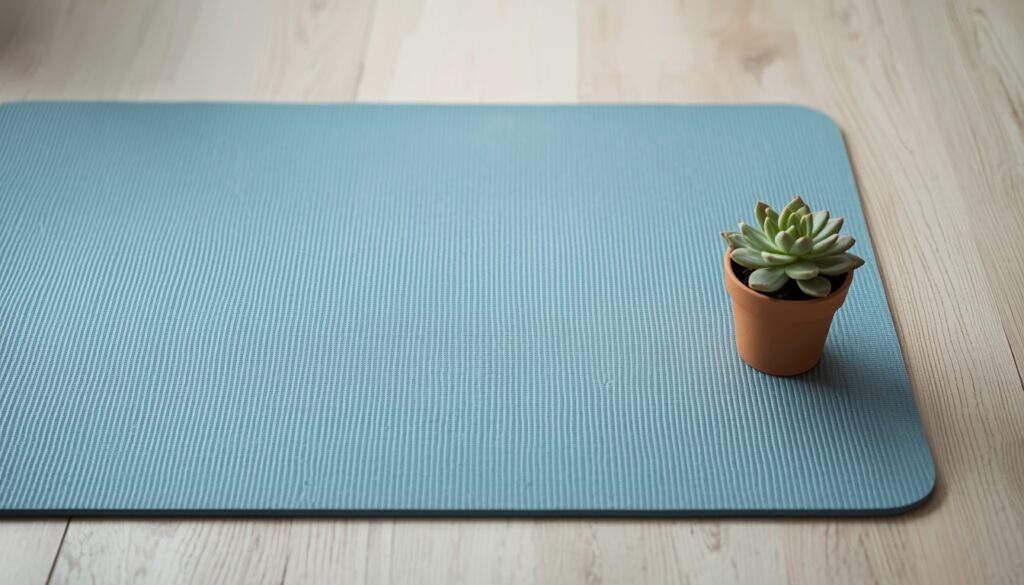
When considering any yoga or exercise mat, it’s important to look at both environmental impact and user safety. This particular mat is made from basic synthetic materials, which are common in budget‑friendly options. While it does not boast eco‑certifications or recycled content like some higher‑end mats, the material is generally non‑toxic and safe for skin contact during normal use.
Out of the box, the surface feels smooth and doesn’t irritate skin for most people during stretching, gentle flows, or light workouts. There are no strong chemical odors once the initial packaging smell dissipates, which is a good sign in terms of basic safety. However, if you have very sensitive skin or chemical sensitivities, you may prefer mats specifically labeled as eco‑friendly, natural rubber, or made from biodegradable materials.
As mentioned in Is the 5 Below Yoga Mat Any Good? Full Buyer’s Guide & Review, eco‑friendliness is not a standout feature here; this mat prioritizes affordability over environmental design. That said, for everyday users who want a safe surface for casual practice without worrying about toxic off‑gassing, it performs adequately.
11. Performance on Hard Floors
How a mat performs on hard surfaces like concrete or tile can make a big difference in comfort and stability during your practice. On firm floors, this option provides basic but functional support that helps soften the impact of poses and movements without feeling overly stiff.
When placed on concrete, the mat’s cushioning helps reduce pressure on joints, especially in kneeling or seated positions. It won’t offer the deep shock absorption found in thicker mats designed specifically for high‑impact workouts, but it does improve comfort compared to practicing directly on the floor.
On smooth tile surfaces, the mat stays in place reasonably well. The bottom surface grips just enough to prevent sliding during gentle flows and stretching sessions. However, if you’re doing more dynamic movement or balance‑focused poses, the mat’s slight slip potential means you might feel the need to reset or reposition occasionally.
As noted in Is the 5 Below Yoga Mat Any Good? Full Buyer’s Guide & Review, this mat is suitable for everyday use on common hard surfaces, but it’s best suited for light practices rather than intense sessions where extra traction and thick cushioning are critical.
12.Price & Value for Money
Price is where this mat truly stands out. Positioned at a very low cost compared to most yoga and exercise mats on the market, it offers an accessible entry point for beginners, students, or anyone who wants a simple mat without a large upfront investment.
For the price, you get a functional exercise surface that covers the basics: light cushioning, usable grip, decent size, and easy portability. It’s not packed with premium features like advanced textures, extra thickness, or eco-certified materials, but that’s expected at this price level. Instead, the value lies in affordability and convenience rather than long-term performance.
As discussed in Is the 5 Below Yoga Mat Any Good? Full Buyer’s Guide & Review, this mat delivers solid value if your expectations match its cost. It’s well-suited for casual use, short sessions, or as a backup mat for travel or occasional workouts. For users who practice daily or want higher durability and support, investing more upfront may provide better long-term value.
FAQs
Is this yoga mat good for beginners?
Yes, it works well for beginners who need a simple, lightweight mat for basic poses and stretching.
Can this mat be used on hard floors?
It performs adequately on tile or concrete, offering basic cushioning and stability for low-impact workouts.
Does the mat have good grip during yoga?
The grip is suitable for gentle movements, but it may feel slippery during intense or sweat-heavy sessions.
Is the mat easy to clean and maintain?
Yes, it can be easily wiped down with mild soap and water and air-dried after use.
How long does this yoga mat last with regular use?
With light to moderate use, it holds up reasonably well, though heavy or daily use may reduce its lifespan.
Conclusion
After reviewing all key factors, this yoga mat proves to be a practical option for users who value affordability and simplicity. It delivers acceptable comfort, basic grip, and easy portability, making it suitable for beginners, students, or anyone looking for a no-frills mat for light stretching and low-impact workouts.
While it doesn’t offer premium durability, advanced traction, or eco-focused materials, it performs well within its price range. The mat is best viewed as an entry-level or short-term solution rather than a long-term investment for intense or daily practice.
Overall, this mat is ideal if your expectations are aligned with its budget-friendly design. For casual home use, travel, or trying yoga for the first time, it offers solid value. However, more experienced practitioners or those needing extra support and longevity may benefit from upgrading to a higher-quality option — our guide on yoga mats for tall people is a good next read if size and support are priorities for you.