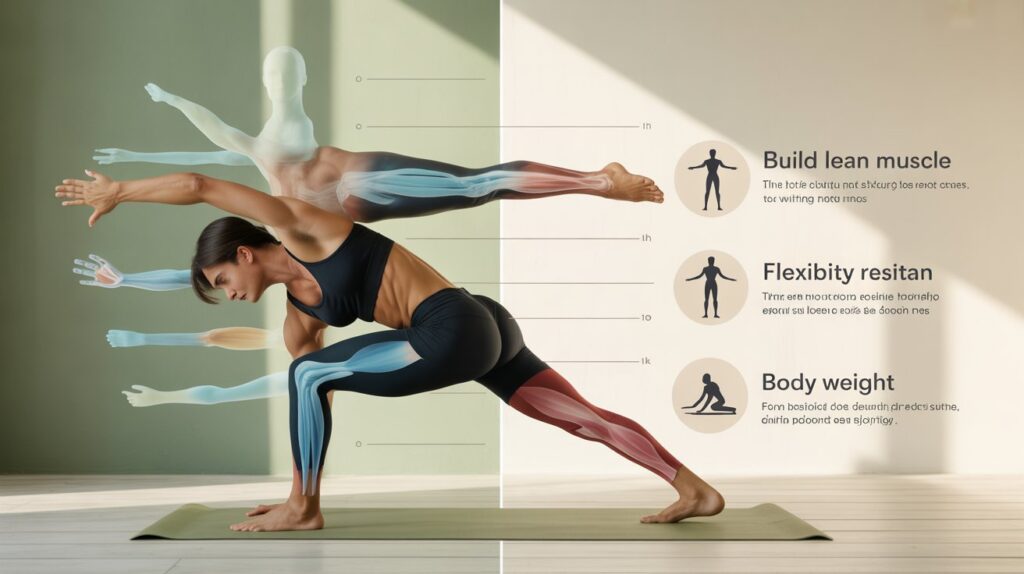
Nike Yoga Mat Review: Performance, Quality & Real-World Use Explained.
Introduction
Finding the right nike yoga mat can make a noticeable difference in comfort, stability, and overall workout experience. With Nike being a globally trusted athletic brand, many people expect its yoga mats to deliver the same performance-driven quality found in its footwear and apparel.
Table of Contents
1. Overview of Nike Yoga Mats
Nike positions its yoga mats as performance-focused accessories designed for people who want reliable support during workouts. Backed by a globally trusted sports brand, these mats emphasize functionality, durability, and modern design rather than luxury or niche yoga aesthetics.
Target users typically include:
- Beginners looking for a dependable, easy-to-use mat
- Fitness enthusiasts who combine yoga with gym training or stretching
- Home workout users who want a well-known, trusted brand
Instead of catering only to advanced yogis, Nike aims to serve a broad fitness audience, making its mats suitable for yoga, pilates, mobility work, and general floor exercises.
In terms of general quality, Nike mats are known for:
- Solid construction with consistent foam density
- Good balance between cushioning and stability
- Clean, minimalist designs with subtle branding
2. Material & Construction Quality
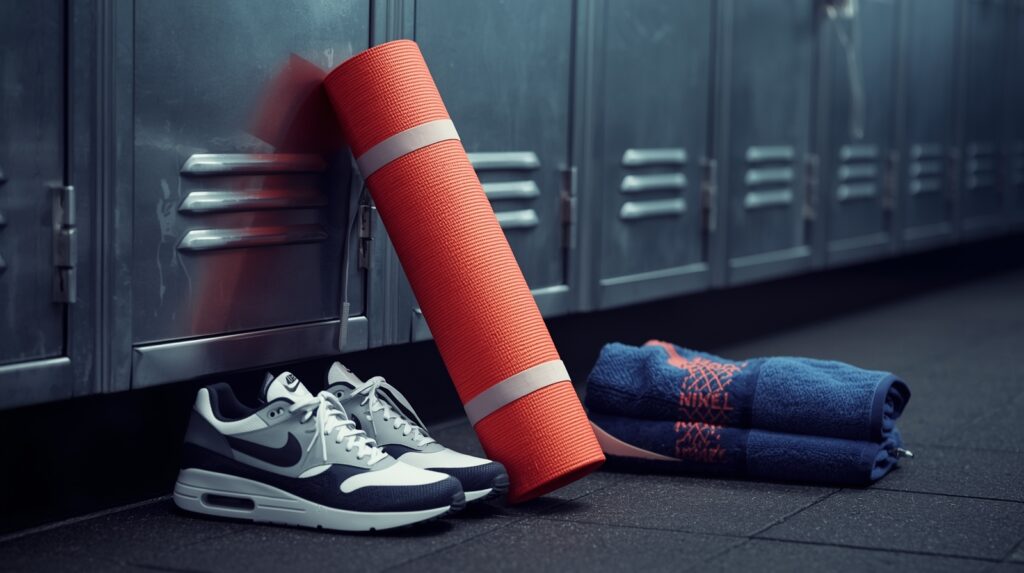
Nike yoga mats are typically made from high-density foam materials, most commonly PVC or PVC-free synthetic blends, depending on the model. These materials are chosen to provide a balance between comfort, grip, and long-term durability during regular practice.
Foam density is one of the key strengths. The mats are firm enough to prevent excessive sinking during standing poses, yet soft enough to absorb pressure on joints during floor work. This medium-to-high density construction helps maintain stability while reducing strain on knees, wrists, and elbows.
From a build quality standpoint, Nike mats are designed for everyday use:
- Even foam distribution to avoid weak or thin spots
- Smoothly finished edges that resist curling
- Tear-resistant surfaces suitable for repeated rolling and unrolling
3. Thickness & Cushioning Level
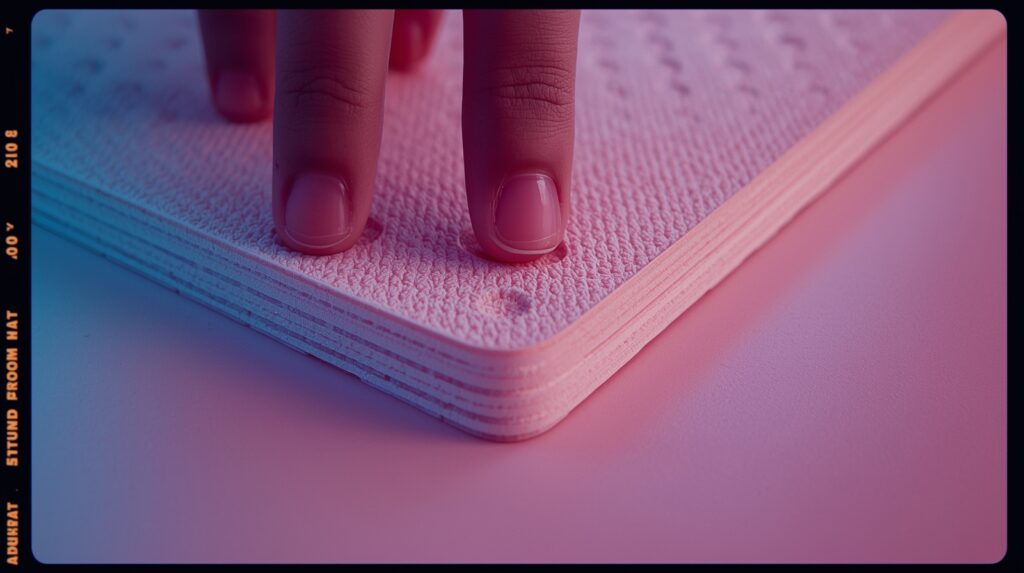
Nike yoga mats are designed to offer a balanced thickness that supports both comfort and stability. Most models fall within a mid-range thickness, making them suitable for users who want joint protection without feeling unstable during standing poses.
When it comes to joint comfort, the cushioning helps reduce pressure on sensitive areas such as:
- Knees during lunges and tabletop poses
- Wrists during planks and arm balances
- Hips and tailbone during seated or lying positions
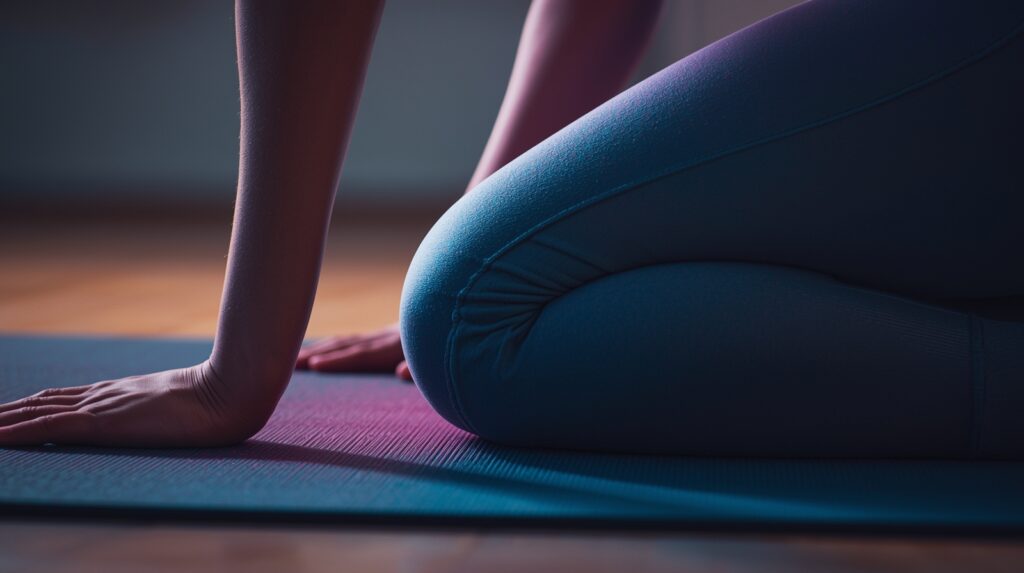
The foam compresses evenly under body weight, which helps support the spine’s natural alignment during floor-based stretches and relaxation poses. This controlled cushioning prevents the body from sinking too deeply, allowing better posture and balance.
4. Grip & Traction Performance
Grip is a key factor in maintaining balance and control, and Nike yoga mats are built to provide reliable traction during movement. The surface texture is designed to keep hands and feet in place, helping reduce slipping during standing poses, transitions, and floor work.
In dry conditions, the grip feels secure and consistent. The mat offers enough surface resistance to support balance-focused poses without feeling overly sticky or restrictive. This makes it comfortable for slower flows, stretching, and strength-based movements.
In sweaty conditions, performance remains stable for light to moderate perspiration. The textured surface helps limit sliding by creating friction, especially during dynamic flows. However, during intense sessions with heavy sweat, grip may slightly decrease, and using a towel can improve control.

5. Surface Texture & Feel
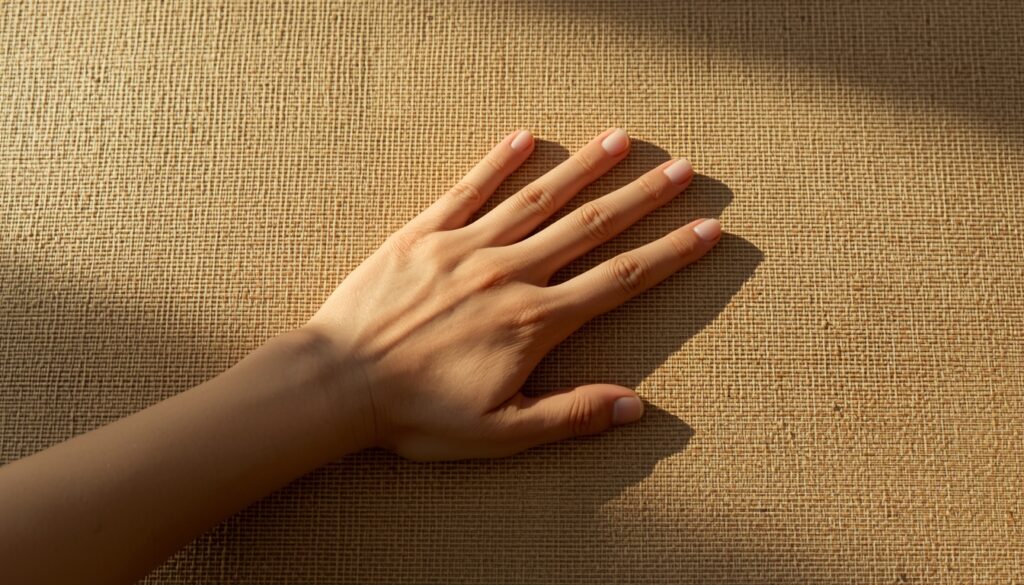
Nike yoga mats typically feature a subtle textured surface designed to balance comfort and control. Rather than an aggressive grip pattern, the texture is refined and even, allowing smooth transitions between poses without causing irritation to the skin.
The feel under hands and feet is firm yet comfortable. The surface is not overly sticky, which many users prefer for flowing movements and repeated repositioning. This makes it suitable for both slow, controlled poses and more dynamic sequences.
Compared to completely smooth mats, the light texture provides:
- Better traction during weight-bearing poses
- Reduced slipping without restricting movement
- A more natural contact with the mat surface
6. Durability & Long-Term Use
Nike yoga mats are built with regular, repeated use in mind, focusing on durability rather than short-term comfort alone. The foam construction resists early breakdown, helping the mat maintain its shape and performance over time.
In terms of wear resistance, the surface holds up well against common movements such as planks, lunges, and seated transitions. The material is less prone to peeling or surface cracking when used on smooth indoor floors, making it suitable for consistent home or studio practice.
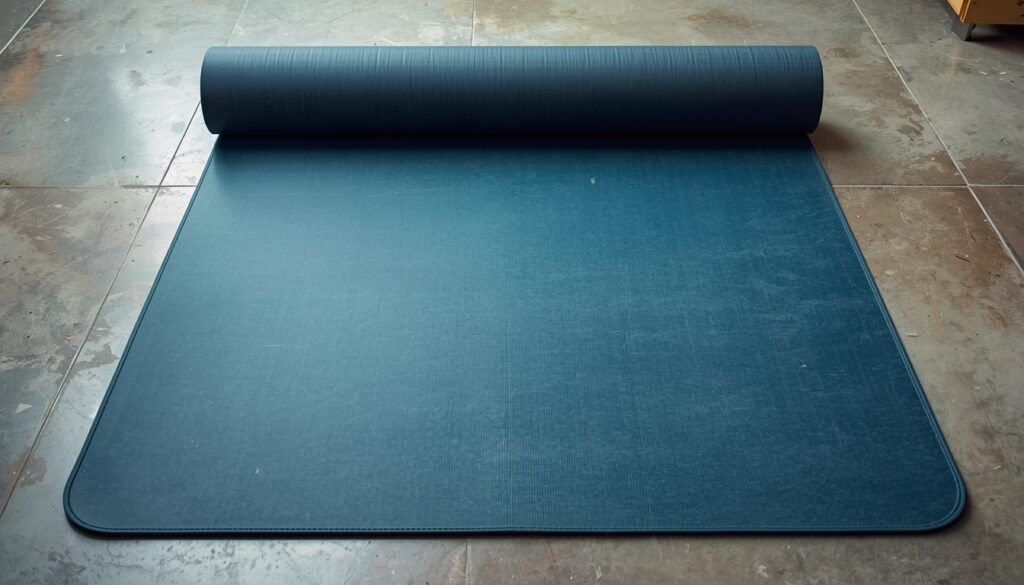
Edge fraying is generally minimal thanks to cleanly finished borders. The edges are designed to stay flat and resist curling, even after frequent rolling and unrolling. This helps extend the mat’s usable lifespan and keeps it looking neat.
7. Weight & Portability
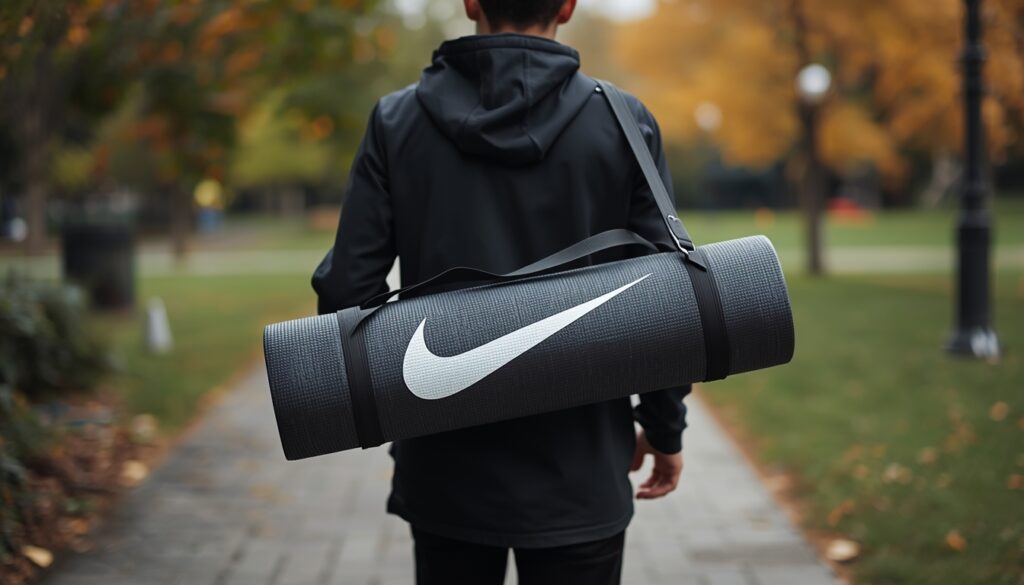
Nike yoga mats are designed with practical portability in mind, making them easy to carry between home, studio, or gym sessions. Most models strike a balance between being lightweight enough for transport while still offering sufficient thickness and support.
The manageable weight allows users to roll the mat tightly without it feeling bulky. This makes it convenient to carry by hand, strap, or gym bag, especially for short commutes or daily workouts.
For studio and gym use, portability is a strong advantage. The mat can be quickly rolled and stored in lockers or carried alongside other fitness gear without adding unnecessary load. While not ultra-thin travel mats, they are still suitable for casual travel or short trips where comfort is a priority.
8. Size & Dimension Options
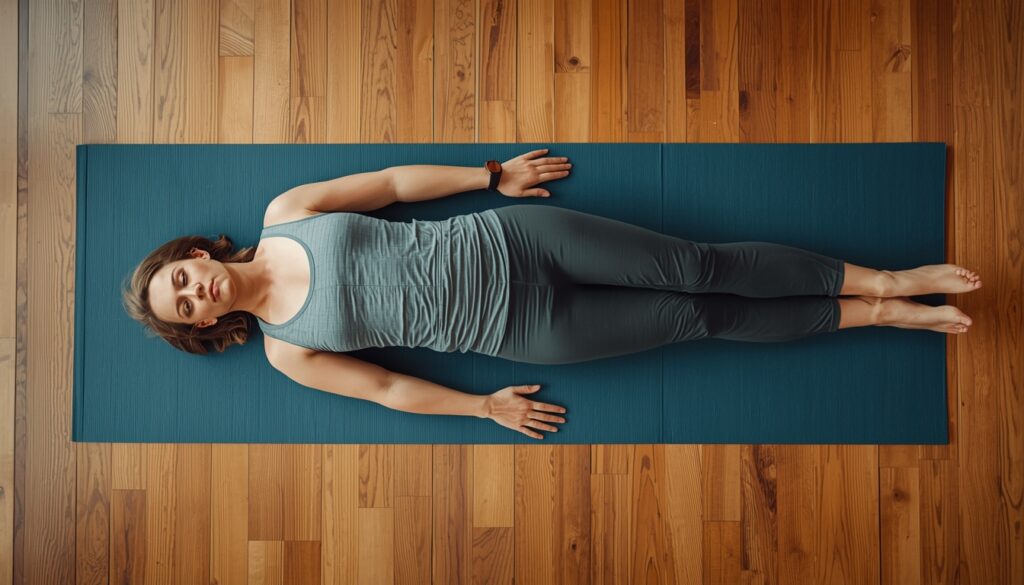
Nike yoga mats are generally offered in standard size ranges designed to suit most users comfortably. The length typically provides enough space for full-body stretches, while the width supports natural hand and foot placement during standing and floor poses.
For average-height users, the dimensions allow comfortable movement without stepping off the mat during transitions. Taller individuals may find the length adequate for most practices, though extended poses like full-body stretches may require mindful positioning.
In terms of width, the mat offers a stable base that supports shoulder-width stances and balanced poses without feeling restrictive. This makes it suitable for users with broader frames as well as those who prefer extra space for movement.
9. Sweat Absorption & Moisture Resistance
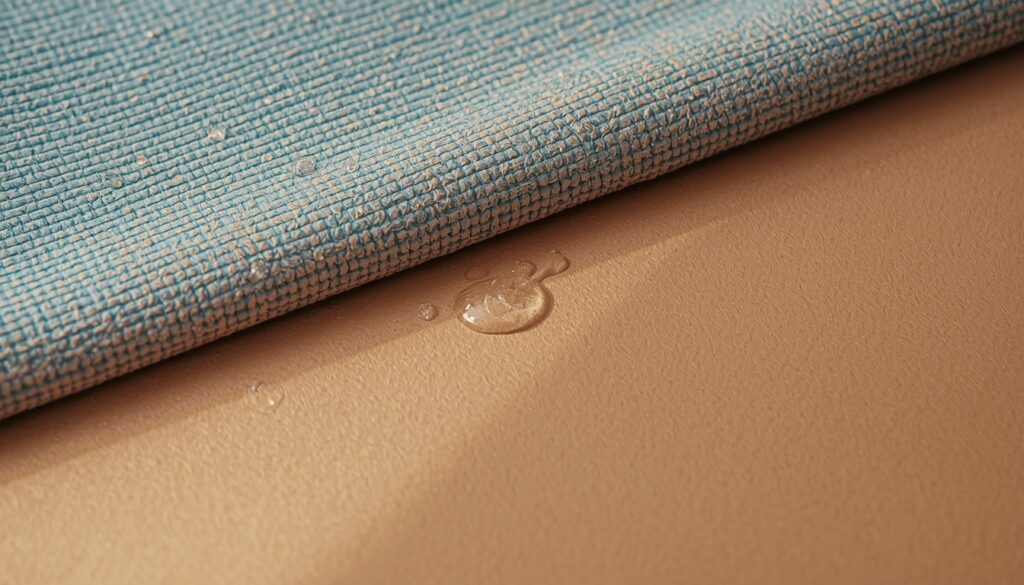
Nike yoga mats are designed to handle moderate moisture from sweat, helping maintain a stable surface during practice. The material does not excessively absorb liquid, which reduces the risk of slippery spots and makes cleanup easier after a sweaty session.
In terms of odor control, the synthetic foam used in most mats resists retaining unpleasant smells, even with repeated use. While some odor may be present initially, regular airing and occasional wiping with a damp cloth usually prevent long-term issues.
The moisture-resistant surface also helps protect the mat from damage caused by prolonged exposure to sweat or minor spills. For high-intensity or hot yoga sessions, using a towel can further improve traction and hygiene.
10. Eco-Friendliness & Material Safety
Nike yoga mats focus primarily on performance and durability, though some models incorporate environmentally conscious design elements. The materials used are generally synthetic foams, which are durable and provide consistent cushioning, but they are not always fully biodegradable.
Regarding material safety, most mats are phthalate-free and non-toxic, meaning they are safe for skin contact during regular practice. This reduces the risk of irritation or exposure to harmful chemicals, making them suitable for home use, gyms, and studios.
While these mats may not be marketed as fully eco-friendly or made from recycled materials, their long-lasting construction helps reduce frequent replacements, indirectly supporting sustainability. Users seeking mats with a stronger environmental focus may consider additional brands with natural or recycled material options.
11. Ease of Cleaning & Maintenance
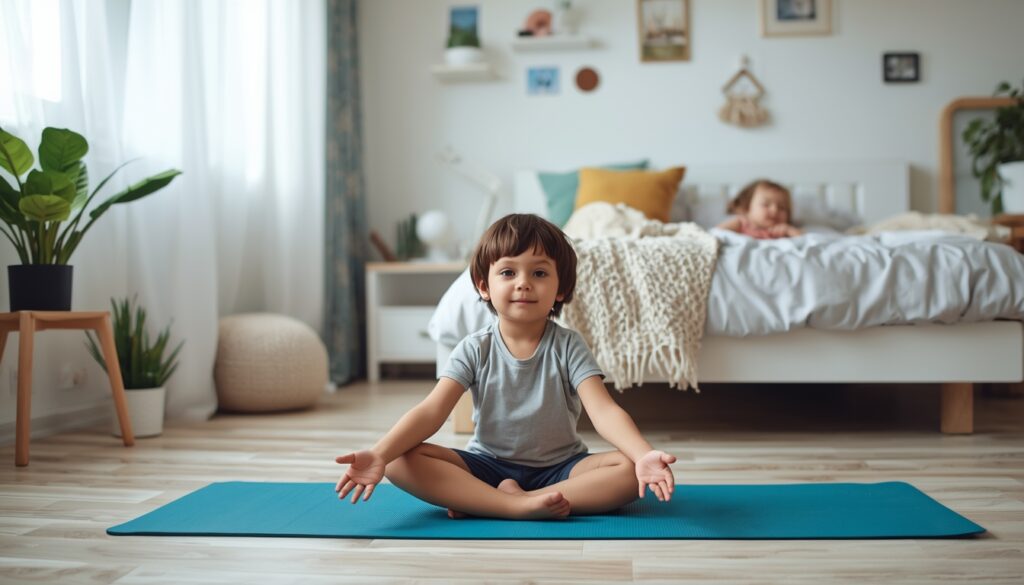
Nike yoga mats are designed for simple and low-maintenance care, making it easy to keep them clean and hygienic. The surface can be wiped down with a damp cloth or a mild soap solution after each use to remove sweat and dirt.
For deeper cleaning, most mats can be hand-washed without damaging the foam, but machine washing is generally not recommended as it may affect the mat’s structure and grip. After cleaning, mats should be air-dried flat or rolled loosely to prevent curling or deformation.
To maintain longevity:
- Avoid exposing the mat to direct sunlight for extended periods, which can degrade the material
- Store the mat rolled or flat in a cool, dry place
- Use a towel during hot or sweaty sessions to minimize moisture absorption

12. Design, Colors & Aesthetic Appeal
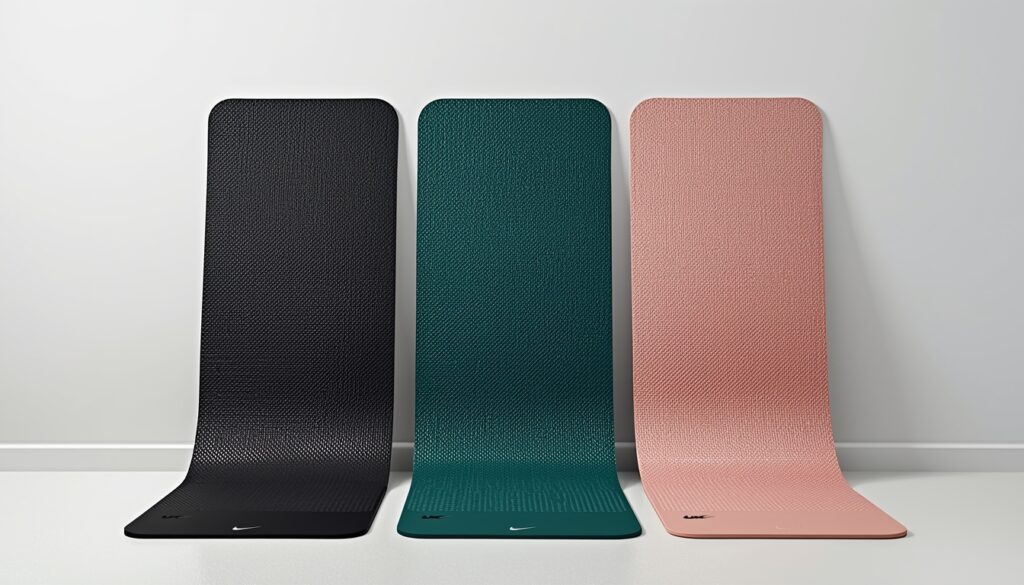
Nike yoga mats combine modern, minimalist design with subtle branding, creating a visually appealing accessory for any practice space. Most mats feature clean lines, muted tones, and the iconic Nike logo, offering a sleek and sporty look without being overly flashy.
Color options vary by model, ranging from classic neutrals like black, gray, and navy to brighter accent shades for those who prefer more vibrant styles. This allows users to choose a mat that complements their personal taste or workout environment.
Frequently Asked Questions
Are these mats suitable for beginners?
Yes, they are designed to support a wide range of users, including beginners who want stability, comfort, and ease of use.
Can they be used for workouts other than yoga?
Absolutely. They work well for stretching, pilates, mobility exercises, and general floor workouts.
Do they provide enough support for sensitive joints?
The balanced cushioning helps reduce pressure on knees, wrists, and hips while still maintaining stability.
How long do they typically last with regular use?
With proper care and indoor use, they can last for years without significant loss of support or grip.
Are they easy to store and carry?
Yes, the mats are lightweight, roll easily, and can be stored or transported without much effort.
Conclusion
Nike yoga mats are designed with a clear focus on performance, practicality, and everyday usability. They deliver a balanced combination of cushioning, grip, and durability that suits a wide range of users, from beginners to regular fitness enthusiasts. Rather than targeting niche or luxury preferences, these mats prioritize reliable support and consistent quality across different workout styles. Their strengths lie in solid construction, comfortable thickness, manageable weight, and a clean, modern design that fits seamlessly into home, gym, or studio settings. While they may not lead the market in eco-focused materials or ultra-specialized features, they offer dependable performance that aligns well with an active lifestyle.