Introduction
What’s the best extra-long yoga mat? Look for 72–84 inches of length, reliable grip, and durable materials — giving taller practitioners room to stretch and flow without slipping off the edges. This guide breaks down size, materials, cushioning, grip, and durability to help you find the perfect match.
Table of Contents
2. Length & Dimensions
When choosing a mat designed for taller individuals, the most important specification to look at is its overall size. Standard mats usually measure around 68 inches in length, which can feel limiting if your height or stretching style requires more space. Extended-length options typically start at 72 inches and can go all the way up to 84 inches or more, giving you the freedom to move without slipping off the edges.
Width also matters. Many extended-size mats come in wider formats — up to 26 or even 30 inches. This added width provides a roomier surface, especially useful during poses that require strong lateral movement or open-leg positions. If you’re also concerned about material safety alongside size, our non-toxic exercise mat guide covers what to look for.
3. Material Quality (PVC, TPE, Rubber, Cork, etc.)
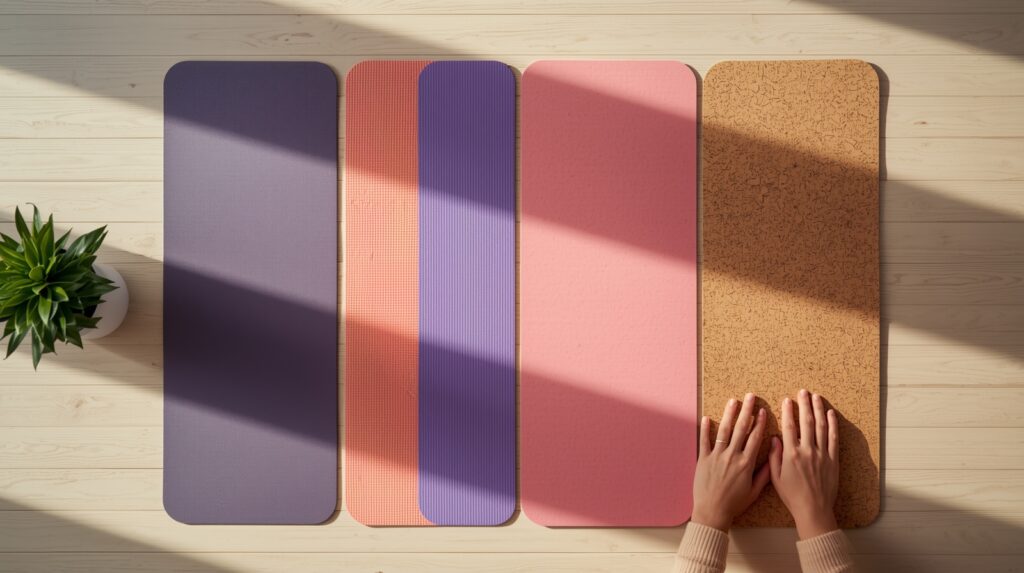
The material of a mat plays a major role in how it feels, performs, and lasts over time. PVC is one of the most common choices because it offers strong durability and a sticky surface that helps maintain grip, though it’s not the most eco-friendly option. TPE is a newer, more environmentally conscious material that provides a soft, lightweight feel while still delivering reliable traction.
Natural rubber is a popular pick for those who want a sturdier, denser surface. It offers excellent cushioning and grip, especially during more active styles of practice. Cork, on the other hand, is valued for its natural antimicrobial properties and smooth yet supportive texture. When combined with a rubber base, it delivers a stable surface that improves traction as you sweat.
4. Thickness & Cushioning
Thickness is one of the key factors that determines how comfortable your practice will feel, especially during poses that put pressure on your knees, wrists, or spine. Most standard mats range from 3mm to 6mm, but extended-size options often provide more variety. Thicker mats, usually around 8mm or more, offer greater cushioning and are ideal for gentle stretching, restorative sessions, or anyone who prefers extra support.
However, thicker doesn’t always mean better for every practice style. If you focus on balance-heavy poses or faster-paced flows, a thinner mat can provide better stability and grounding, preventing that “sinking” feeling that sometimes comes with extra padding.
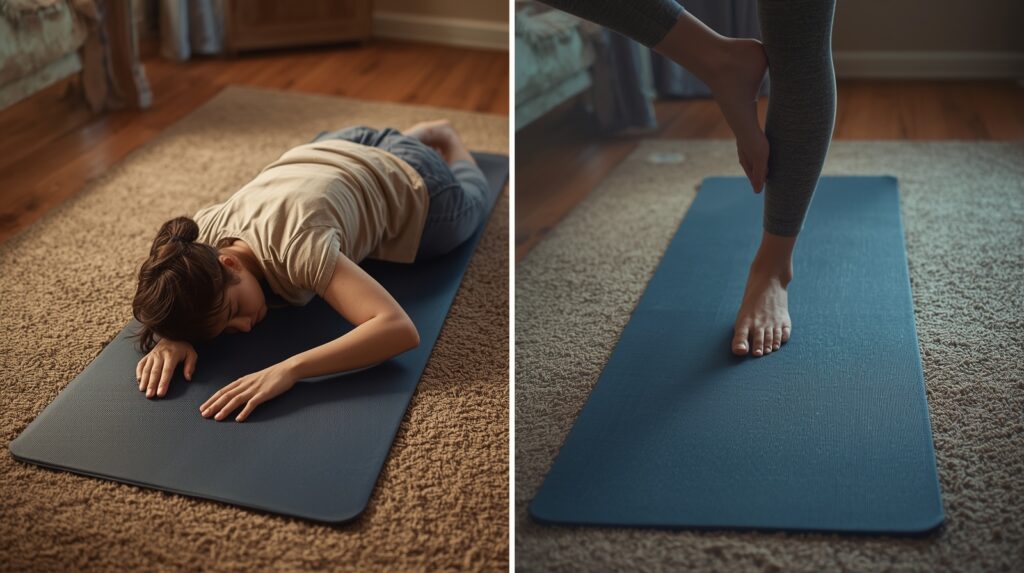
When deciding on the right thickness, think about your joints, your practice intensity, and the type of flooring you use. Hardwood floors may require a bit more cushioning, while carpeted surfaces can work well with slimmer designs. Finding the right balance helps you stay comfortable without compromising stability.
5. Grip & Non-Slip Performance
A reliable grip is essential for maintaining stability during both slow, controlled movements and more dynamic flows. The surface texture of a mat plays a big role here. Some designs feature a slightly sticky finish that helps your hands and feet stay in place, while others use a textured pattern to increase traction without feeling overly rough.
Moisture resistance is another factor to consider. If you tend to sweat during practice, look for materials that maintain their grip even when damp. Rubber and cork are known for improving traction as moisture increases, making them great choices for hot or high-intensity sessions. TPE and PVC can also perform well, especially when they include an anti-slip coating.
Be sure to check both the top and bottom surfaces. A mat with a secure underside helps prevent sliding on smooth floors, allowing you to move confidently without constant readjustment. Good traction supports proper alignment, reduces the risk of slipping, and enhances the overall quality of your practice — especially important during balance-focused poses that build strength.
6. Durability & Wear Resistance
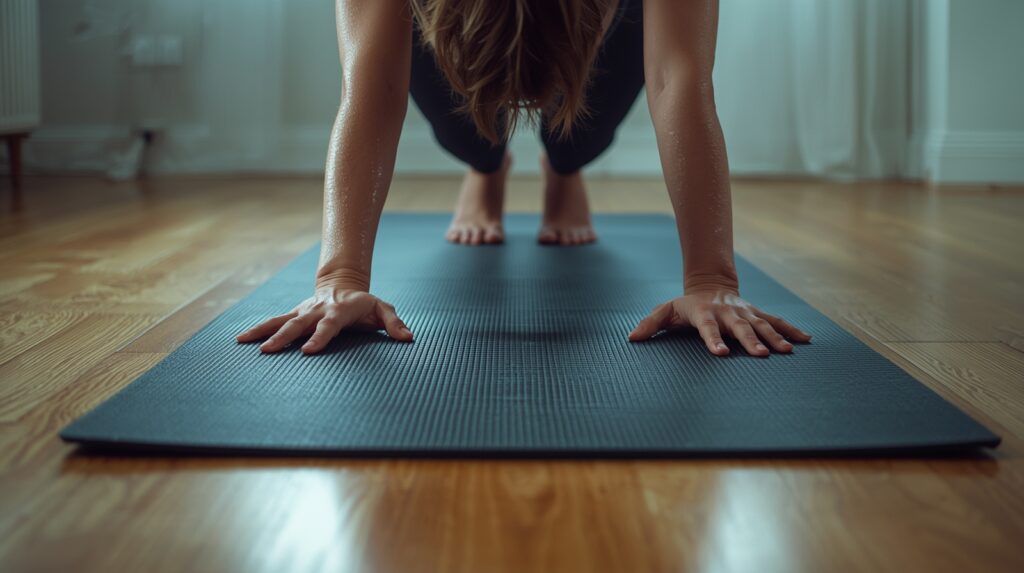
A mat’s longevity depends largely on the quality of its materials and how well it holds up to repeated use. High-density options like natural rubber and premium PVC generally offer the best resistance to tearing, stretching, and surface degradation. These materials are designed to withstand daily practice without losing their shape or texture.
Frequent movement, friction from transitions, and pressure from hands and feet can cause cheaper mats to wear down quickly. Signs of early wear include flaking, thinning areas, and loss of grip. If you practice regularly—especially multiple times a week—investing in a more robust design will save you from needing replacements too often.
It’s also helpful to check the mat’s resistance to compression. Some materials bounce back immediately after being pressed, while others develop permanent imprints over time. Choosing a mat built to maintain its structure ensures consistent support and a longer lifespan, even with heavy use.
7. Comfort for Tall Users
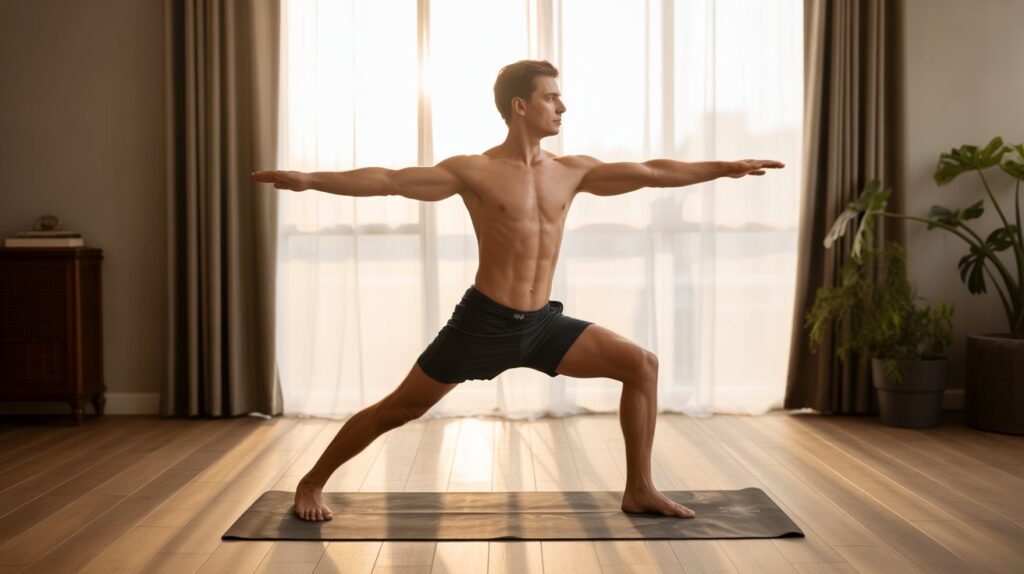
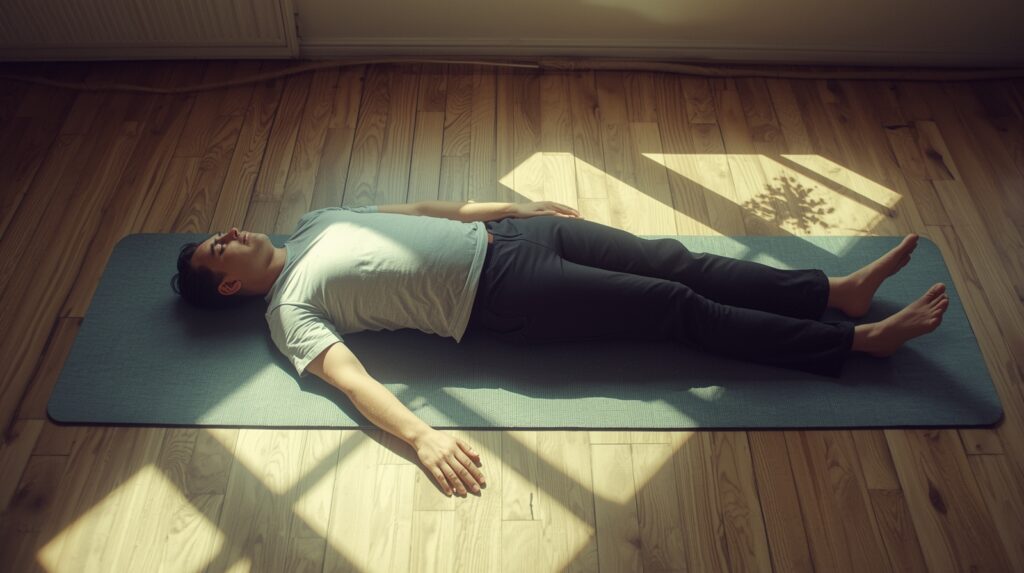
Comfort becomes especially important for anyone who needs more space to stretch fully without feeling cramped. Extra length allows taller individuals to extend into poses like savasana, lunges, or forward folds without having their feet or head slide off the mat. This added room creates a more relaxed and unrestricted experience, making every session feel smoother and more natural.
Width also contributes to overall comfort. A broader surface gives your arms and legs more freedom during wide stances or side-lying stretches. This can make a noticeable difference during poses that require lateral movement or when transitioning between positions.
Additionally, the right combination of length, width, and cushioning helps maintain proper alignment and reduces the need for constant adjustments. For tall users, having enough space to move confidently can improve focus, enhance stability, and support a more enjoyable and effective practice. Proper body alignment during stretching is also linked to better long-term flexibility, as noted by Harvard Health Publishing.
8. Portability (Weight & Foldability)
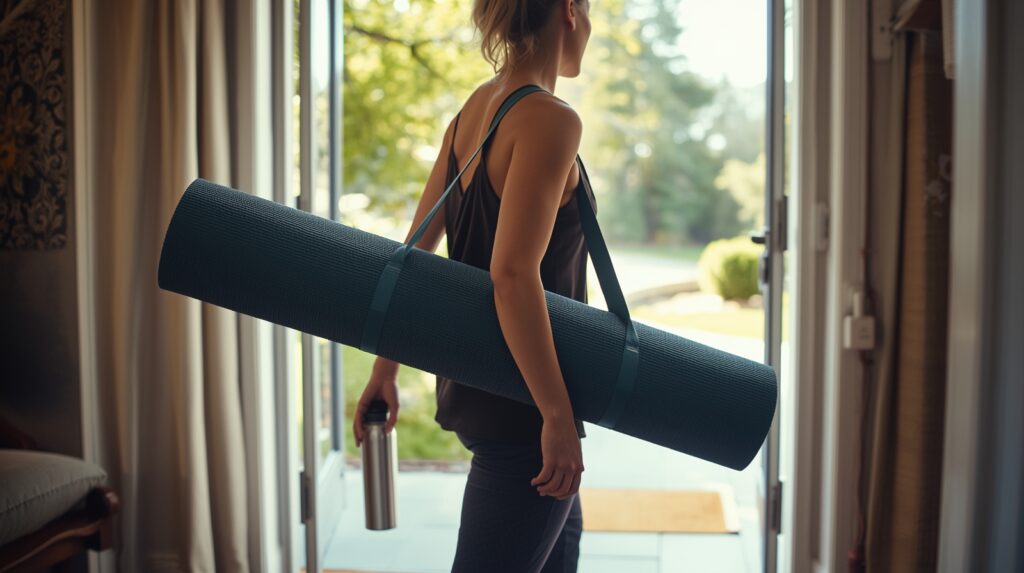
Portability matters for anyone who likes taking their mat to classes, the gym, or outdoor sessions. Longer designs can sometimes be heavier, so paying attention to overall weight is important. Lightweight materials like TPE or thinner PVC are easier to carry, while natural rubber tends to be denser and heavier but more durable.
Foldability is another factor to consider. Some mats roll up tightly, making them easy to strap to a bag or tuck into a corner. Others are designed to fold flat, which can be helpful for travel or storage in small spaces. If you frequently commute or walk long distances, a compact and lightweight option can make your routine much more convenient.
9. Eco-Friendliness & Sustainability
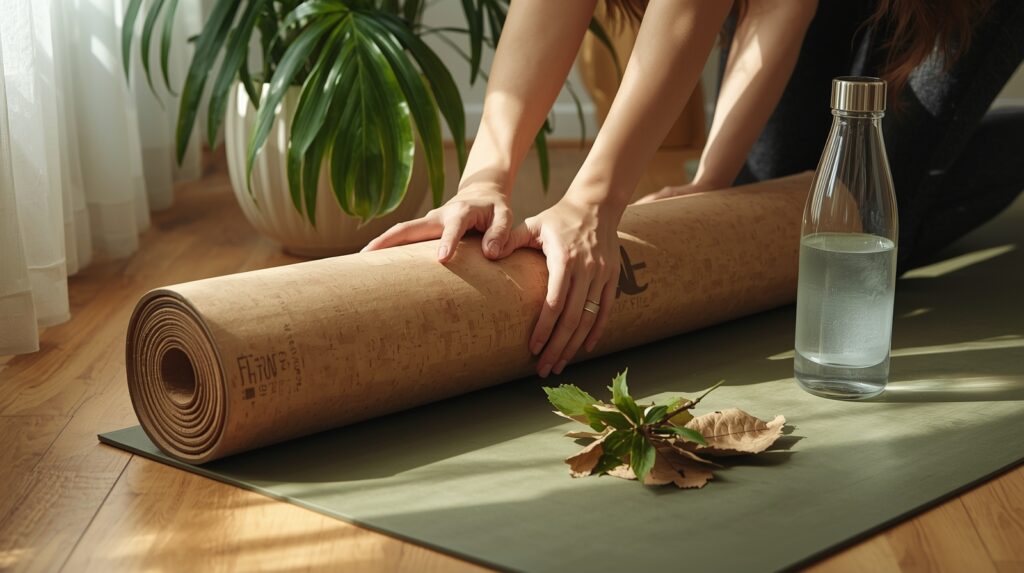
For many practitioners, choosing a mat that aligns with environmentally conscious values is just as important as comfort or performance. Sustainable options often use natural or recycled materials such as cork, jute, or natural rubber. These materials are biodegradable, renewable, and produced with fewer chemical processes, making them a cleaner choice for both you and the planet.
Synthetic materials like PVC can be durable and affordable, but they are less eco-friendly due to the chemicals used in production. TPE is a more responsible alternative, offering a lower environmental impact while still providing a soft and supportive surface.
In addition to material selection, it’s helpful to look for mats made by brands that prioritize ethical manufacturing, reduced packaging, and recyclable components. Choosing an environmentally friendly mat supports long-term sustainability while giving you a product that’s safe, non-toxic, and designed with responsible practices in mind — our non-toxic exercise mat guide covers certifications and safety standards to check for in more detail.
10. Ease of Cleaning & Maintenance
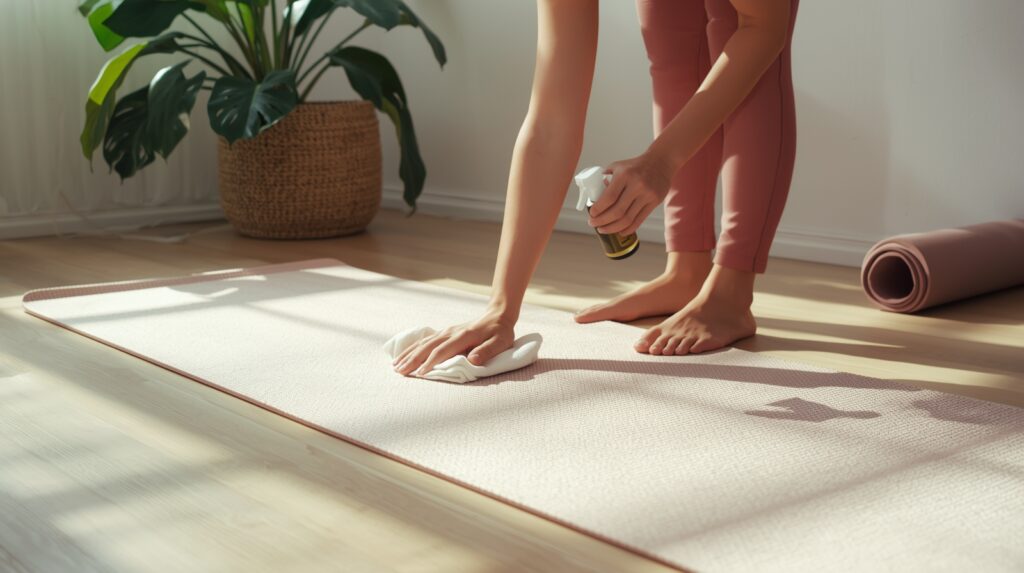
Keeping a mat clean is essential for hygiene and longevity, especially with regular use. Some materials, like PVC and TPE, are easier to wipe down with a damp cloth or mild soap solution. These non-porous surfaces resist staining and moisture, making quick clean-ups simple and effective.
Natural materials such as cork or rubber may require more care. Cork naturally resists bacteria, but it can absorb liquids if not wiped promptly, while rubber may need gentle cleaning to avoid damaging the texture. For both types, it’s best to avoid harsh chemicals that could degrade the material over time.
Regular maintenance not only keeps the mat looking fresh but also preserves grip and cushioning. A routine of wiping it down after each session and allowing it to air dry can significantly extend the life of your mat, ensuring consistent performance and hygiene for years to come.
11. Versatility (Yoga, Pilates, Stretching, Gym Use)
A versatile mat can handle a variety of exercises beyond traditional yoga. Thicker, cushioned mats provide excellent support for Pilates and floor-based workouts, while longer dimensions make them suitable for stretching routines and bodyweight exercises. Some designs are also durable enough to withstand gym workouts, offering stability for lunges, planks, or push-ups.
Consider your overall fitness routine when selecting a mat. If you plan to use it for multiple activities, look for a balance of cushioning, grip, and durability that works across different movements. A mat that performs well in various settings ensures you get maximum value and flexibility without needing separate mats for each type of exercise.
12. Design & Aesthetic Options
While functionality is key, the visual appeal of a mat can also enhance the overall practice experience. Mats come in a wide range of colors, patterns, and textures, allowing you to choose one that matches your personal style or creates a calming environment. Some designs feature alignment lines or subtle markings that help with posture and positioning during poses.
Texture and surface patterns can also contribute to grip and comfort, so aesthetic choices often overlap with performance considerations. Whether you prefer a minimalist look, vibrant colors, or natural tones, selecting a mat that appeals to your sense of style can make your practice more enjoyable and motivating.
FAQs
1. What’s the ideal mat length for someone over 6 feet tall?
For users over 6 feet tall, a mat of at least 78–84 inches is recommended to ensure full-body coverage during poses like savasana and forward folds, preventing your feet or head from hanging off the edge.
2. Do extra-long yoga mats cost more than standard mats?
Yes, extra-long mats typically cost 15–30% more than standard 68-inch mats due to the extra material used, but the added comfort and space are worth it for taller practitioners.
3. Can I cut a standard yoga mat to make it wider instead of buying an extra-long one?
No, cutting a standard mat to increase width isn’t recommended, as it damages the mat’s structural integrity and non-slip backing. It’s better to buy a mat specifically designed with extended width.
4. Are extra-long yoga mats suitable for shorter people too?
Yes, shorter practitioners can also benefit from extra-long mats, especially for wide-stance poses, Pilates, or floor workouts that need more surface area beyond just body length.
5. Do extra-long mats fit standard yoga mat bags and carrying straps?
Not always. Standard mat bags are sized for 68-inch mats, so extra-long mats (72 inches+) often require an extended-length bag or an adjustable strap for a proper, secure fit.
Conclusion
Choosing the right extra-long yoga mat can make a big difference in how comfortable, stable, and confident you feel during practice. By focusing on length, material, cushioning, grip, and durability, you can find an option that truly supports your movements.
A well-selected mat enhances performance and keeps you consistent and motivated. And if material safety matters to you too, check our non-toxic exercise mat guide to make sure your pick is as safe as it is spacious.