Introduction
A DIY yoga mat cleaner is one of the easiest and most effective ways to keep your mat fresh, hygienic, and safe for daily practice. With regular use, sweat, dirt, and bacteria can quickly build up on the surface, affecting both comfort and grip. The good news? You can make an effective, chemical-free cleaner at home using ingredients you likely already have in your kitchen.
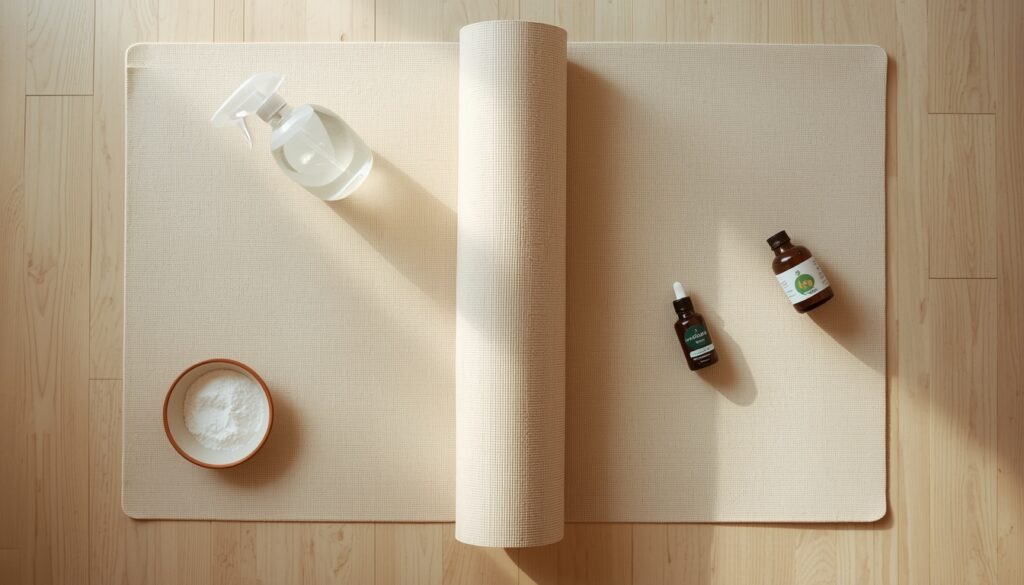
Table of Contents
1. Ingredients Used
When making a natural cleaning solution at home, the ingredients you choose directly affect both cleaning performance and mat safety. Most homemade formulas rely on simple, chemical-free components that are effective yet gentle on yoga mats.
Natural, chemical-free ingredients are preferred because they avoid harsh residues that can break down mat surfaces over time. Unlike commercial cleaners that may contain alcohol or synthetic fragrances, natural alternatives clean without causing dryness, fading, or slippery textures — the same reason gentle cleaning matters for other yoga gear too, like the material care tips for budget mats.
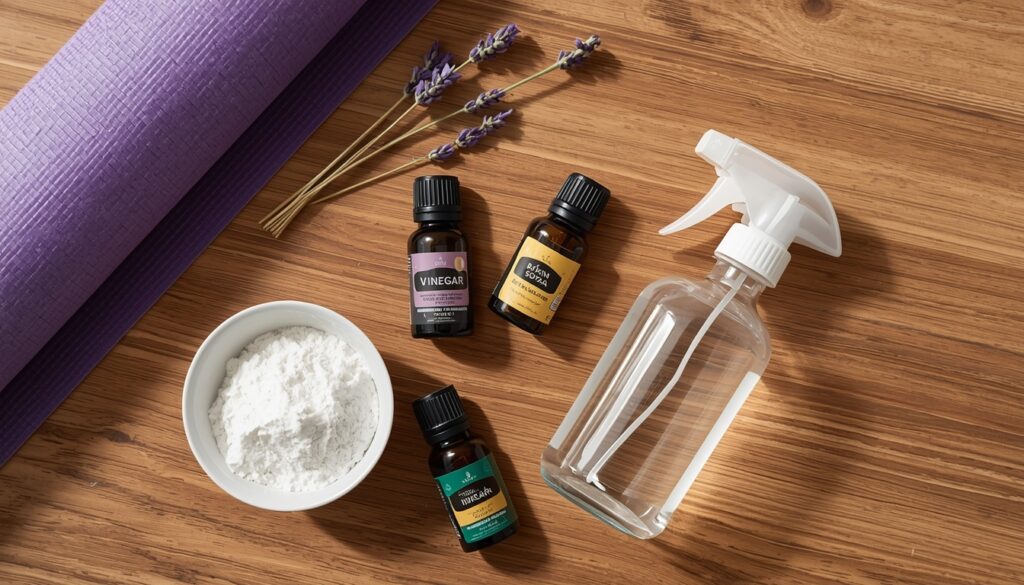
Common household ingredients include:
- White vinegar — Acts as a natural disinfectant by breaking down sweat residue and surface bacteria. It helps remove odors but should always be diluted to protect delicate mat materials.
- Essential oils (tea tree, lavender, eucalyptus, lemon) — Provide natural antibacterial and antifungal properties while adding a fresh scent. Tea tree oil is especially effective for odor control, while lavender offers a calming aroma.
- Baking soda — Known for absorbing moisture and neutralizing smells. It works best for occasional deep cleaning rather than daily wipe-downs.
- Water (distilled if possible) — Serves as the base for most mixtures, ensuring even distribution and preventing mineral buildup on the mat.
2. Cleaning Effectiveness
The main purpose of any homemade cleaning solution is to remove sweat, dirt, and surface bacteria that build up during regular practice. Natural ingredients work by breaking down oils from the skin, lifting grime, and reducing odor-causing microbes without damaging the mat’s surface.
For light cleaning, a gentle spray made with water and a small amount of vinegar or essential oils is usually enough. This type of cleaning is ideal after everyday sessions, especially low-sweat practices. It helps keep the surface fresh, prevents odor buildup, and maintains grip without leaving residue.
Deep sanitizing is needed after intense workouts, hot yoga, or outdoor use. In these cases, stronger natural disinfecting properties — such as diluted vinegar combined with tea tree or eucalyptus oil — help target bacteria more effectively. A slightly longer dwell time before wiping allows the solution to work without soaking the mat.
3. Safety for Mat Materials
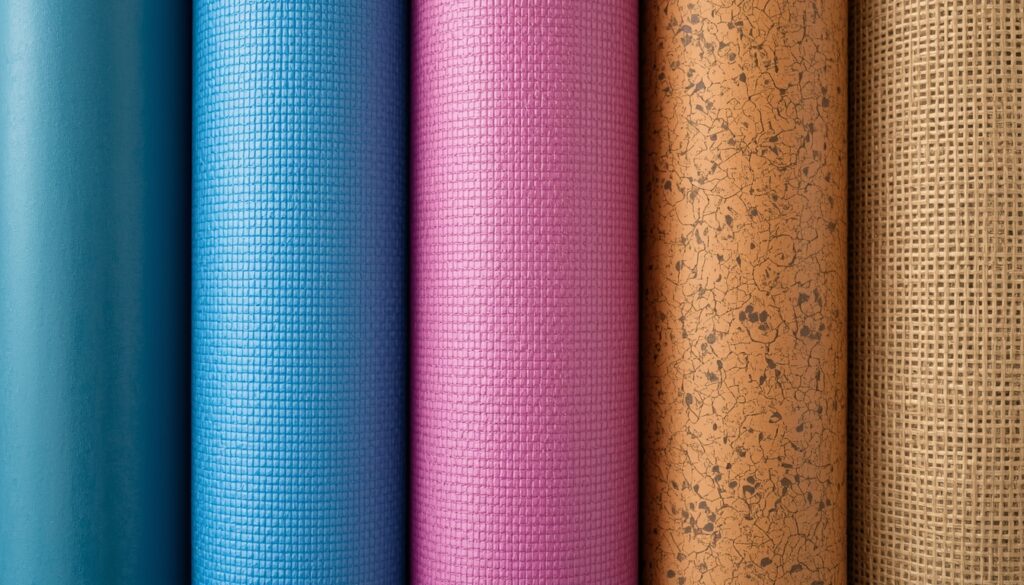
Different yoga mat materials react differently to homemade cleaning solutions, making material safety an important factor. Using gentle, natural ingredients helps preserve texture, grip, and durability across various mat types — the same grip-preserving principle covered in our guide on choosing mats with reliable grip and traction.
- PVC mats — These are durable and handle mild vinegar-based solutions well when properly diluted. Overuse of strong acids or excessive scrubbing, however, may cause surface dullness over time.
- TPE mats — Known for being lightweight and eco-conscious, TPE surfaces require extra care. Mild soap alternatives and essential oil blends work best, as harsh mixtures can lead to fading or reduced grip.
- Natural rubber mats — Rubber is sensitive to strong acids and prolonged moisture. Light sprays followed by immediate wiping help prevent cracking, stiffness, or discoloration.
- Cork mats — Cork has natural antimicrobial properties but should not be oversaturated. Gentle cleaning with minimal liquid protects the cork layer and prevents warping.
- Eco-friendly mats — Mats made from biodegradable or plant-based materials benefit most from alcohol-free, low-acid solutions. This approach maintains flexibility and avoids premature breakdown.
4. Antibacterial & Antifungal Properties
Homemade cleaning solutions rely on naturally antibacterial and antifungal ingredients to keep yoga mats hygienic without the need for harsh chemicals. While these ingredients are gentler than commercial disinfectants, they are effective for regular maintenance and odor prevention.
Many DIY ingredients work by slowing the growth of germs rather than completely sterilizing the surface. White vinegar helps reduce common bacteria linked to sweat buildup, while essential oils such as tea tree and eucalyptus are known for their antifungal properties. These ingredients are especially useful in warm, humid conditions where microbes thrive.
Controlling odor-causing bacteria is one of the biggest benefits of natural cleaners. Sweat itself is odorless, but bacteria feeding on moisture create unpleasant smells. Regular light cleaning prevents these bacteria from multiplying and keeps the mat fresh between deep cleans.
5. Ease of Preparation
One of the biggest advantages of natural cleaning solutions is how quick and simple they are to prepare. Most recipes require only a few common ingredients and minimal effort, making them practical for regular use.
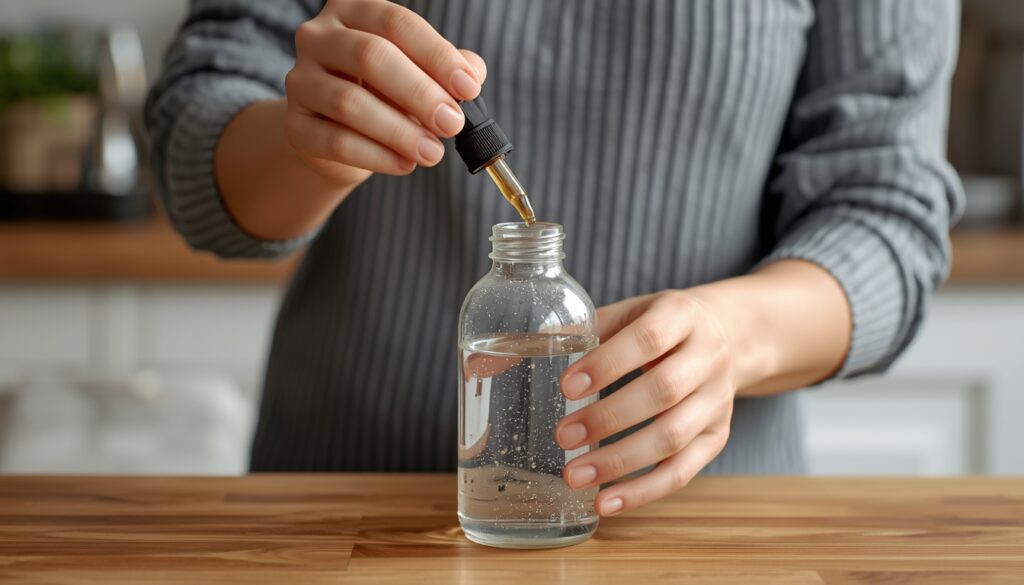
Simple mixes are the most popular option. These usually involve combining water with a small amount of vinegar or a few drops of essential oil in a spray bottle. Preparation time is typically under two minutes, and no special tools or measurements are needed. This makes them ideal for daily wipe-downs after practice.
Multi-step recipes are slightly more time-consuming but offer deeper cleaning benefits. These may include pre-mixing baking soda, letting the solution sit for better absorption, or shaking the bottle before each use. While they take a few extra minutes, they are still easy to prepare and only needed occasionally.
6. Cost & Affordability
One major reason many people choose homemade cleaning solutions is their low cost and long-term value. Most recipes rely on inexpensive household items that are already available in many homes.
The cost per batch is minimal. A small amount of vinegar, a few drops of essential oil, and water can produce multiple bottles of cleaner for just a fraction of the price of commercial options. Even when purchasing ingredients separately, they last for months and can be used for other household cleaning tasks.
In terms of long-term savings, natural solutions are significantly more economical than store-bought cleaners. Commercial products often require frequent repurchasing, while DIY alternatives can be refilled endlessly using the same base ingredients. There are also no hidden costs from specialized sprays or single-use wipes.
7. Drying Time
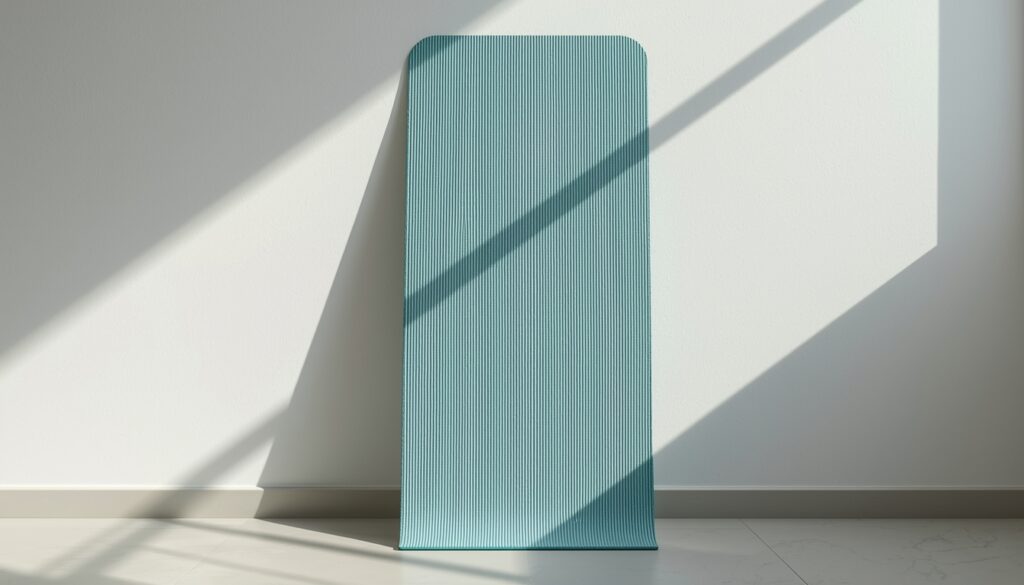
Drying time plays an important role in keeping a yoga mat comfortable and ready for the next session. Natural cleaning solutions generally dry faster than heavy commercial sprays because they contain fewer additives and no thickening agents.
How quickly the mat dries depends on ingredient balance and application method. Light sprays using mostly water and a small amount of vinegar or essential oils typically dry within minutes when wiped properly. Air circulation and wiping with a clean cloth further reduce moisture buildup.
A key benefit of simple recipes is a residue-free finish. When diluted correctly, natural ingredients leave the surface clean and grippy. Overuse of baking soda or essential oils, however, may result in a slightly sticky feel, especially on rubber or eco mats. This is why light application and proper dilution are essential.
The DIY Yoga Mat Cleaner Guide: Safe, Easy, and Chemical-Free Cleaning Methods emphasizes fast drying and clean finishes to maintain comfort and safety. Proper drying prevents slipping, reduces odor formation, and helps preserve the mat’s original texture over time.
8. Odor Control & Freshness
Odor control is one of the most noticeable benefits of natural cleaning solutions. Sweat itself does not smell, but bacteria that grow on a damp surface create unpleasant odors over time. Regular cleaning helps neutralize these smells before they become embedded in the mat.
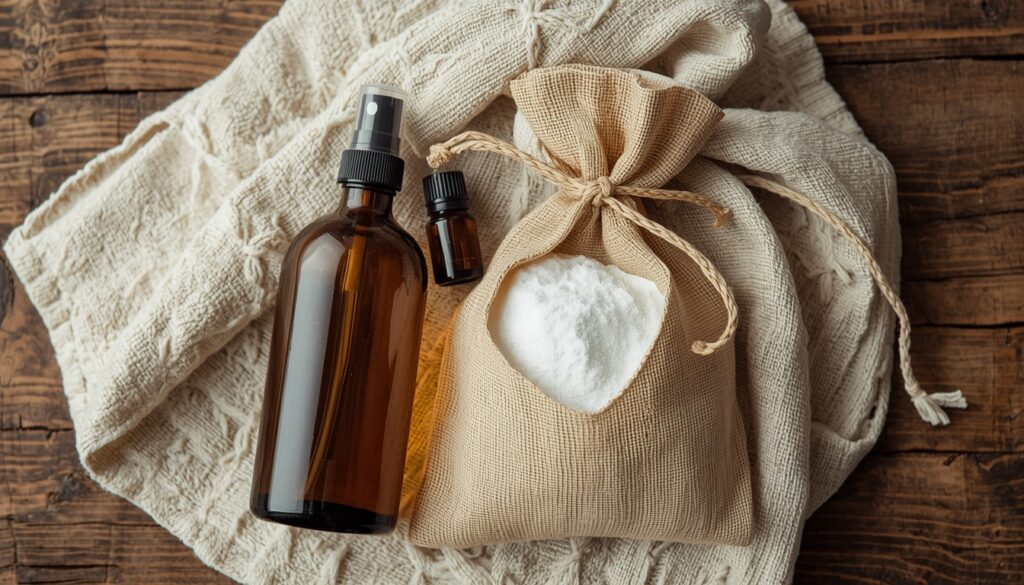
Natural ingredients work by breaking down odor-causing bacteria rather than masking smells with artificial fragrances. Vinegar helps eliminate lingering sweat residue, while essential oils add a clean, refreshing scent without overwhelming the senses.
Popular natural scent options include:
- Lavender for a calming, spa-like freshness
- Tea tree for strong antibacterial action and odor control
- Lemon for a light, clean aroma that feels energizing
Using methods from the DIY Yoga Mat Cleaner Guide: Safe, Easy, and Chemical-Free Cleaning Methods keeps mats smelling fresh while remaining gentle on both the material and the skin. Consistent odor management improves overall practice comfort and prevents long-term smell buildup.
9. Eco-Friendliness
One of the biggest advantages of homemade cleaning solutions is their positive impact on the environment. Unlike many commercial cleaners that contain harsh chemicals, natural ingredients are biodegradable and break down safely without polluting water systems.
Using items like vinegar, baking soda, and essential oils reduces reliance on synthetic chemicals, which can harm aquatic life and contribute to landfill waste. Choosing reusable spray bottles and minimizing single-use packaging further supports sustainability.
Homemade solutions also promote waste reduction. Instead of purchasing multiple disposable wipes or plastic-based cleaners, you can refill and reuse containers indefinitely. This approach reduces plastic consumption and lessens the environmental footprint of your yoga practice.
10. Skin Sensitivity & Allergy Safety
Balancing effectiveness with skin safety allows practitioners to maintain hygiene while minimizing the risk of allergic reactions, making daily practice comfortable and worry-free.
Maintaining skin comfort is essential when choosing a cleaning solution. Many commercial cleaners contain alcohol, fragrances, or harsh chemicals that can irritate sensitive skin, especially during yoga when direct contact with the mat is constant. Natural ingredients provide a gentler, safer alternative.
For those with sensitive skin, simple mixtures of water and mild vinegar or baking soda are usually well-tolerated. Essential oils can enhance cleaning and freshness, but some people may experience reactions if used in high concentrations. According to the National Center for Complementary and Integrative Health, essential oils should always be diluted before skin contact, as concentrated use can trigger irritation in sensitive individuals. It’s best to start with a few drops of oils like lavender or lemon and test on a small area before full use.
Certain essential oils, such as tea tree, are powerful antifungals but can be irritating to very sensitive skin. Diluting oils properly and avoiding overuse ensures that the mat stays hygienic without causing redness, itching, or discomfort.
11. Frequency of Use
Maintaining a clean yoga mat is all about balancing routine maintenance with deeper cleaning sessions. How often you clean depends on your practice intensity, sweat levels, and mat material.
For daily wipe-downs, a light spray using water and a few drops of essential oil or mild vinegar is sufficient. This keeps the mat fresh, controls odor, and removes surface dirt without over-saturating the material. Daily maintenance is especially important for hot yoga or outdoor sessions where sweat and grime accumulate quickly.
Deep weekly cleaning is recommended for more intensive hygiene. Using slightly stronger natural solutions, such as a mixture with baking soda or higher essential oil content, helps remove embedded sweat, bacteria, and lingering odors. This type of cleaning preserves grip and ensures mats remain sanitary over time.
Following the DIY Yoga Mat Cleaner Guide: Safe, Easy, and Chemical-Free Cleaning Methods allows practitioners to establish a practical routine: light, frequent cleaning for everyday freshness, and occasional deep cleaning for long-term care. This approach keeps mats safe, hygienic, and comfortable for consistent practice.
12. Portability & Storage
The convenience of a cleaning solution often comes down to how easy it is to store and transport. Natural formulas can be adapted to different containers and travel needs, making them practical for both home and on-the-go use.
Spray bottles are the most common option, allowing quick application and even coverage. Refillable bottles are eco-friendly and ideal for keeping in a yoga bag, home studio, or locker.
Wipes made from soft cloths or reusable materials can be pre-moistened with a natural solution for quick touch-ups. These are lightweight and handy for travel, providing a mess-free way to clean mats between sessions.
Concentrates offer another portable option. By carrying a small, concentrated mixture, you can dilute it with water as needed, reducing bulk while still maintaining cleaning effectiveness. This method is especially useful for frequent travelers or yoga instructors on the move.
FAQs
Can homemade yoga mat cleaners really remove bacteria?
Yes, natural ingredients like vinegar and certain essential oils help reduce surface bacteria and control odor when used regularly and properly diluted.
How often should I clean my yoga mat?
Light cleaning after each session is ideal, with deeper cleaning recommended once a week for frequent or high-sweat practice.
Are natural cleaning solutions safe for all yoga mats?
Most natural solutions are safe when diluted, but sensitive materials like rubber or cork require gentle application and minimal moisture.
Do essential oils damage yoga mats?
Essential oils are safe in small amounts, but overuse or high concentrations may leave residue or affect grip on some mat surfaces.
How long does a DIY yoga mat cleaner last in storage?
Most homemade solutions last 2–4 weeks when stored in a clean, sealed spray bottle and kept away from direct sunlight.
Conclusion
Choosing a natural approach to cleaning your yoga mat offers a practical balance of effectiveness, safety, and sustainability. Simple household ingredients can remove sweat, control odors, and reduce surface bacteria without exposing your skin or mat to harsh chemicals. When used correctly, these solutions help maintain grip, texture, and overall mat performance.
A clean, well-maintained mat also lasts longer — if you’re still choosing your first mat or considering an upgrade, take a look at our 5 Below yoga mat review to see how budget-friendly options hold up with proper care.