Introduction
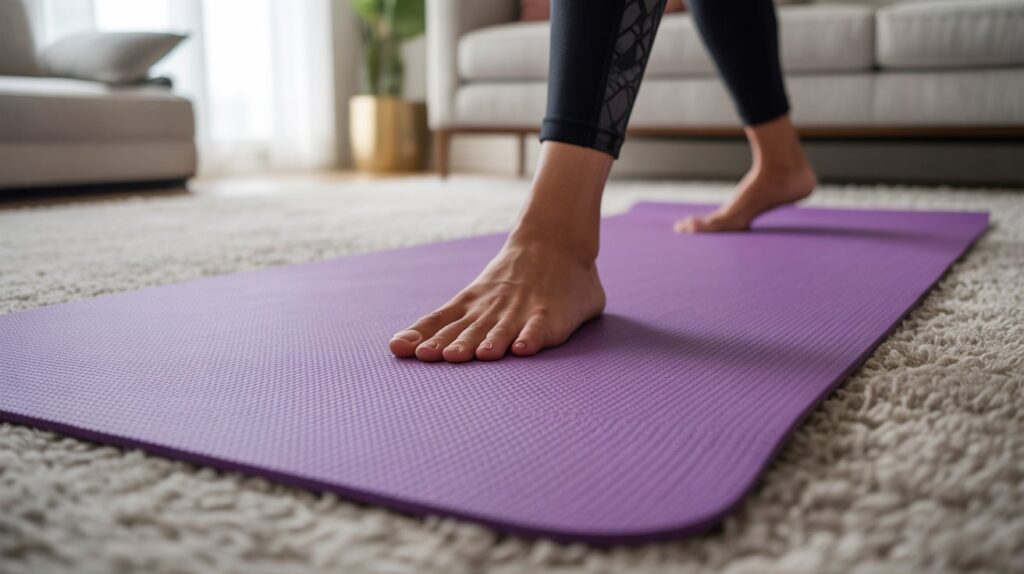
Yoga mats for tall people are often overlooked, yet choosing the wrong size can limit movement, disrupt balance, and reduce overall comfort during practice. Standard mats are typically too short and narrow to support longer limbs and wider stances, leaving many taller practitioners constantly adjusting poses instead of focusing on breath and alignment. The right extra-long or extra-wide mat solves this from the start, giving you full-body coverage and stable footing in every pose.
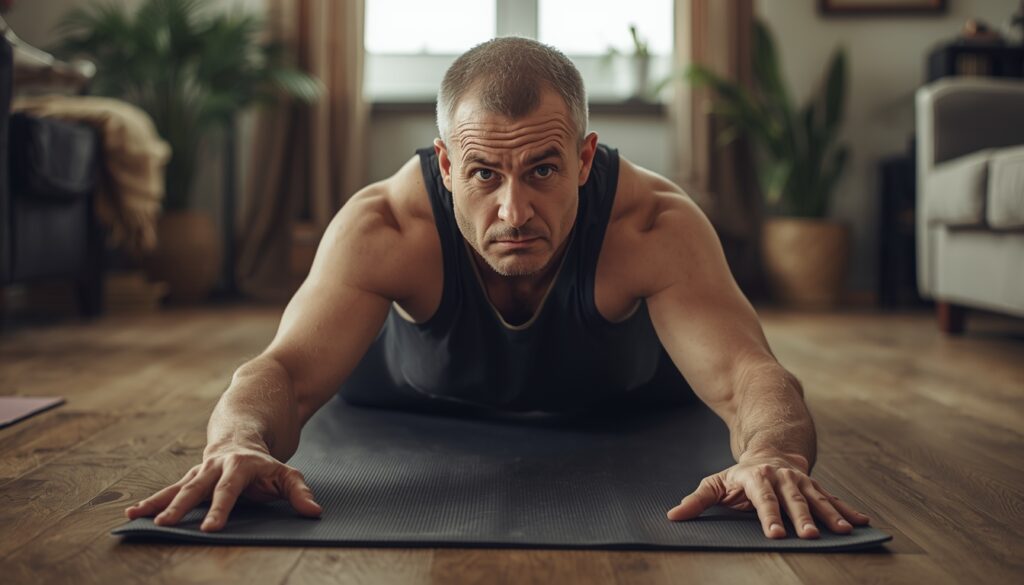
Table of Contents
1. Mat Length & Coverage
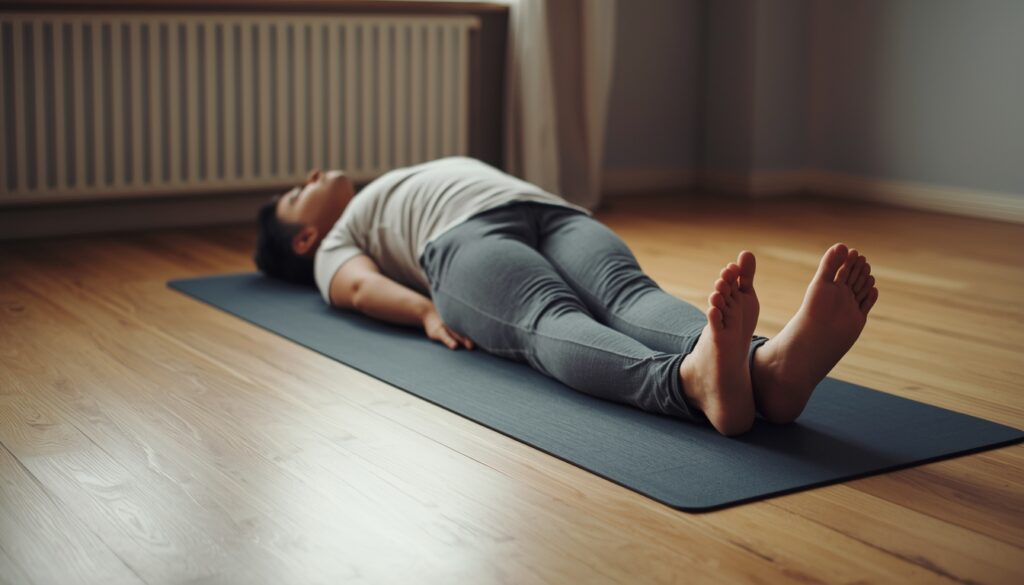
One of the biggest challenges taller yogis face is inadequate mat length. Most standard yoga mats are around 68 inches long, which often leaves feet or hands hanging off during poses like Downward Dog, Savasana, or long lunges. This lack of full-body coverage can disrupt balance, reduce comfort, and increase the risk of slipping on bare floors.
For better support, longer mat options are designed to match taller body proportions and provide consistent surface contact from head to toe. Here’s how different length ranges compare:
- 72 inches – A good starting point for practitioners over 5’9″. It offers slightly more room than standard mats without taking up too much space.
- 78 inches – Ideal for users between 6’0″ and 6’3″. This length allows full extension in standing and reclining poses.
- 84 inches and above – Best for very tall individuals or anyone who wants maximum freedom of movement. These extra-long mats are especially useful for flow and power-based practices, and pair well with alignment lines that help keep long strides accurately positioned.
2. Width & Extra Space
While length is essential, mat width plays a major role in comfort — especially for taller frames with broader shoulders or longer stances. Most standard yoga mats measure about 24 inches wide, which can feel restrictive during wide-legged poses, twists, and balance transitions.
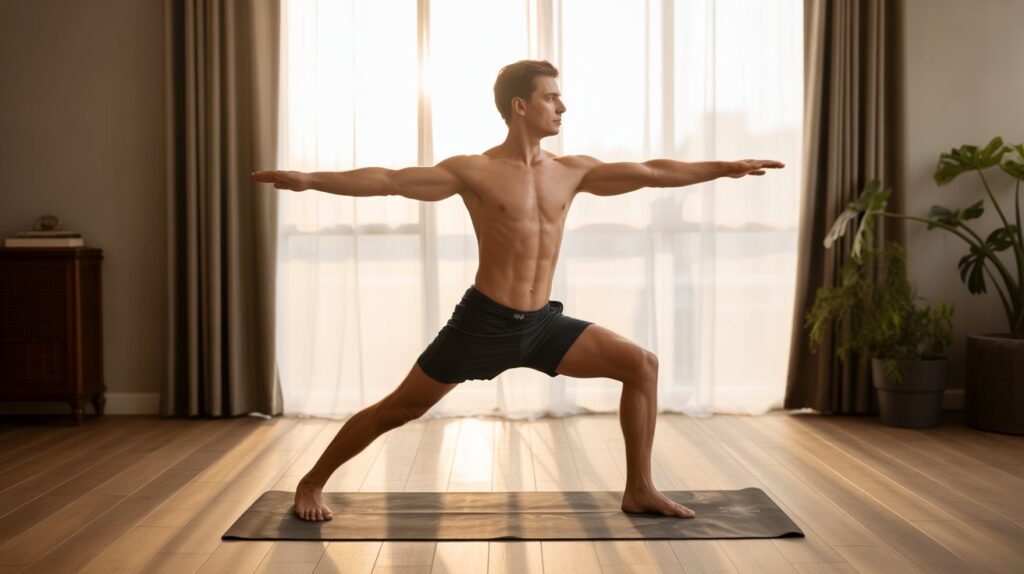
Wider mats are designed to offer more lateral space, helping practitioners move freely without worrying about hands or feet slipping off the edges. The difference becomes noticeable in poses like Warrior II, Triangle, and seated stretches where side-to-side movement is constant.
Here’s how width options compare:
- Standard width (24″) – Suitable for smaller practice spaces but may feel narrow for taller or broader bodies.
- Wide mats (26″–28″) – Provide extra room for natural stance width and better arm placement.
- Extra-wide mats (30″+) – Ideal for those who want maximum freedom, especially during flow-based or restorative sessions.
Added width enhances stability, reduces distractions, and supports confident transitions between poses — considering width alongside length ensures a more balanced and comfortable practice experience for taller bodies.
3. Thickness & Joint Support
Thickness is a key factor for comfort, especially for taller practitioners who often place more pressure on joints due to longer limbs and wider weight distribution. A mat that is too thin can cause discomfort in the knees, wrists, and hips, while an overly soft mat may reduce stability in standing poses.
Most yoga mats fall into three general thickness ranges:
- 3–4 mm – Offers a firm, grounded feel with strong floor connection. Best for balance-focused practices but may feel harsh on sensitive joints.
- 5–6 mm – A balanced option that provides enough cushioning without sacrificing stability. This range works well for most taller users.
- 8 mm or thicker – Delivers maximum joint protection, ideal for restorative sessions or anyone with knee or wrist sensitivity, though it can feel less stable during dynamic flows.
For taller bodies, even cushioning across the entire surface is important to prevent pressure points and maintain alignment during floor poses and transitions. This isn’t just comfort preference — clinical research on kneeling and joint pressure confirms that added cushioning meaningfully reduces the contact pressure responsible for joint pain, backing up why thickness matters so much for longer, heavier-loaded sessions.
4. Grip & Traction
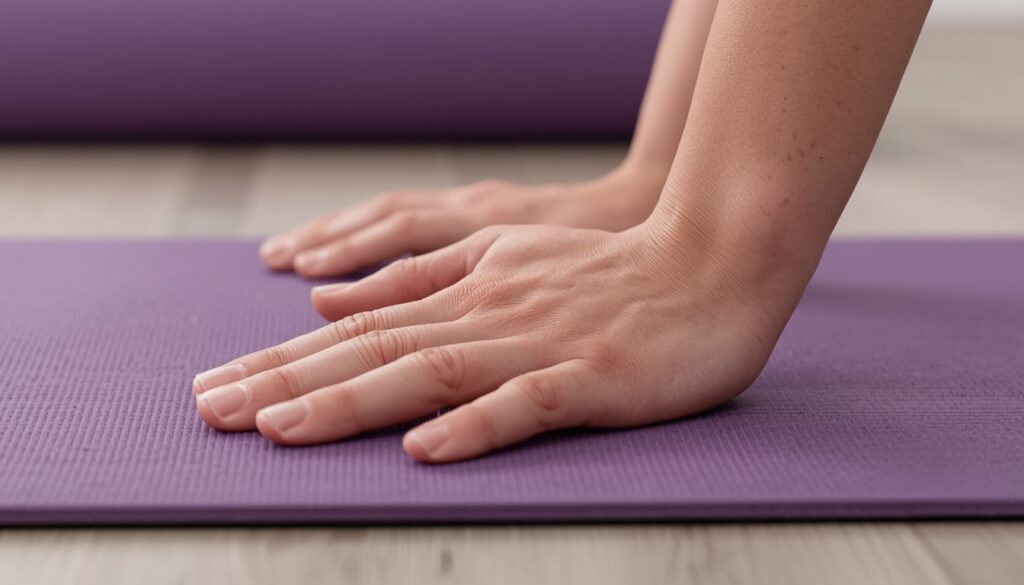
Reliable grip and traction are essential for maintaining control during standing poses, balance work, and fast transitions. Taller practitioners often place more downward force through the hands and feet, which makes surface traction even more important — especially in poses like Warrior III, Plank, and Tree.
Grip performance is influenced by both surface texture and material type. Smooth mats may feel comfortable at first but can become slippery once moisture builds up — research on skin friction shows that a film of moisture between skin and a contact surface reduces grip and increases slip risk, which is exactly why texture matters more once you start sweating. Textured or patterned surfaces usually provide better hold by increasing friction and preventing unwanted movement.
Key grip considerations include:
- Dry grip – Important for slow flows, alignment-based practice, and balance poses.
- Wet grip – Crucial for hot yoga or longer sessions where sweat is unavoidable.
- Base traction – A non-slip underside keeps the mat from sliding on studio floors or tiles.
For taller users, consistent grip across the entire mat helps maintain stability during wide stances and long-reaching poses. A mat that loses traction can force constant adjustments, breaking focus and flow.
5. Material Quality
The material of a yoga mat directly affects how it feels, how long it lasts, and how well it performs during practice. For taller practitioners, material quality is especially important because longer mats experience more stretching, pressure, and repeated use across a larger surface area.
Here’s a simple breakdown of common materials and their characteristics:
- PVC (Polyvinyl Chloride) – Known for durability and strong grip. It offers a firm feel and holds up well over time, but independent lab testing on mat materials has raised concerns about how eco-friendly PVC actually is, making it worth a second look if sustainability matters to you.
- TPE (Thermoplastic Elastomer) – Lightweight and moderately cushioned with decent traction. It’s a good balance of comfort and portability, though it may wear faster with heavy use.
- Natural rubber – Provides excellent grip and stability, making it ideal for dynamic or sweaty sessions. It’s heavier but very durable and supportive.
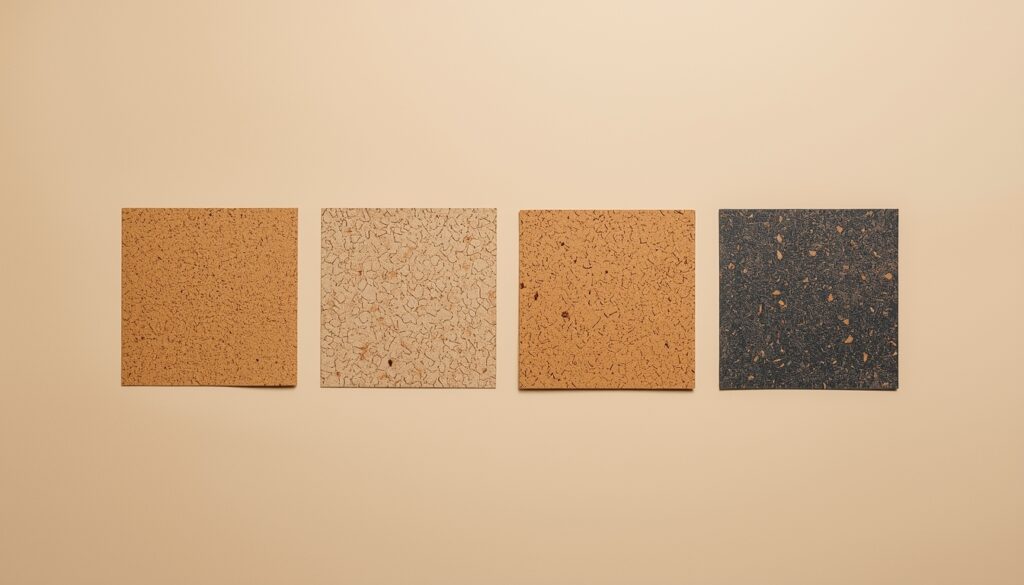
- Cork – Naturally antimicrobial with improved grip as moisture increases. It delivers a firm, grounded feel and works well for hot or humid environments.
Higher-quality materials resist stretching, curling, and surface breakdown, which is crucial for longer mats. They also provide consistent texture from end to end, supporting smooth transitions and stable footing.
6. Stability & Ground Contact
Stability becomes increasingly important as mat length increases. Longer mats cover more surface area, which can either enhance balance or create movement issues if the base grip and weight distribution are not well designed. For taller practitioners, a stable mat helps maintain control during wide stances, lunges, and single-leg poses.
Ground contact depends largely on the underside texture and overall mat weight. A longer mat that is too light may shift during transitions, while a heavier mat with a non-slip base tends to stay firmly in place. Even contact with the floor from end to end prevents lifting or bunching, especially on smooth studio surfaces.
Key stability factors include:
- Non-slip backing that grips the floor without sliding
- Even density to prevent sinking in certain areas
- Balanced weight to keep the mat flat during movement
A stable surface reduces the need for constant repositioning, allowing better focus on alignment and breath. This is particularly helpful in flow-based practices where long strides and quick transitions are common.
7. Durability & Wear Resistance
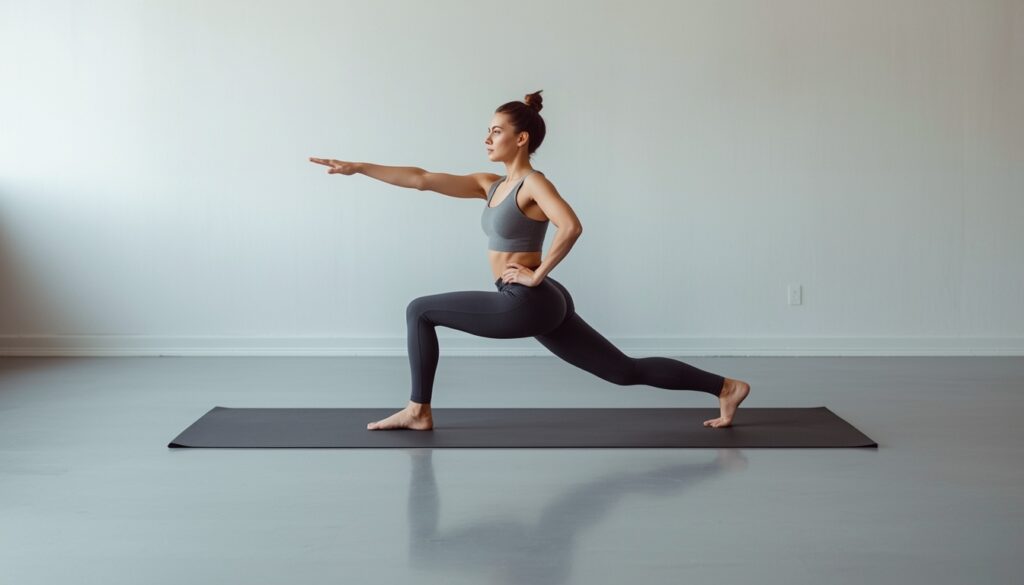
Durability is a critical factor for longer mats, as they experience more surface contact, repeated stretching, and higher pressure from extended stances. Over time, lower-quality mats may lose shape, develop thin spots, or start curling at the edges, which can affect comfort and safety.
Stretch resistance is especially important for taller users. Frequent long lunges, wide poses, and full-body extensions can cause softer materials to deform if they are not well constructed. Mats with reinforced cores or higher-density materials tend to maintain their structure longer.
Common signs of poor wear resistance include:
- Edge curling that creates uneven footing
- Surface peeling or cracking from repeated use
- Permanent compression marks in high-pressure areas
A durable mat stays flat, keeps its texture, and provides consistent support throughout its lifespan. While higher-quality materials may cost more upfront, they often deliver better long-term value by reducing the need for frequent replacement.
8. Portability & Weight
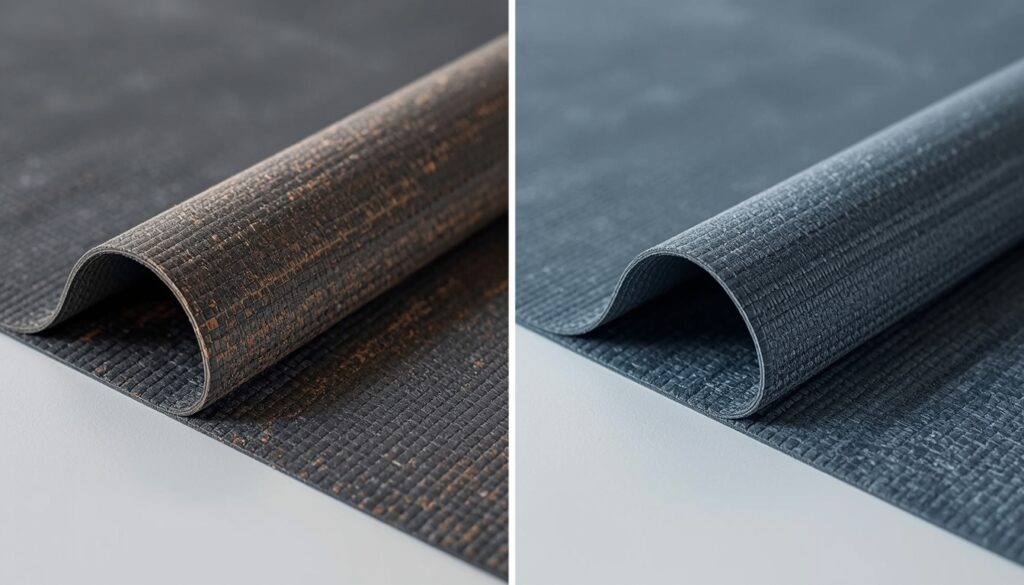
Extra length often comes with added weight, which can affect how easy a mat is to carry and store. For taller practitioners who travel to studios or practice outdoors, portability becomes an important consideration alongside performance.
Longer mats typically weigh more because they use additional material and, in many cases, higher density for stability. Heavier mats tend to stay in place better during practice, but they can feel cumbersome when carried over long distances. Lighter mats are easier to transport but may sacrifice some durability or grip.
Key portability factors to consider include:
- Overall weight – Lighter options are ideal for commuting, while heavier mats suit home or studio use.
- Roll size – Extra-long mats may roll thicker, requiring more storage space.
- Carrying accessories – Straps or bags can make transport more manageable.
Choosing the right balance depends on how often the mat is moved. A stable, heavier mat works well for fixed practice spaces, while a lighter long mat suits frequent travel.
9. Odor Resistance & Maintenance
Odor and cleanliness are important considerations for any yoga mat, especially for longer mats that cover more surface area and accumulate sweat over time. Taller practitioners often spend more skin in contact with the mat, which can intensify odors if the material is not resistant.
Material choice plays a major role in odor control. Natural rubber and cork mats tend to be naturally antimicrobial, reducing smells even during hot or sweaty sessions. Synthetic mats like PVC or TPE may develop a stronger initial odor but can be managed with proper care.
Maintenance tips for long-term freshness include:
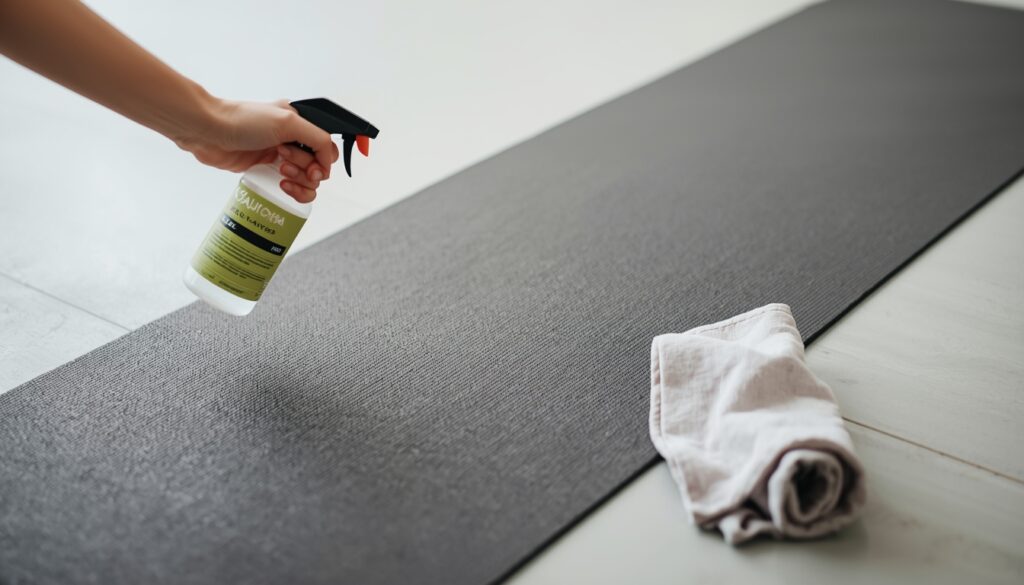
- Regular wiping with a mild soap solution or mat cleaner after each session
- Air drying completely before rolling up to prevent mold or mildew
- Deep cleaning occasionally for mats used in hot yoga or intense practice
Proper care not only keeps the mat smelling fresh but also extends its lifespan, preventing surface degradation from moisture and dirt.
10. Eco-Friendliness & Safety
For many practitioners, the environmental impact and safety of a yoga mat are just as important as comfort and performance. Mats made from non-toxic, sustainable materials reduce chemical exposure and support healthier skin during prolonged contact.
Common eco-friendly materials include natural rubber, cork, and TPE. These options are often free from harmful substances like phthalates, PVC, and heavy metals, which can cause skin irritation or allergic reactions. Certifications such as OEKO-TEX, GOTS, or Greenguard indicate that a mat meets strict safety and environmental standards.
Key considerations for eco-friendliness and safety:
- Non-toxic composition – Safe for direct skin contact
- Sustainable sourcing – Materials harvested with minimal environmental impact
- Hypoallergenic surfaces – Reduce risk of irritation for sensitive skin
11. Best Yoga Styles for Tall People
Taller practitioners often benefit from selecting yoga styles that align with their body proportions and mat requirements. Certain practices demand more space for long limbs, while others emphasize stability, balance, or heat management.
Here’s how different styles interact with longer mats:
- Flow (Vinyasa) Yoga – Frequent transitions and extended movements benefit from extra length and width to accommodate long strides and arm extensions.
- Power Yoga – Strength-focused poses put more pressure on joints and require a firm, supportive surface to maintain alignment and prevent slipping.
- Hot Yoga – Sweaty sessions need mats with excellent traction and odor resistance, as well as materials that can handle moisture without losing grip.
- Restorative Yoga – Slower, floor-based poses benefit from thicker mats that cushion joints while still providing enough space for full-body stretching.
- Alignment-Based Practices – Longer mats help maintain proper form in standing and seated poses, giving tall practitioners confidence that limbs are fully supported.
Selecting a mat that matches your style of practice ensures both comfort and performance — considering the type of yoga you most often practice, mat features like length, thickness, and grip can significantly enhance the session experience.
12. Home vs Studio Use
Choosing the right mat also depends on where you practice. Home and studio environments present different challenges in terms of space, flooring, and mat maintenance, which are especially relevant for longer mats.
Home Practice:
At home, you have more control over your practice area, so longer and wider mats are easier to accommodate. Consider the available floor space and furniture placement to ensure full mat extension without obstruction. Thicker mats can also provide extra joint support on hard floors.
Studio Practice:
In a studio, space may be more limited, and floors can vary from wood to tile. Extra-long mats may feel heavier or cumbersome to carry, so portability and weight become important. Mats with strong grip and non-slip backing are essential to maintain stability on smooth surfaces. Some studios may also require mats that are easy to clean between sessions.
Balancing comfort, size, and convenience ensures a smooth practice regardless of location. When evaluating the Best Yoga Mats for Tall People in 2026: Extra Length, Comfort & Stability Compared, consider how your mat will perform in both home and studio settings to maximize versatility and convenience.
FAQs
1. What length yoga mat is best for tall people?
72–84 inches works best, depending on height — 78″ suits most users between 6’0″ and 6’3″.
2. Do tall yogis need a wider mat too?
Yes, wider mats (26″+) give extra lateral space for broader shoulders and wide-legged poses.
3. What thickness is ideal for tall practitioners with joint sensitivity?
5–6 mm offers the best balance of cushioning and stability for most tall users.
4. Do extra-long yoga mats slip more than standard ones?
Not if they have strong base traction and balanced weight — quality long mats stay flat and stable.
5. Which material lasts longest for extra-long yoga mats?
Natural rubber and high-density PVC resist stretching and edge curling best over repeated use.
Conclusion
Finding the right yoga mat for tall people goes beyond basic comfort — it directly affects stability, alignment, and confidence in every pose. Extra length and width ensure full-body support, while the right thickness, grip, and material quality help protect joints and maintain control during both slow and dynamic sessions.
Longer mats must also deliver reliable stability, durability, and easy maintenance to perform well over time. Factors such as eco-friendliness, portability, and compatibility with your preferred practice space further shape the overall experience. If you’re also weighing cost alongside size, our affordable yoga mat guide covers budget-friendly options that don’t compromise on length or support. When these elements work together, the mat becomes a supportive foundation rather than a limitation.