Introduction
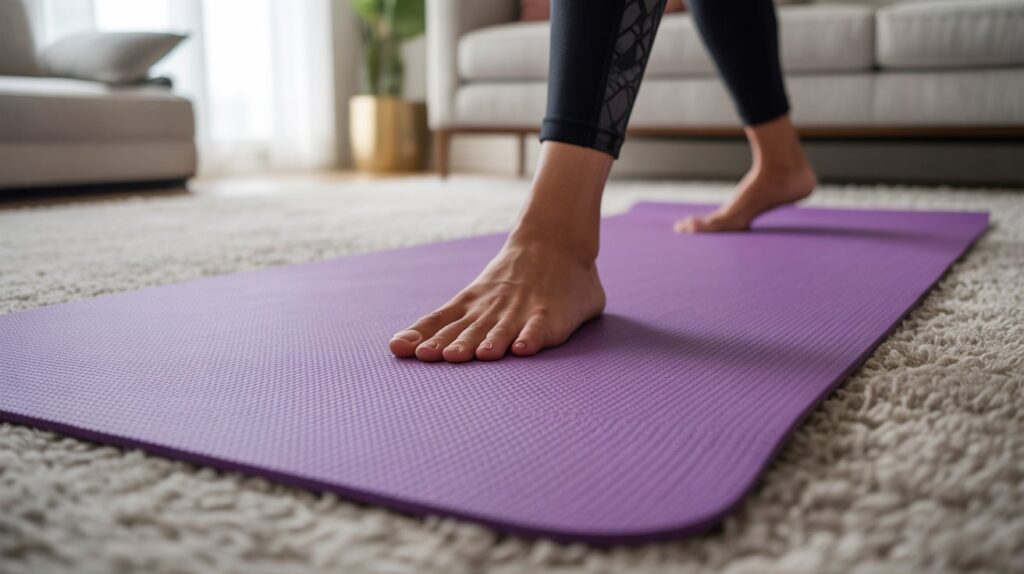
A yoga mat with lines—commonly referred to as an alignment yoga mat—is an essential tool designed to help practitioners improve posture, balance, and overall body awareness. Featuring precision-printed or laser-etched guide lines, these mats act as a built-in visual coach, making it effortless to place your hands, feet, and spine correctly in every pose. Whether you are practicing mindful flows at home, attending a studio session, or powering through a heated Vinyasa class, a yoga mat with alignment lines removes the guesswork from your practice.
Unlike a standard plain mat, these specialized markings help you instantly spot when your body is off-center, correct minor physical imbalances before they become habits, and build muscle memory that typically takes years of instructor-led training to develop. Whether you are a beginner stepping onto your very first Downward-Facing Dog or an advanced yogi refining complex transitions, upgrading to an alignment yoga mat ensures every session is safer, more precise, and highly consistent.
Table of Contents
1. Alignment Lines & Markings Design
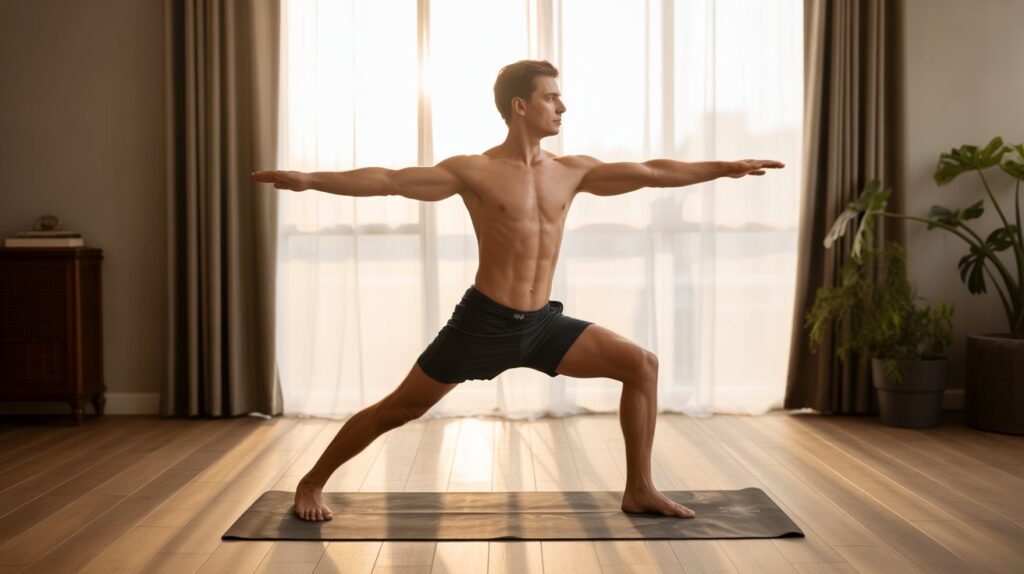
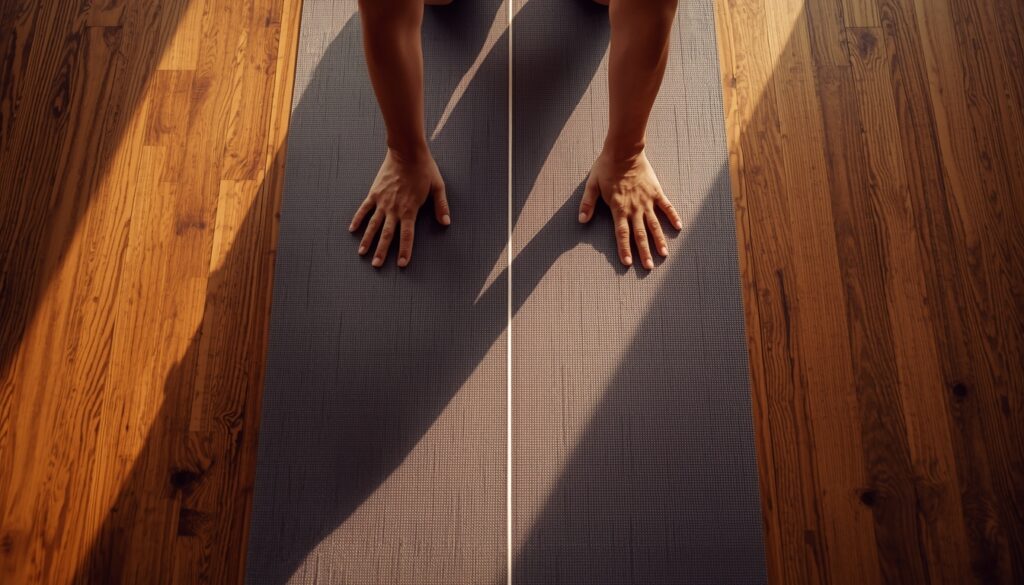
Alignment lines on a yoga mat are designed to guide hand, foot, and body placement during every pose, acting as a built-in visual coach for correct form. Most yoga mats with lines use a central vertical line to help center the body, along with horizontal or angled reference lines that show exactly where hands and feet should land in common poses like Warrior II or Downward Dog. Some advanced designs also include curved or grid-style markings to support more complex transitions and flow sequences.
Visibility is a key factor when evaluating alignment markings. High-contrast lines that stand out clearly against the mat surface are far easier to follow, especially in low light or during fast-paced vinyasa flows. Faded or poorly printed markings lose their usefulness quickly, so clear, well-defined lines matter more than decorative ones.
Symmetry also plays an important role in maintaining proper balance. Evenly spaced markings on both sides of the center line help practitioners compare left and right positioning at a glance, making it easier to notice and correct imbalances. This is particularly helpful during standing poses, lunges, and balance-focused sequences — and pairs well with choosing the right mat thickness, since a stable surface makes those alignment cues even easier to trust.
2. Material & Build Quality
The material composition of a yoga mat with lines directly dictates its physical performance, tactile feedback, cushioning level, and overall lifespan. Choosing the right compound depends on balancing your preferred practice style, environmental considerations, and physical safety. To ensure your alignment lines remain crisp and durable, evaluating the base substrate is crucial.
- PVC (Polyvinyl Chloride): Renowned for exceptional longevity and heavy-duty performance, PVC offers a powerful non-slip grip even during high-intensity or sweaty sessions. While it is less eco-friendly, it excels in durability for daily studio use.
- TPE (Thermoplastic Elastomer): A lightweight, flexible synthetic alternative to PVC. TPE provides moderate cushioning and reliable traction, serving as a balanced choice for practitioners seeking comfort alongside lighter portability.
- Natural Rubber: A biodegradable choice favored for superior ground grip and resilience. While it provides a firm, secure base for balance-focused flows, it is typically heavier and may carry a mild natural scent initially.
- Cork: Combines a warm, natural texture with built-in antimicrobial properties that resist bacteria and unpleasant odors. Interestingly, cork surfaces actually become grippier when exposed to moisture—making them ideal for warm rooms or vigorous practices. (For wider dimensions utilizing similar materials, check out the Nomad XL Cork Yoga Mat).
- Eco-Friendly Fibers (Jute & Organic Cotton): Sustainable alternatives offering a unique tactile experience. While lightweight and biodegradable, they may require careful consideration regarding padding. For deeper insights into organic alternatives, explore the Organic Cotton Yoga Mats Guide.
Core Build Quality & Safety Considerations
Regardless of the primary compound chosen, superior structural build quality ensures consistent thickness across the mat, sealed edges, and high tear-resistance. A well-constructed alignment mat stays completely flat on the floor, maintains dimensional stability, and feels reliable underfoot during complex transitions.
When evaluating manufacturing standards, it is important to look beyond marketing claims. Independent evaluations by organizations like the Ecology Center have frequently highlighted labeling inconsistencies regarding synthetic and eco-friendly mat contents. Verifying genuine non-toxic standards ensures your mat pairs safe materials with the right yoga mat thickness to protect your joints and support optimal posture.
3. Grip & Slip Resistance
Grip and slip resistance are essential qualities that determine how secure you feel during a session. A mat with strong traction helps prevent hands and feet from sliding, which is especially important in poses that require balance or stability.
Dry Practice Performance
For standard, non-sweaty sessions, many mats provide adequate grip. Surface texture plays a big role — matte, slightly textured finishes often offer better traction than very smooth ones. Beginners and casual practitioners will usually find that most good mats perform well enough in dry conditions.
Sweaty Sessions & Heated Practices
When you start to sweat, grip becomes far more important. Moisture can make surfaces slippery, compromising stability and increasing the risk of injury. This isn’t just anecdotal — research on skin friction shows that a film of moisture between the skin and a contact surface can cause a loss of friction and increase the risk of slipping, which is exactly why mat texture matters so much once you start sweating. Mats designed with deeper texture or tacky surfaces tend to hold up better in these scenarios, and some materials — like natural rubber — actually improve their grip when damp, making them ideal for hot flows and vigorous practices. Research Outreach
Surface Patterns & Texture
Raised patterns, ridges, or micro-textures enhance friction between your skin and the mat surface. These features work by increasing contact points and helping water disperse rather than pool under your hands and feet — similar in principle to how the ridges in human fingertips help manage grip under moisture.
How to Improve Grip
If a mat starts slippery over time or during sweaty sessions, a quick wipe with a damp cloth can help. Some practitioners use a light mist of water or a natural grip spray to boost traction mid-practice.
4. Thickness & Cushioning
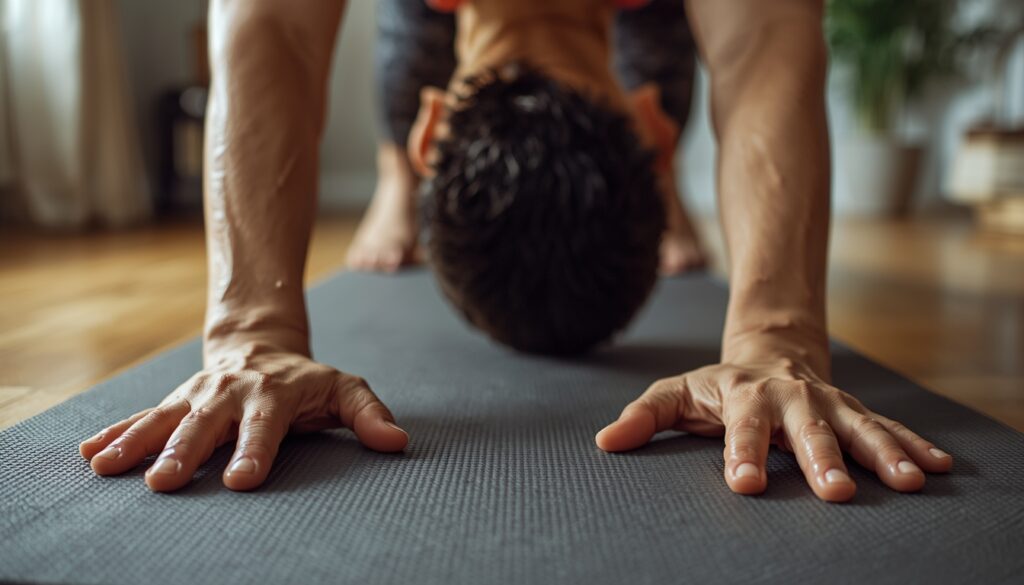
The thickness and cushioning profile of a yoga mat with lines directly governs your overall comfort level, joint protection, and stability during transitions. Balancing plush comfort with a firm foundation is essential for maintaining precise alignment and avoiding discomfort in high-pressure poses.
- Thin Profiles (2–3 mm): These compact designs provide a direct, tactile connection to the floor, significantly enhancing balance and grounding. They are ideal for standing sequences, arm balances, and travel, though they offer minimal padding for sensitive knees and wrists.
- Medium Profiles (4–5 mm): The ultimate versatile middle ground. A medium-thickness alignment mat provides adequate joint cushioning without compromising the structural stability needed for precise hand and foot placement.
- Thick Profiles (6–8 mm+): Designed for maximum shock absorption and superior impact protection. While they offer exceptional relief for tender joints during floor work and restorative sessions, the extra plushness can introduce minor instability during challenging balancing poses.
Key Performance Factors: Joint Protection vs. Stability
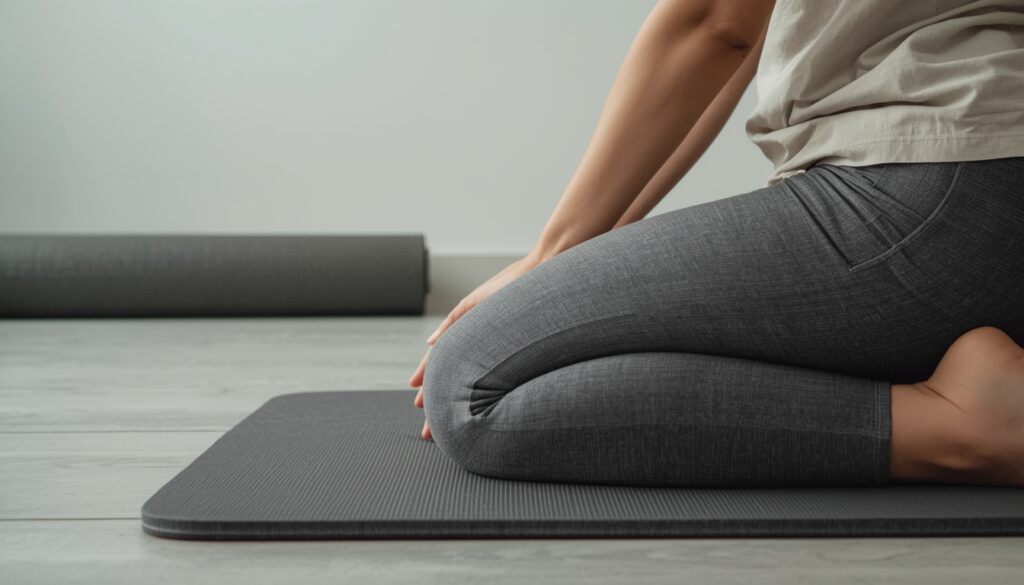
- Targeted Joint Support: Optimal cushioning absorbs body weight to minimize compression stress on vulnerable joints, including knees, wrists, and elbows during kneeling lunges or prolonged holds.
- Balance Control & Grounding: While high-density padding feels luxurious, too much bounce can disrupt steady footing. Thinner or medium-density mats provide a firmer base, ensuring your alignment markings remain trustworthy during dynamic flows.
- Tailoring to Your Practice Style:
- Restorative & Yin Yoga: Thicker padding maximizes relaxation and physical comfort during long, stationary holds.
- Vinyasa, Power, & Dynamic Flows: A medium profile provides the best blend of responsiveness and postural control.
- On-the-Go Practice: Ultra-thin options excel in portability and lightweight travel needs.
For a comprehensive breakdown of how different profiles impact your daily routine, explore the complete Yoga Mat Thickness Guide to find the ideal match for your body type.
5. Size & Dimensions
Size and dimensions play a key role in how comfortable and effective your yoga practice feels. Choosing the right yoga mat size ensures you have enough space for full-body movements without your feet or hands hanging off the edges — something that becomes especially noticeable during longer holds or full-extension poses.
Standard Sizes
Most mats come in a standard length of around 68–72 inches (about 173–183 cm) and a width of about 24 inches (61 cm). These dimensions suit the majority of practitioners and fit well in most studio spaces and classrooms. Standard sizes are a solid choice if you’re average height and don’t require extra surface area.
Extra-Long Mats
If you’re taller or prefer more space to stretch out, extra-long options (typically 74–84 inches / ~188–213 cm) provide that added length. They help ensure your head and heels stay on the mat during full extensions, which makes sequences feel more natural and secure. If height is a recurring issue during your practice, our guide to extra-long yoga mats for tall yogis breaks down the best options in more detail.
Wide Mats
Some mats are wider than the standard 24 inches, offering more room side-to-side. Wider designs are useful if you have a broader wingspan, practice dynamic flows, or simply like extra room to move comfortably.
Travel and Compact Versions
For portability, travel mats may be narrower or lighter with thinner profiles. They’re ideal if you carry your mat regularly or practice in tight spaces, though they offer less surface area than full-size mats.
Choosing the Right Size
- Your height: Taller practitioners often benefit from extra length.
- Practice style: If you frequently stretch into wide-legged poses or dynamic movements, more width helps.
- Storage & transport: Compact or standard sizes are easier to roll up and carry.
Picking the appropriate size makes your practice feel less restricted and supports smoother transitions from pose to pose.
6. Durability & Wear Resistance
When evaluating any practice surface, durability and wear resistance matter because they determine how long the mat will last and how well its features — including alignment markings — hold up over time.
Material Matters
Different materials affect longevity. Durable synthetics such as PVC tend to resist tearing and compressing, while natural rubber and cork can wear more quickly if used daily on rough floors. High-quality TPE options also offer a good balance of resilience and flexibility. If you’re weighing durability against cost, our budget-friendly yoga mat comparison covers which affordable mats hold up best over time.
Everyday Wear and Tear
Regular use, especially in vigorous sessions, can cause surface texture to fade or become smooth. Visible grip patterns may soften, and edges might start to fray. Mats with dense, tightly bonded layers usually withstand this wear better than cheaper, loosely constructed ones.
Markings & Lines Longevity
Printed or embedded lines and grids help with proper posture and alignment, but their effectiveness depends on how they’re applied. Laser-etched or molded markings tend to stay visible longer than surface prints that can rub off with time. Durable alignment guides help keep your practice precise for months or even years.
Compression and Shape Retention
Over time, lower-quality mats may lose thickness and develop permanent indentations where you place your hands and knees most often. A mat that regains its shape after use indicates good build quality and resistance to compression — especially important if joint comfort is a priority.
Care and Maintenance
Taking care of your mat can extend its life. Avoiding sharp objects, cleaning gently with recommended sprays or wipes, and storing it flat or loosely rolled can reduce premature wear. Some practitioners even alternate between two mats to distribute usage evenly.
7. Ease of Alignment for Beginners
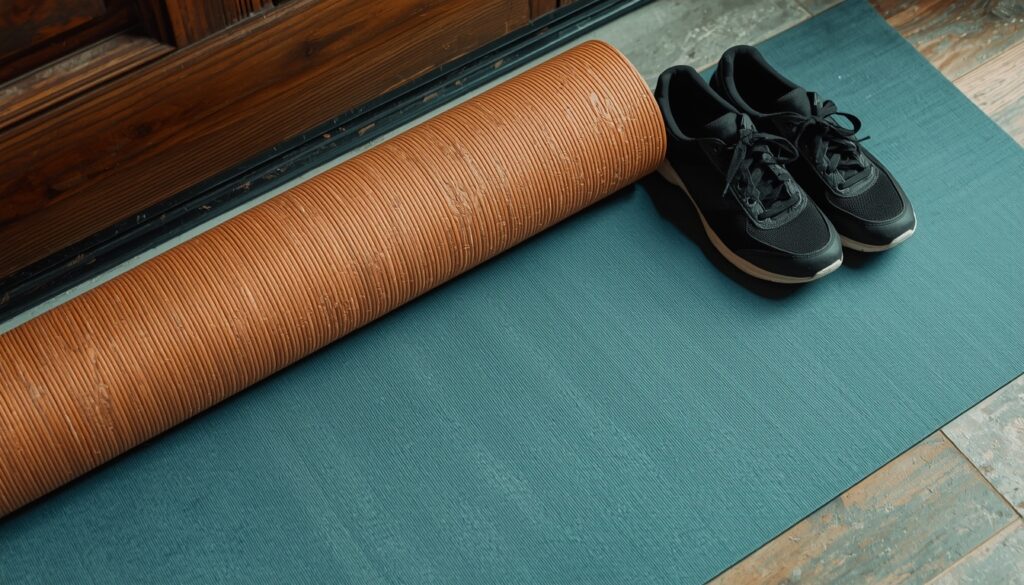
For individuals stepping onto the mat for the first time, maintaining proper posture, structural symmetry, and kinesthetic awareness can feel overwhelming. Integrating clear guide lines directly onto the surface functions as an intuitive visual coach, enabling beginners to position their hands, feet, and torso confidently without needing constant mirror checks or instructor corrections.
- Clear Visual Reference Points: Beginners frequently struggle with limb placement during complex standing sequences. Central vertical axes and horizontal calibration marks provide exact placement cues for the front and back foot, streamlining setup for foundational postures like Downward-Facing Dog, Warrior I, and Crescent Lunge.
- Accelerated Body Awareness & Self-Correction: Printed alignment markings eliminate guesswork regarding whether a foot is positioned too far forward or an arm is uncentered. This immediate feedback loop allows practitioners to self-correct in real time, building deep muscle memory and foundational body awareness faster than traditional plain mats allow.
- Safer, More Confident Home Practice: Practicing solo without direct supervision increases the risk of accidental joint strain due to subtle misalignments. Consistent line cues remove uncertainty, helping practitioners maintain a safe, ergonomic routine during independent home sessions.
- Faster Skill Progression: By reinforcing proper anatomical positioning with every session, new yogis develop correct movement patterns much quicker. This structured visual support lowers the learning curve, transforming intimidating poses into accessible, rewarding milestones.
8. Performance for Advanced Yoga Styles
For experienced practitioners executing dynamic sequences—such as Vinyasa flow, Power Yoga, Ashtanga, or heated athletic practices—high-performance characteristics are essential. Advanced routines demand exceptional surface responsiveness, unyielding traction, and structural stability to support rapid transitions and intense physical conditioning.
- High-Performance Traction for Dynamic Flows: Fast-paced disciplines involve continuous movement between standing postures and floor transitions. A high-traction surface prevents slipping when hands and feet shift rapidly, providing the security needed for strength-heavy sequences.
- Responsive Surface Texture: A tactile, non-slip finish enhances skin-to-mat contact, giving advanced practitioners the stability required to hold challenging arm balances or push deeper into advanced stretches without losing footing.
- Unwavering Support in Balance & Inversions: Balance-intensive postures and inversions require absolute steadiness. Premium material density and grip prevent microscopic shifting underfoot, preserving alignment integrity during complex transitions.
- Strategic Visual Cues for Complex Flows: Even advanced yogis utilize alignment markings to map out symmetry and streamline quick transitions. Clear, unobtrusive lines assist in instant limb placement, maintaining biomechanical efficiency during complex flows.
- Long-Term Durability Under Frequent Use: Rigorous daily practice accelerates wear and tear. High-wear resistance and sturdy construction ensure the mat withstands heavy friction, sweat exposure, and continuous rolling without degrading in grip or structural integrity.
For a deeper scientific overview of how proper biomechanics and stability impact complex movement patterns, you can review the educational resources provided by the American Council on Exercise.
9. Portability & Weight
Portability and weight are critical considerations for practitioners who frequently commute to local studios, travel for work, or attend wellness retreats. A lightweight, easy-to-pack design removes friction from your daily routine, ensuring consistency whether you are practicing on the go or setting up a dedicated corner at home.
Balancing Portability with Performance: While ultra-light designs maximize mobility, ensure the mat maintains sufficient traction and baseline joint support so your alignment-focused practice doesn’t suffer on the road.
Lightweight Material Profiles: Materials like TPE or slim-profile natural rubber generally weigh significantly less than heavy-duty commercial PVC. Reducing overall equipment weight eliminates the physical strain of daily transport.
Compact Rolling & Storage Efficiency: A high-flexibility surface coils tightly without springing open, fitting neatly into gym lockers, overhead compartments, or crowded gear bags.
Travel-Specific Engineering: Specialized travel mats feature slim cross-sections designed for maximum packability without sacrificing essential surface area, making them ideal for vacations and weekend getaways.
Carrying Accessories: Utilizing dedicated yoga straps or protective carry bags safeguards your equipment from dust, moisture, and friction damage during transit while freeing up your hands.
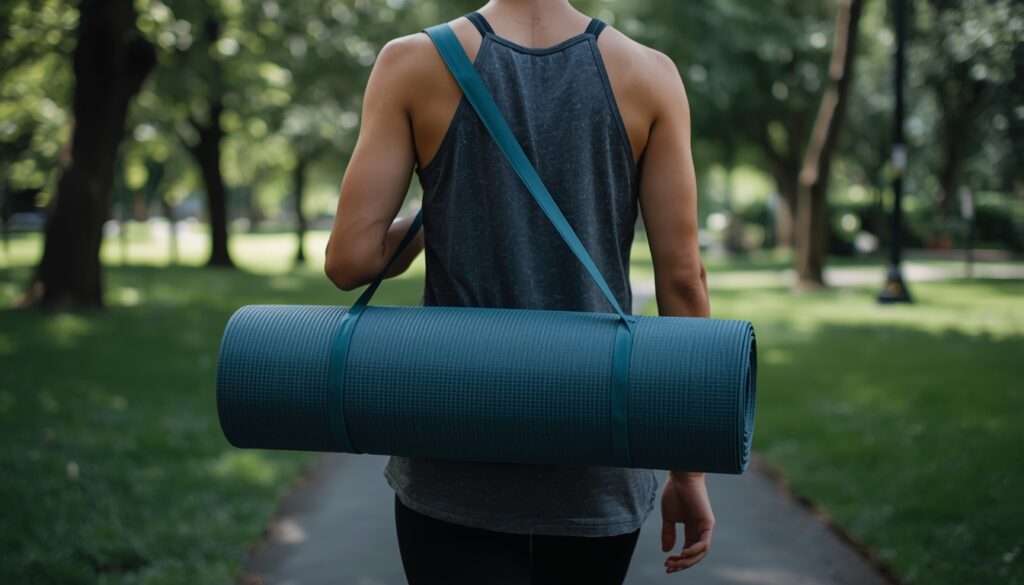
9. Portability & Weight for Mobile Practitioners
Portability and overall weight profile are vital decision factors for yogis who frequently commute to studio classes, travel for business, or attend outdoor wellness retreats. Selecting a lightweight, highly packable yoga mat with lines eliminates friction in your daily routine, guaranteeing practice consistency whether you are on the road or establishing a home sanctuary.
Balancing Mobility with Performance: While ultra-light portable options maximize convenience, verify that the mat preserves sufficient traction and baseline joint cushioning so your alignment practice remains uncompromised away from home.
Lightweight Material Composition: Synthetic alternatives like TPE or low-profile natural rubber generally weigh considerably less than heavy-duty commercial PVC. Minimizing overall equipment load relieves physical strain during daily transit.
Compact Coiling & Storage Efficiency: A flexible alignment mat rolls tightly without springing open, fitting neatly into gym lockers, carry-on luggage, or compact gear compartments.
Travel-Optimized Design: Specialized travel alignment mats feature ultra-slim cross-sections engineered for maximum packability while retaining the exact surface markings needed for form accuracy during weekend getaways.
Transit Accessories & Protection: Utilizing dedicated yoga carrying straps or zippered bags shields your mat from friction damage, dust, and moisture while keeping your hands free during commutes.
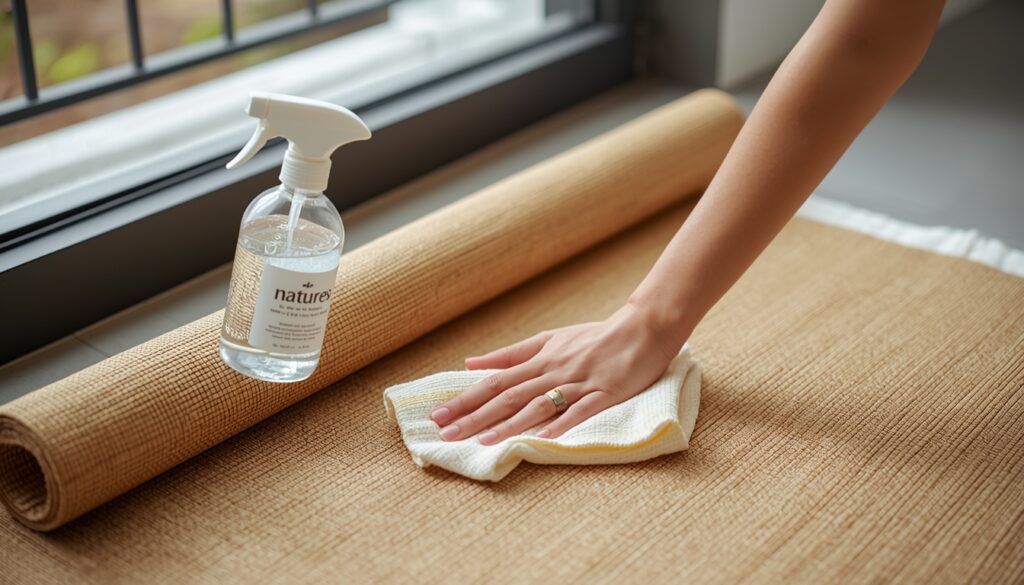
11. Eco-Friendliness, Sustainability & Material Safety
As modern practitioners increasingly prioritize sustainability, selecting a yoga mat with lines manufactured from eco-friendly, non-toxic materials is paramount. Sustainable alignment mats not only minimize environmental impact but also guarantee a healthier, toxin-free practice surface for your skin and respiratory wellness.
Holistic Mindfulness in Practice: Training on a chemical-free, sustainably sourced surface reinforces the core principles of mindfulness and physical well-being, ensuring your wellness routine protects both your body and the planet.
Non-Toxic Material Selection: Mats crafted from natural rubber, cork, or TPE typically bypass the harmful phthalates and heavy chemical plasticizers found in traditional PVC. Non-toxic substrates minimize off-gassing and volatile organic compound (VOC) exposure, keeping skin contact and close-range breathing safe during intense floor holds.
Environmental Sustainability & Biodegradability: Eco-conscious alignment mats are engineered from renewable or recyclable resources. Materials like organic cork and natural rubber regenerate naturally, significantly lowering your carbon footprint and supporting an eco-conscious, mindful lifestyle.
Industry Certifications & Safety Standards: Prioritize mats backed by recognized environmental certifications. Verification labels such as OEKO-TEX Standard 100, Global Organic Textile Standard (GOTS), or independent eco-labels ensure strict adherence to low chemical emissions and responsible sourcing.
Long-Term Durability Meets Ecological Responsibility: High-build sustainability means you don’t sacrifice longevity. Premium eco-friendly alignment mats resist wear and tear over years of continuous use, reducing landfill waste by eliminating the need for frequent replacements.
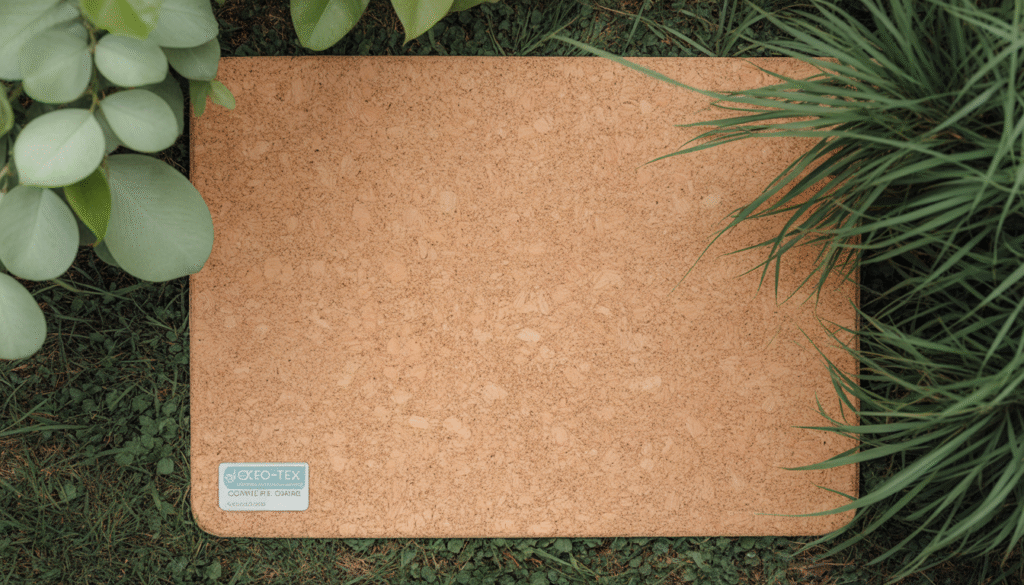
12. Design, Color & Aesthetic Appeal
The visual design of a yoga mat goes far beyond looks — it can genuinely influence mood, focus, and overall enjoyment during a session. When choosing a surface, consider how design elements like line contrast, color choices, and pattern style work together to support both function and personal preference.
Line Contrast
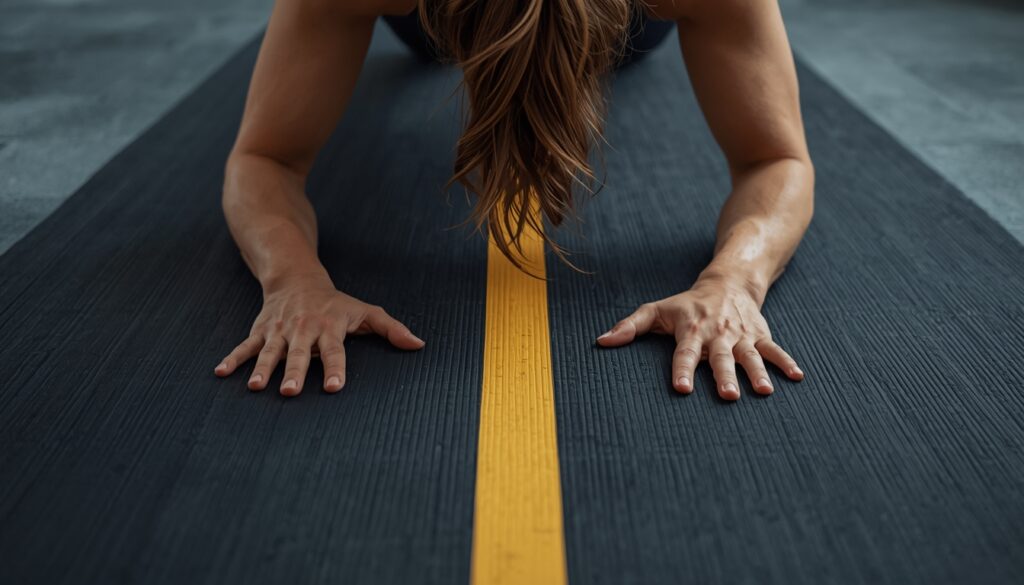
High contrast between the alignment lines and the mat’s background makes visual guides much easier to see, especially in varied lighting conditions. Clear, bold lines set against complementary colors make it simpler to position hands and feet accurately, directly enhancing posture and form during practice.
Color Options
Color can have a subtle but real impact on mindset. Calming shades like blues and greens may help promote relaxation and focus, while brighter hues like coral or teal can energize and uplift your practice. Neutral tones often appeal to those who prefer a minimalist look. Choose a color that resonates with your personal style and genuinely encourages regular use — the mat you enjoy looking at is the mat you’ll actually roll out.
Pattern and Style
Some mats use intricate patterns or artistic designs to add personality. While visually appealing, make sure decorative elements don’t interfere with practical alignment guides if clarity matters for your posture and form. Simple, elegant patterns often strike the best balance between aesthetic and utility. If you’re shopping on a budget, our affordable yoga mat comparison highlights options that don’t sacrifice design for price.
Matching Your Space and Gear
A mat that complements your yoga space, workout attire, or accessories can boost confidence and make your practice feel more intentional. For home setups or studio classes, a cohesive look can add to overall satisfaction and motivation.
Durability of Design
Printed or colored elements should be durable and resistant to fading from sweat, cleaning, and sunlight. High-quality surfaces maintain their look longer, so your investment stays vibrant and useful over time.
FAQs
What are alignment lines used for on a yoga mat?
Alignment lines help guide hand, foot, and body placement, making it easier to maintain proper posture and balance during poses.
Are alignment markings helpful for beginners?
Yes, they provide clear visual cues that help beginners learn correct positioning and build confidence, especially during home practice.
Do alignment guides wear off over time?
High-quality mats use printed, etched, or molded markings that remain visible longer, especially with proper care and regular cleaning.
Can experienced yogis benefit from alignment markings?
Absolutely. Advanced practitioners use them to maintain symmetry, refine form, and improve consistency during fast or complex flows.
Do alignment markings affect grip or comfort?
No, well-designed markings are integrated into the surface without reducing grip, cushioning, or overall comfort during practice.
Conclusion: Finding Your Ideal Yoga Mat with Lines
Investing in a yoga mat with lines directly improves your posture, stability, and practice safety. Key features like precision alignment markings, reliable grip, proper thickness, and non-toxic materials work together to elevate every session—whether you are a beginner building muscle memory or an advanced yogi refining complex flows.
By weighing material quality, portability, and sustainability, you can choose an alignment mat that fits your exact lifestyle. Prioritizing durable construction ensures long-term performance and joint protection.