Introduction
Finding the best non-slip yoga mat isn’t just about comfort — it’s about safety, balance, and performance. A high-quality non-slip yoga mat keeps your hands and feet firmly grounded, whether you’re holding a challenging balance pose, flowing through a fast-paced vinyasa sequence, or pushing through a sweat-soaked hot yoga session.
The right mat gives you the traction and stability to focus on your practice — not on slipping. In this guide, we’ve tested and compared the top non-slip yoga mats of 2026, looking at grip performance, material quality, and wet-condition traction, so you can choose the mat that best fits your practice style.
Table of Contents
1. Grip & Traction Performance
Grip and traction are the most important factors that separate a high-quality non-slip yoga mat from an average one. A reliable mat keeps your hands and feet firmly anchored, whether you’re easing through gentle stretches or holding a challenging arm balance.
In dry conditions, a well-made mat delivers instant surface grip the moment you step on it. The texture should feel secure and confident underfoot — never sticky or restrictive — so you can transition smoothly between poses while staying fully in control.
In sweaty or high-intensity sessions, traction becomes non-negotiable. Mats with moisture-activated surfaces, natural rubber bases, or deeply textured top layers consistently perform better once they get damp. This is especially important if your practice leans toward hot yoga, power flows, or extended, sweat-heavy sessions where slipping risk rises sharply.
Equally important is bottom-layer grip. A well-engineered mat stays firmly anchored to the floor — no sliding on tile, hardwood, or concrete. Strong floor contact translates directly into better balance, more confidence in your poses, and greater overall stability from the first breath to the last.
2. Material Type & Surface Texture
The material and surface texture of a non-slip yoga mat directly shape how secure and confident it feels during practice. Each material brings its own balance of grip, comfort, and long-term durability — so understanding the differences helps you pick the right fit for your practice style.
Natural rubber mats are prized for their strong traction and excellent floor grip. Their slightly tacky surface keeps hands and feet from sliding, particularly during demanding poses, which is why they’re a top choice for stability-focused practitioners.
TPE (Thermoplastic Elastomer) mats are lightweight and flexible, featuring a soft, patterned surface that offers decent grip in dry conditions. They’re comfortable underfoot, though their traction can drop off during heavy-sweat sessions compared to rubber-based alternatives.
PU (Polyurethane) surfaces are engineered to grip better as moisture increases — the opposite of most materials. This makes PU mats a favorite for hot yoga and other intense styles where sweat typically causes slipping on smoother surfaces.
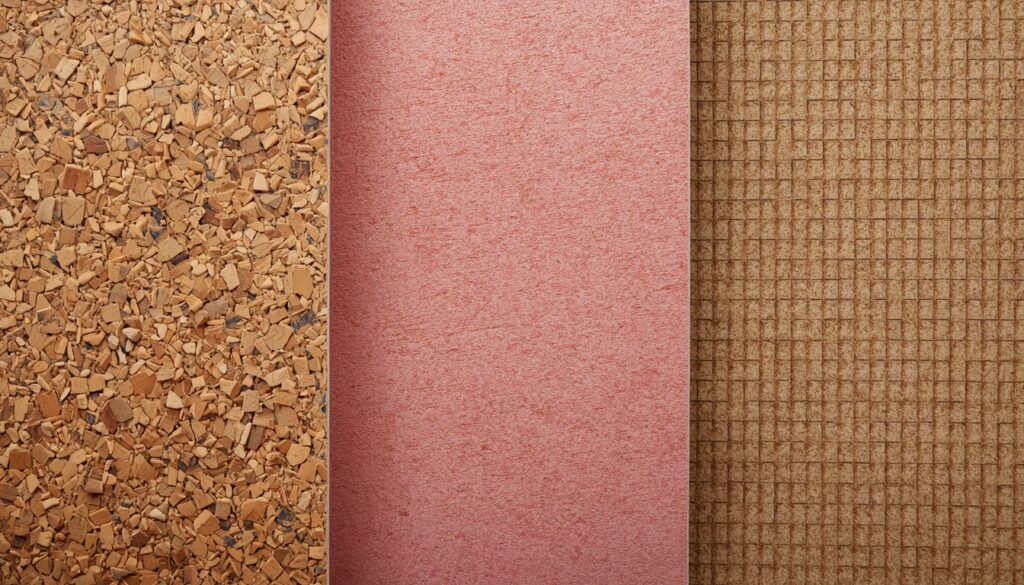
Cork mats bring a naturally textured, organic surface that becomes more secure the more damp it gets. Beyond grip, cork is naturally odor-resistant, making it a practical, low-maintenance option for frequent practitioners.
PVC mats typically feature a smooth or lightly textured finish. They’re durable and budget-friendly, though they often need a short break-in period before grip improves — best suited for low- to moderate-intensity sessions.
3. Slip Resistance When Wet
Slip resistance when wet is a key performance factor for yogis who practice hot yoga, power yoga, or any intense style that causes heavy sweating. As moisture builds up, some mats can become slick and unstable, making it harder to hold poses safely.
Mats with moisture-activated surfaces are designed to improve grip as they get damp. These surfaces work by absorbing small amounts of sweat and creating friction between your skin and the mat, helping you stay grounded even in challenging conditions.
Textured or patterned tops also help channel moisture away from contact points, reducing the chance of slipping. Deep grooves and raised textures provide multiple points of contact that maintain traction when hands or feet are wet.
Some materials, like natural rubber and cork, hold up well under moisture because they naturally offer grip even when damp. Other materials may require a quick towel wipe or a light mist of water to maintain traction throughout a session.
4. Thickness & Cushioning
Thickness and cushioning directly affect how comfortable a mat feels under your hands, knees, and feet. The right level of padding can protect your joints and make longer sessions more enjoyable.
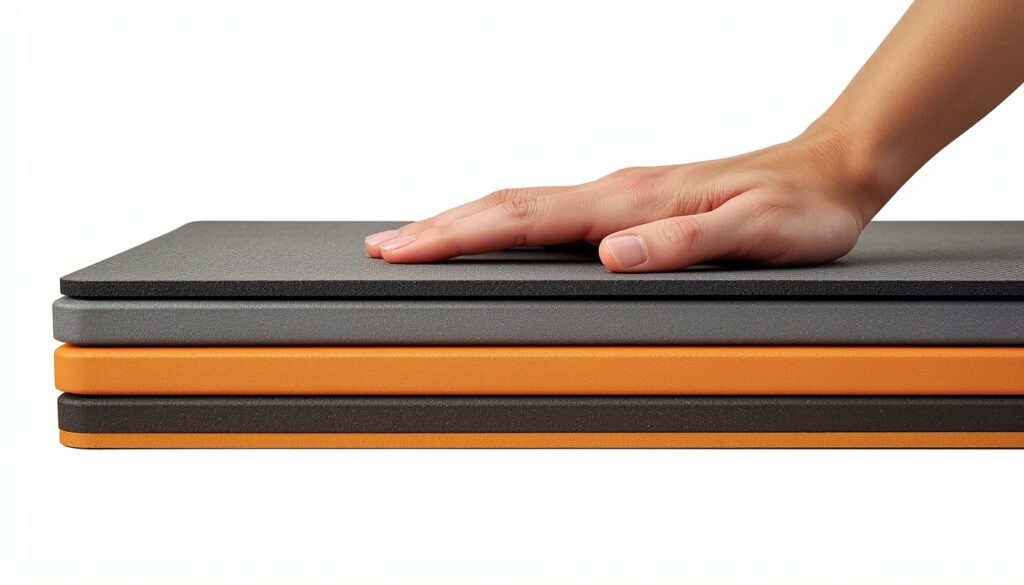
A standard thickness (about 4–6 mm) offers a good balance of comfort and stability for most practices. It provides enough padding to ease pressure on knees and wrists without making it hard to balance in standing poses.
Thicker mats (6 mm and above) deliver extra cushioning, which is especially helpful if you have sensitive joints or prefer gentler practices like restorative or yin yoga. However, too much padding can sometimes reduce stability during balance-focused postures.
Thinner mats (around 3 mm) are lightweight and great for travel or styles that emphasize balance and precision. They allow you to feel more connected to the floor, which benefits alignment and control, but may offer less shock absorption.
Good cushioning also protects the floor beneath you, reducing wear from frequent use or vigorous movement. When choosing thickness, consider your body’s needs and the types of poses you most often perform.
5. Stability & Ground Contact
Stability and ground contact determine how securely your non-slip yoga mat stays in place across different floor surfaces. A stable mat eliminates unwanted sliding, letting you focus completely on your practice instead of constantly readjusting your footing.
The bottom surface plays the biggest role in overall stability. Mats with textured or patterned undersides grip floors far better — whether you’re on hardwood, tile, or a gym mat — and this enhanced contact significantly reduces the chance of shifting under pressure.
Natural rubber typically delivers the strongest traction on smooth surfaces, keeping the mat anchored during transitions and weight shifts. Certain synthetic materials also offer solid floor grip, though performance can vary depending on texture and underside design.
Floor type matters just as much as material. On smooth or polished floors, a mat with stronger adhesive-style grip makes a noticeable difference. On carpeted surfaces, too much underside texture can actually create drag — so a slightly smoother base often performs better in that setting. This is especially worth considering if you’re using a longer or wider mat, where more surface area means more contact points to manage across the floor.
Good stability doesn’t just improve safety — it directly enhances balance. When your mat stays flat and secure, you can hold poses with confidence, maintain proper alignment, and lower your risk of injury. A mat with reliable ground contact isn’t optional — it’s essential for a consistent, secure practice.
6. Durability & Wear Resistance
Durability and wear resistance determine how long your non-slip yoga mat stays functional and visually appealing through regular use. A high-quality mat should resist tearing, peeling, and surface breakdown — even after months of frequent sessions.
Material quality is the true foundation of durability. Dense, high-grade materials consistently outperform cheaper alternatives over time. Natural rubber and certain thermoplastic blends are known for holding their structure and grip far longer than lower-grade PVC or foam mats.
Surface breakdown is a common complaint with mats that see heavy use — especially in high-friction styles like vinyasa or power yoga. Look for mats with reinforced textures or tightly bonded layers, since these are far less likely to develop bald spots or lose traction as time goes on.
Peeling at the edges or delamination between layers is a clear sign of weak construction. This tends to happen with cheaper mats or ones never designed for intense, regular use. A well-built mat should hold its shape — no curling edges, no separating layers.
Stretching and compression also impact long-term performance. Thinner mats or those with softer foam cores can gradually lose their original thickness, cutting into cushioning and support. Mats built with sturdy cores and resilient materials hold their form significantly better, which directly supports long-term comfort and stability.
7. Comfort for Different Yoga Styles
Yoga styles vary widely in pace, intensity, and movement patterns — which means the “right” mat often depends heavily on which practice you do most.
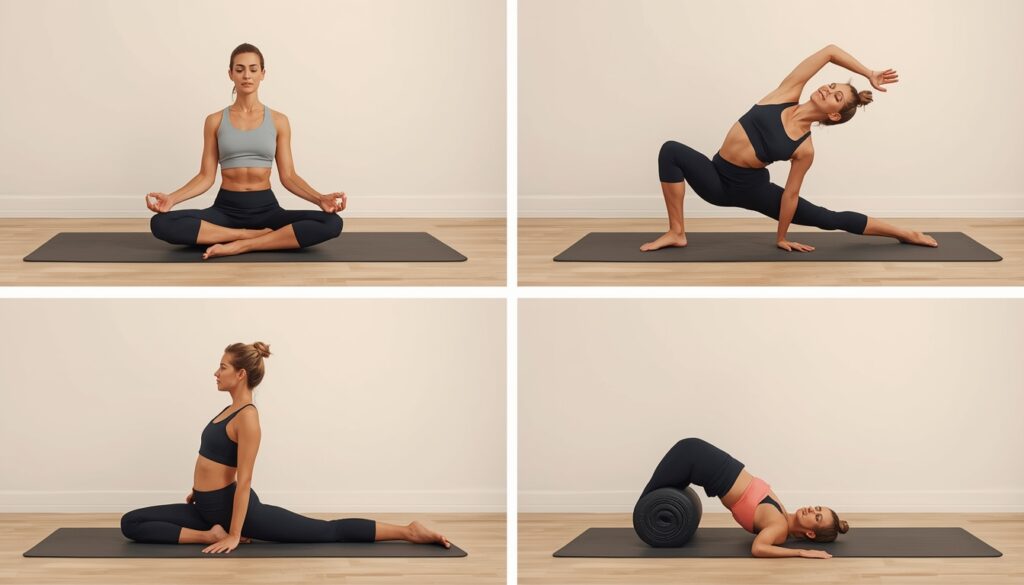
Hatha Yoga, typically slower-paced and alignment-focused, pairs well with moderate cushioning and steady grip — enough support without feeling overly soft underfoot.
Vinyasa Yoga involves continuous transitions and dynamic flow, so a mat with responsive traction and a solid surface feel is essential for maintaining stability during faster movements. Moderate thickness strikes the best balance between comfort and control here.
Ashtanga Yoga is vigorous, repetitive, and heat-generating, often leading to heavy sweat. Mats that manage moisture well and deliver reliable traction help keep hands and feet secure throughout the entire primary series.
Hot Yoga puts grip to the ultimate test due to intense sweating. Mats built specifically for moisture management and wet-condition traction provide the confidence needed to move safely through heated sessions.
Pilates centers on core work, floor exercises, and stability-driven movements. Slightly thicker padding adds comfort for extended time on your back or elbows, while still preserving enough grip for full control.
8. Sweat Absorption & Moisture Control
Sweat absorption and moisture control are essential features for anyone who practices intense or heated sessions. When moisture builds up on the surface, a mat that can manage it effectively helps prevent slipping and keeps your practice steady.
Some mats are designed with absorbent surfaces that wick sweat away from your contact points. These materials help maintain traction even as your palms and feet get damp, reducing the need to constantly wipe the mat during practice.
Others use textured patterns that channel moisture into tiny grooves. These channels improve surface grip by giving skin more points of contact and preventing a slick film of sweat from forming.
Mats with poor moisture control can quickly become slippery, especially during hot yoga or vigorous flows. This not only makes poses harder to hold but also increases the risk of losing balance or shifting unintentionally.
9. Ease of Cleaning & Maintenance
Keeping your mat clean is important for hygiene, odor control, and long-term performance. Different materials require different care, but most cleaning methods are simple and manageable.
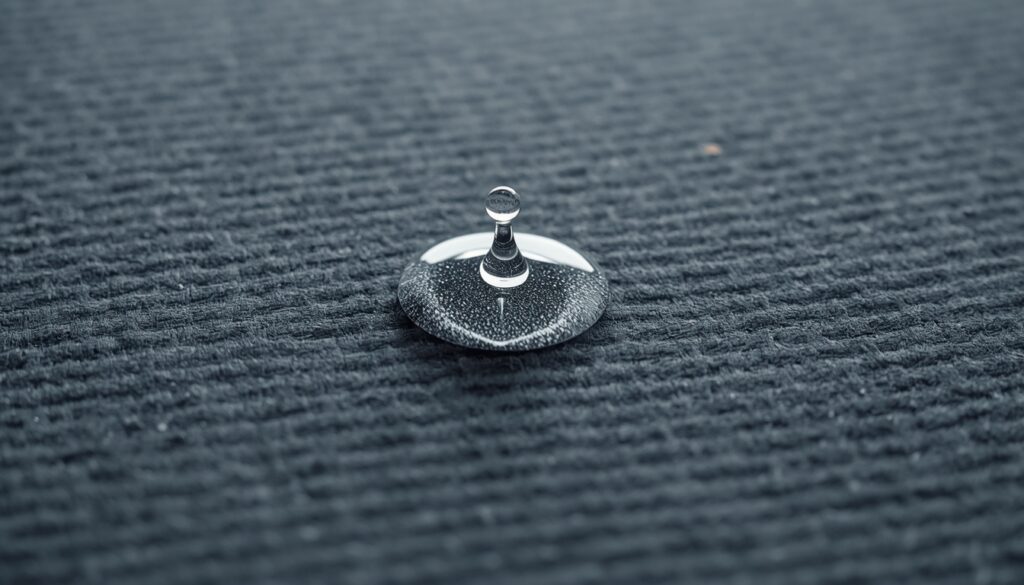
For daily maintenance, a quick wipe with a damp cloth after practice helps remove sweat and surface dirt. This prevents buildup that can lead to odors or a slippery feel over time.
For deeper cleaning, mix a small amount of mild soap with water and gently scrub the surface using a soft cloth or sponge. Rinse with clean water and allow the mat to air dry completely before rolling it up. Avoid harsh chemicals or abrasive brushes, as they can damage some materials.
Some materials, like rubber or cork, naturally resist strong smells, while others may retain odors if not cleaned regularly. Good ventilation and regular wiping reduce the chance of lingering scents.
Be mindful of drying practices: always let the mat dry flat or hang it in a well-ventilated area. Avoid direct sunlight for extended periods, as UV exposure can degrade certain materials.
10. Eco‑Friendliness & Safety
When choosing a mat, considering eco‑friendliness and safety helps protect both your health and the environment. Many mats are now made with non‑toxic materials that avoid harmful chemicals like phthalates, heavy metals, and synthetic fragrances. These substances can off‑gas or irritate the skin, especially during sweaty practices, so safer material choices improve comfort and peace of mind.
Sustainable materials such as natural rubber, cork, jute, and certain biodegradable foams reduce environmental impact compared with traditional synthetic plastics. Natural rubber and cork are renewable resources that break down more easily at end of life, making them better options for environmentally conscious practitioners.
Certifications and third‑party testing offer additional assurance. Look for mats with labels indicating they meet stringent standards for low chemical emissions and material safety. These certifications show that a mat has been evaluated for both human and environmental health.
Keep in mind that the manufacturing process and company practices also contribute to sustainability. Brands that use recycled content, low‑impact dyes, and responsible packaging help reduce waste and energy use.

11. Weight & Portability
Weight and portability matter most if you regularly carry your mat to class, travel with it, or move it around your home. A lightweight, easily portable non-slip yoga mat makes every transition — from home to studio to travel — significantly more convenient.
Weight varies widely based on material and thickness. Thicker, denser mats usually deliver better cushioning and durability, but that comes at the cost of extra weight to carry. Thinner mats or lightweight materials, on the other hand, are far easier to transport but may sacrifice some comfort or long-term durability in return.
Portability features — like a carry strap, dedicated bag, or built-in handle — make a real difference for yogis constantly on the go. Pairing your mat with a well-designed yoga mat bag makes it easier to roll up compactly, stay protected in transit, and move smoothly between home, gym, and travel without any hassle.
For travel specifically, look for a mat that balances light weight with enough support to still perform well. Materials like TPE or thin natural rubber strike a strong balance between portability and practice quality.
12. Size & Dimensions
Size and dimensions determine whether you have enough space to move comfortably and confidently through your practice. Mats come in a range of lengths and widths, so getting the size right can make poses and transitions feel far more natural.
The standard length for most mats sits around 68 inches, which comfortably suits the average adult. However, if you’re on the taller side, a longer yoga mat built for taller practitioners — typically 72–84 inches — ensures your hands and feet never slip off the edge during extended poses.
Width matters just as much. A typical mat runs about 24 inches wide, but wider options (up to 30 inches or more) give you extra room for side stretches, dynamic movement, and balance work — especially useful if you have a broader frame or prefer a more expansive practice style.
If you use your mat for multiple activities — like alternating between yoga and Pilates — or simply want more room to stretch and relax, sizing up can meaningfully improve both comfort and usability.
FAQS
How do I stop my yoga mat from slipping on hardwood or tile floors?
Choose a mat with a textured, high-grip underside — natural rubber or PU-backed mats perform best on smooth surfaces like hardwood and tile. If slipping continues, placing a thin non-slip rug pad underneath or lightly dampening the floor-facing side can add extra hold.
What thickness is best for a non-slip yoga mat?
For most practitioners, 4–6 mm offers the best balance of grip and cushioning. Thinner mats (around 3 mm) improve floor connection and stability for balance-focused poses, while thicker mats (6 mm+) prioritize comfort over grip precision.
Can I make a slippery yoga mat non-slip at home?
Yes, to an extent. A light mist of water or diluted vinegar spray can temporarily boost grip on synthetic mats. Regularly washing the mat with mild soap also removes oil and residue buildup, which is often the real cause of reduced traction over time.
Is a non-slip yoga mat worth the extra cost compared to a regular mat?
For most practitioners, yes — especially if you do hot yoga, vinyasa, or power flows. A non-slip mat reduces injury risk from slipping, improves pose stability, and typically lasts longer due to higher-quality materials, making the higher upfront cost worthwhile long-term.
How do I clean a non-slip yoga mat without ruining the grip?
Stick to a soft cloth with mild soap and water, avoiding harsh chemicals, alcohol-based cleaners, or abrasive scrubbing — these can strip the textured surface and reduce traction over time. Always let the mat air dry fully before rolling it up to prevent mildew and surface damage.
Conclusion
Finding the right non-slip yoga mat can transform your practice — keeping you grounded, confident, and free to focus on breathing and alignment instead of slipping.
Grip quality, material, moisture control, cushioning, and durability all shape long-term satisfaction. Whether you’re doing Hatha, Pilates, or a sweat-heavy hot yoga session, the right mat gives your practice a steady, secure foundation.