Introduction
Hot yoga is practiced in a heated room, typically between 90°F and 105°F, designed to boost flexibility, improve circulation, and promote detoxification through intense sweating. This heat and continuous movement place extra demands on both your body and your gear.
That’s why choosing the right yoga mat for hot yoga is essential. Standard mats, built for dry conditions, tend to get slippery and lose traction once sweat kicks in — increasing the risk of slipping or joint strain.
A proper hot yoga mat solves this: stronger wet-grip, better moisture control, and stable support that keeps you grounded, focused, and safe throughout the class.
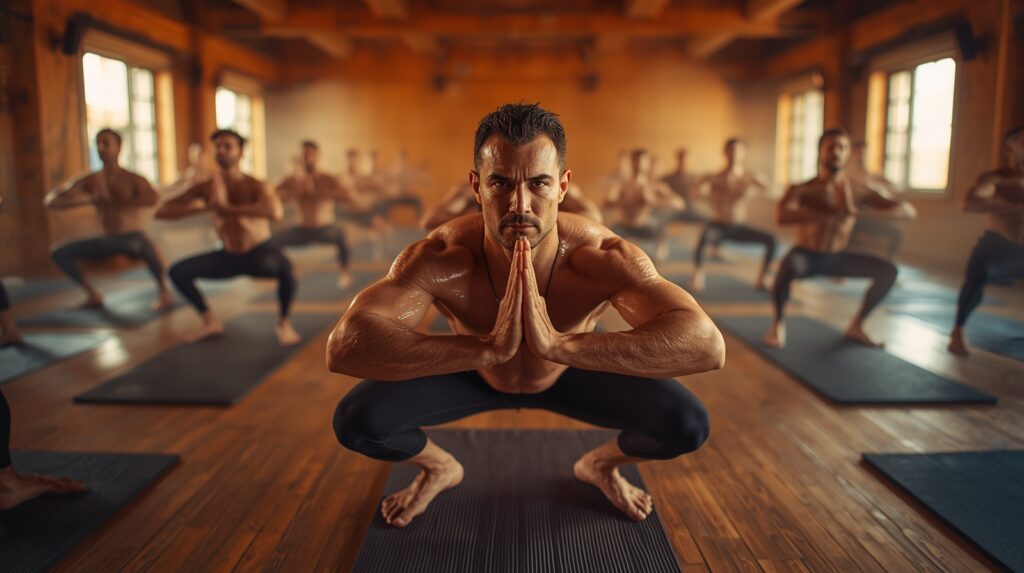
Table of Contents
1. What Makes a Yoga Mat Ideal for Hot Yoga
Hot yoga creates intense heat and heavy sweating, so a mat must handle moisture, provide reliable grip, and stay comfortable under pressure. Here are the key factors that define a high-performing yoga mat for hot yoga sessions.
Material Type
The material directly affects grip, durability, and comfort:
- Natural rubber offers excellent traction, especially in wet conditions. It stays stable on the floor and is favored by experienced practitioners — the Avocado Yoga Mat is a strong example, built entirely on a natural rubber base for reliable wet-grip performance.
- TPE (Thermoplastic Elastomer) is lightweight and slightly cushioned. It provides decent grip and is often a good balance between performance and comfort.
- PVC mats are durable and affordable but may become slippery when wet unless treated with a textured or closed-cell surface.
Choosing the right material depends on how much sweat you produce and how firm or soft you prefer your practice surface.
Sweat Absorption & Grip
In heated classes, moisture control is critical. A quality mat should:
- Maintain traction even when damp
- Prevent hands and feet from sliding during poses
- Offer a textured or open-cell surface for better moisture handling
Some mats are designed to improve grip as they get wetter, which is especially helpful for long, intense sessions.
Eco-Friendliness
Many practitioners prefer sustainable options that align with a mindful lifestyle:
- Natural rubber and biodegradable materials reduce environmental impact
- Mats free from harmful chemicals like latex toxins, phthalates, and heavy metals are safer for both users and the planet
Eco-conscious materials don’t just support sustainability — they often enhance overall quality and performance as well. If sustainability is a priority, our Avocado Yoga Mat review covers a fully certified organic, non-toxic option worth considering.
2. Top Features to Compare in Hot Yoga Mats
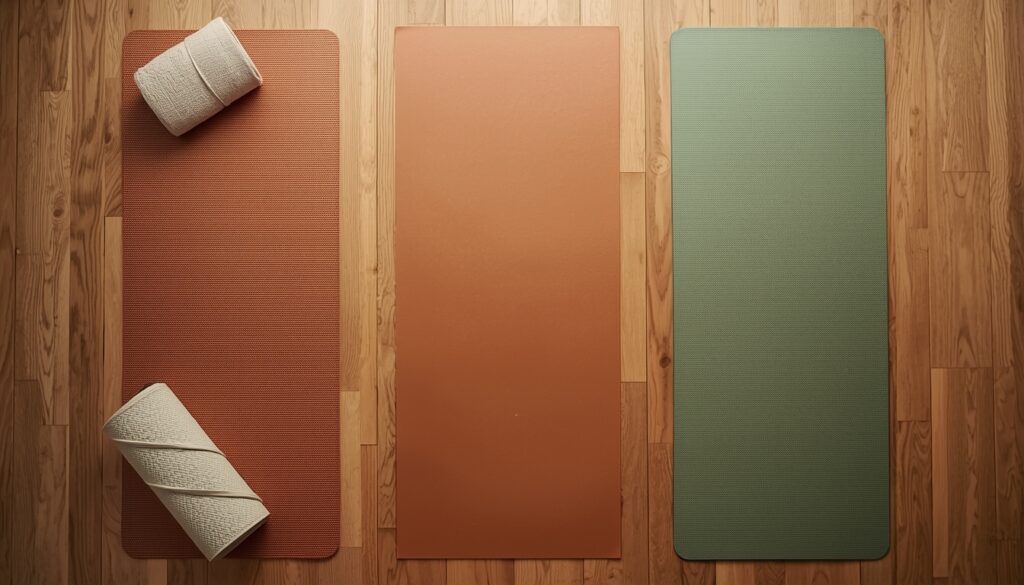
When choosing the right mat for heated practice, it helps to know which features really matter. Here’s a breakdown of the top factors to look at before making a decision.
Grip and Traction
Grip determines how well your hands and feet stay in place during poses. A good mat should provide reliable traction, even when wet. Texture, surface pattern, and material type all influence how secure you feel during transitions and holds.
Sweat Absorption / Moisture Control
Heavy sweating is common in heated sessions, so a mat that manages moisture well is essential. Some mats are designed to wick away sweat, while others improve grip as they get damp. Better moisture control helps prevent slipping and keeps your practice safer.
Thickness and Cushioning
Thickness affects both comfort and stability. Thicker mats offer extra padding, which is helpful for joints, but too much cushioning may reduce stability in standing balances. Standard thickness ranges from about 3mm to 6mm. Choose based on your comfort needs and the types of poses you do most.
Durability
Durability determines how long your mat will last under frequent use. High-quality materials and strong construction resist tearing, compression, and wear from repeated sessions. A more durable mat may cost more upfront but often delivers better long-term value.
Material and Eco-friendly Options
Materials not only influence performance but also environmental impact. Options like natural rubber, TPE, and recycled materials appeal to eco-conscious buyers. Consider whether the mat is free from harmful chemicals and if it’s made with sustainable practices.
Size and Portability
Standard mats are around 68 inches long, but taller practitioners may prefer longer options. Width also varies. If you travel or carry your mat to classes, look for lightweight options that are easy to roll or fold.
Price Range & Value
Mats range widely in price, from budget-friendly beginner options to premium models. Consider what features matter most to you and aim for a balance between cost and performance. Sometimes paying a bit more means better grip, longevity, and overall satisfaction.
Maintenance & Cleaning
Since sweat buildup can lead to odors and wear, ease of cleaning is important. Some mats are machine washable, while others require surface wiping. Check the manufacturer’s care recommendations and choose a mat that matches your cleaning routine.
Warranty / Brand Reputation
A solid warranty reflects confidence from the manufacturer. Brand reputation can offer insights into product quality, customer service, and real-world performance. Research reviews and feedback from other practitioners before settling on a choice.
Designs & Colors
While performance comes first, many people appreciate style too. Mats come in various colors and patterns, allowing you to express personal taste. Choose a look you enjoy—after all, a mat you love visually can make practice more enjoyable.
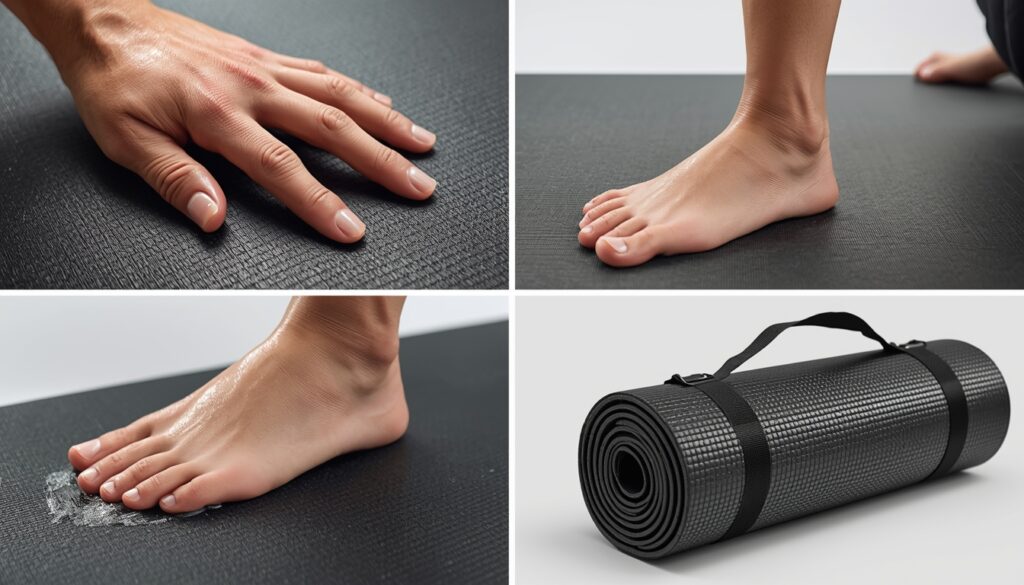
4. Best Yoga Mats for Hot Yoga (Product Overview)
Based on grip performance, moisture control, and user feedback, here are five of the best yoga mats for hot yoga currently available. Each option varies in grip, comfort, price, and material — helping you choose the right fit for your practice.
Manduka GRP Adapt Mat
This mat stands out for its exceptional traction in moist conditions. Its surface is designed to absorb moisture and becomes grippier the more you sweat, making it a strong option for intense hot yoga sessions. The cushioning is supportive without feeling too soft, offering secure footing throughout practice. Cleaning is simple — a quick wipe-down and air-dry — though it’s slightly heavier than minimalist mats.
Key features:
- Sweat-activated traction
- Balanced cushioning (~5mm)
- Durable, long-lasting build
Gaiam Performance Dry-Grip Mat
A solid value-for-money option, this mat features a moisture-wicking surface that helps reduce slipping without needing a towel. It offers comfortable cushioning and comes with a lifetime guarantee — uncommon at this price point. While not as premium as higher-end options, it performs reliably even during sweaty sessions.
Key features:
- Budget-friendly moisture-repelling surface
- Comfortable cushioning for longer practice
- Lifetime guarantee
Lululemon “The Mat” (5mm)
This high-end mat offers a thoughtfully balanced surface that absorbs moisture and maintains secure footing, even during high-sweat flows. Its natural rubber base and antimicrobial finish help keep odors at bay, while the reversible design provides two texture options. It’s heavier and pricier than entry-level mats, but many users find the grip and comfort worthwhile.
Key features:
- Strong wet-condition grip
- Dual-texture reversible surface
- Antimicrobial protection
IUGA Pro Non-Slip Yoga Mat
This mat delivers strong performance at a more accessible price point. It combines a non-slip polyurethane surface with a natural rubber base for dependable traction and cushioning. Lighter and easier to carry than many premium mats, it also includes a carrying strap for convenience. Some users note a mild initial odor that fades after a few uses.
Key features:
- Strong price-to-performance ratio
- Lightweight with carrying strap
- Reliable grip and cushioning
JadeYoga Harmony Mat
Made with natural rubber, this mat appeals to practitioners who prioritize sustainability and grip performance — similar in material philosophy to the Avocado Yoga Mat, which uses the same natural rubber and organic-cotton approach. It delivers traction that improves with moisture, and its open-cell construction supports grip as sweat increases, making it a comfortable, eco-conscious choice.
Key features:
- Eco-friendly natural rubber build
- Grip that improves with moisture
- Balanced, comfortable cushioning
Summary
Each mat brings distinct strengths for hot yoga practice:
- Best for grip & moisture control: Manduka GRP Adapt
- Best value: Gaiam Performance Dry-Grip
- Top premium choice: Lululemon “The Mat”
- Best price-to-performance: IUGA Pro Non-Slip
- Best eco-conscious pick: JadeYoga Harmony
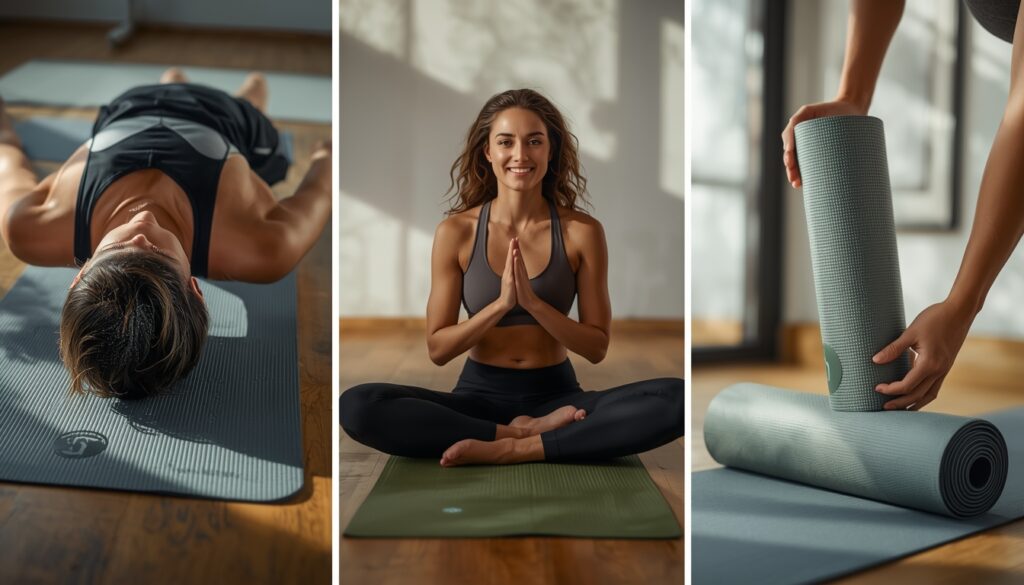
5. How to Choose the Right Yoga Mat for Your Practice
Selecting the right yoga mat for hot yoga doesn’t have to be overwhelming. It comes down to matching key features with your needs, experience level, and how you like to practice. Here’s a simple guide to help you make the best choice.
Which Features Matter Most Depending on Your Experience
Every practitioner has different priorities. Here’s how key features align with various needs:
- Grip & Traction:
Essential for all levels, but especially important if you move quickly between poses or sweat heavily. A mat with strong traction helps you stay stable and confident. - Moisture Management:
If you tend to sweat more than average, look for materials that handle moisture well. This keeps your hands and feet secure and helps maintain a steady practice. - Cushioning:
Cushioning protects your joints. Thicker mats offer more padding, helpful for sessions with lots of floor work. However, too much cushioning can reduce stability in standing balances — our guide on comfort for knees, wrists & spine breaks this down further if joint support is a priority for you. - Durability:
Frequent practitioners benefit from mats that hold up over time. Strong materials and solid construction mean less wear and tear, even with daily use. - Portability:
If you carry your mat to classes or travel often, lighter weight and easy-to-roll designs can be a big plus. - Eco-friendly Materials:
If sustainability is important to you, look for mats made from natural or recycled materials without harmful chemicals — natural rubber options like the Avocado Yoga Mat are a good example of this balance between performance and eco-conscious design.
Beginner vs Advanced
Your experience level can also guide your choice:
Beginners
- Priorities: Comfort, ease of use, forgiving surface
- Why it matters: New practitioners often spend more time learning balance and proper alignment. A slightly thicker mat with good cushioning can make initial sessions more comfortable.
- What to look for: Balanced traction, moderate thickness (around 4–5mm), and a friendly price point. A mat that’s easy to clean and maintain is also helpful.
Advanced Practitioners
- Priorities: High traction, durability, performance under pressure
- Why it matters: Experienced yogis often flow quickly through sequences and rely on mat stability to support challenging poses. A strong grip and firm surface help improve precision.
- What to look for: Excellent traction in sweaty conditions, materials that resist compression over time, and features that match your specific practice style. Some advanced practitioners prefer thinner mats for a closer feel to the floor.
Quick Tip:
If you’re unsure where you fall, think about how you feel during practice. Are you sliding in poses? Are your joints tired during floor work? Use those clues to guide your priorities in a mat
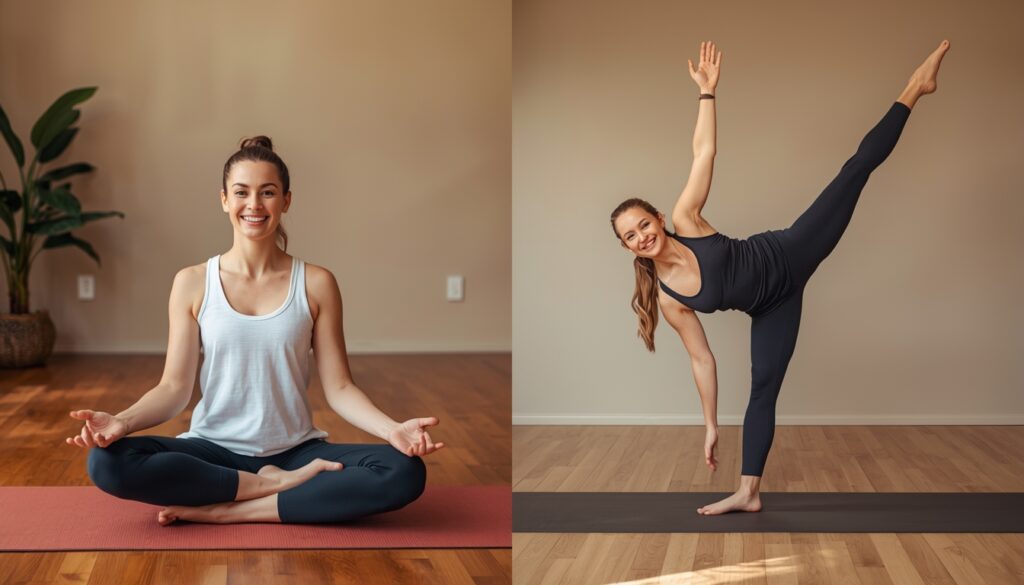
6. Benefits of Using a High-Quality Hot Yoga Mat
Choosing a well-made mat can significantly improve your overall practice, especially in heated conditions. Below are the key benefits that make a noticeable difference over time.
Injury Prevention
A reliable mat provides stable footing and consistent traction, reducing the risk of slipping during transitions and challenging poses. Proper cushioning also helps protect joints such as knees, wrists, and ankles from excessive pressure, lowering the chance of strain or impact-related injuries.
Better Performance
When your hands and feet stay secure, you can focus fully on alignment, breathing, and flow rather than worrying about balance. A supportive surface allows smoother transitions, stronger holds, and more confidence in advanced poses, helping you progress more effectively.
Enhanced Comfort
Comfort plays a major role in maintaining focus throughout a session. Quality materials offer a balanced feel—firm enough for stability, yet cushioned enough for floor work. This reduces fatigue and discomfort, making longer and more intense classes easier to manage.
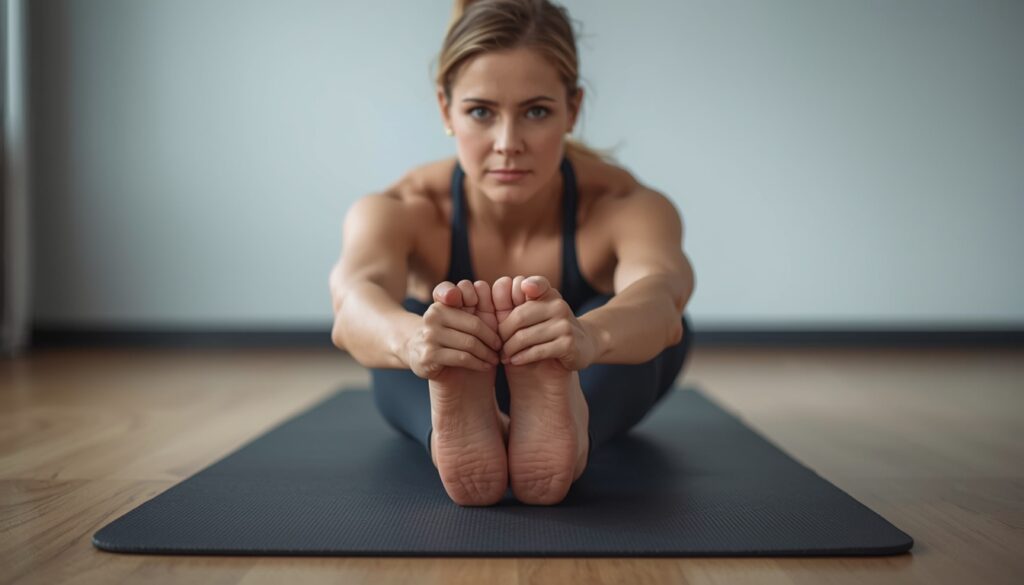
7. Common Mistakes When Choosing a Hot Yoga Mat
Picking the wrong mat can lead to frustration, discomfort, or even injury. Here are two frequent errors to avoid when making your selection.
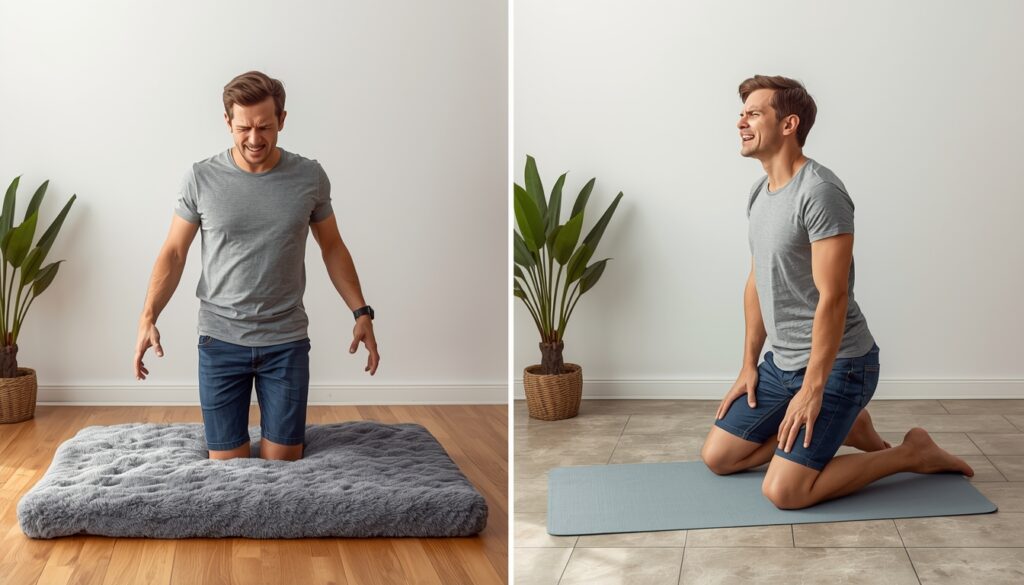
Too Thick or Too Thin
Finding the right thickness is key.
- Too thick: While extra cushioning might seem more comfortable, mats that are overly thick can make balancing poses harder. They may feel unstable underfoot, especially during standing sequences.
- Too thin: Conversely, very thin mats offer excellent floor connection but may lack enough padding for your joints. This can lead to discomfort during seated or kneeling poses.
Aim for a balance: enough cushioning to support your body without sacrificing stability.
Misleading “Non-Slip” Claims
Not all “non-slip” mats perform the same, and marketing terms can be deceptive.
- Some mats claim to be non-slip but lose traction as soon as moisture appears.
- Others may feel grippy when dry but become slick during sweaty practice.
The best way to judge grip is by looking at the material and texture. User reviews can also provide real-world insight into how a mat performs under humid or sweaty conditions.
8. Care & Maintenance Tips for Hot Yoga Mats
Proper care extends the life of your yoga mat for hot yoga, keeps it hygienic, and ensures consistent grip and performance during practice. Here’s how to maintain it effectively.
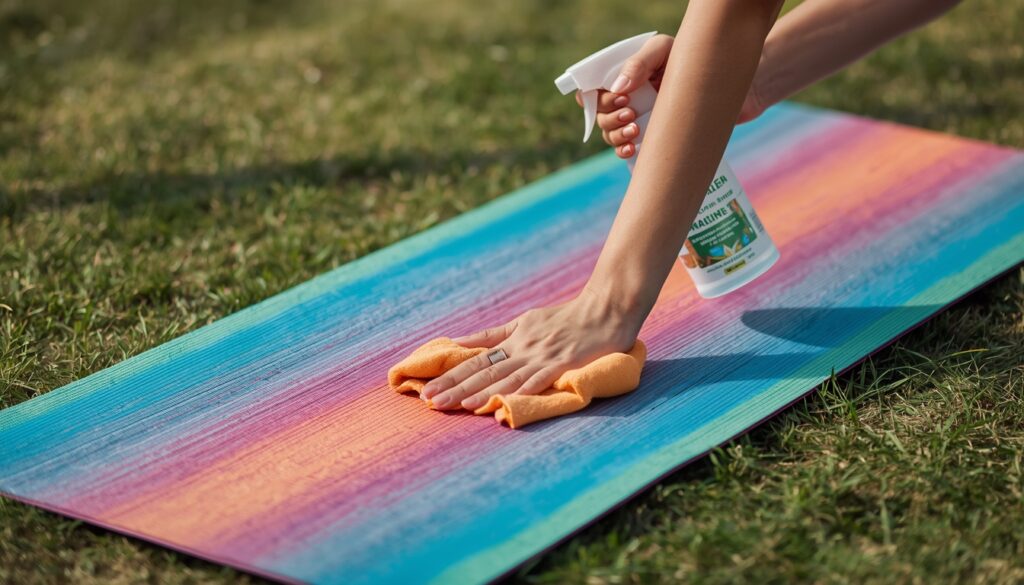
Cleaning Methods
Regular cleaning is essential, especially after sweaty sessions:
- Wipe Down: Use a damp cloth with mild soap or a mat-specific cleaner to wipe the surface. Avoid harsh chemicals that can damage the material.
- Deep Clean: Occasionally, give your mat a thorough wash. For most mats, hand washing with warm water and a gentle detergent works best. Some mats are safe for machine washing — check manufacturer guidelines.
- Dry Properly: Always air-dry mats flat or hung up. Avoid direct sunlight for prolonged periods, as it can cause warping or fading.
Storing After Sweaty Sessions
Sweat can encourage odor and bacterial growth if mats aren’t stored properly. In fact, damp, unventilated environments are known to be ideal conditions for mold and mildew growth, which is why proper drying and storage matter just as much as regular cleaning:
- Roll Carefully: Roll the mat loosely with the clean side facing out to prevent moisture buildup.
- Keep Ventilated: Store your mat in a dry, ventilated area. Avoid leaving it in a closed gym bag for extended periods.
- Use a Mat Bag: A breathable mat bag can help protect the surface from dust and dirt while allowing airflow.
FAQS: Yoga Mat for Hot Yoga
Can I use a regular yoga mat?
Yes, you can use a standard mat, but it may not provide sufficient grip or moisture control. Mats designed for heated sessions typically have enhanced traction and better sweat management, which helps prevent slipping and improves safety.
What thickness is best for hot yoga?
A thickness of 4–6 mm is generally ideal. This provides enough cushioning to protect your joints during floor poses while maintaining stability for standing and balancing movements. Too thin may feel uncomfortable, and too thick can make balancing more challenging.
How do I prevent my mat from slipping?
Ensure the mat is clean and dry before practice. Some mats improve grip when slightly damp, while others require a towel for extra traction. Checking the material and texture can help you select a mat that stays secure during sweaty sessions.
How often should I clean my mat?
After every sweaty session, a light wipe-down is recommended. Deep cleaning can be done weekly or as needed, depending on usage frequency. Proper cleaning prevents odor buildup and maintains traction.
Can I use a towel on my mat?
Yes, using a microfiber or yoga-specific towel can absorb sweat and enhance grip. This is especially useful for mats that are not sweat-activated.
Final Conclusion
Hot yoga demands more from your gear than a standard practice. The right yoga mat for hot yoga keeps you grounded during sweaty flows, protects your joints, and lets you focus fully on movement and breath — not slipping or readjusting.
We’ve covered the key factors to consider: grip, moisture control, thickness, durability, materials, and maintenance, along with clear comparisons to simplify your decision. Whether you prioritize maximum traction, eco-conscious materials like the Avocado Yoga Mat, or budget-friendly performance, there’s an option to match your needs.
The takeaway is simple: choose a mat that fits how you practice and how much you sweat. The right choice means more confidence, less distraction, and a consistently better practice.