Best Yoga Mat Extra Wide Options: Top Picks for Comfort, Stability & Space
Introduction
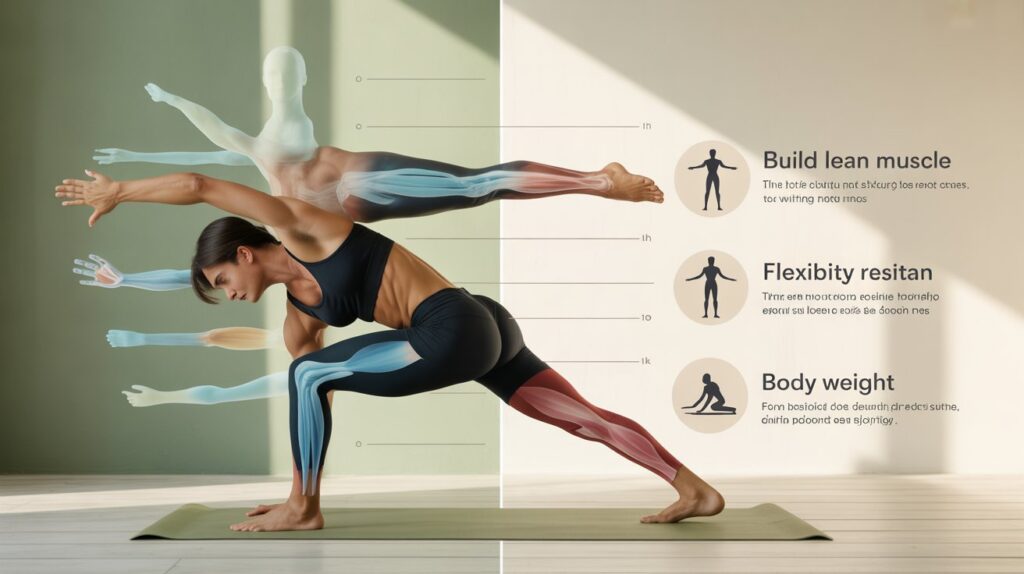
A yoga mat extra wide can completely change how comfortable and confident you feel during your practice. With more space to move, stretch, and hold poses, it eliminates the frustration of stepping off the edges and allows better balance in wide stances.
Table of Contents
1. Mat Dimensions (Width, Length & Thickness)
When choosing a wider-than-standard mat, dimensions play a major role in overall comfort and performance. Width determines how much lateral space you have for poses like Warrior, Triangle, or wide-legged stretches. A broader surface helps prevent hands or feet from slipping off the edges, which is especially useful for users who prefer more room to move freely.
Length is equally important, particularly for taller individuals. A longer mat allows full body alignment during poses like Savasana without heels or head hanging off the ends. People over average height should look for options that extend beyond standard lengths to ensure complete support from start to finish.
Thickness affects both comfort and stability. Thicker mats provide better cushioning for joints such as knees, hips, and wrists, making them suitable for restorative or slow-flow practices. However, excessive thickness can reduce balance during standing poses. The ideal choice balances enough padding for comfort while maintaining a firm connection to the floor.
2. Material & Build Quality
The material of a yoga mat directly affects its feel, performance, and lifespan. One of the most common options is PVC, known for its durability and affordability. It offers good grip and cushioning but is less environmentally friendly compared to newer alternatives. PVC mats are often chosen for their long-lasting performance, especially for regular home use.
TPE is a popular eco-conscious option that balances comfort and sustainability. It is lightweight, odor-free, and provides decent cushioning with a softer feel underfoot. TPE mats are also recyclable, making them suitable for users who want a more environmentally responsible choice without sacrificing comfort.
Natural rubber mats are valued for their strong grip and stability, particularly during intense or sweaty sessions. They feel dense and supportive, helping maintain balance in standing poses. While highly durable, rubber mats tend to be heavier and may not suit users with latex sensitivities.

3. Comfort & Cushioning Level
Comfort and cushioning are essential features that directly affect your practice, especially when holding poses that place pressure on joints like knees, wrists, and the spine. A mat with proper padding can reduce discomfort, allowing you to focus on alignment and movement rather than joint strain.
Thickness plays a significant role in how comfortable a mat feels. Thicker surfaces generally offer more shock absorption, which can protect sensitive joints during kneeling poses or transitions. This is particularly helpful for practitioners with joint issues or those who prefer slower-paced styles like yin or restorative yoga.
However, too much cushioning can make balancing poses more challenging. A very thick mat may feel unstable underfoot during standing sequences or dynamic flows, so it’s important to find a balance between softness and firmness. Mats with moderate padding tend to support both comfort and stability.
In addition to thickness, the type of foam or material also affects how cushioning feels. Some materials compress under weight and return to shape slowly, offering a plush surface. Others provide a firmer feel that enhances balance while still giving enough support for joints.
4. Grip & Slip Resistance
Grip and slip resistance are critical features that determine how secure you feel during practice, whether you’re holding a gentle stretch or powering through a vigorous flow. A mat with strong grip helps prevent hands and feet from sliding, which reduces the risk of injury and allows you to focus on alignment and movement.
Performance can vary depending on whether your practice is dry or involves sweating. In dry conditions, many mats provide adequate traction right out of the box. However, when sweat enters the picture, grip quality becomes even more important. Some materials, like natural rubber and textured TPE, maintain good traction even when damp, while others can become slippery and unsafe.
Surface texture also plays a role in slip resistance. Mats with deeper patterns or ridges tend to offer better hold for both dry and sweaty practices, creating more friction between your skin and the mat. Smooth surfaces may feel comfortable at first but can lose traction quickly when moisture is present.
5. Stability for Wide Poses
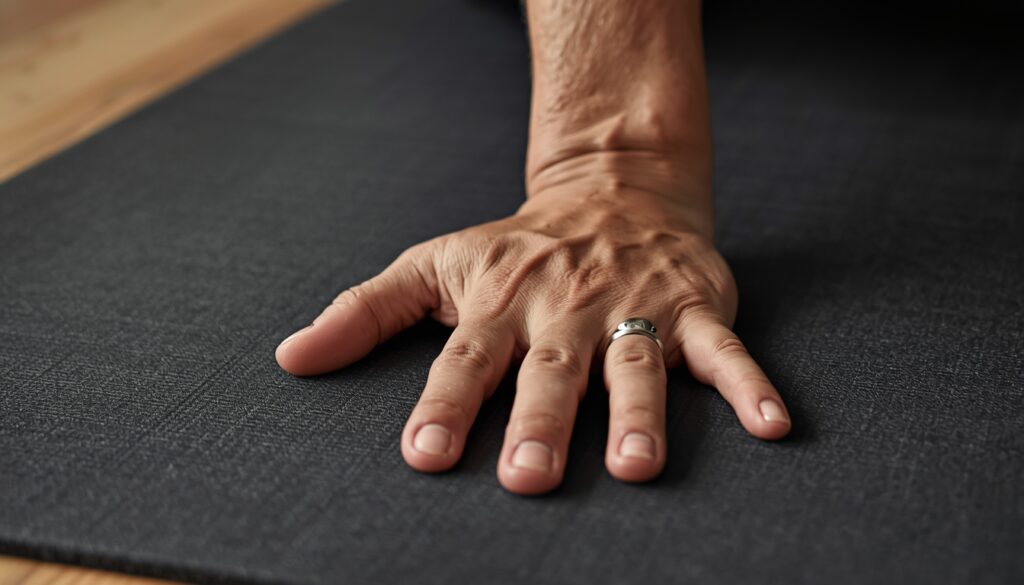
Stability is a key factor when practicing wide stances like lunges, Warrior sequences, and deep stretches. A mat that provides a solid, even surface helps you maintain balance and control, allowing you to hold poses with confidence and proper alignment.
The base material and thickness both influence how stable a mat feels. Too much cushioning can create a “springy” effect that makes balancing more difficult, especially in standing postures. A firmer feel, on the other hand, delivers a steadier foundation that supports your movements and reduces wobbling.
Surface texture also contributes to stability. Mats with a subtle texture help anchor your feet and hands, adding traction that keeps you grounded throughout transitions and lengthened poses. This is particularly useful during dynamic practices where balance shifts frequently.
6. Weight & Portability
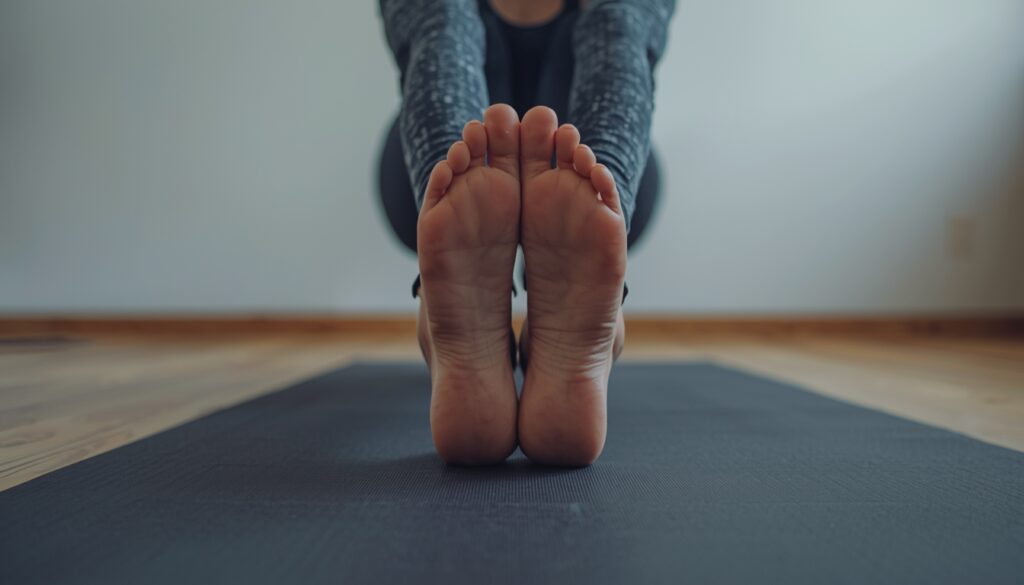
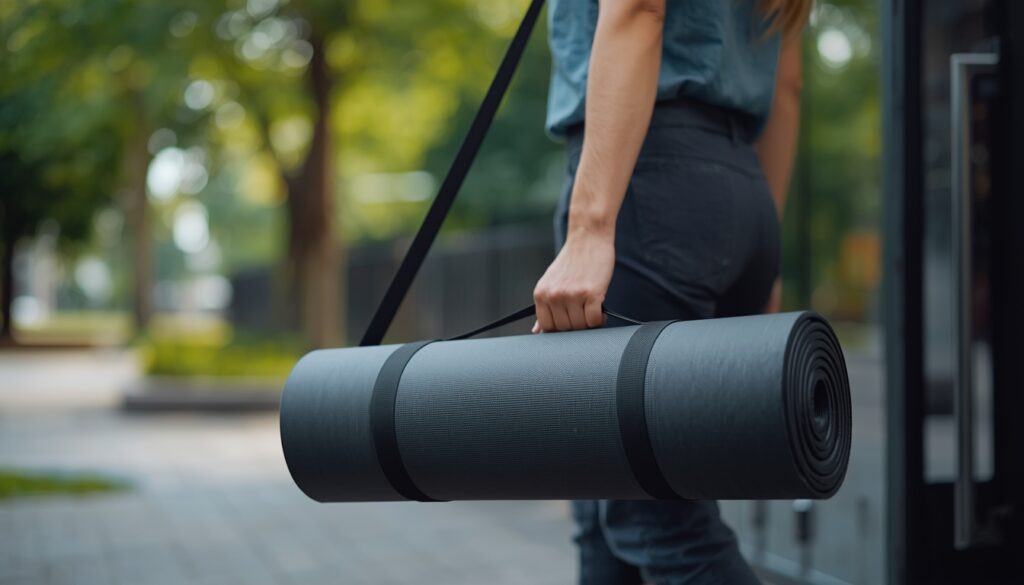
Weight and portability are important considerations, especially if you plan to carry your mat to classes, studios, or while traveling. Larger mats naturally tend to weigh more due to increased surface area and material volume, so understanding how weight affects convenience is helpful when choosing the right option.
A lighter mat is easier to transport, whether you’re walking, biking, or driving to practice. It reduces strain on your shoulders and back, making it more likely you’ll bring it along regularly. For frequent travelers or yogis on the go, lightweight options with a good carry strap or bag can make a significant difference in convenience.
However, lightweight mats sometimes trade off cushioning or durability for easier transport. It’s important to find a balance: a mat light enough to carry comfortably, but still substantial enough to offer adequate support and longevity.
7. Surface Texture & Feel
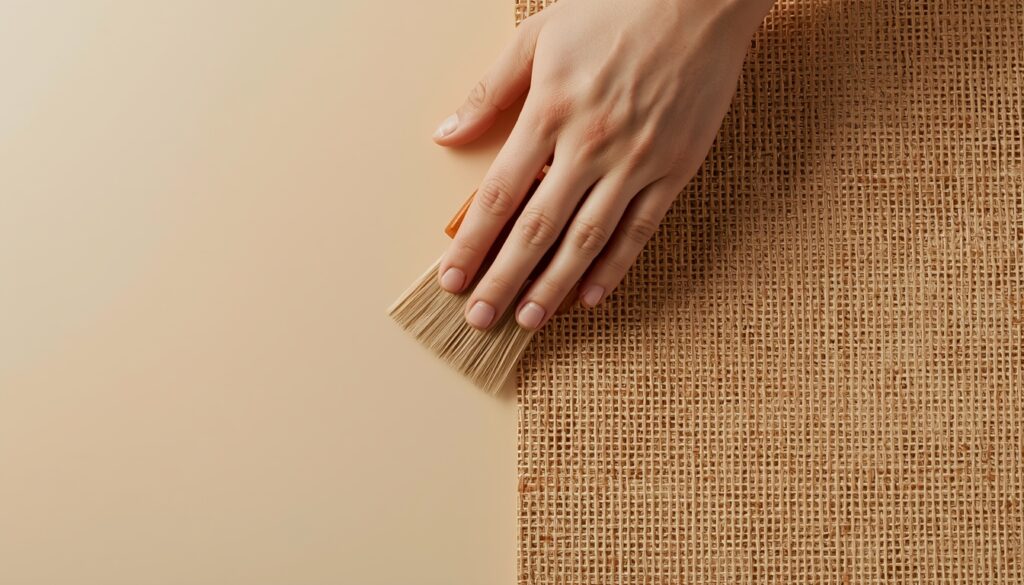
Surface texture plays a big role in how a mat feels under your hands and feet, and it can influence both comfort and performance. Broadly speaking, surfaces fall into smooth and textured categories, and each has its own advantages.
Smooth surfaces tend to feel soft and gentle on the skin. They’re comfortable for resting poses and slow stretches, and many people enjoy the sleek feel during meditation or restorative sessions. However, smooth mats can become slippery when moisture is present, which may reduce traction during more dynamic movements.
Textured surfaces add grip by creating small ridges or patterns that help anchor the skin in place. This can improve stability during standing poses and transitions, especially in the hands and feet. Textured mats are often preferred for flows or hot environments where sweat might otherwise cause slipping.
Skin comfort also depends on the material’s feel. Some textures can feel “bumpy” or firm, which may be beneficial for traction but less so for sensitive skin. Others strike a balance, offering gentle contouring without irritation.
8. Suitability for Different Yoga Styles
Different styles of yoga place varying demands on your mat, so it’s important to choose one that matches how you practice.
Hatha Yoga is generally slower and focuses on basic postures. For this style, a mat with comfortable cushioning and a stable surface works well. You’ll want enough padding for seated poses and gentle stretches without sacrificing balance.
Vinyasa and Flow Practices involve continuous movement and transitions between poses. These styles benefit from a mat with excellent grip and moderate cushioning. A surface that resists slipping helps maintain control during dynamic sequences.
Power Yoga and Hot Yoga are more intense and often generate sweat. Mats that perform well in these conditions offer strong traction and moisture resistance. Materials with textured surfaces can help prevent sliding even when the mat becomes damp.
Restorative and Yin Yoga emphasize long holds and deep relaxation. Here, comfort is key. Thicker padding provides extra support for joints during prolonged poses, and a softer feel enhances the overall experience.

9. Indoor vs Outdoor Performance
Where you plan to use your mat affects its performance and longevity. Indoor surfaces like hardwood and carpet are generally smooth and even, making it easier for most mats to provide consistent grip and comfort. On hardwood, a mat with good traction prevents slipping, while sufficient cushioning protects joints on firmer floors. Carpeted areas add natural padding, but they can sometimes reduce stability, so a firmer surface can help maintain balance.
Outdoor use introduces new challenges. Grass, concrete, and uneven terrain can impact how a mat feels and functions. On grass, a thick, durable mat can help even out bumps and provide a more comfortable practice surface. However, moisture from dew or irrigation can affect grip, so a water-resistant surface is beneficial.
Concrete and pavement are hard surfaces that demand both cushioning and durability. A mat with robust padding protects your joints from impact, while a tough build resists abrasion. Outdoor settings also expose mats to dirt and environmental elements, so easy-to-clean materials are an advantage.

10. Durability & Longevity
Durability and longevity determine how well a mat holds up over time, especially with regular use. A durable surface resists wear, tearing, and compression so it maintains its shape and performance for months or years.
Wear resistance refers to how a mat stands up to repeated use. Materials like high‑density rubber and quality TPE are known for lasting longer without showing signs of abrasion. Mats that resist surface breakdown keep their grip and feel even after frequent practice.
Tear resistance is important when rolling, unrolling, or transporting the mat. Thinner or lower‑quality materials are more prone to ripping, especially along the edges. Reinforced construction and sturdy material blends help prevent tears and extend the life of the mat.
Compression resistance affects how the mat reacts under weight. Over time, poorly made mats can become permanently compressed, losing cushioning and support. High‑quality foams and dense materials spring back better after pressure, preserving comfort and stability.
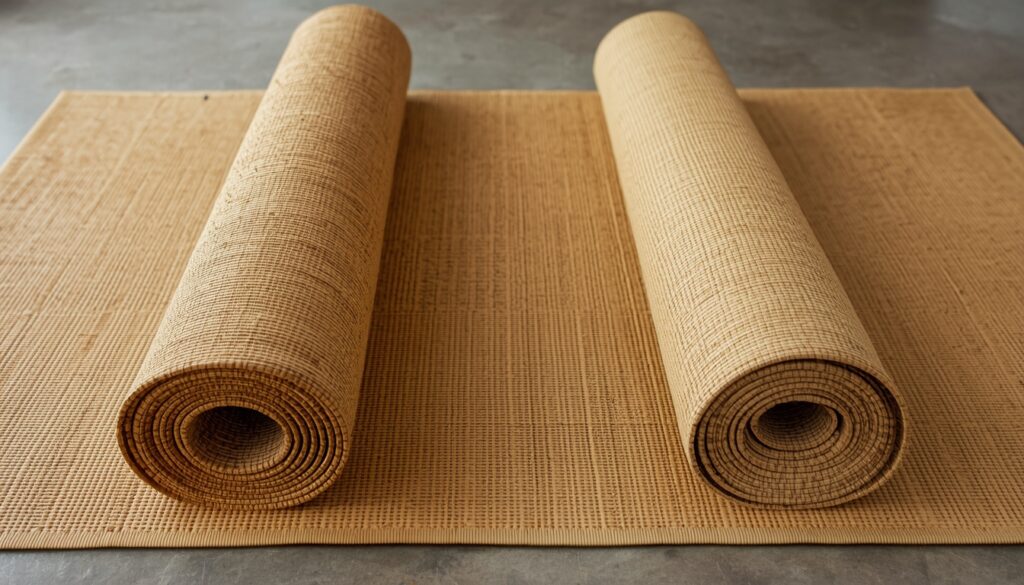
11. Ease of Cleaning & Maintenance
Keeping your mat clean not only makes it more pleasant to use, but also helps extend its lifespan. Different materials and surface finishes influence how easy it is to care for your mat and manage issues like moisture and odors.
Water resistance is a key factor. Mats with materials that resist water and sweat, such as TPE or certain coated surfaces, are easier to wipe down after practice. This helps prevent moisture from soaking into the mat, which can degrade the material over time and create a breeding ground for bacteria.
Odor control varies by material. Natural rubber mats may develop a smell initially, which usually fades with time and proper ventilation. Foam mats or those with synthetic surfaces may resist odors better. Regular cleaning and allowing the mat to air out after use can help keep smells under control.
Care requirements depend on the mat’s construction. For most surfaces, using a mild soap solution and a soft cloth to wipe down after sessions is sufficient. Avoid harsh chemicals and abrasive scrubbing, as these can damage the surface or affect texture. Some mats can be rinsed with water and left to dry flat, while others may require more gentle handling.

12. Eco‑Friendliness & Safety
Eco‑friendliness and safety are important factors for many practitioners, especially those who want products that are gentle on both the body and the environment. Choosing materials that are non‑toxic and sustainably sourced ensures a healthier practice and a smaller ecological footprint.
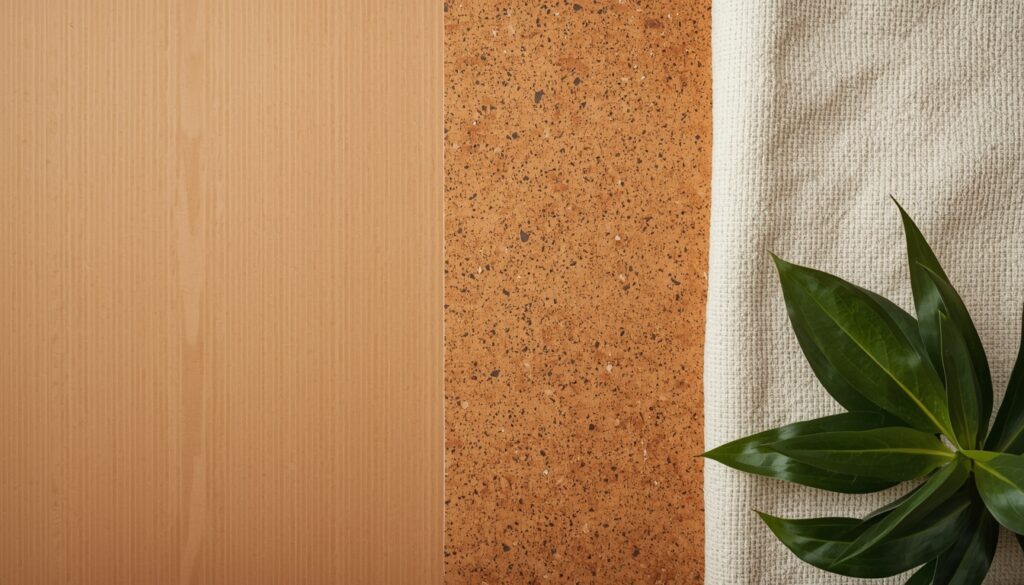
Non‑toxic materials mean fewer harmful chemicals. Some traditional mats contain substances like phthalates or heavy metals that can off‑gas or irritate the skin. Natural and plant‑based materials, such as natural rubber, cork, or organic cotton, are typically free from these additives. These options are safer for sensitive skin and reduce exposure to potentially harmful compounds.
Sustainability considerations focus on how materials are produced and disposed of. Mats made from recycled or biodegradable materials help reduce waste and lessen environmental impact. For example, natural rubber comes from renewable sources, and some manufacturers use water‑based adhesives and eco‑friendly manufacturing processes. Recyclable or compostable mats also make it easier to minimize environmental harm at the end of the product’s life.
FAQS:Yoga Mat Extra Wide Options
Who should use a wider yoga mat?
A wider mat is ideal for taller individuals, plus-size users, or anyone who prefers more room for balance and movement during poses.
Are wider mats good for beginners?
Yes. Extra space can help beginners feel more stable and confident, especially when learning wide stances and transitions.
Does a larger mat affect balance?
Not negatively. As long as the mat has proper firmness and grip, the added width can actually improve balance in standing poses
Can a wider mat be used for home workouts beyond yoga?
Absolutely. Many people use larger mats for stretching, Pilates, mobility work, and bodyweight exercises due to the extra surface area.
How do I store a larger yoga mat?
Most roll up like standard mats, though they may be slightly bulkier. Using a strap or storage corner keeps them organized and easy to access.
Conclusion
Choosing the right mat comes down to how well it supports your body, movement, and practice style. Extra space can make a noticeable difference in comfort, balance, and confidence, especially during wide stances, transitions, and floor-based poses. When you’re not worried about stepping off the edges or adjusting your position, it’s easier to stay focused and present.
Key factors like dimensions, material quality, grip, cushioning, and durability all work together to shape your overall experience. A well-built mat should feel stable underfoot, supportive on the joints, and reliable across different environments, whether you practice at home, in a studio, or outdoors. Ease of cleaning and eco-friendly materials also add long-term value and peace of mind.