Top Extra Wide Yoga Mats Reviewed: More Space for Better Practice
Introduction
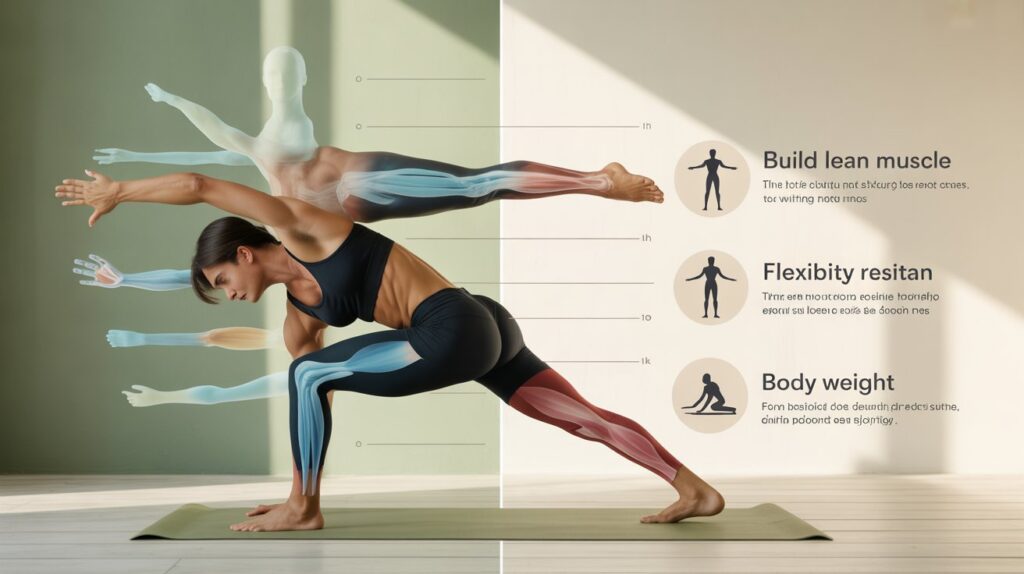
Practicing on a yoga mat extra wide can completely change how comfortable and confident you feel during each session. Extra space allows your body to move naturally, supports better alignment, and reduces distractions caused by slipping off narrow edges.
In this guide, we review the top extra-wide options available today and break down the most important features to consider from size and cushioning to grip, durability, and overall value. Whether you’re taller, have a larger frame, or simply want more room to move, this comparison will help you find a mat that truly supports your practice.
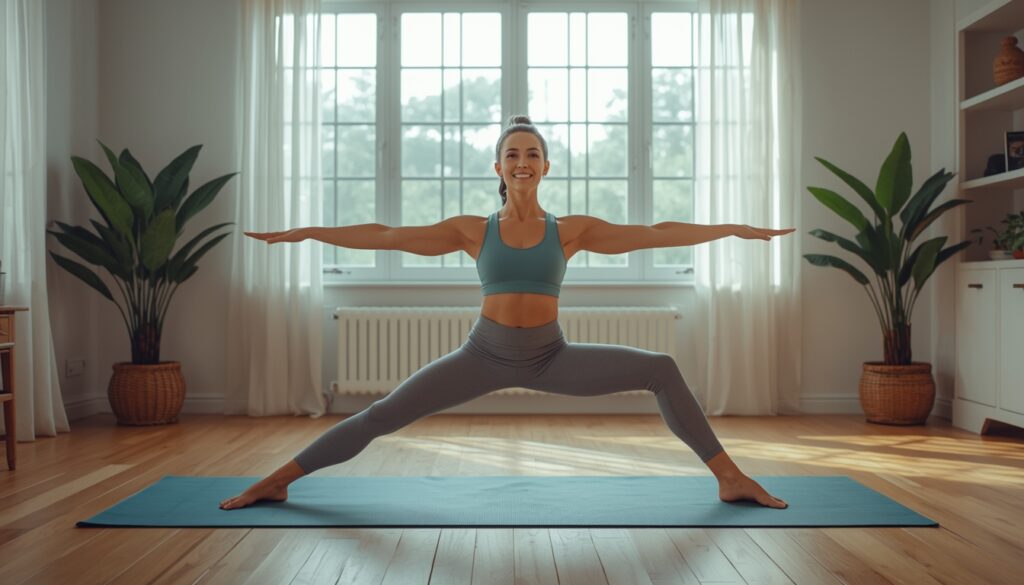
Table of Contents
1. Dimensions & Width Coverage
When comparing wider mats, size plays a major role in overall comfort and freedom of movement. Most standard mats measure around 24 inches wide, while wider options typically range from 28 to 36 inches, offering noticeably more side-to-side space. This added width helps prevent hands and feet from slipping off the edges during poses that require a broad stance.
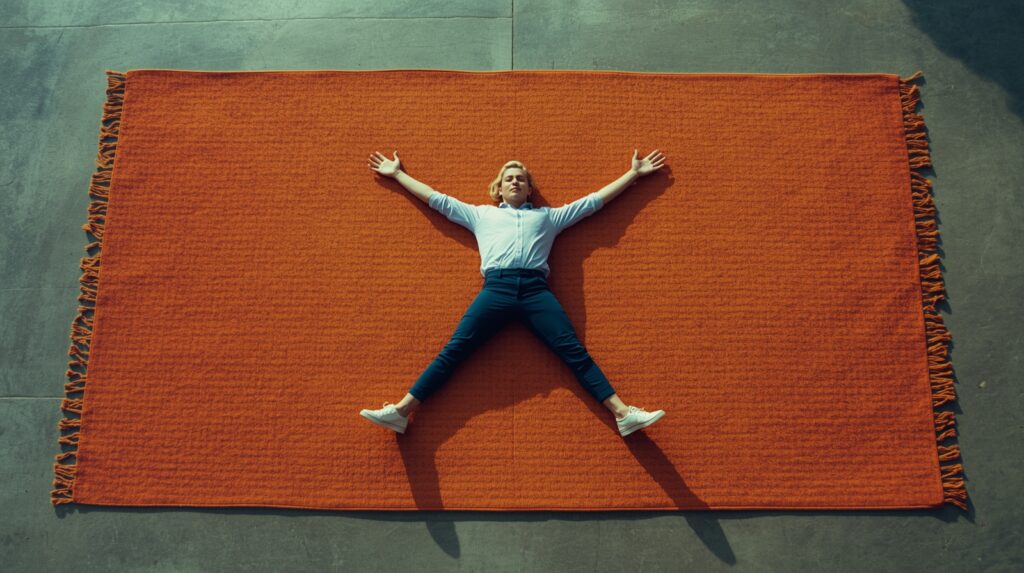
Length is just as important. Many wider mats extend between 72 and 84 inches, making them suitable for taller users or anyone who prefers extra room for full-body stretches. A longer surface allows you to lie flat without your head or heels touching the floor, which improves relaxation and alignment during supine poses.
2. Thickness & Cushioning Level
Thickness directly affects comfort and joint protection, especially during poses that place pressure on the knees, wrists, and spine. Wider mats are commonly available in 4mm, 6mm, and 8mm thickness options, each offering a different balance between cushioning and stability.
A 4mm mat provides a firmer feel and better connection to the floor, making it suitable for balance-focused practices where stability is key. A 6mm thickness is the most versatile choice, delivering enough padding to reduce joint strain while still maintaining good ground control. For users with sensitive knees or those practicing on hard floors, 8mm or thicker mats offer enhanced shock absorption and comfort during floor poses and longer sessions.
3. Material Quality & Construction
The material of a mat determines its feel, durability, and environmental impact. Common options include PVC, TPE, natural rubber, and eco-friendly blends, each with unique benefits and considerations.
PVC is a synthetic material known for strong durability and excellent grip, even in sweaty conditions. While long-lasting, it is less eco-conscious compared to other materials and may contain chemicals that some practitioners prefer to avoid.
TPE (Thermoplastic Elastomer) is a more environmentally friendly alternative to PVC. It offers good cushioning and flexibility, often with a softer feel. TPE mats are typically lightweight and recyclable, but they may wear faster under heavy use compared to denser materials.
Natural rubber provides excellent traction and a firm, springy feel that many yogis appreciate. It’s biodegradable and free from synthetic chemicals, making it a popular choice for eco-aware buyers. However, natural rubber can be heavier and may have a distinct scent when new.
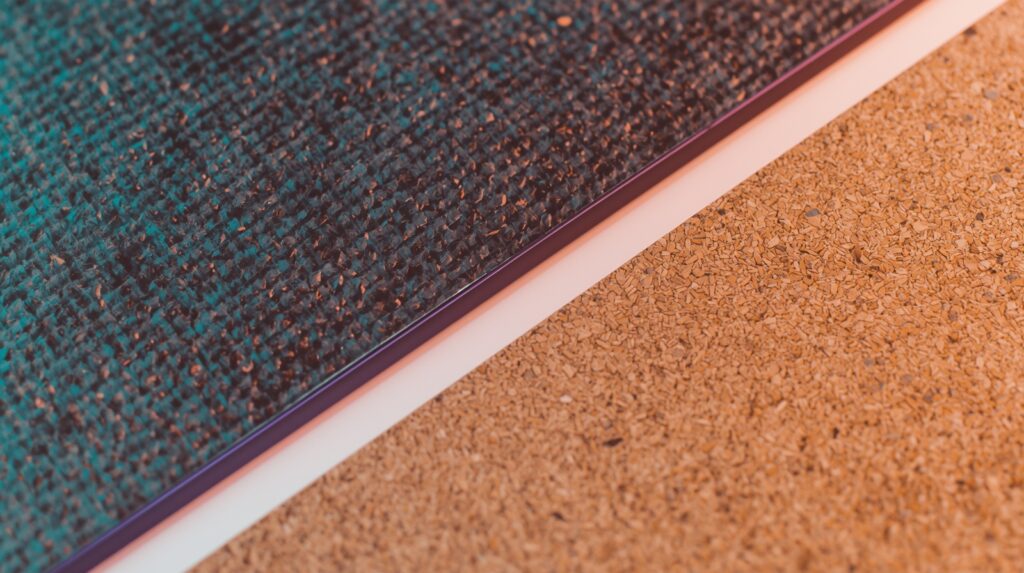
Some mats use eco-friendly blends that incorporate materials like cork, jute, or organic cotton. These options often prioritize sustainability and natural texture, though their grip and cushioning can vary widely depending on the blend
4. Grip & Traction Performance
Grip and traction are essential for maintaining stable poses and preventing slips, regardless of practice intensity. A mat with reliable grip helps keep hands and feet anchored, which is especially important during balance work and dynamic sequences.
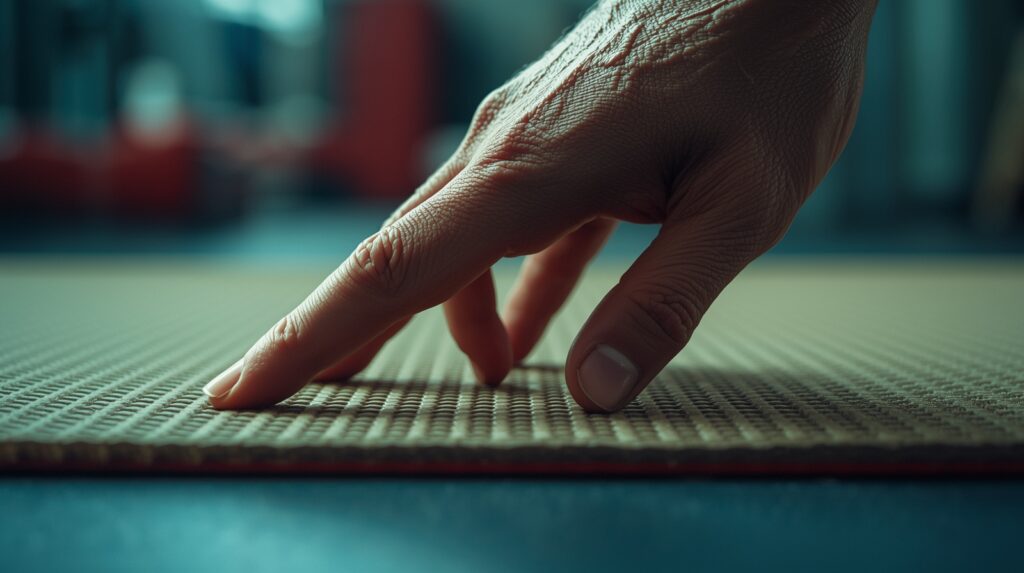
Surface texture plays a big role in how well a mat grips. Textured surfaces create friction that improves stability, while smooth surfaces may feel slipperier, especially when hands are sweaty. Many mats feature patterns or raised ridges designed to enhance grip without feeling abrasive.
Performance in dry conditions is one thing, but staying secure during sweaty sessions is another. Some materials, like natural rubber or high-quality PVC, maintain traction even when moisture is present. Others may lose grip as sweat accumulates, so it’s worth checking reviews or manufacturer claims if you plan to use the mat for hot yoga or intense flows.

5. Stability on Different Floor Types
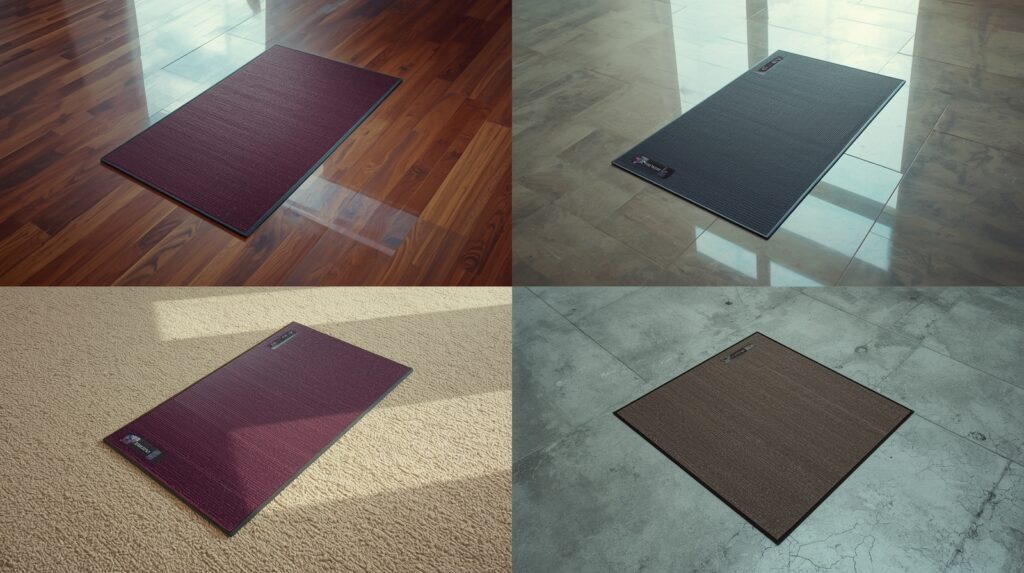
How a mat performs on various floors can greatly affect your practice. A stable base helps ensure safe transitions and balanced poses, no matter where you roll out.
On hardwood floors, a mat should lay flat without sliding. Materials with a slightly tacky bottom or textured backing increase friction, preventing unwanted movement during standing or balancing poses.
On tile, which can be smoother and more slippery, grip becomes even more important. Mats made from rubber or high-quality synthetic blends tend to hold better on tile surfaces, reducing the risk of slipping when shifting weight or going into deeper stretches.
Carpeted floors provide natural friction, but a thick, plush carpet may cause a mat to bunch or feel unstable. In these cases, choosing a mat with firm cushioning and a stable base helps maintain a solid surface, so your movements stay steady.
On concrete, which is firm and often uneven, a mat with good cushioning and a non-slip backing offers both comfort and stability. Denser materials help prevent the mat from sliding and provide extra support against hard surfaces.
6. Comfort for Tall & Large-Frame Users
For individuals with broader shoulders or longer limbs, standard-sized mats often feel restrictive. A mat with extra width and length allows more room to extend arms and legs comfortably without hanging off the edges.
Wider coverage means shoulder-width poses and wide stances feel more natural and secure. Taller users benefit from additional length, ensuring that movements like downward-facing dog, planks, and full-body stretches can be performed without adjusting position or feeling cramped.
Comfort also comes from ample surface area under key pressure points. When there’s enough space for the whole body to rest securely, it reduces the need to constantly shift or reposition during sequences, allowing for smoother transitions and better focus.

7. Weight & Portability
When choosing a wider exercise mat, weight and portability are important factors — especially if you bring your mat to classes or travel with it.
Larger mats naturally weigh more than standard ones due to increased surface area and often thicker materials. While heavier mats can provide more stability and cushioning, they may also be less convenient to carry over long distances or up stairs.
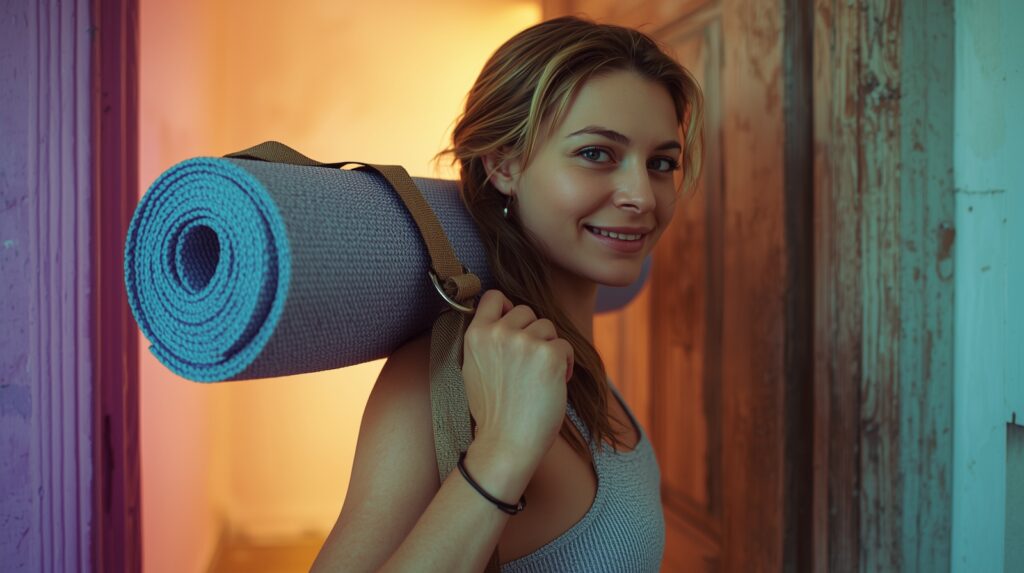
Look for mats made from lightweight materials like TPE or lighter rubber blends if you need something easy to transport. Some designs include carrying straps or bags, which make it simpler to roll up and take with you. A mat that rolls tightly and stays compact in storage also saves space at home.
8. Durability & Long-Term Wear
Durability determines how well a mat holds up over time. Frequent use, rolling and unrolling, and exposure to sweat can lead to tearing, edge curling, and compression, especially around high-stress areas.
Materials like high-density PVC and natural rubber are known for resisting wear and tear, helping the mat maintain its shape and performance through many sessions. Thicker, well-constructed mats also handle repeated pressure without compressing too much, which keeps cushioning consistent and supportive.
Edge curling is a common issue when mats are poorly bonded or made with low-quality foam. Look for products with secure edge binding and uniform construction, which help prevent corners from rolling up and reduce trip hazards during practice.
9. Ease of Cleaning & Maintenance
Keeping your mat clean is essential for hygiene and performance. Regular practice can lead to sweat buildup, odors, and surface grime, so choosing a surface that’s easy to maintain makes a big difference.
Many mats are water-resistant, allowing you to wipe them down quickly after use with a damp cloth and mild soap. This simple routine helps prevent bacteria buildup and keeps the texture fresh. Some materials are also naturally odor-resistant, meaning they don’t hold smells even after frequent use.
For deeper cleaning, check the manufacturer’s care instructions — some mats can be gently hand-washed, while others may tolerate a light hose down. Avoid harsh chemicals and abrasive scrubbing, as these can degrade the surface and reduce grip over time.

10. Eco‑Friendliness & Safety
(Non‑toxic materials, latex‑free options, and certifications)
Material choice affects not only performance but also environmental impact and user safety. Many athletes now prioritize mats made from non‑toxic, sustainably sourced materials that are safer for skin and air quality.
Non‑toxic materials:
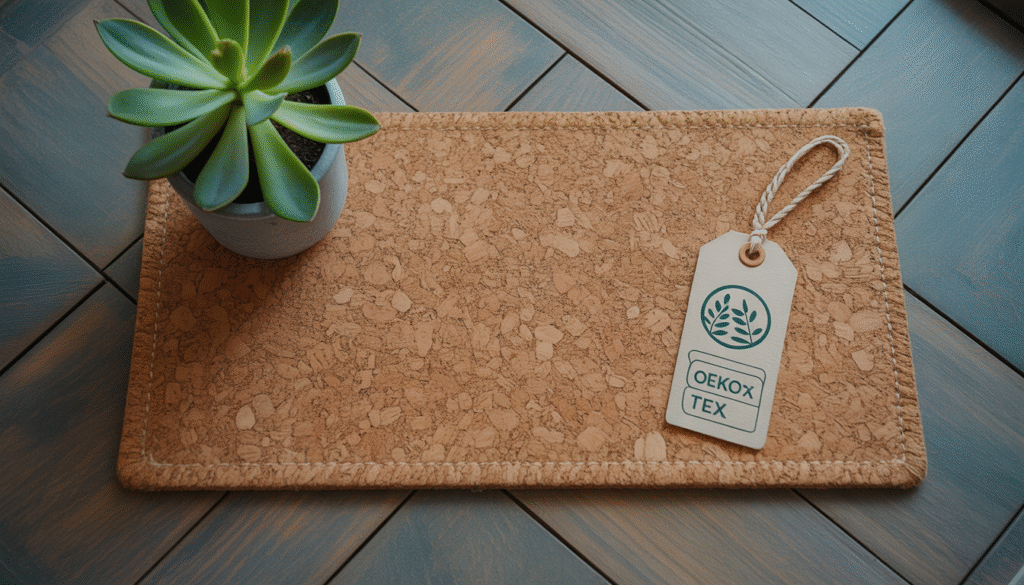
Look for mats free from harmful chemicals such as PVC, phthalates, BPA, and heavy metals. Materials like TPE (thermoplastic elastomer) are PVC‑free and recyclable, offering a safer, more environmentally conscious alternative. Natural options such as cork, organic cotton, jute, and natural rubber also avoid synthetic additives, which can reduce the risk of skin irritation and allergic reactions.
Latex‑free alternatives:
While natural rubber is biodegradable and offers great traction, it can contain latex proteins that may trigger allergies in some users. For those with latex sensitivity, cork or organic cotton mats are excellent non‑latex choices that still provide grip and comfort.
Certifications to consider:
Third‑party certifications help verify safety and sustainability claims. Labels like OEKO‑TEX Standard 100 ensure the material has been tested free of harmful substances, while GOTS (Global Organic Textile Standard) applies to organic cotton products. Sustainable sourcing certifications, such as FSC (Forest Stewardship Council) for cork, indicate responsible harvesting practices.
11. Versatility for Yoga Styles & Workouts
A mat that performs well across different activities offers more value and flexibility. While all mats support traditional yoga routines, some handle additional movement styles better than others.
For gentle yoga and stretching, a moderately cushioned surface provides comfort without sacrificing stability. Mats with enough padding reduce pressure on joints during seated poses or extended holds.
Pilates often involves dynamic transitions and core‑focused movements. A mat with good grip and firmness helps maintain balance during exercises like leg lifts and roll‑ups. Slightly thicker cushioning can also protect the spine and tailbone during floor work.
When used for home workouts, such as body‑weight exercises or mobility drills, a mat needs to stay in place and provide reliable traction. A stable base supports moves like planks, push‑ups, and lunges without slipping on smooth floors.
12. Design, Color & Aesthetic Appeal
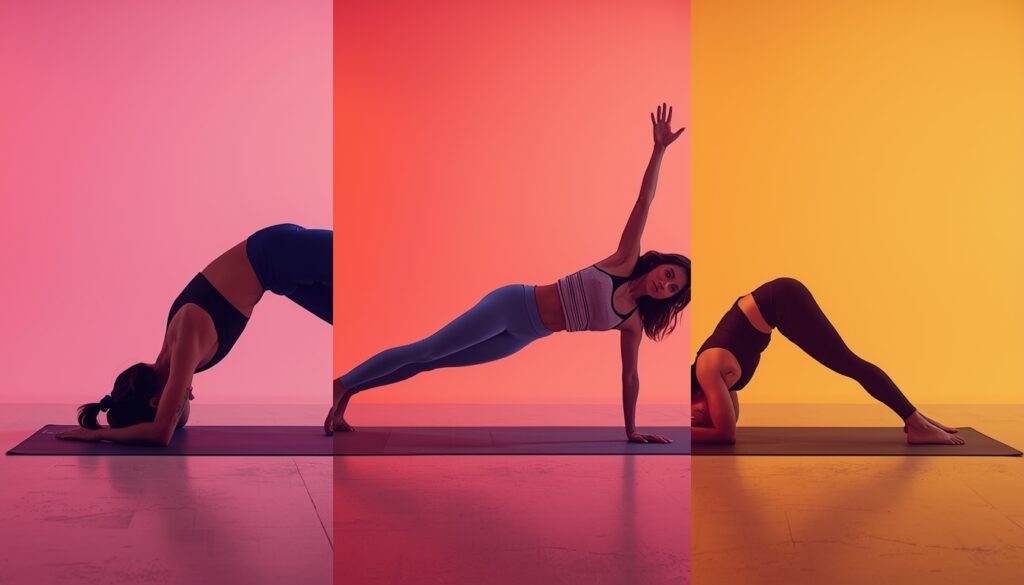
Visual appeal is an important factor for many practitioners, as a mat’s look can enhance motivation and personal enjoyment during practice. Mats are available in a wide variety of colors, patterns, and textures, allowing you to choose one that fits your style and environment.
Color options range from solid neutrals to vibrant, eye-catching designs, while some mats feature artistic prints, geometric patterns, or subtle gradients. Texture not only contributes to grip and comfort but also affects the mat’s overall appearance, with options like ribbed surfaces, woven finishes, or cork overlays adding a tactile and visual dimension.
Branding and logos can be a point of preference. Some users enjoy mats from recognized yoga or athletic brands for the perceived quality and style, while others prefer minimalist, logo-free designs for a cleaner look.
Frequently Asked Questions
How wide is wider than a standard mat?
Standard mats are about 24 inches wide, while wider options usually start around 28 inches and can go up to 36 inches for more movement space.
Is a thicker mat always better for joints?
Not always. Thicker mats offer more cushioning, but too much padding can reduce stability. The best choice depends on your joints, practice style, and floor type.
Do wider mats work well in small spaces?
They can, but it’s important to measure your practice area first. Extra width improves comfort, but you’ll need enough room to move freely without obstruction.
Are eco-friendly mats as durable as synthetic ones?
Many eco-friendly materials are durable, but lifespan varies by material and construction. High-quality rubber and dense TPE options tend to hold up well over time.
Can one mat be used for yoga, Pilates, and home workouts?
Yes. A stable, well-cushioned mat with good grip can support multiple activities, making it a versatile option for different workout routines.
Conclusion
Choosing the right extra-wide mat can make a noticeable difference in comfort, stability, and overall enjoyment during practice. More space allows for natural movement, better alignment, and fewer distractions caused by slipping off the edges or constantly readjusting position.
Key factors such as dimensions, thickness, material quality, grip, and durability all work together to shape long-term performance. Comfort for taller or larger users, ease of cleaning, eco-friendly materials, and versatility across different workout styles further separate average options from truly reliable ones.
By focusing on how and where you practice whether at home, in a studio, or across multiple workout types you can select a mat that supports your body, fits your space, and lasts over time. A well-chosen mat isn’t just equipment; it’s a foundation for safer movement, better focus, and a more satisfying practice every time you step on it.